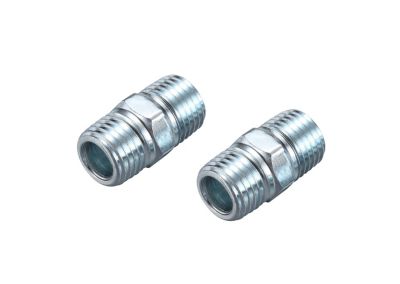
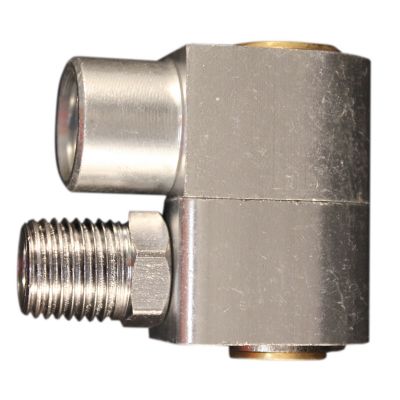
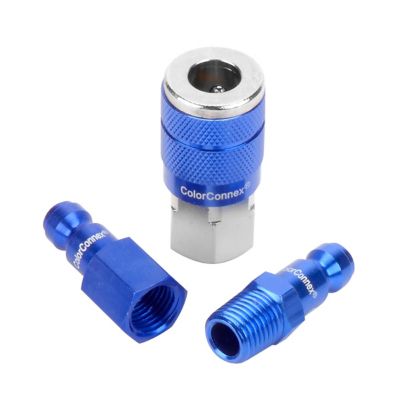
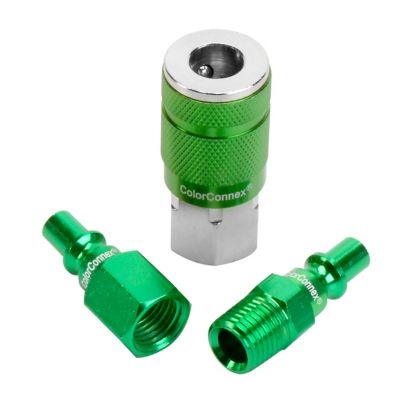
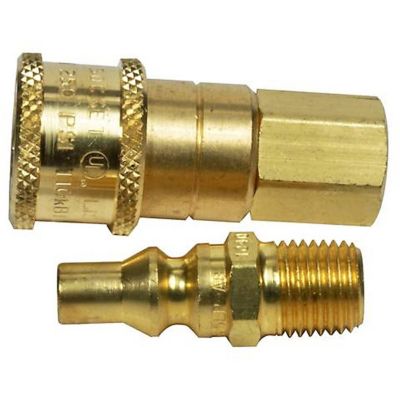
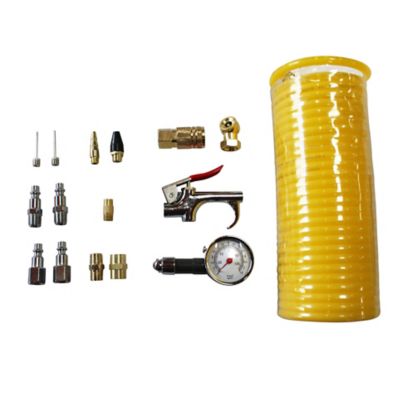
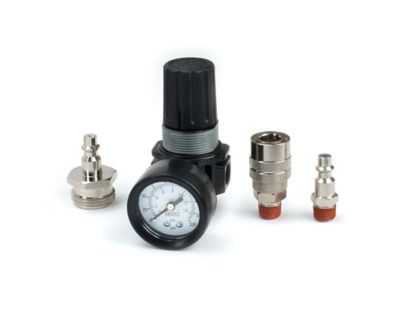
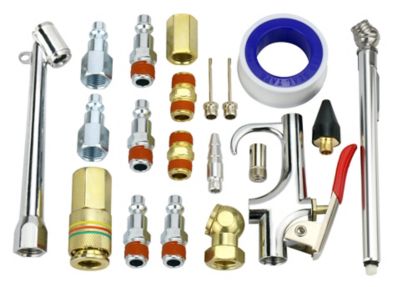
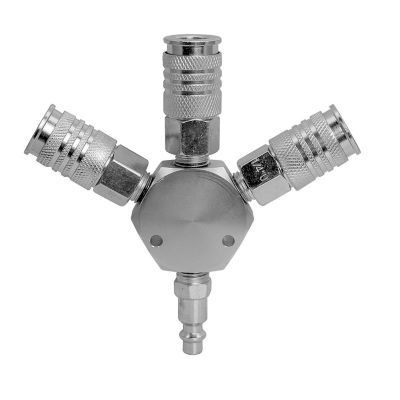
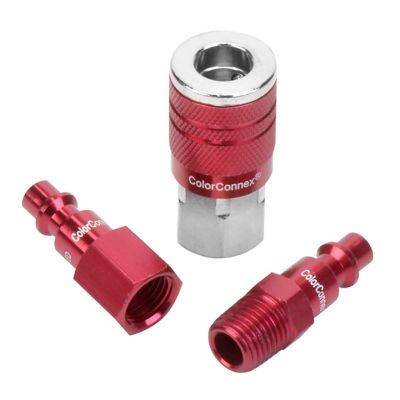
A 1/4-inch connector can join an air hose, a small water line, a threaded pipe connection, or an audio cable, depending on its design. The size alone does not make those connections interchangeable. A 1/4-inch audio plug measures about 6.35 millimeters across, while a 1/4-inch NPT fitting has a nominal pipe-thread size rather than an outside thread diameter of exactly one-quarter inch. Small tubing connectors follow still other sizing conventions. That distinction matters whether the job is keeping an air tool running in the shop or replacing a connection on a garden watering line. For compressed-air equipment, common connector styles include threaded adapters, plugs, and quick-connect couplers. A plug fits into a matching coupler, allowing a hose or tool to disconnect without taking apart the threaded joints each time. The plug profile, coupling series, body size, and thread size all affect compatibility; two fittings marked 1/4 inch may not lock together or provide the same airflow. Male threads fit into female threads, but the thread standard must match as well. Brass fittings resist corrosion and suit many general-purpose connections, while steel fittings can handle repeated handling and contact around a busy workbench. Protective finishes help limit surface rust, though worn plating leaves the underlying metal more exposed. Stainless steel is another material consideration where moisture and corrosion are concerns. For a compressor serving several tools, connector flow capacity matters alongside the hose size and the tool’s air demand. A narrow passage can restrict performance even when the ends fit. Pressure ratings, seal materials, and the equipment manufacturer’s requirements help establish whether a connection belongs in that setup. Mechanics, farm owners, and folks maintaining their own equipment often value fittings that connect firmly, release as intended, and leave enough room for a gloved hand. Clean mating surfaces and protection from grit also help seals and locking parts keep doing their jobs.
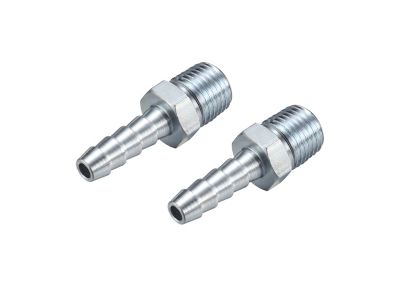
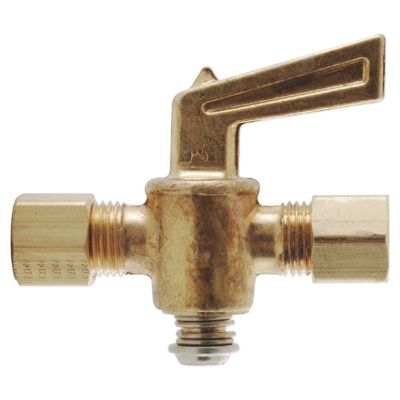
For water lines and small tubing, 1/4-inch connectors cover a different set of connections, including straight unions, elbows, tees, barbed fittings, and push-to-connect designs. A straight connector joins two lengths of tubing, an elbow changes direction, and a tee creates a branch. Those shapes can make a tidy difference along a garden bed, behind a workbench, or wherever a small line needs to pass around an obstruction without a sharp bend. Fit depends on how the tubing is measured. Barbed connections generally match the tubing’s inside diameter, while many push-to-connect fittings match its outside diameter. Tubing wall thickness and material can also affect the connection, so the size printed on a package needs to match the tubing specification, not just a quick measurement across the end. Flexible polyethylene tubing, softer vinyl tubing, and more rigid lines do not necessarily work with the same connector design. Plastic fittings offer corrosion resistance and a lightweight connection for suitable watering applications. Brass and stainless steel bring different strengths for approved plumbing or equipment connections, but material alone does not establish suitability for drinking water, fuel, chemicals, or compressed air. Those applications call for the appropriate approvals and ratings. A connector intended for a low-pressure drip line is not a substitute for an air-system fitting simply because both carry a 1/4-inch label. Threaded connections also need matching thread forms; tapered pipe threads, straight threads, and compression connections seal in different ways. Around a farm or acreage, a fitting may sit beside a fence, near a pump, or against a piece of equipment that vibrates. Support for the line and clearance around the joint help prevent pulling, rubbing, and kinking. Connections are easier to inspect when they remain accessible rather than buried behind a tight coil of tubing. Periodic checks for cracks, mineral buildup, loose joints, and damaged tube ends can reveal wear before a small leak turns into a larger repair.
In audio equipment, a 1/4-inch connector usually means a 6.35-millimeter phone plug or the matching jack. These connections are common on musical instruments, amplifiers, headphones, mixers, and other sound equipment. A TS plug has a tip and sleeve separated by one insulating band and commonly carries an unbalanced mono signal, such as the signal between an electric guitar and a compatible amplifier input. A TRS plug has a tip, ring, and sleeve separated by two insulating bands. Depending on the equipment, it can carry stereo headphone audio or a balanced mono signal. The extra contact does not automatically make a connection stereo or balanced; the wiring and the jacks at both ends determine its function. That distinction matters for someone setting up a practice space, connecting sound equipment in a meeting room, or keeping cables organized near a workbench radio setup. Straight plugs offer a simple connection where there is room behind the equipment, while right-angle plugs can reduce how far a cable sticks out in a tight space. Cable-mount plugs, panel-mount jacks, and inline couplers serve different roles, so mounting style and access matter along with contact arrangement. A speaker cable and an instrument cable can have similar-looking plugs while differing in internal construction and intended use. The equipment’s connection requirements remain the deciding factor. Metal connector housings provide protection around the termination, and suitable strain relief helps keep pulling force away from the wire connections inside. A housing that fits the cable diameter gives the connection better support than one that leaves the cable loose. Clean contacts, gentle cable routing, and storage without tight bends help limit crackling and intermittent connections caused by dirt or wear. For connections that supply electricity to equipment,
Power Connectors involve separate electrical ratings and connection requirements. Across air, water, and audio applications, matching the connector’s purpose, dimensions, material, and ratings matters more than the shared 1/4-inch name.