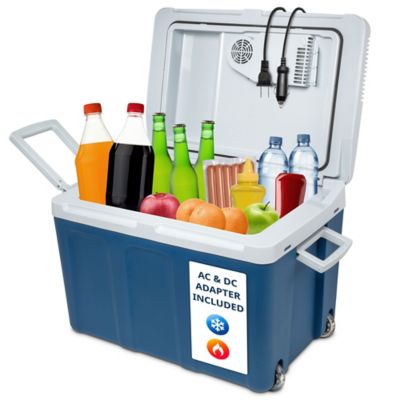
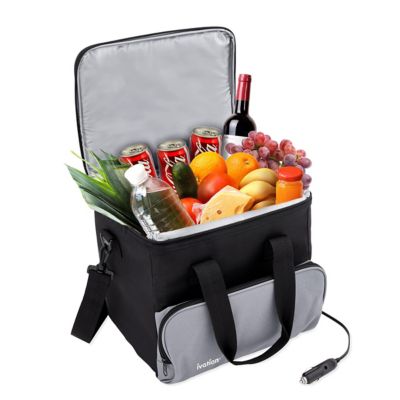
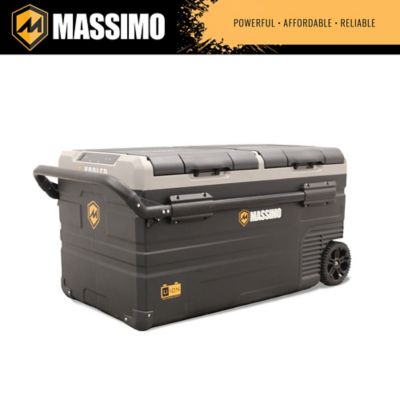
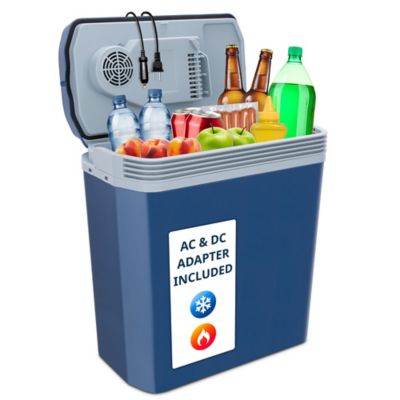
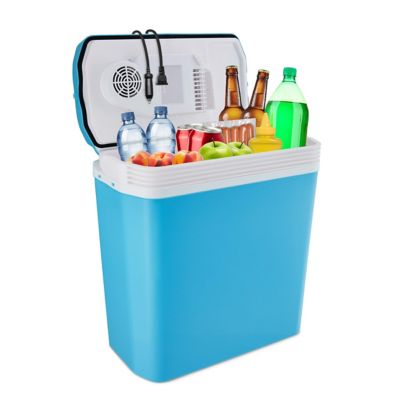
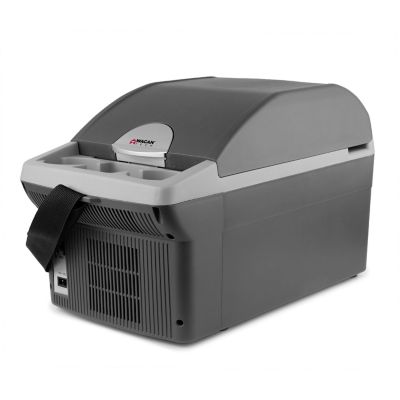
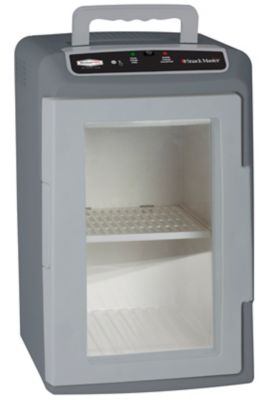
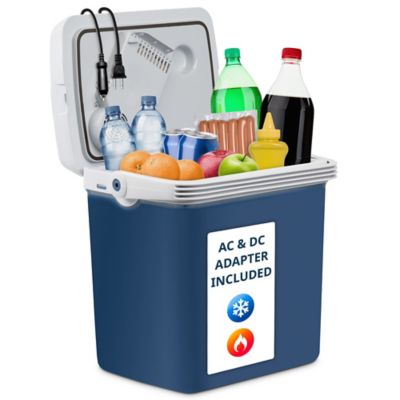
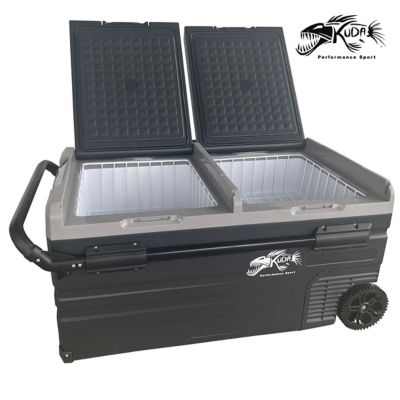
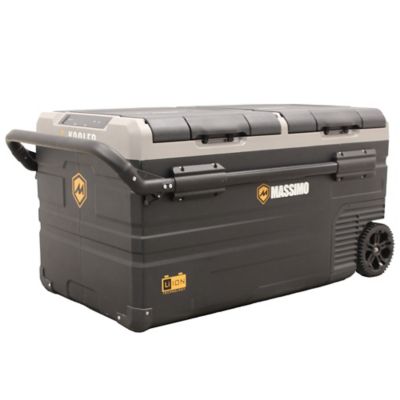
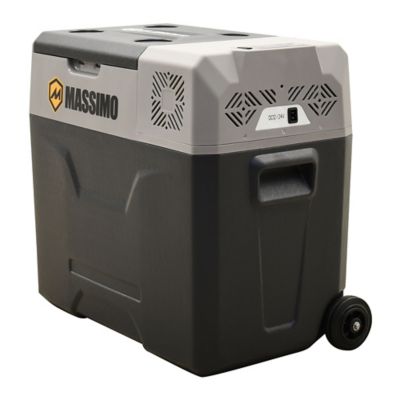
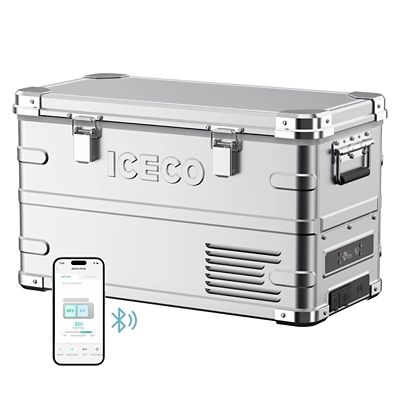
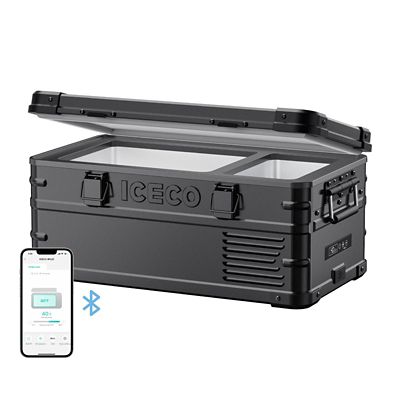
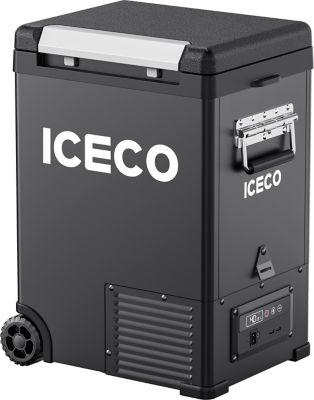
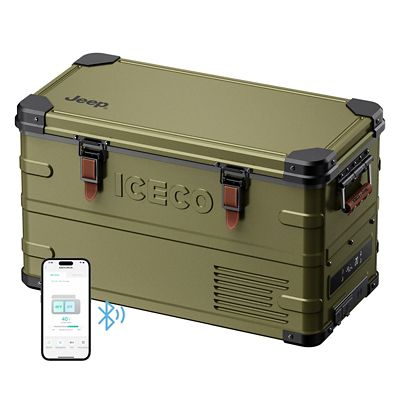
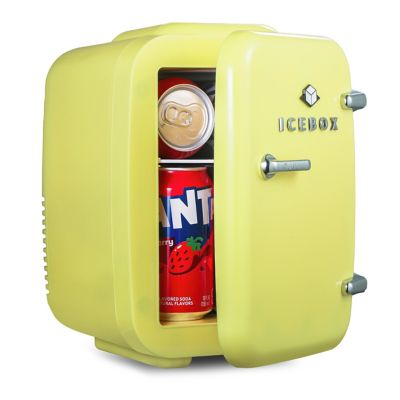
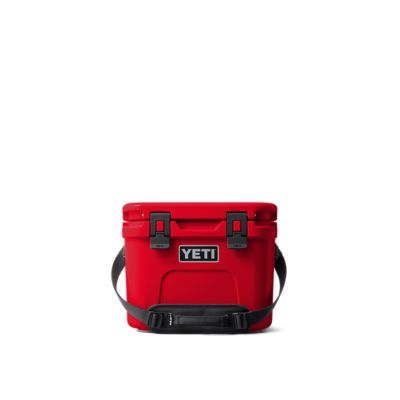
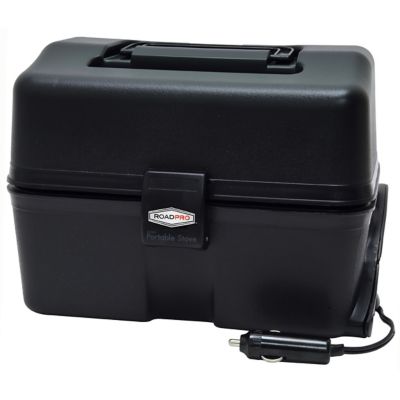
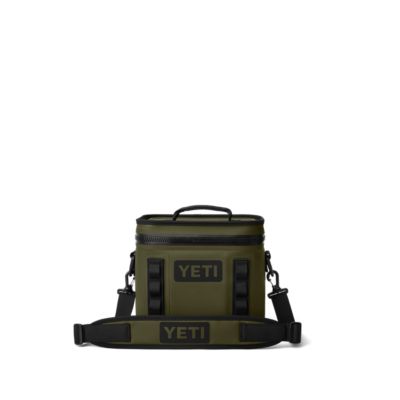
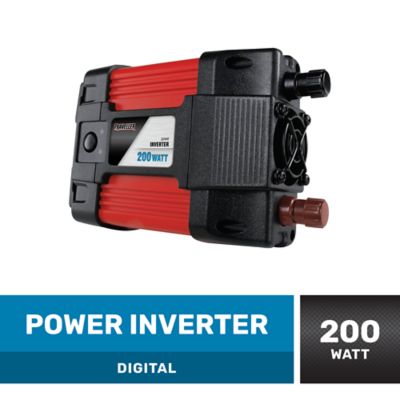
A 12V electric travel cooler is a portable cooler that runs from a compatible vehicle’s 12-volt DC outlet to keep food and drinks cold while traveling. Depending on the cooling system, it may provide refrigerated storage or offer settings for freezing, without needing loose ice for normal powered operation. That makes these coolers a handy fit for truck-cab lunches, camping trips, long drives between towns, and days spent moving from one property to another. Sandwiches stay separate from melting ice, drink labels stay dry, and there’s no puddle to drain before loading up again. The main difference between electric cooler types is how they cool. Compressor models work much like a small refrigerator, and many can reach freezing settings within their rated operating conditions. Thermoelectric models generally cool a limited amount below the surrounding air temperature, so their performance depends more heavily on where they sit. They should not be assumed to refrigerate perishable food safely in every setting. For meat, dairy, and other perishables, look for cooling performance that can maintain 40°F or below, and check food-storage conditions with a separate appliance thermometer. A display setting alone does not confirm the temperature throughout the compartment. Power details matter just as much as cooling performance. The cooler’s plug, voltage requirement, and electrical draw need to match the vehicle outlet and its rating. Some outlets turn off with the ignition, while others keep drawing from the vehicle battery after the engine stops. Battery-protection settings, when included, can help limit that draw, but they do not take the place of checking the vehicle’s power setup. For longer stops, a compatible portable power source may be an option if its output and capacity meet the cooler’s requirements. Models with a supported household-power adapter can also move between a vehicle and a suitable indoor outlet, making it easier to chill the compartment before departure. Check whether that adapter comes with the cooler or requires a separate purchase, since a 12-volt connection does not automatically mean household-outlet compatibility.
Size is about more than how many cans fit inside. A lunch cooler for one person has a different job than a larger electric travel cooler carrying groceries, supper ingredients, and drinks for several people. Capacity measurements in quarts or liters give a starting point, but the shape of the interior determines whether tall bottles stand upright, food containers sit flat, and a carton can fit without pressing against the lid. Divided compartments and removable baskets can keep sandwich fixings away from heavier drinks, while separate temperature zones on some models allow different storage settings. Check whether those zones operate independently rather than assuming every divided cooler functions as both a refrigerator and a freezer at once. On the outside, measure the intended space and leave the ventilation clearance specified by the manufacturer. A cooler that fits between the seats still needs room for its lid to open, its cord to connect without bending sharply, and its vents to move air. The same applies behind a truck seat or beside camping gear in a cargo area. Empty weight also deserves a look, especially when a full cooler will need lifting over a tailgate or carrying from a parking spot to a campsite. Recessed grips, folding handles, and wheels each suit different carrying routines, though wheels add to the overall footprint. Construction details help show how a cooler may handle repeated loading and travel. Molded plastic shells can keep weight down, while metal housings add a different balance of weight and protection. Hinges, latches, lid seals, corner protection, and handle attachment points are worth a close look on any design. A snug lid seal and insulated walls help reduce heat entering the compartment, but an electric cooler still needs power to maintain its intended setting. Secure placement matters, too: keep the cooler from sliding during braking, and follow the manufacturer’s directions for mounting, tie-downs, and operating position rather than treating a loose cargo-area fit as enough.
The little details tend to matter most after a few miles on the road. A readable control panel makes it easier to check settings at a stop, and an interior light can help with finding a drink without unloading half the compartment. Cord length affects where the cooler can sit, but routing matters more than simply reaching the outlet. Keep cords clear of seat tracks, door hinges, pedals, and walking paths, and follow the manufacturer’s guidance before adding any extension or adapter. For a quieter ride or a sleeping area in a camper, sound levels may also influence the choice; compressor cycling and cooling fans can be noticeable in a small space. Packing already-chilled food helps reduce the initial workload, and keeping frequently reached-for drinks near the top can cut down on lid-open time. Hot leftovers need proper cooling before storage rather than relying on a travel cooler to bring a large meal down to a safe temperature. After a trip, disconnect the power before cleaning and wipe the interior with a soft cloth and a cleaner permitted by the care instructions. Removable baskets make crumbs and spills easier to reach, while smooth interior surfaces help with routine cleanup. Keep moisture away from electrical connections, controls, and vents, and avoid spraying or submerging the unit unless its instructions specifically allow it. Let the interior dry before closing it for storage, and check the cord and lid seal before the next outing. When comparing
Portable Coolers, an electric design makes particular sense for travel with a suitable power connection and a need for steady, managed cooling. It can also be a practical gift for a truck driver, a camping enthusiast, or someone who packs meals for long stretches away from home. Matching the cooler to that person’s vehicle space, lifting needs, and daily routine helps make it something that earns its place beside the lunch bag, road atlas, and work gloves.