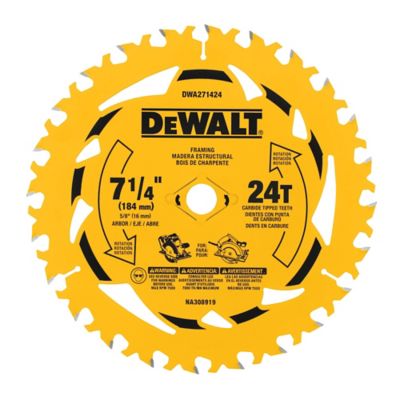
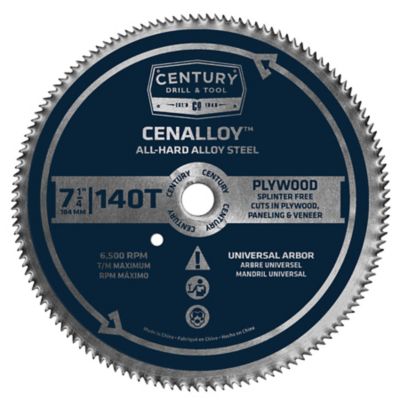
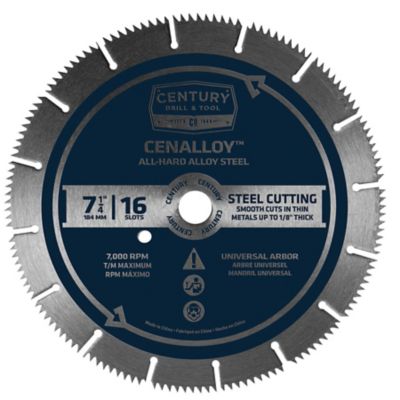
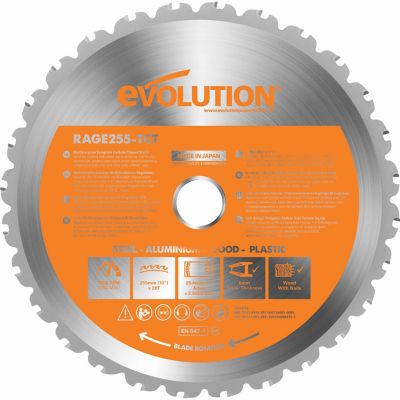
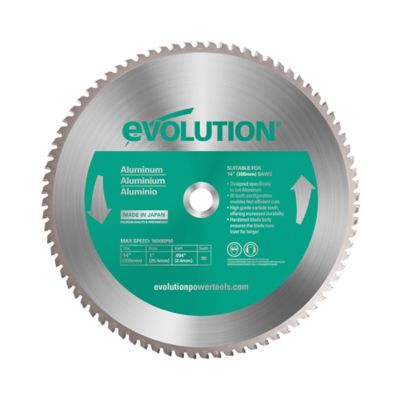
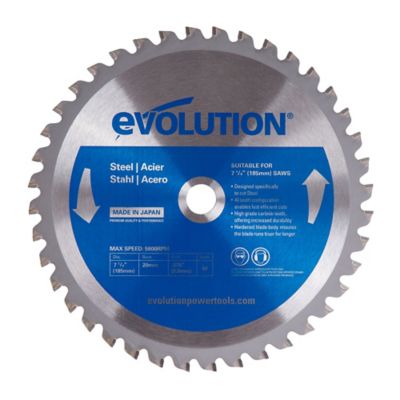
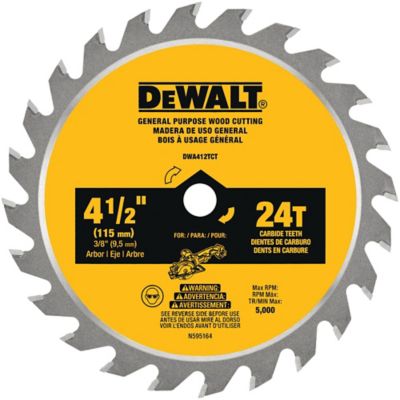
A 7-1/4 inch circular saw blade is a dependable, everyday size for many full-size portable circular saws and worm-drive saws, making it a handy choice for farm repairs, home projects, remodeling work and general construction. These blades are often used for cutting framing lumber, fence boards, plywood, decking, sheathing and other common building materials. Before buying, match the blade diameter to the saw’s specifications and check the arbor opening, which is commonly 5/8 inch on this size blade. Some saws also require a diamond-shaped knockout or a particular washer setup, so it pays to compare the blade information with the markings on the saw rather than relying on size alone. The blade should fit securely with no wobble, and the saw should be unplugged or have its battery removed whenever a blade is being changed. A quick look at the blade’s maximum revolutions per minute rating is important, too; the rating should meet or exceed the speed of the saw. For work around a farm shop or homestead, it can be useful to keep an extra blade on hand. A blade that starts the day sharp may pick up grit from old lumber, fencing or dusty job-site conditions, while a fresh blade helps the saw move smoothly and reduces the temptation to force the cut. During the warmer part of the year, these blades can see plenty of use on raised beds, chicken-coop repairs, porch projects and pasture improvements. As the cooler months settle in, the same size blade is ready for indoor woodworking, barn maintenance and last-minute repairs before winter weather makes outdoor work less convenient.
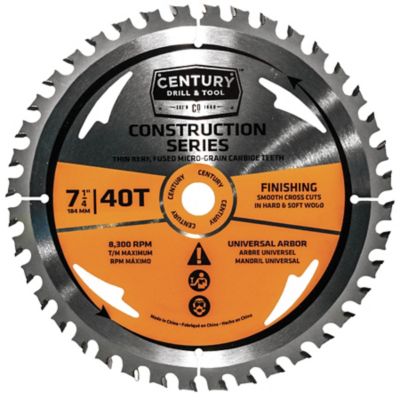
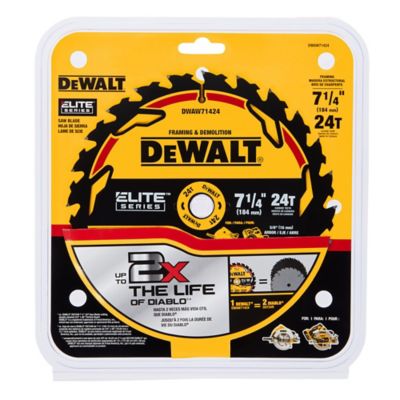
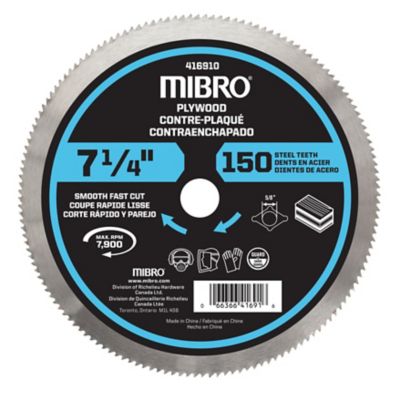
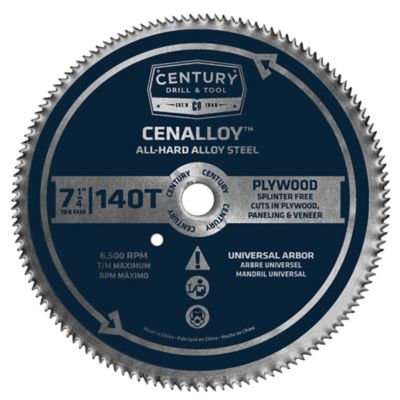
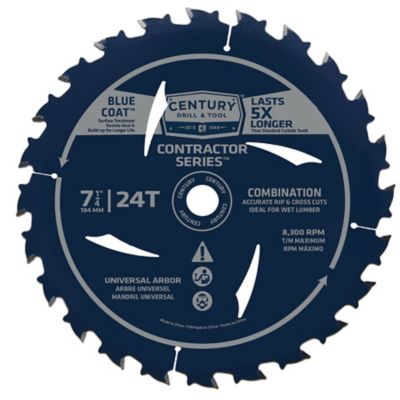
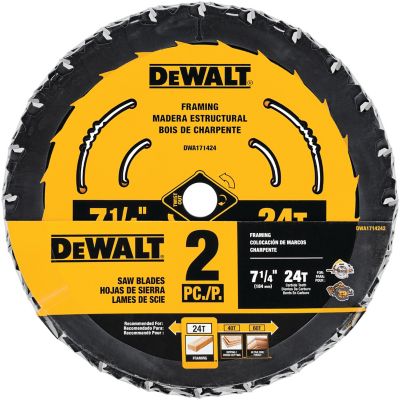
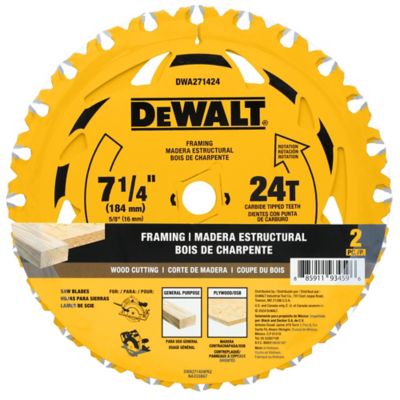
Tooth count is one of the clearest ways to narrow down the right 7-1/4 inch circular saw blade. Blades with about 24 teeth are built for speed and efficient material removal. They are a common fit for rough framing, ripping dimensional lumber and making quick cuts in construction wood where a perfectly smooth edge is not the main concern. The wider spacing between teeth helps clear chips as the blade moves through the board, so these blades are often a practical choice for building a shed, cutting wall studs or trimming fence rails. A blade with roughly 40 teeth offers a useful middle ground for general-purpose work. It can handle many everyday wood-cutting jobs while leaving a cleaner edge in plywood, boards and sheet goods than a lower-tooth-count framing blade. This type is a solid option for a homeowner who wants one versatile blade for weekend projects, repairs and routine shop work. Higher tooth counts, such as 60 teeth, are intended for smoother crosscuts, finish work, hardwoods, cabinet parts, trim and other jobs where reducing splintering matters. More teeth generally mean a slower cut and a greater need to feed the saw steadily, but the finished edge can require less sanding. Tooth shape and kerf matter along with tooth count. A thin-kerf blade removes less material and may help a saw run more easily, while a full-kerf blade can provide a sturdy feel and durability for demanding cuts. Carbide-tipped teeth are popular for their ability to stay sharp through repeated use, and the quality of the tooth design, gullets and blade plate all affect how cleanly and quietly the blade cuts. For plywood or finished panels, placing the better-looking face down can help limit visible splintering, while supporting the sheet well and allowing the saw to cut without pinching also makes a noticeable difference.
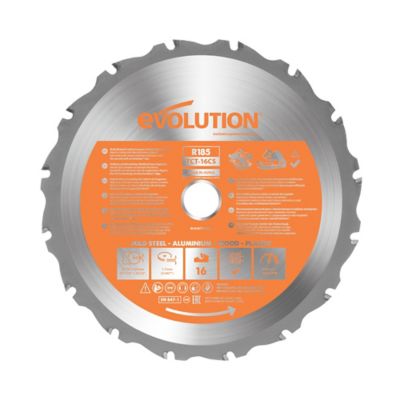
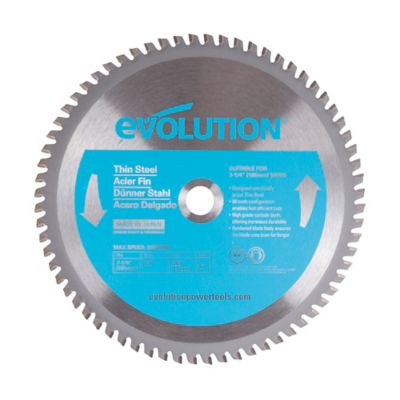
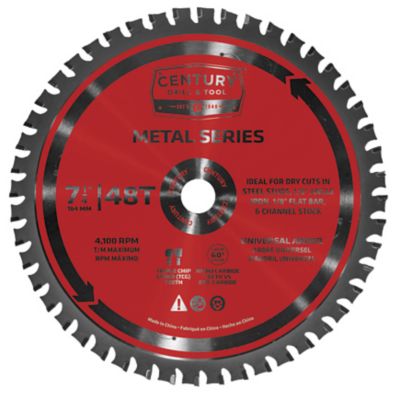
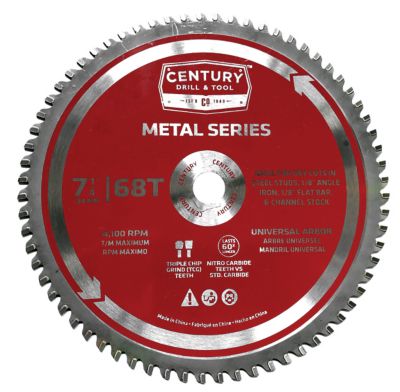
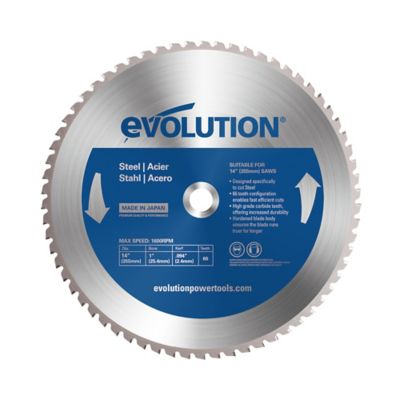
The material being cut should always guide the purchase. Standard wood-cutting blades are suited to lumber, plywood, oriented strand board and similar wood products, but specialty blades are made for other materials and should not be treated as interchangeable. Blades designed for metal may have a different tooth pattern and cutting method, while blades intended for tile, masonry or fiber cement may use abrasive segments or diamond cutting edges. Using the wrong blade can lead to poor results, excessive heat, damaged teeth or an unsafe bind, so read the package carefully for approved materials. For nail-embedded lumber, choose a blade specifically rated for that kind of work instead of assuming an ordinary wood blade will handle hidden fasteners. Inspect a used blade before each project for missing teeth, cracks, warping, heavy pitch buildup or a dull edge. Let the saw do the work, keep both hands on the tool as directed by the manufacturer, and use eye and hearing protection along with proper dust protection for the material being cut. Keep the blade guard working freely, secure the workpiece on a stable surface and wait for the blade to stop completely before setting the saw down. These blades also make a practical gift for a new homeowner, a ranch hand, a do-it-yourself builder or anyone setting up a small workshop, especially when paired with basic safety gear and a place to store spare blades dry and protected. A person who works with smaller compact saws may need a different diameter, such as
6 Inch Saw Blades, so saw compatibility remains the first step. With the right tooth count, cutting material, arbor fit and finish level, a 7-1/4 inch circular saw blade can help turn a rough stack of boards into clean, useful cuts for projects around the house, shop, barn and property.