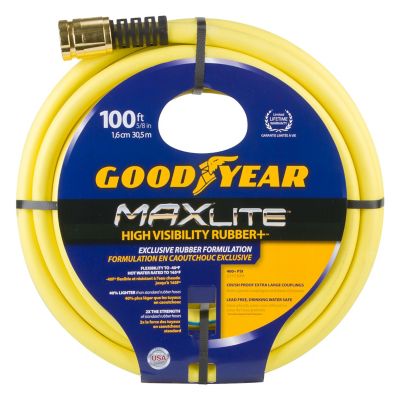
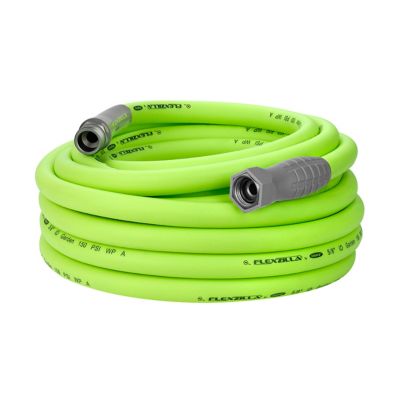
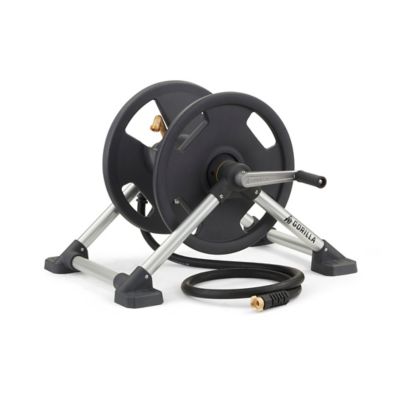
A 100-foot hose reel gives a long garden hose a place to go between jobs, keeping loose coils out of walkways and making the next trip to the garden, barn, or wash area less of a chore. That extra reach comes in handy when the spigot sits well away from raised beds, a livestock pen, or the far side of the driveway. The reel holds the hose on a rotating drum, so it can pay out for watering and wind back into a manageable coil afterward. In this category, “100-foot” can describe either the reel’s storage capacity or the length of an included hose, and those are two different things. Capacity also depends on hose diameter and construction: a reel rated for 100 feet of 5/8-inch hose may hold a different length of a thicker or thinner hose. Stiff hose walls and oversized fittings can affect how neatly everything fits, too. The stated hose length, diameter rating, and package contents help establish whether a setup matches an existing hose or supplies its own. For everyday watering, a 1/2-inch hose often offers easier handling, while a 5/8-inch hose generally carries more water under comparable conditions. Actual flow still depends on water pressure, hose length, fittings, and the nozzle at the working end. A long run around the shed and across the yard can deliver less flow than a short, direct run from the same spigot. Usable reach also follows the route the hose takes, not just the straight-line distance to the job. Corners, gates, and planting beds all take up length. A well-matched 100-foot hose reel keeps that reach organized without forcing a hose onto a drum that is too small or leaving coils piled beside the faucet. It also makes it easier to put the hose away without dragging the full length into a heap at your feet.
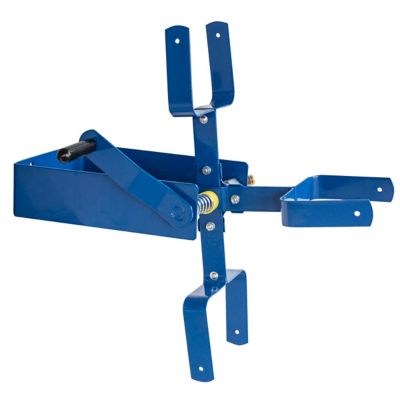
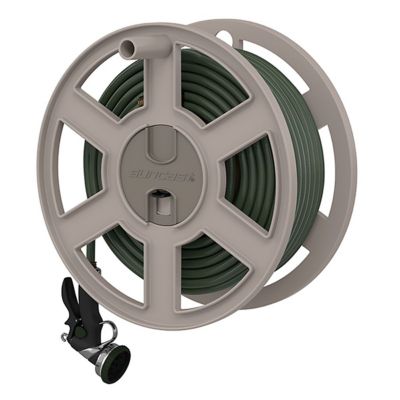
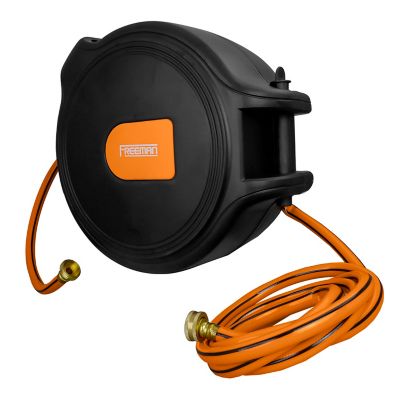
Mounting style makes a big difference in how a hose reel fits into daily chores. Wall-mounted reels keep the drum off the ground and leave more room beside a garage, potting bench, or barn entrance. Their brackets need a mounting surface and fasteners suited to the loaded weight of the reel and hose, along with the pulling force created as the hose extends. Solid framing or suitable masonry provides a different attachment point than siding alone. A pivoting bracket lets the reel turn toward the work area within its stated range, helping the hose follow the pull instead of bending sharply at the outlet. Stationary ground reels offer another arrangement where a wall mount does not suit the space, while hose reel carts make sense for properties with several water connections. Wheels, handle height, frame balance, and clearance beneath the drum all affect how a cart moves over gravel, packed dirt, or grass. A reel carrying 100 feet of hose takes more effort to move than an empty frame, especially with water still inside. Materials matter for handling and upkeep as well. Steel frames provide a firm base, with protective finishes helping limit rust where the coating remains intact. Aluminum components can reduce carrying weight, and molded resin housings do not rust, though brackets, fasteners, and internal parts still deserve attention. Brass connections are common, but thread fit and sound sealing washers matter just as much as the fitting material. A leader hose connects the reel to the water source; enough length for a relaxed connection helps prevent strain at the spigot. Reel inlet and outlet sizes, pressure ratings, and hose compatibility belong in the same fit check. A garden hose reel is intended for its stated watering applications, not as a substitute for equipment rated for compressed air, fuel, or other fluids.
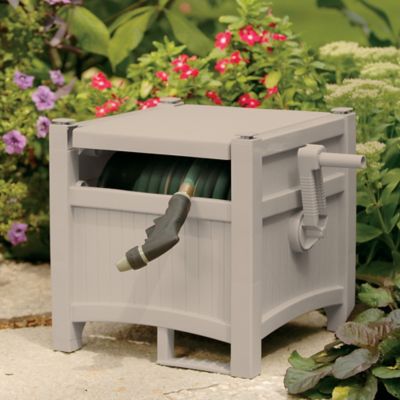
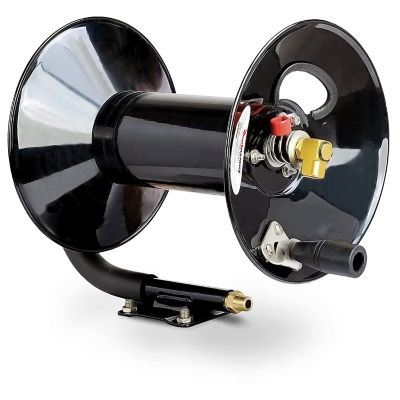
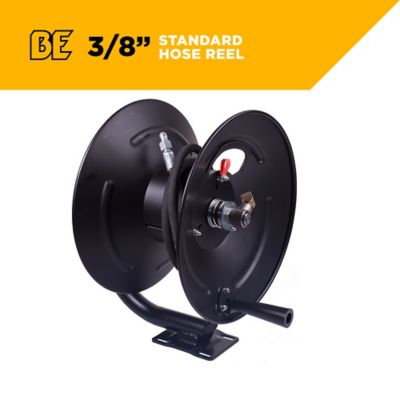
Hand-crank reels offer direct control over winding, with handle clearance and a comfortable grip making a noticeable difference when bringing in a full 100-foot hose. A hose guide helps distribute the coil across the drum rather than letting it build up on one side.
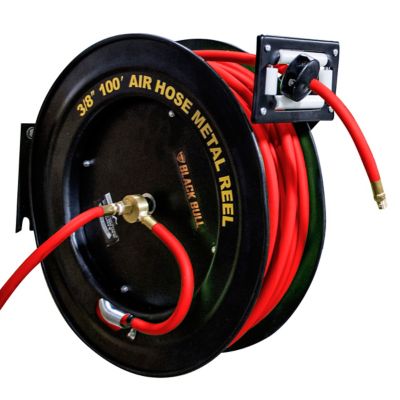
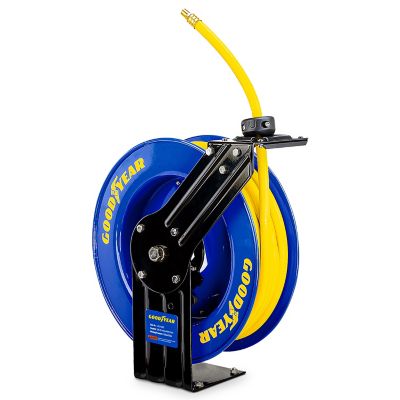
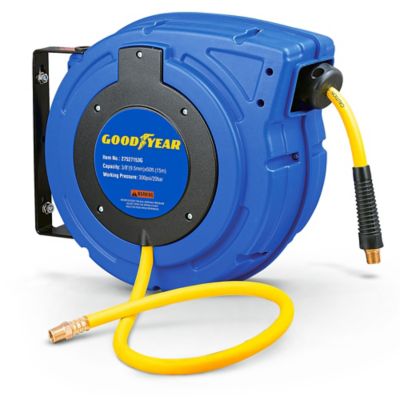
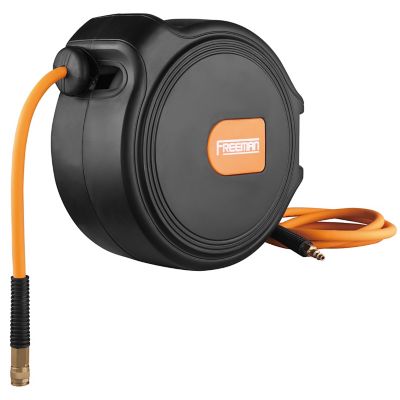
Automatic Hose Reels offer another approach for folks who would rather skip the cranking, with retracting mechanisms that draw the hose back onto the reel. Spring-driven and powered designs work differently, so retraction method, locking positions, return speed, and any power requirements help define the right fit for the job. Controlled return is especially useful near gates, vehicles, and narrow walkways, where a loose nozzle swinging back toward the housing could cause trouble. Even with a guided return, staying with the hose as it winds in helps keep it clear of stones, fence posts, and garden edges. Around a vegetable patch, a reel positioned near the spigot can keep the main hose run along the edge of the beds rather than across tender plants. Beside a barn or workshop, a tidy winding setup keeps hose loops away from foot traffic and rolling equipment. For filling animal water containers or handling drinking water, both the hose and the reel’s water-contact components need ratings appropriate to that purpose; length and storage capacity alone do not establish suitability. Routine care is straightforward: dirt wiped from the hose is less likely to collect inside the housing, snug connections with intact washers help limit drips, and a clear winding path reduces scraping and sharp bends. Relieving water pressure before storage, draining as directed, and following the reel’s maintenance instructions help keep the setup ready for its next job. Access to fittings, a replaceable leader hose, and serviceable seals can make ongoing upkeep less of a hassle. Whether the work is watering rows, rinsing muddy boots, or cleaning up around an outbuilding, the right combination of capacity, mounting style, and rewind control makes a long hose easier to manage from the first pull to the last turn.