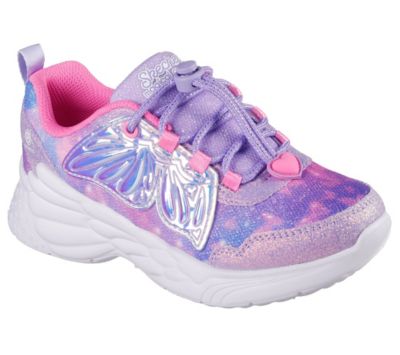
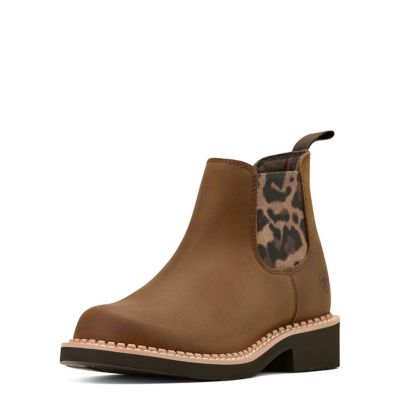
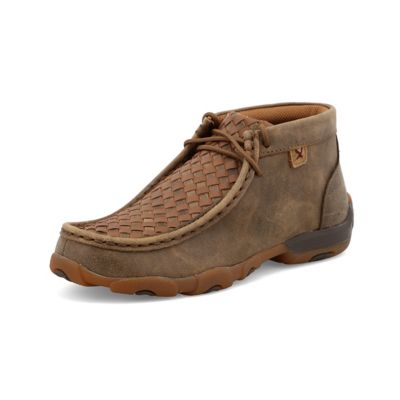
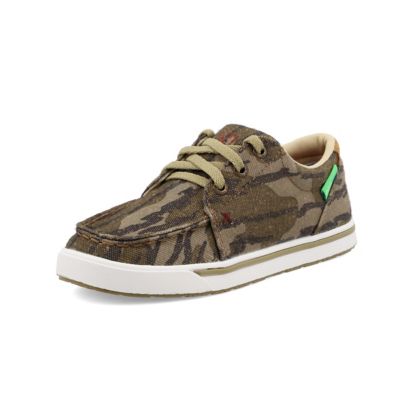
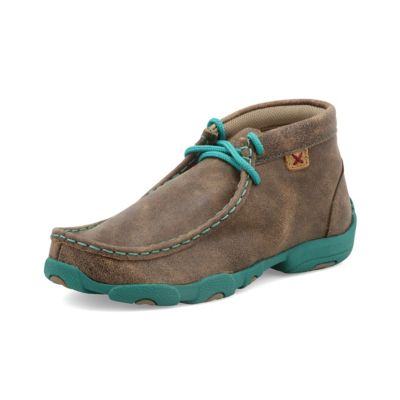
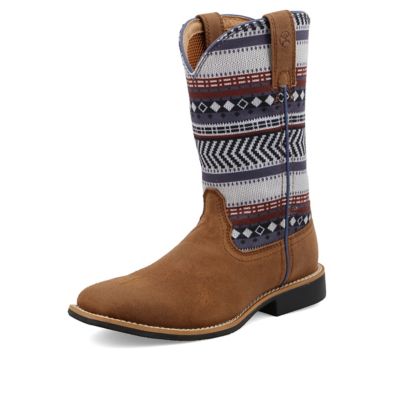
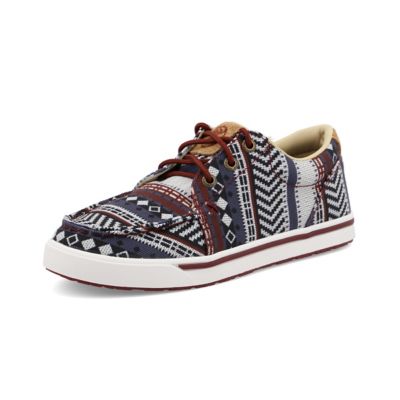
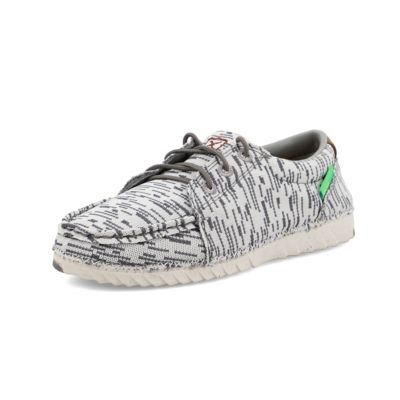
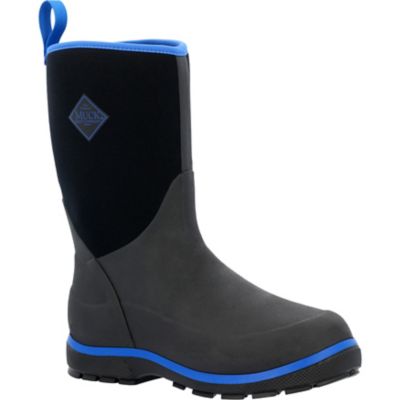
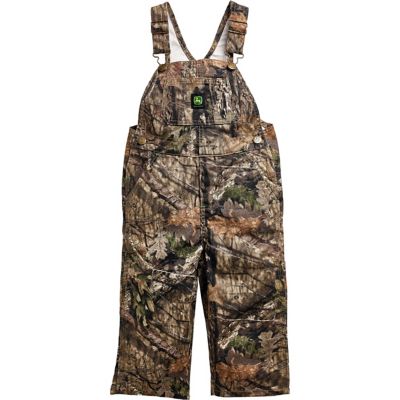
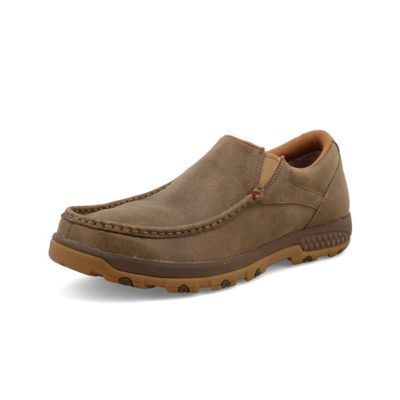
Youth shoes go along for a lot more than the walk from the house to the truck. They carry kids through school hallways, playground laps, family outings and those quick trips across the yard that turn into an afternoon outside. Everyday footwear needs to suit that mix without getting in the way of running, bending or settling down at a desk. Athletic styles generally favor flexible movement and cushioning, while casual shoes can offer a simpler shape for school and everyday wear. Higher-cut footwear adds coverage around the ankle, although height alone does not determine how much support a shoe provides. For families who spend time on trails,
youth waterproof hiking boots offer a more trail-focused direction to consider alongside everyday shoes. The difference often comes down to the ground underfoot and how long a child will be walking. Smooth floors, gravel lanes and uneven paths each put different demands on footwear, so sole design matters just as much as appearance. Materials also influence how a pair feels throughout the day. Mesh and other woven fabrics can encourage airflow and keep the upper flexible, while leather offers a firmer feel that may soften with wear. Synthetic panels can add structure around areas that see repeated rubbing, such as the toe and sides. Suede has a softer surface but calls for care suited to its finish. Many youth shoes combine materials, putting flexible fabric where the foot bends and reinforcement where scuffs tend to show first. Inside, smooth lining, covered seams and cushioning beneath the foot can make a noticeable difference between a pair that feels fine for a few minutes and one that remains comfortable through a full school day. A lining that manages perspiration can also help socks feel less clammy after active play. None of those features needs to make a shoe heavy or stiff; the useful balance depends on the child’s routine.
Fit deserves particular attention with youth shoes because a familiar size does not always mean a familiar feel. Kids’ feet grow at different rates, and sizing can vary between footwear shapes. Length, width and the depth over the top of the foot all affect comfort. A roomy toe box gives toes space to spread naturally, but an oversized shoe can let the foot slide forward or make the heel lift with each step. There should be some growing room beyond the longest toe without leaving so much empty space that the child has to grip with the toes to keep the shoe on. Both feet matter, too, since one may be a little larger than the other. The socks a child normally wears can change the fit enough to notice, especially around the toes and heel. A pair intended for long walks should feel secure with those socks rather than depend on extra-tight lacing. Closures make a practical difference in daily routines: laces allow adjustment along the top of the foot, while hook-and-loop straps can be easier for younger kids to manage on their own. Slip-on designs depend more heavily on the shape of the opening and the grip around the heel. A secure closure should hold the foot without pinching or leaving deep pressure marks. During a short walk, the heel should stay settled, the toes should not bump the front and the upper should bend comfortably where the foot bends. Stiffness that causes rubbing is not something a child should have to tolerate while waiting for a pair to loosen up. For active kids, cushioning works best alongside a stable base rather than a fit that feels wobbly from side to side. Shoes intended for everyday play also serve a different purpose from footwear required for a particular sport or activity, where specific construction or safety features may matter. That distinction helps keep everyday comfort separate from more specialized needs.
How well youth shoes hold up depends on construction, fit, activity and the care they receive between outings. A child who drags a toe across pavement while riding a scooter puts wear in a different spot than one who spends hours walking gravel paths. Reinforced toes, neatly finished seams and a firmly attached outsole are useful details to consider in that everyday context. Tread should suit the surface, with enough texture for footing but a shape that still allows comfortable movement. Deep grooves can collect small stones, while worn-down areas may signal that traction or cushioning is no longer doing its job. Uneven wear can also be a reason to check the fit rather than simply reach for the same size again. Routine cleaning helps keep dirt from working farther into fabric and seams. Loose grit often brushes away, while a soft cloth and a cleaner suited to the material can handle other marks. Care directions matter because leather, suede, mesh and synthetic finishes do not all respond well to the same treatment. Unless the care label permits machine washing, soaking or tumbling can be hard on adhesives, padding and shape. Air-drying away from direct heat is gentler, and removable insoles can be taken out for drying when the footwear instructions allow it. Loosening the closure before taking shoes off helps spare the heel from repeated crushing, a small habit that can keep the back of the shoe feeling better for longer. For a birthday gift or another family occasion, youth footwear is most useful when the recipient’s size, preferred closure and daily activities are known. A child who likes managing shoes independently may appreciate an easy fastening, while an older kid may care more about a familiar feel and a color that goes with everyday clothes. The strongest match is a pair that fits the child’s feet and routine, ready for ordinary days that rarely involve sitting still.