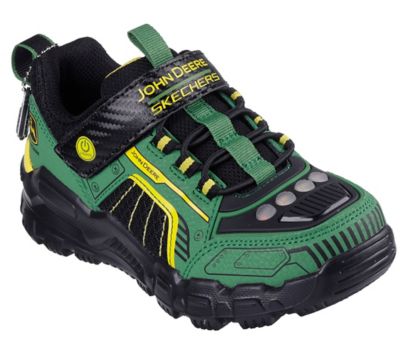
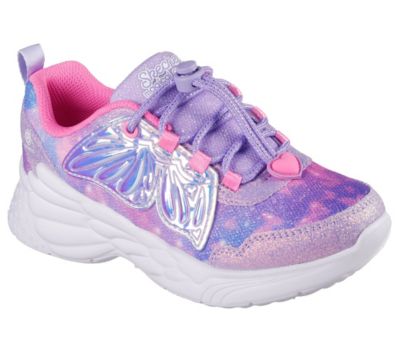
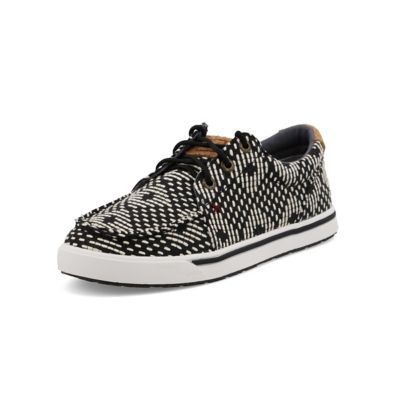
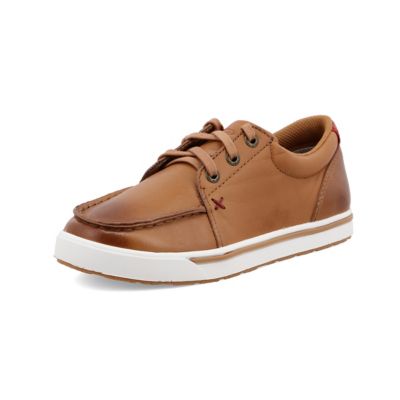
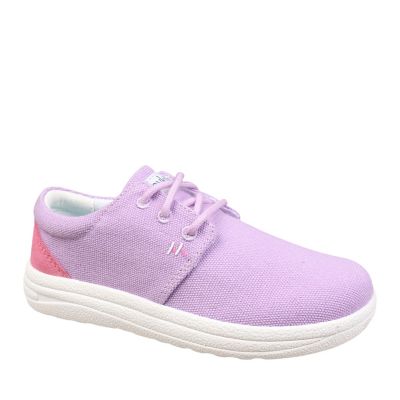
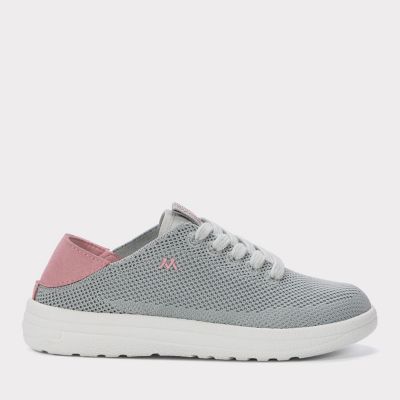
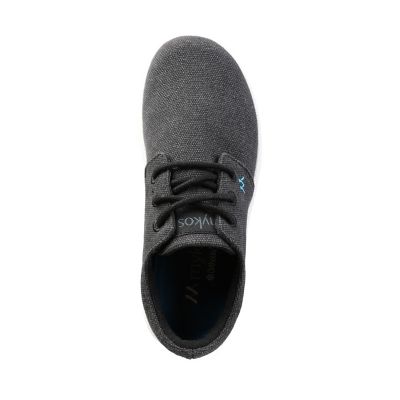
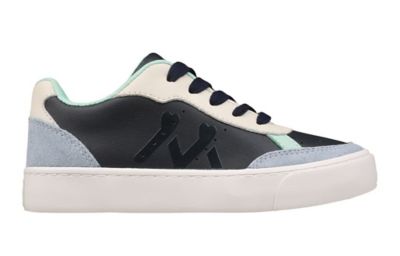
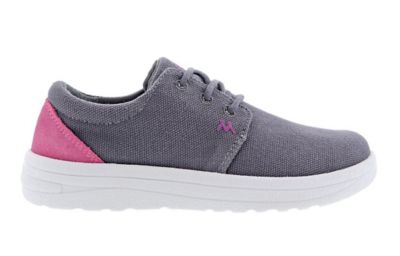
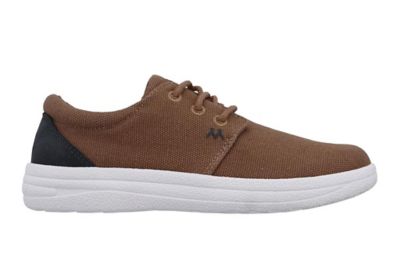
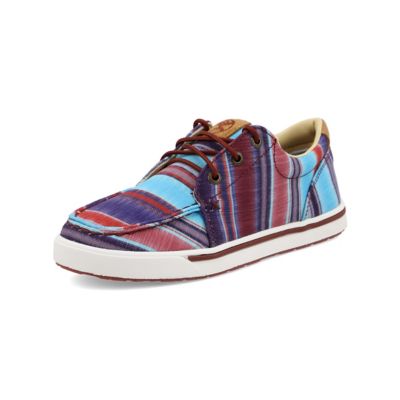
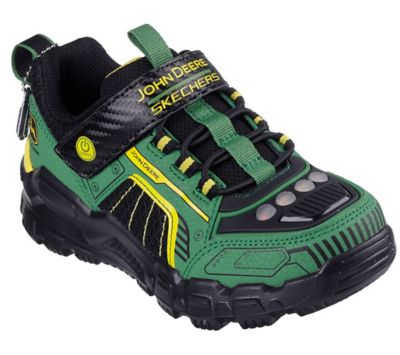
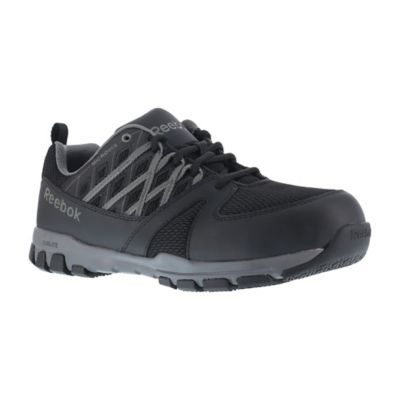
Kids' sneakers are everyday shoes for school, play and family outings, with styles ranging from flexible slip-ons to lace-up athletic shoes. A pair that feels comfortable through a classroom morning and an afternoon at the playground has a different job from footwear meant for a particular sport. Everyday sneakers generally balance cushioning, flexibility and a secure fit, while sport-specific shoes have construction suited to the movements and surfaces involved. For younger children, easy closures can make getting out the door a little less of a scramble. Hook-and-loop straps open wide for small feet, elastic laces cut down on tying, and pull tabs give little hands something to grab. Traditional laces let older kids adjust the fit across the top of the foot, though loose ends need to stay tied and clear of moving bike parts. Slip-on sneakers offer another simple option, provided the heel stays put instead of sliding with every step. Materials make a difference in how the shoes feel, too. Mesh panels allow airflow, canvas has a flexible fabric feel, and leather or synthetic overlays can add structure around areas that take repeated scuffs. Suede has a soft, textured finish but takes different care than smooth surfaces. An upper that combines materials may put breathable fabric across the forefoot and stronger overlays around the toe and heel. Inside, smooth linings and cushioned collars can help limit rubbing during a long school day. Low-top sneakers leave the ankle area open, while higher collars provide more coverage; collar height alone does not tell the whole story about fit or support. Colors and patterns give kids a say in what they wear, whether they lean toward bright accents or something that goes with nearly everything in the dresser. That little bit of choice can matter when a child is learning to put shoes on without help.
Fit matters more than the number printed inside a pair of kids' sneakers. Infant, toddler, little-kid and big-kid sizing can overlap, and sizing conventions vary between makers, so the size chart for the shoe is a better reference than age alone. Measuring both feet while the child stands helps account for differences between the left and right foot. The larger foot should guide the fit, with enough space for toes to spread naturally and roughly a thumb's width between the longest toe and the front of the shoe. That space is for comfortable movement and a little growth, not a reason to size up several steps. Shoes that are too long may slide at the heel or catch at the toe, while shoes that are too narrow can squeeze even when the length seems right. Width options can make a real difference for children whose feet feel pinched across the ball or loose through the middle. Trying sneakers with the socks the child normally wears gives a more useful picture of the fit. Once fastened, the shoes should stay secure through a short walk without forcing the toes to grip to hold them on. A few steps, a squat and a gentle rise onto the toes can reveal slipping or pressure that is easy to miss while sitting. Underfoot, foam cushioning softens the feel of each step, but a very thick sole is not automatically the best match for every child. Younger walkers benefit from shoes that bend where the foot bends rather than feeling stiff from heel to toe. Rubber outsoles and tread patterns affect grip and wear, while reinforced toe areas can help handle playground scuffs. Non-marking soles may matter for school gym requirements. For family walks beyond paved sidewalks,
Outdoor Sneakers offer another footwear category to consider, with attention to the sole and intended terrain.
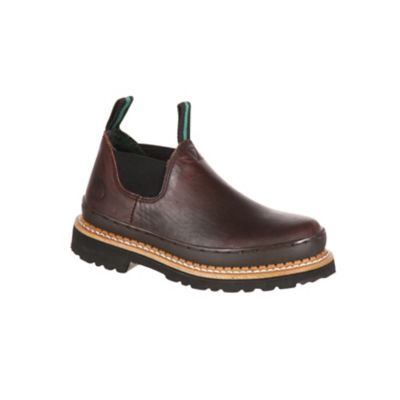
The right kids' sneakers also need to fit the child's routine. A pair worn mostly in classrooms and on smooth floors faces different wear than one that travels across playground mulch, gravel lanes and park paths. Toe overlays, reinforced stitching and rubber coverage in high-contact areas are construction details worth noticing for children who tend to scrape the fronts of their shoes. Deep tread is not necessary for every setting, and a sole that works well on a sidewalk may not suit a gym floor or a particular sport. Sneakers are not a substitute for protective work footwear around farm equipment or tasks that call for toe protection. For everyday wear, a quick check inside the shoe can catch a folded insole, rough seam or trapped bit of grit before it becomes an irritation. Care depends on the materials: loose dirt can often be brushed away, while a soft cloth and mild cleaner may suit certain uppers. Leather, suede and fabric can each need a different approach, and machine washing is appropriate only when the maker's care directions allow it. Insoles and laces may have separate cleaning instructions. Letting shoes dry fully away from direct heat helps protect their shape and the materials that hold them together. Cracked soles, worn-smooth tread, torn linings and a heel that no longer holds its shape are signs to take a closer look at whether a pair still fits its job. Children's feet can grow before the outside of a shoe looks worn out, so checking toe room regularly is worthwhile. Sneakers can also make a practical birthday gift for a grandchild, niece or nephew, especially when the child's current measurements, preferred closure and favorite colors are known. A pair that matches the child's feet and everyday activities is more useful than choosing by appearance alone, whether the day holds classroom time, a playground stop or a walk down the lane with family.