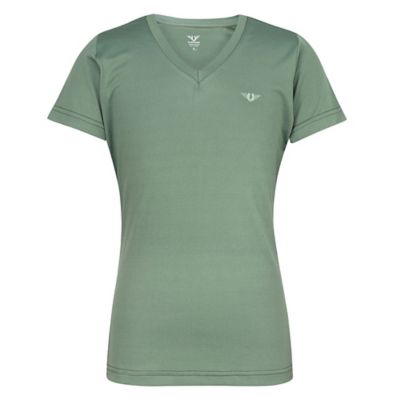
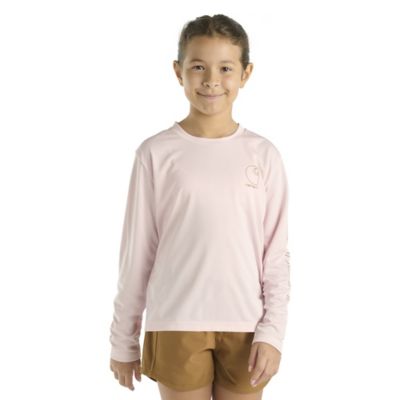
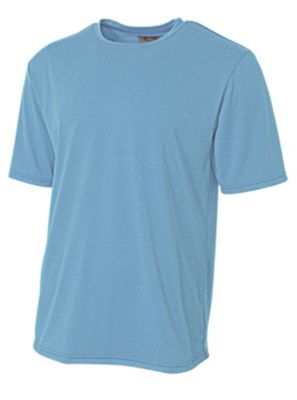
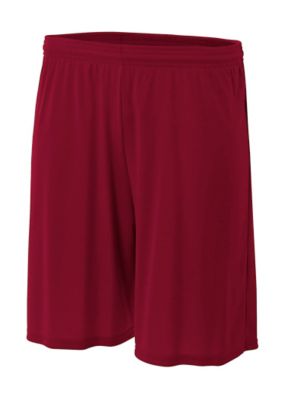
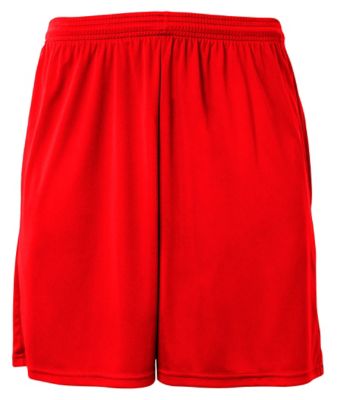
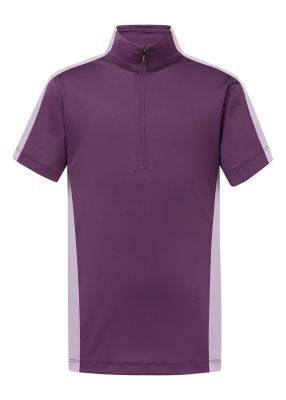
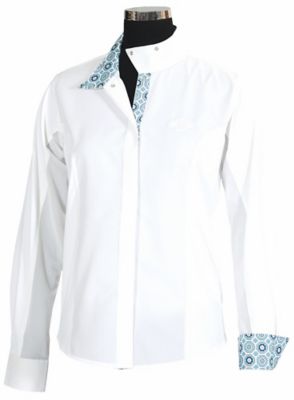
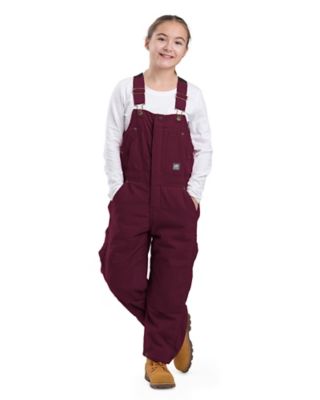
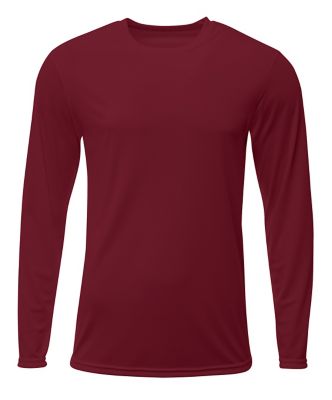
Children's athletic apparel is clothing made for movement during sports, physical education, practice, and everyday active play. It covers the comfortable basics kids reach for when there’s a relay race at school, a basketball game in the driveway, or a whole afternoon of running around the yard. Athletic tops, shorts, leggings, and pants serve different purposes, but they share a common job: letting children bend, stretch, run, and sit without clothing getting in the way. A child learning to dribble needs room to reach and turn, while one working through floor exercises needs fabric that moves easily at the knees and hips. Materials make a noticeable difference in how that clothing feels through a busy day. Cotton offers a soft feel that suits casual activity and everyday wear, although it tends to hold moisture longer than many synthetic fabrics. Polyester and nylon are common in athletic clothing because they can be lightweight and dry relatively quickly. Blends containing spandex add stretch, helping fabric follow movement and return toward its original shape. Moisture-wicking construction helps move perspiration away from the skin so it can evaporate, while breathable fabrics allow air to pass through. Those features can matter during repeated sprints, a lively game of tag, or a packed gym class. Fabric weight matters, too: a light knit may feel less cumbersome during running, while a more substantial knit can provide coverage and a comfortable feel for stretching or floor work. Smooth interior surfaces, soft necklines, and seams positioned away from high-friction spots can make a difference for children who notice every scratchy edge. No single fabric suits every activity or every child. Some prefer the familiar feel of cotton, while others favor a slicker stretch blend. The right balance depends on how the clothing will be worn, how much movement the activity involves, and what feels comfortable enough that a child can focus on playing instead of tugging at a sleeve.
Fit is about more than the number on a tag. Children's athletic clothing needs enough room for movement without loose fabric bunching up or catching underfoot. Size charts based on body measurements offer a better starting point than age alone, since children of the same age can have very different builds. Chest, waist, hip, and height measurements help narrow the fit, and garment measurements can add context when they are provided. A comfortable waistband stays in place through a squat or a quick dash without digging in when a child sits down. Sleeves should allow an easy overhead reach, and shoulder seams should not pull tightly when arms extend forward. Through the seat and thighs, enough room for lunges and climbing helps prevent constant readjusting. Pants that puddle around the feet or shorts that need hitching up between every play can interrupt an otherwise good afternoon. Buying room to grow makes sense only when the clothing still fits safely and comfortably today. Stretch can help accommodate movement, but it does not make an undersized garment fit properly. Different cuts also suit different activities. A closer fit can keep fabric from bunching during tumbling or stretching, while a relaxed fit may feel better for playground games and general exercise. Coverage matters during movement as much as it does while standing still; reaching, bending, and sitting can reveal whether a neckline, rise, or hem works for the child wearing it. Waistbands that lie flat, cuffs that stay put, and pockets that do not flap or rub all contribute to everyday comfort. School dress requirements and team rules may also shape the choice, especially where certain lengths, colors, or fits are expected. Athletic apparel is not a substitute for sport-specific protective equipment. For children who move from the classroom to the playground to practice, comfortable pieces that work together make those transitions simpler, without requiring an entirely different outfit for every stop.
Repeated wear and laundering are part of life with children's sports clothing, so construction and care deserve a close look alongside fabric and fit. Reinforced stitching at stress points, neatly finished seams, and elastic that returns to shape can help clothing stand up to regular movement. Knees, seats, underarms, and waistbands often take the most rubbing and pulling, whether a child is sliding across a gym floor or sitting cross-legged after practice. Closely knit fabrics may resist snagging better than open constructions, though no athletic fabric is immune to rough surfaces or sharp edges. Care labels give the clearest direction for washing and drying a particular garment. Many stretch fabrics benefit from gentle handling and lower drying temperatures when the label permits, since excessive heat can affect elastic fibers and printed details. Fabric softener can interfere with the performance of some moisture-managing finishes, making label instructions especially useful for athletic wear. Prompt attention to grass marks and dirt can help keep stains from setting, and clothing should be fully dry before it goes back into a drawer or gym bag. A simple rotation of easy-to-pair pieces can make school mornings and practice days less of a scramble. Children who have a say in colors and fit may also be more willing to wear the clothing picked for them, especially when comfort preferences run strong. As a birthday gift, athletic apparel can suit a child who loves recess, is starting a sport, or seems happiest when there’s room to run. Knowing the child’s measurements and usual activities makes that choice more personal than relying on age alone. For days that include trail walks, camping, or other adventures beyond the playing field,
Children's Outdoor Apparel offers another clothing category to consider. Athletic clothing earns its place through a straightforward mix of comfortable movement, sensible coverage, and manageable care—the things that matter when a kid has more playing to do.