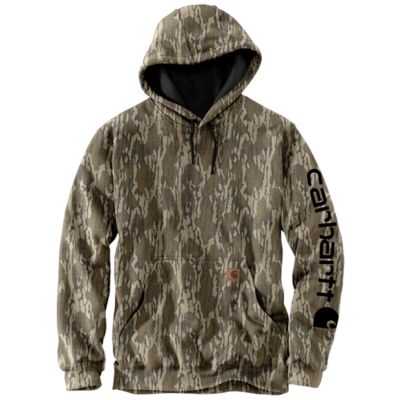
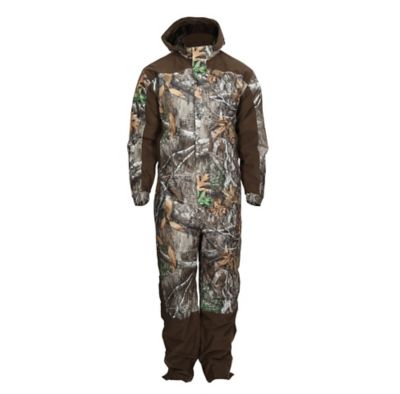
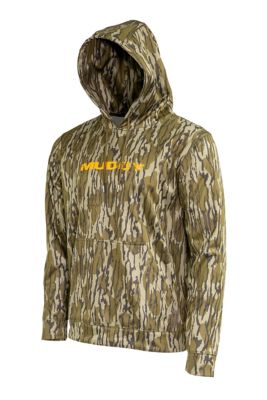
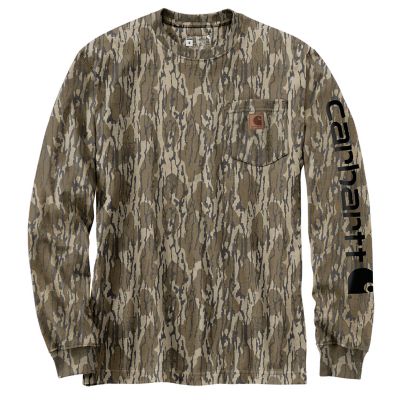
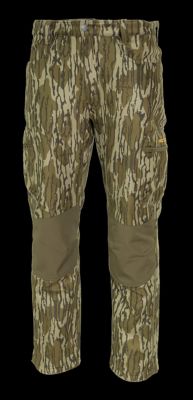
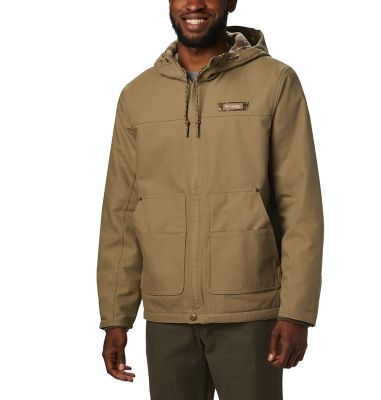
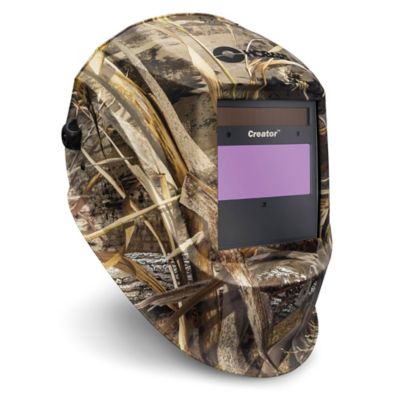
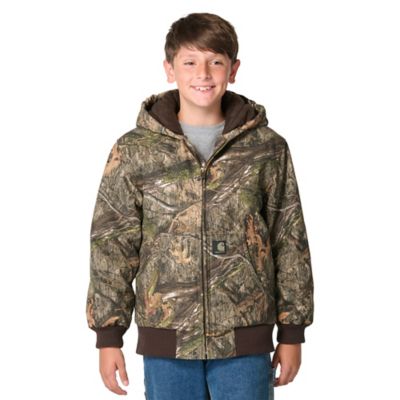
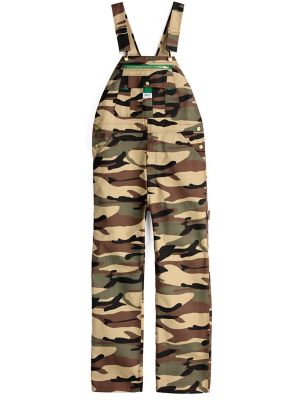
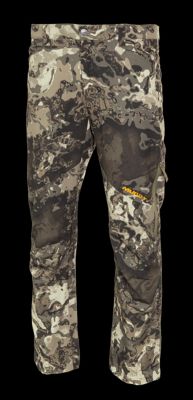
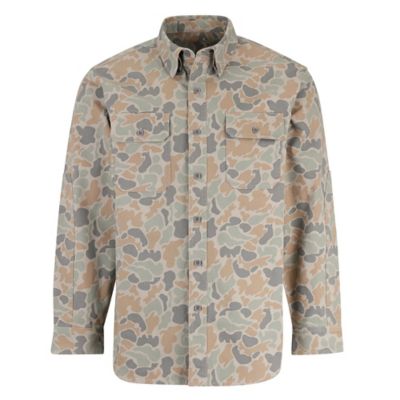
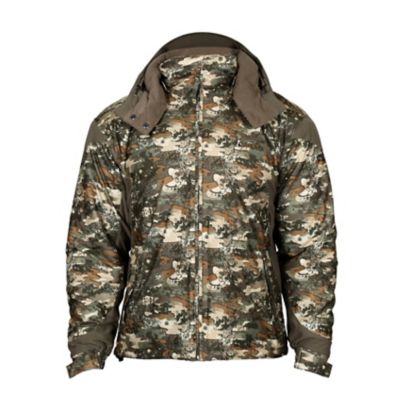
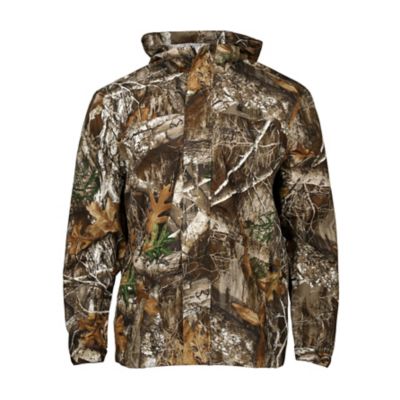
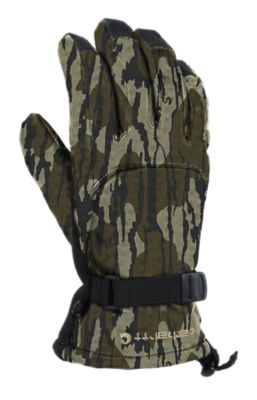
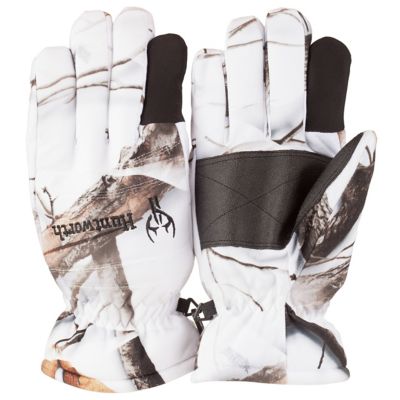
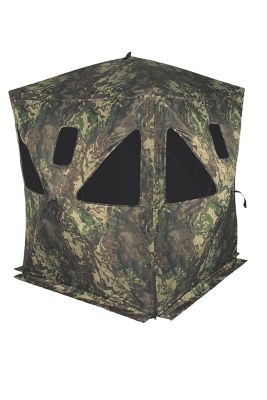
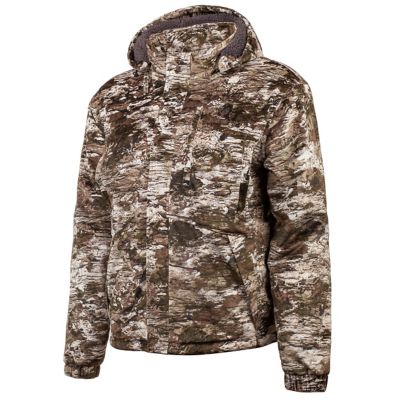
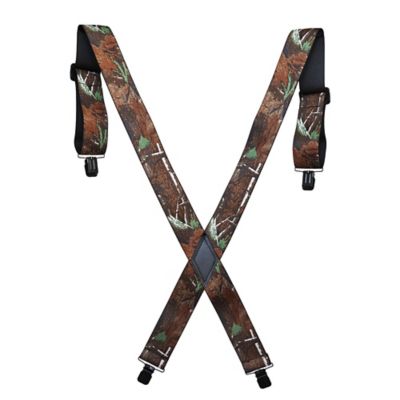
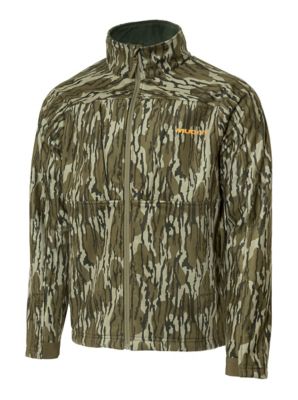
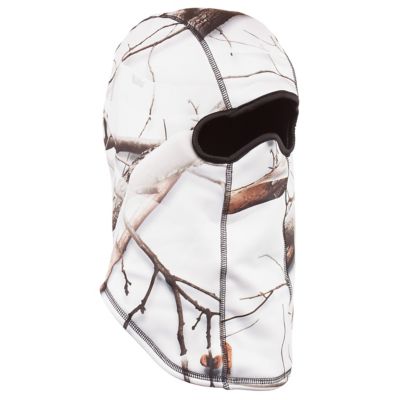
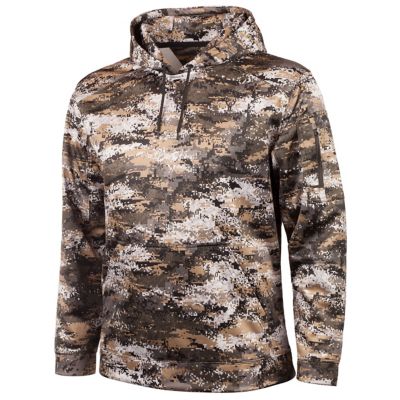
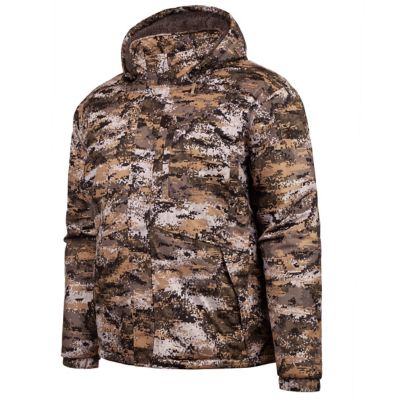
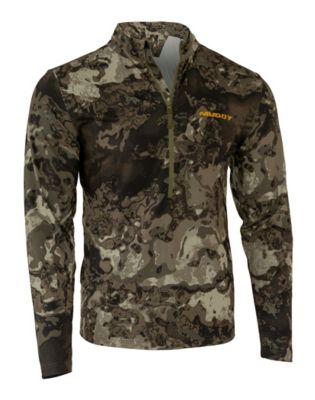
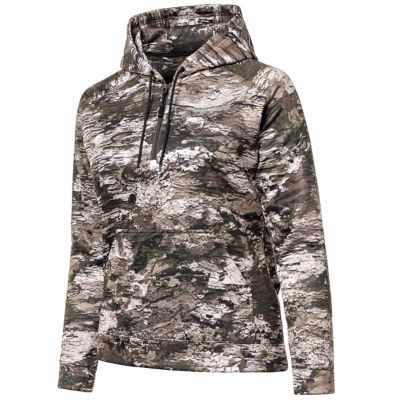
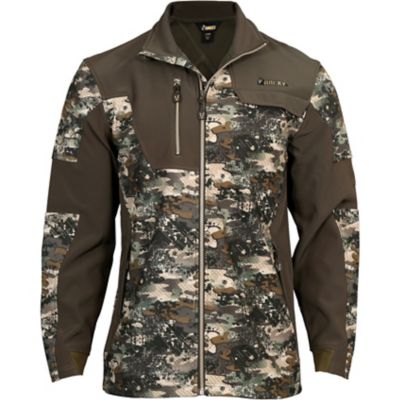
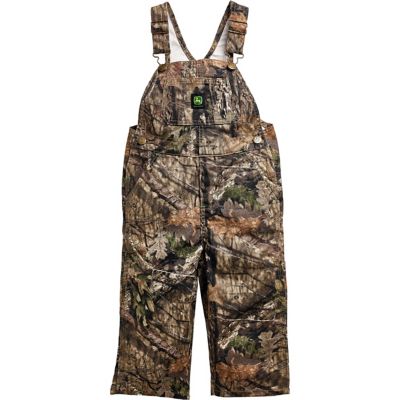
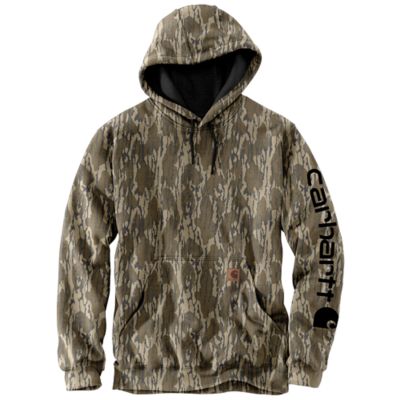
Camo gear is made for folks who spend time outdoors, work around the farm, or simply like the rugged look of camouflage in everyday wear. Depending on the design and materials, it can help hunters blend into wooded cover, brush, open fields, or other natural surroundings, while also providing useful protection from wind, light rain, cold mornings, and rough conditions. Camo clothing may include lightweight shirts and pants for warm weather, insulated jackets and bibs for cooler outings, vests with handy storage, hats, gloves, and layers that can be worn together as conditions change. When choosing gear, start with the setting where it will be used. Woodland patterns with leafy or bark-like details generally suit timber and thick cover, while open-field patterns with muted grasses and softer earth tones may fit prairie, pasture, or field edges. Snow patterns are intended for bright winter landscapes and may not be the right choice during the warmer part of the year. A well-matched pattern can help break up a person’s outline, but camouflage works best when paired with careful movement, sensible positioning, and awareness of the surrounding terrain. Look for clothing that fits comfortably without hanging loose enough to snag on limbs or equipment. Room for a base layer is helpful during the cooler months, while lighter, breathable garments are more comfortable as the weather warms. Brushed fleece and other quiet fabrics can help reduce the swish of clothing when walking through cover, sitting in a blind, or adjusting your position in a tree stand. Moisture-wicking materials move sweat away from the skin during a long hike, and soft-shell fabrics can offer a useful balance of stretch, wind resistance, and light weather protection. For wet conditions, consider waterproof or water-resistant construction, sealed seams, protective hoods, and cuffs that help keep rain from running inside sleeves. Insulated layers are handy when temperatures drop, but they should still allow enough freedom of movement for climbing, carrying gear, or handling tools. Pay attention to pockets, zippers, and closures, too. Secure storage helps keep a phone, license, calls, gloves, or other small essentials close at hand, while reinforced areas can add durability where fabric sees the most wear.
Camo gear is often selected for hunting, but its usefulness reaches well beyond the blind or tree stand. Hunters may use quiet jackets, pants, vests, and base layers to stay comfortable during long hours outdoors, whether they are walking a fence line, scouting a property, sitting near a field edge, or tracking through timber. A good layering system makes it easier to respond to changing conditions: start with a moisture-wicking base, add a warm midlayer when needed, and finish with an outer layer that blocks wind or rain. In warmer weather, lightweight camo shirts and breathable pants can provide coverage from sun, brush, and insects without feeling heavy. During cooler months, insulated outerwear, fleece-lined garments, warm headwear, and gloves can make an early start much more manageable. Camo clothing is also a practical choice for farm and ranch work, outdoor maintenance, camping, hiking, fishing, wildlife photography, and other activities where durable fabric and useful pockets matter. Many people enjoy the pattern as casual workwear, pairing camouflage pants, hooded layers, or relaxed shirts with sturdy boots and everyday basics. Fit and comfort matter just as much for casual use as they do in the field. Check waist adjustability, inseam length, sleeve coverage, and the way a garment moves when bending, kneeling, climbing, or sitting. If the gear is a gift, think about the recipient’s favorite outdoor setting and the time of year they spend outside. A camo hat or lightweight shirt can be an easy choice for someone who enjoys warm-weather fishing or yard work, while a durable jacket, vest, or insulated layer may suit a hunter, camper, or working landowner who heads out before daylight. When in doubt, versatile earth-tone camo and layering-friendly pieces tend to work across several activities. For a broader look at clothing built specifically for time spent in the field, explore
Camo Hunting Clothes.
Before heading outdoors, take a few minutes to prepare the gear properly. Try on layers with the same base clothing you expect to wear, and make sure pockets remain accessible without restricting movement. Check that closures work smoothly, drawstrings are secured, and footwear leaves enough room for warm socks. A quiet fabric can still make noise if it rubs against a rough pack strap or stiff outer layer, so a quick test at home can help identify trouble before a long walk. Wash camouflage clothing according to the care label, using a detergent suitable for the material and avoiding products that may leave a strong scent or residue when scent control matters. Let garments dry completely before storing them, and keep them in a dry place away from moisture, pests, and direct heat. Inspect seams, snaps, zippers, and cuffs after demanding use, especially if the clothing has been pushed through briars, tall grass, or dense woods. Camo gear should support the way you spend time outside, whether that means staying concealed during a quiet hunt, keeping warm while checking livestock, carrying tools across a property, or adding a hard-working layer to an everyday wardrobe. With the right pattern, fabric, fit, and weather protection, camouflage clothing can be comfortable, durable, and ready for the changing conditions that come with long days outdoors.