Yard Entertainment Furniture 4th Of July Sale
Get your backyard ready for summer fun with the yard entertainment furniture 4th of July sale. Whether you’re hosting a big cookout or just relaxing with family, now’s the perfect time to upgrade your outdoor space. Find great deals on everything you need to kick back and enjoy those long, sunny days. Make this Independence Day one to remember with comfortable, stylish options that’ll have everyone wanting to stay a little longer.
$329
.99
Sale Was $399.99 Save $70.00 (18%)
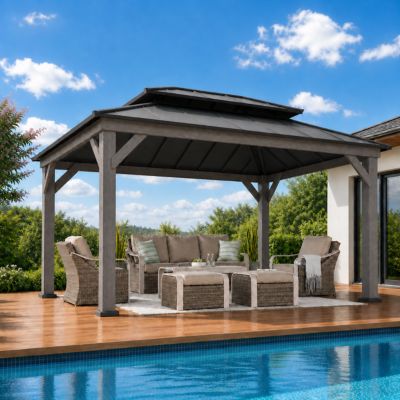
$1,699
.99
Sale Was $2,599.99 Save $900.00 (35%)
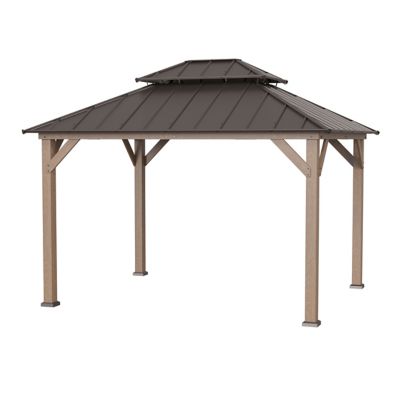
$1,615
.99
Sale Was $1,899.99 Save $284.00 (15%)
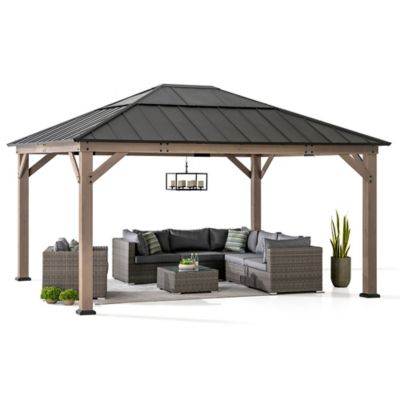
$899
.99
Sale Was $1,499.99 Save $600.00 (40%)
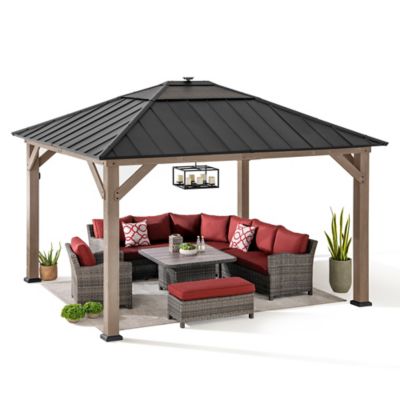
$899
.99
Sale Was $1,499.99 Save $600.00 (40%)
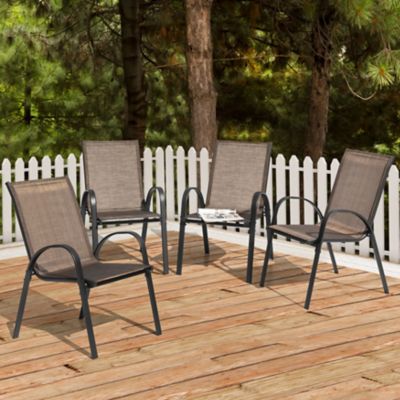
$91
.99
Sale Was $119.99 Save $28.00 (23%)

$263
.99
Sale Was $329.99 Save $66.00 (20%)
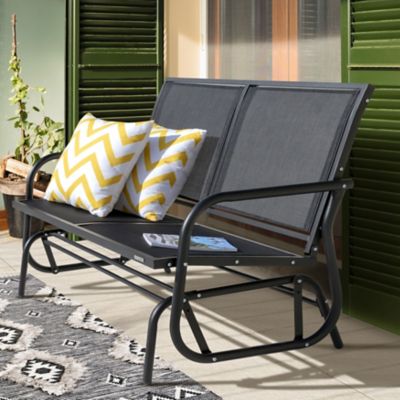
$93
.99
Sale Was $119.99 Save $26.00 (22%)
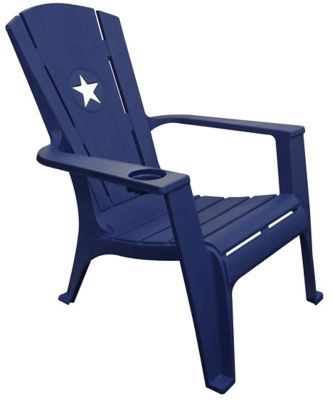
$12
.49
Sale Was $24.99 Save $12.50 (50%)
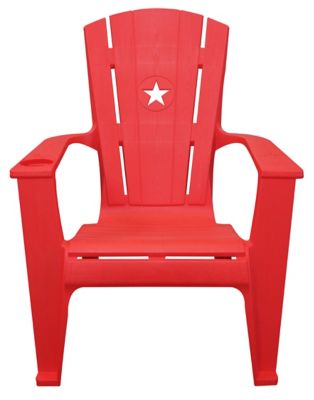
$12
.49
Sale Was $24.99 Save $12.50 (50%)
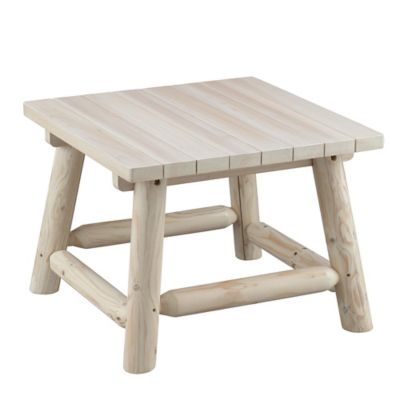
$34
.99
Sale Was $69.99 Save $35.00 (50%)
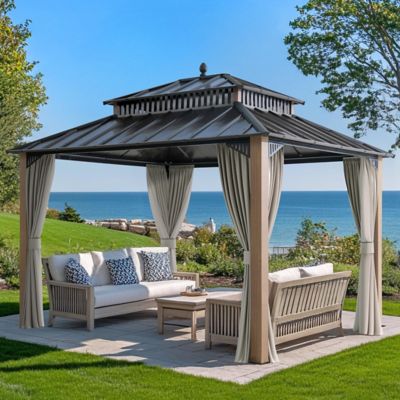
$901
.99
Sale Was $1,124.99 Save $223.00 (20%)
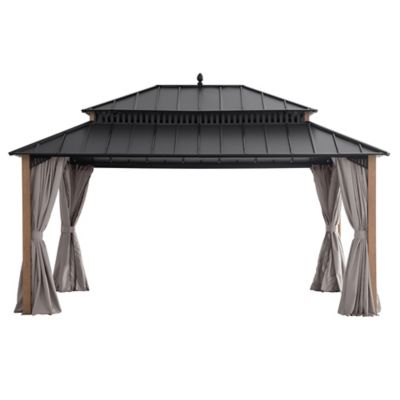
$1,021
.99
Sale Was $1,429.99 Save $408.00 (29%)
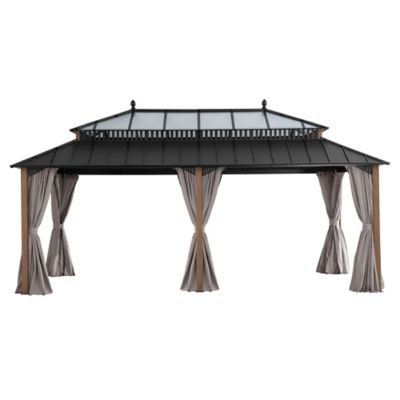
$1,457
.99
Sale Was $1,819.99 Save $362.00 (20%)
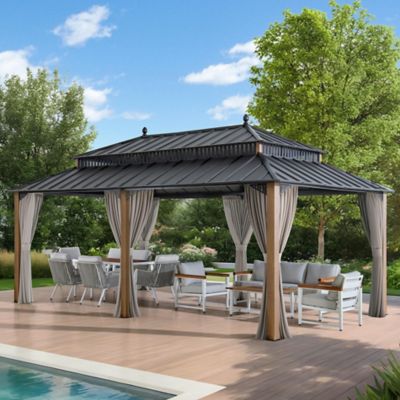
$1,354
.99
Sale Was $1,729.99 Save $375.00 (22%)
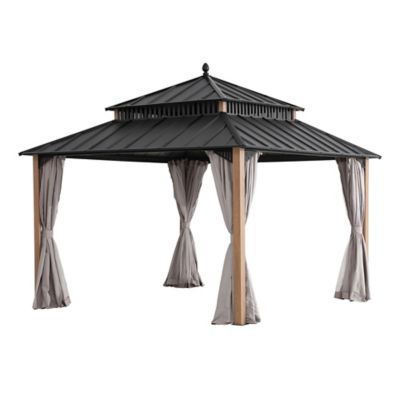
$981
.99
Sale Was $1,154.99 Save $173.00 (15%)
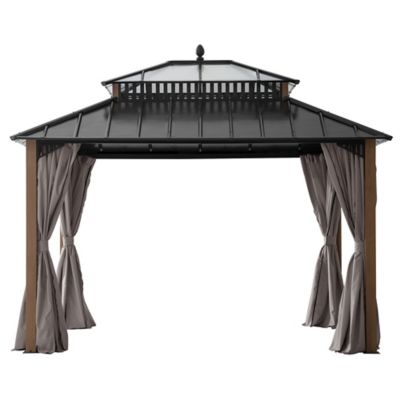
$901
.99
Sale Was $1,119.99 Save $218.00 (19%)
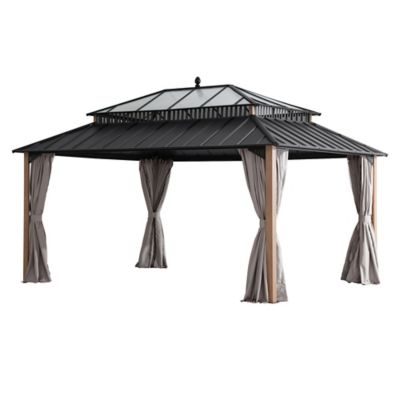
$1,190
.99
Sale Was $1,454.99 Save $264.00 (18%)
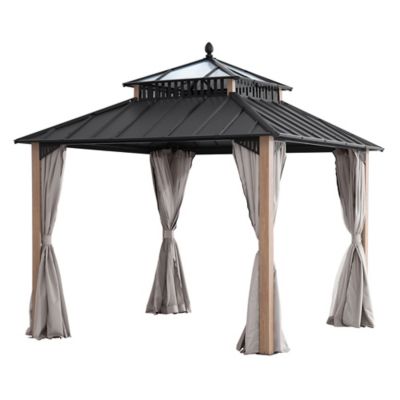
$779
.99
Sale Was $1,029.99 Save $250.00 (24%)
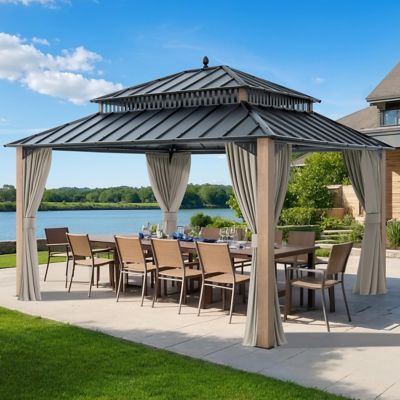
$1,072
.99
Sale Was $1,349.99 Save $277.00 (21%)
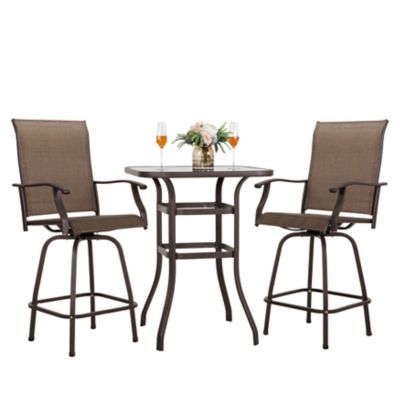
$217
.99
Sale Was $299.99 Save $82.00 (27%)
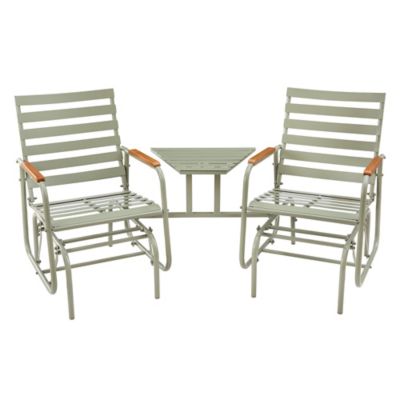
$149
.99
Sale Was $299.99 Save $150.00 (50%)
$138
.99
Sale Was $199.99 Save $61.00 (31%)
$1,006
.99
Sale Was $1,389.99 Save $383.00 (28%)
Best Of FAQ
What types of yard entertainment furniture are popular for Fourth of July gatherings?
Popular yard entertainment furniture for Fourth of July celebrations includes outdoor dining sets, lounge chairs, patio umbrellas, fire pits, and portable seating options. These pieces help create comfortable and festive spaces for guests to relax and enjoy the holiday.
How can I choose the right outdoor furniture for hosting a Fourth of July party?
When selecting outdoor furniture for a Fourth of July party, consider the number of guests, available space, and desired activities. Look for materials that hold up well outdoors and opt for versatile pieces like foldable chairs or extendable tables to accommodate different group sizes.
What features should I look for in yard entertainment furniture for summer events?
Key features to look for include weather-resistant materials, easy-to-clean surfaces, comfortable cushions, and lightweight designs for easy rearrangement. Additional features like built-in cup holders or storage compartments can also enhance convenience during summer gatherings.
How can I create a festive atmosphere with my outdoor furniture during the Fourth of July?
To create a festive atmosphere, decorate your yard entertainment furniture with patriotic-themed cushions, tablecloths, and string lights. Arrange seating to encourage conversation and add accessories like outdoor rugs or side tables to complete the look.
Are there specific maintenance tips for keeping yard entertainment furniture looking great throughout summer?
Regularly clean your outdoor furniture with mild soap and water to remove dirt and debris. Store cushions when not in use to prevent fading, and cover or move furniture indoors during harsh weather to extend its lifespan.
Best Sellers
-
"Had an issue with table not being delivered, but customer service was great and I received next day"
-
"Love these tables .Made well and perfect size"
-
"Price and value for the money was great. Highly recommend"
-
"Great Chairs we love them"
-
"Great product would definitely recommend to any others"