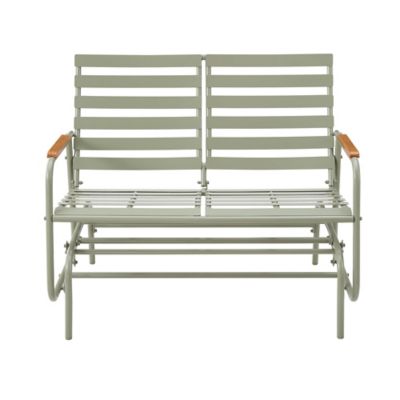
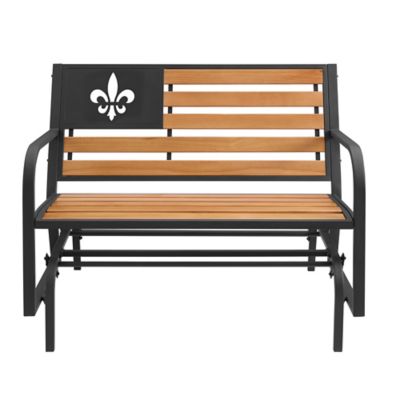
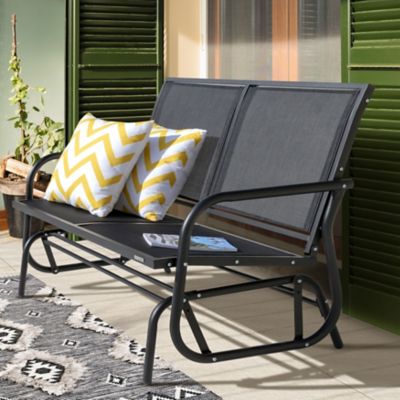
Patio outdoor bench seating gives family and friends a shared place to sit, whether the gathering is a Fourth of July cookout, a backyard meal or a little time together on the porch. A bench can tuck along the edge of a patio, face a garden path or sit near an outdoor table without the separate footprint of several chairs. That makes it a practical choice for a farmhouse porch, a small paved courtyard or a roomy backyard gathering spot. The right fit depends on more than how much wall or fence space is open. Overall width, seat depth, back height and the room around the bench all affect how comfortably it fits into everyday life. A narrow porch still needs a clear walkway for someone carrying a serving tray, while a bench near a door needs enough clearance for the door to swing freely. Seating capacity and weight limits matter, too; a long seat does not automatically mean there is room or support for every guest who wants to squeeze in. The stated capacity should match the intended number of people, including their combined weight. A backrest offers support for lingering over conversation, while a backless bench can keep sightlines open and make seating accessible from either side. Armrests give the ends a more defined feel and may help someone steady themselves when sitting down or standing up, though they also reduce the open length of the seat. Seat height deserves attention when the bench will share space with a dining table, and enough room between the seat and tabletop helps guests sit without feeling crowded. For a standalone bench, the focus is a comfortable position with feet resting naturally on the ground. On a porch where work boots, kids and visiting neighbors all pass through, a steady base and clear walking space count for just as much as appearance.
Materials shape the feel of an outdoor bench, along with its weight, upkeep and ability to handle exposure. Wood brings visible grain and a familiar look that suits porches, garden edges and outdoor dining areas. Different wood species respond differently to moisture and sunlight, and the finish can affect whether the surface keeps its original color or develops a weathered appearance. Care may involve cleaning, checking fasteners and renewing a protective finish according to the manufacturer’s directions. Metal benches can have slim, open frames or more substantial construction, with the type of metal and its coating influencing weight and resistance to rust or corrosion. Steel generally brings more heft than aluminum, which can matter when deciding whether a bench will stay in one spot or move around for gatherings. Scratches in a protective coating deserve attention, particularly around joints and places where water can collect. Resin and plastic seating can offer straightforward cleaning, but suitability for outdoor exposure still depends on the material, construction and manufacturer’s specifications. Sun exposure can affect color and surface condition, so an outdoor rating is worth checking rather than assuming every bench can remain uncovered. Seat design matters across all these materials. Slats or drainage openings can help water escape, while recessed areas may need a little extra attention after rain. A smooth seat edge is easier on bare legs, and accessible joints make routine checks less of a chore. Stable placement also helps protect the bench and the people sitting on it. A level patio or firm porch floor provides a better base than soft soil or uneven gravel, where feet can settle at different heights. Cleaning methods should suit the surface; a gentle wash may be appropriate where harsh chemicals or high-pressure spraying could harm a finish. Covers and sheltered storage can reduce exposure when the bench is not in service, provided the bench is dry and the covering allows appropriate ventilation.
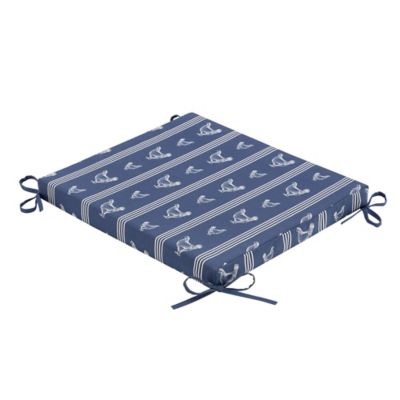
Comfort and placement turn a bench from extra seating into a spot people naturally settle into. A seat cushion can soften a firm surface, but its length, depth and thickness should fit the bench without hanging into a walkway or making the sitting position awkward. Outdoor cushion fabrics and fills differ in how they handle moisture, sunlight and cleaning, and removable covers can make spills from a cookout easier to manage. Cushions still need care; allowing them to dry thoroughly and bringing them into a sheltered space when appropriate helps keep the seating area ready for another gathering. For Fourth of July get-togethers, benches work well along the edge of a conversation area or beside an outdoor table where guests can sit together over burgers, corn on the cob and a cold drink. Seating should stay clear of grills, hot surfaces and the route between the kitchen and serving area. A bench facing the yard gives adults a place to chat while keeping outdoor activities in view, while one near the porch entrance offers a handy spot to pause or take off muddy boots. For gathering spaces that call for a broader mix of seating, explore
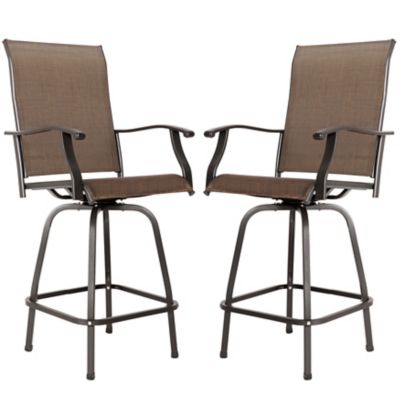
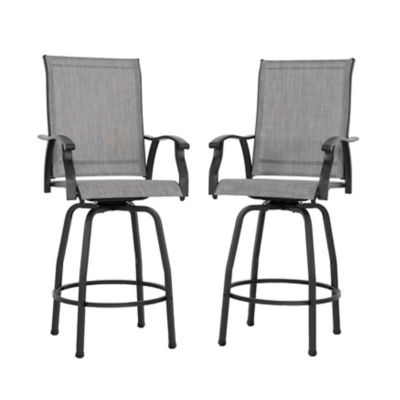
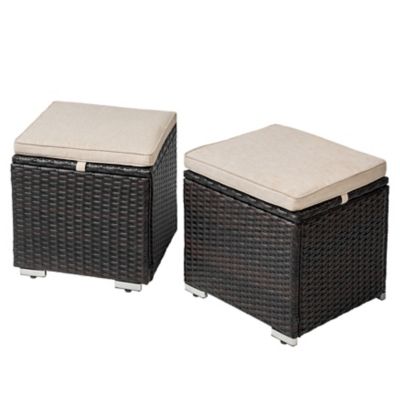
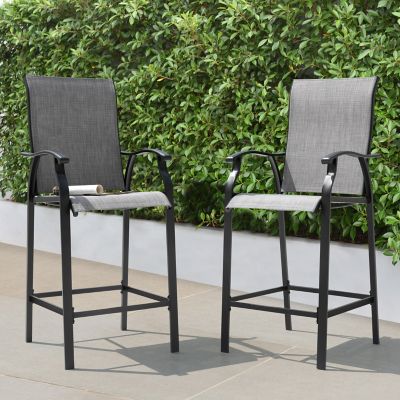
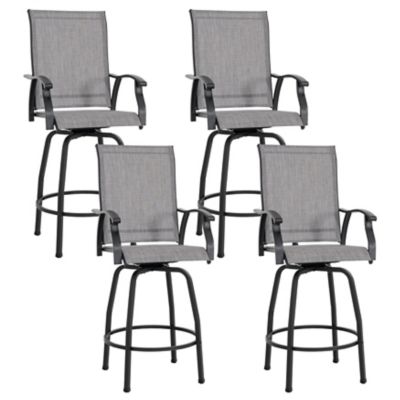
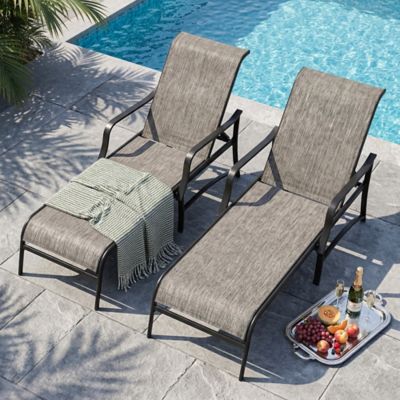
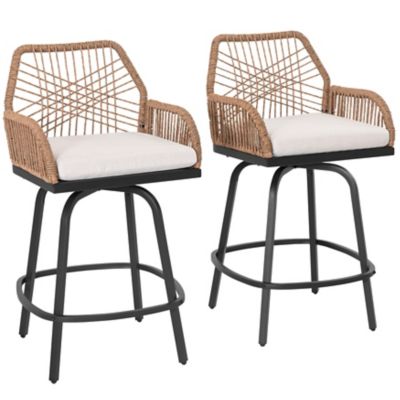
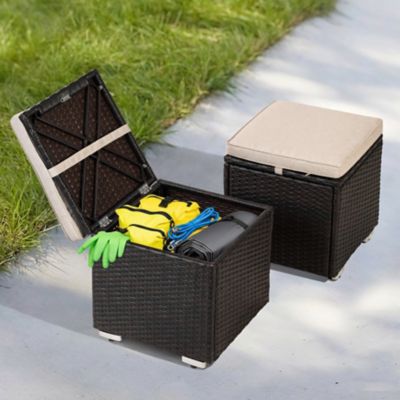
4th of July Sale on Patio Outdoor Event Seating. A bench can anchor that larger arrangement without requiring every seat to match, especially when nearby chairs leave room for guests to move around and join the conversation. Households that host often may value a bench with supportive seating for longer visits, while a small household may prefer a simpler shape that leaves more open patio space. Outdoor seating can also make a thoughtful housewarming gift for someone settling into a place with a porch or backyard, as long as the dimensions, upkeep and intended setting suit the recipient. The best match is a bench that fits the space, feels comfortable for the people sitting on it and has care needs that fit the household’s routine.