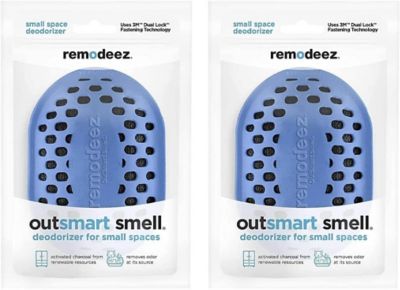
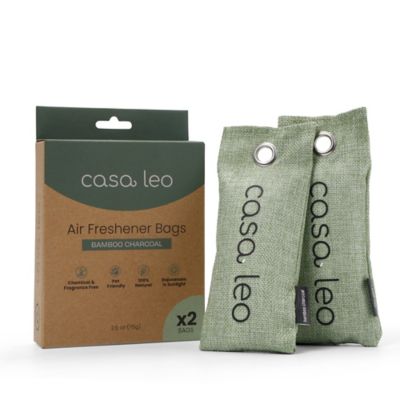
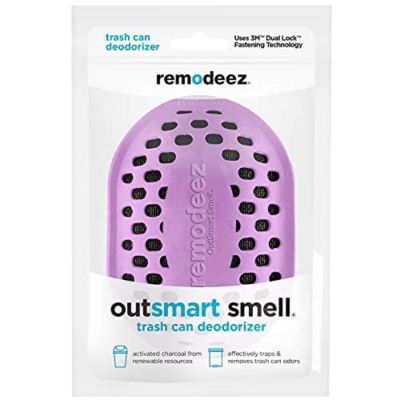
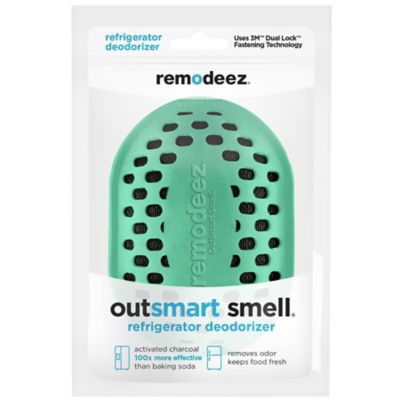
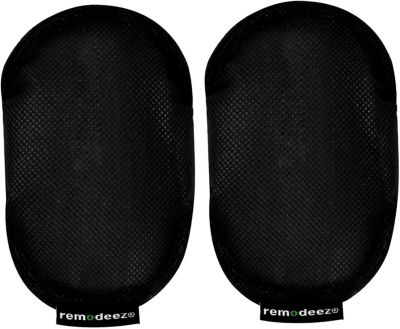
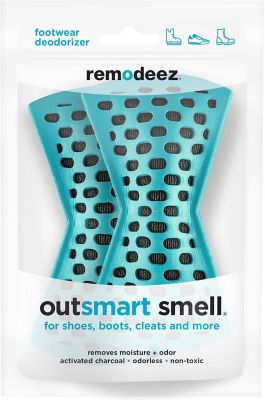
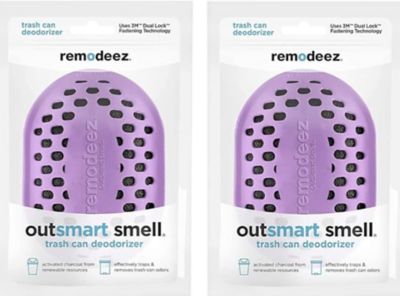
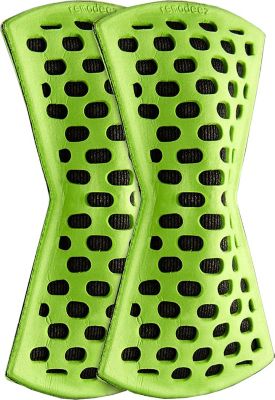
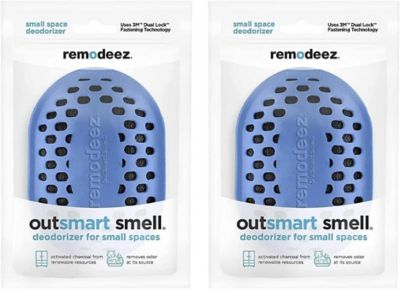
Charcoal odor absorbers help reduce unwanted smells by trapping certain airborne odor molecules in the pores of charcoal. Many contain activated charcoal, a form of carbon processed to create a large internal surface area where those molecules can collect. That process is called adsorption: molecules cling to a surface rather than simply disappearing or getting covered up by a stronger scent. Charcoal can come from bamboo, coconut shells, wood, and other carbon-rich materials, so the source and processing method can differ from one odor absorber to another. For households that would rather skip a strong air-freshener scent, a fragrance-free charcoal absorber offers a way to tackle lingering smells without adding another fragrance to the room. That makes these products a practical fit for boot closets, entryway cabinets, vehicles, and other small spaces where everyday odors tend to hang around. Think work boots tucked beneath a bench, a gym bag riding behind the truck seat, or a closet that stays shut most of the day. A contained charcoal pouch can sit nearby and work passively, with no outlet, fan, or spray required. Results depend on the type of odor, how much charcoal the absorber contains, air movement, and whether the source of the smell is still present. These are gradual odor-control products, not an instant fix for a strong spill or a heavily soiled surface. Depending on the material and conditions, charcoal may also take up a limited amount of moisture, but a charcoal odor absorber is not a replacement for ventilation, leak repairs, or a dehumidifier. Its main job is helping manage certain lingering odors in the space around it. Charcoal also does not capture every kind of gas equally well. A pouch that helps with stale shoe odors should not be expected to handle fumes, smoke, or a persistent chemical smell. Those differences matter when matching an absorber to the job, especially in a home where chores, animals, and work gear all meet at the back door.
Size, shape, and placement make a real difference when choosing charcoal odor absorbers for everyday spaces. Small pouches can fit into shoes, drawers, and narrow storage compartments, while larger bags or containers may suit closets, mudrooms, or other enclosed areas. Package coverage guidance is a better starting point than the outside dimensions alone, since a large fabric bag does not necessarily tell much about the amount of charcoal inside. The amount of charcoal, its formulation, and the size of the space all affect performance. A single small pouch in a wide-open garage has a very different job from the same pouch inside a closed gear cabinet. For a household with several odor-prone spots, separate absorbers near each source can make more sense than placing one far away and expecting it to reach everything. Air needs to reach the charcoal, so breathable outer fabrics and open vent areas are important parts of the design. Cotton, linen, and other breathable materials may serve as pouch coverings, while rigid containers can help keep charcoal contained on a shelf. Sturdy stitching, secure seams, and a sound closure help keep fine particles where they belong, especially when a bag gets moved between a closet and a vehicle. Hanging loops can suit a closet rod or hook, while a flat-bottomed container may sit more neatly on a level surface. A pouch intended for shoes should fit without stretching the opening or interfering with the lining. In a vehicle, an absorber belongs where it cannot slide beneath the pedals or distract the driver. Around pets and children, placement should keep the contents out of reach; a breathable pouch is not a chew toy. Farm families, pet households, commuters, athletes, and anyone storing work clothes in tight quarters may find this kind of low-fuss odor control useful. The best match comes down to the space, the source of the smell, and how securely the absorber can stay in place.
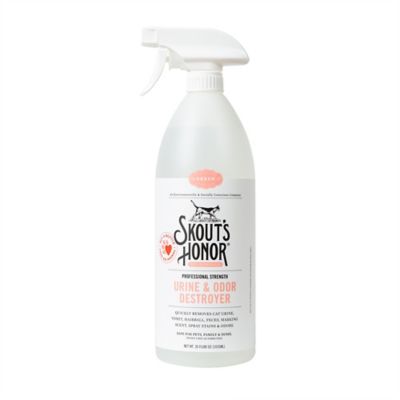
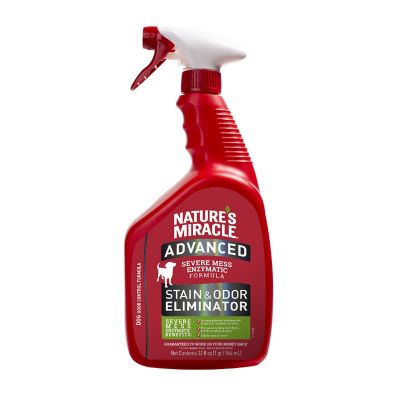
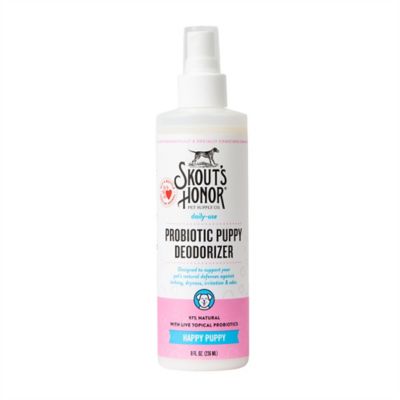
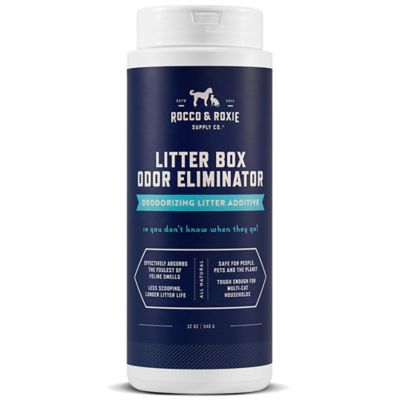
Care and replacement needs are worth considering alongside size and placement. Charcoal has a finite capacity to hold odor molecules, and an absorber can lose effectiveness as its adsorption sites fill. Some products have label directions for refreshing or maintaining the charcoal, while others call for replacement after a stated period. A claim that a bag can be refreshed does not mean every trapped substance will be removed or that the charcoal will last indefinitely. Follow the care directions for the particular construction, including whether the outer cover is removable or washable. Washing an entire charcoal-filled pouch can damage its contents or leave it damp, so a washable-looking fabric shell should not be taken as permission to put the whole thing in the laundry. Keeping the outside free of dust also helps preserve airflow through the covering. If charcoal particles escape, the pouch or container needs attention before it goes back near clothing, upholstery, or other surfaces that could stain. Everyday cleanup still does the heavy lifting: boots need a chance to dry, dirty gear needs cleaning, trash needs emptying, and pet accidents need treatment at the source. An absorber works best as a follow-up to those chores rather than a stand-in for them. A sour smell from a damp cabinet, for example, calls for finding the moisture problem, not simply adding more charcoal. Persistent sewage, fuel, electrical, or gas odors need prompt attention to their source rather than an odor-control product. For messes that call for surface cleaning or a different treatment, the broader range of
Odor Removers can help match the approach to the problem. Charcoal odor absorbers fill a particular role within that routine: quiet, passive help with certain lingering airborne smells in appropriately sized spaces. With sensible placement, intact coverings, and care that follows the label, they can be a straightforward addition to keeping the cab, closet, and gear corner smelling fresher without layering on a heavy scent.