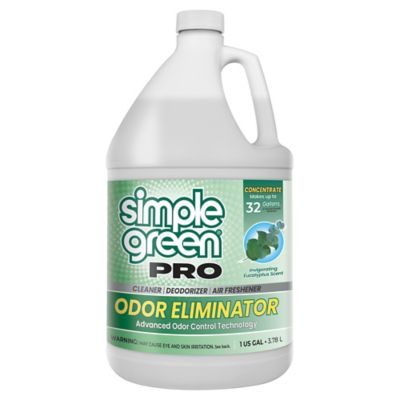
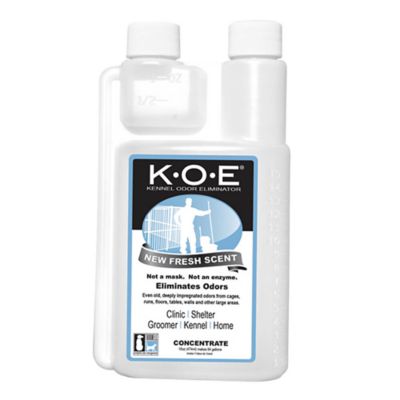
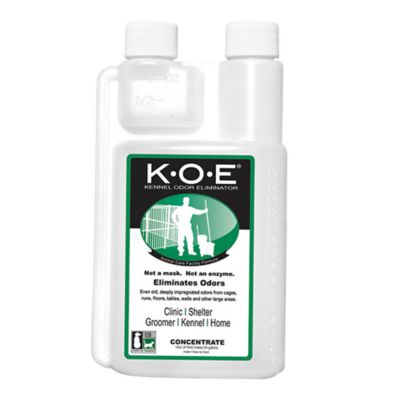
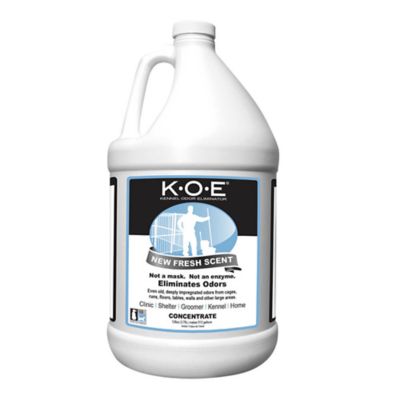
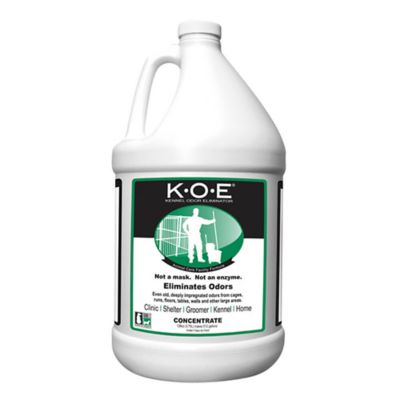
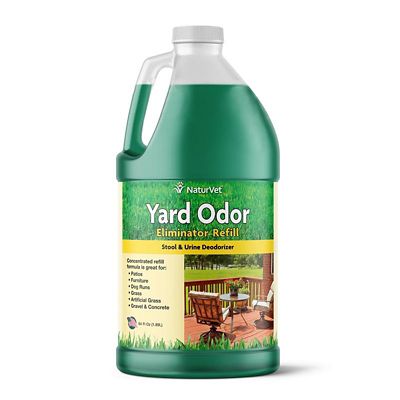
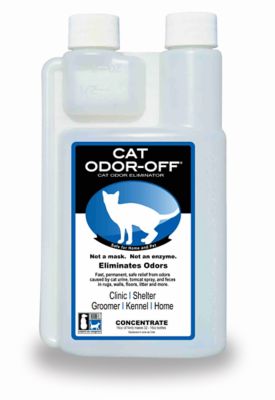
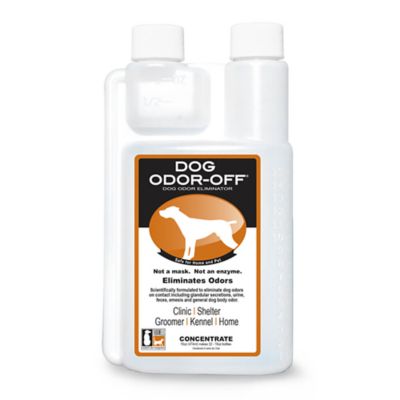
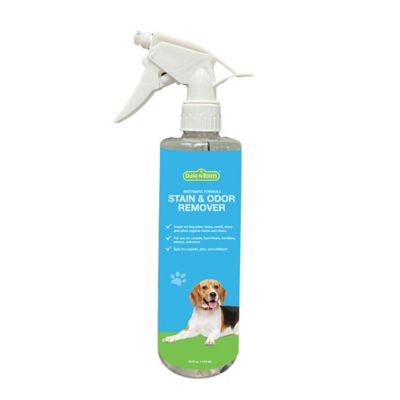
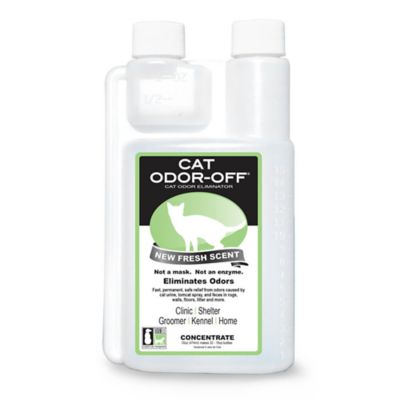
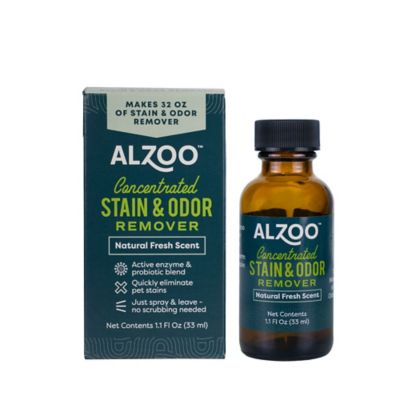
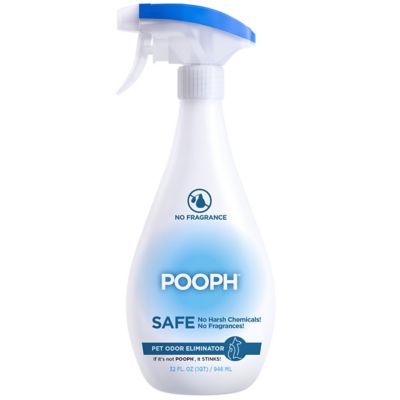
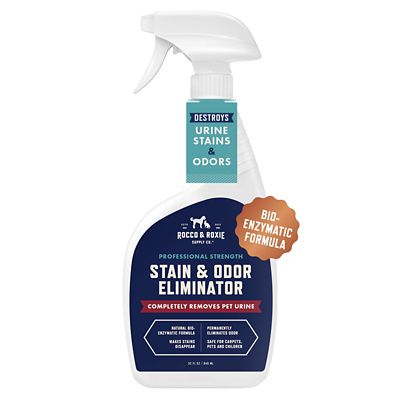
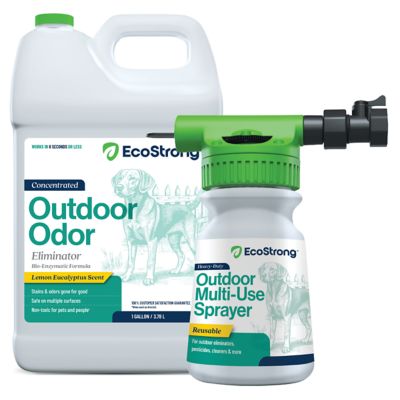
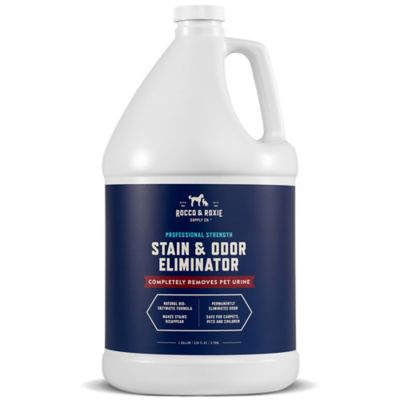
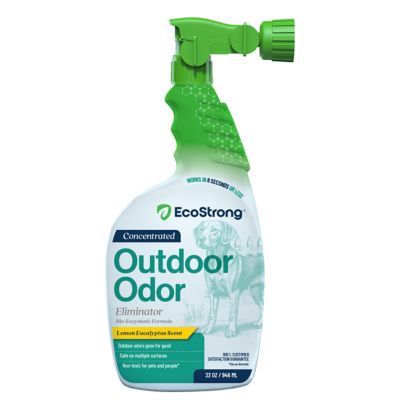
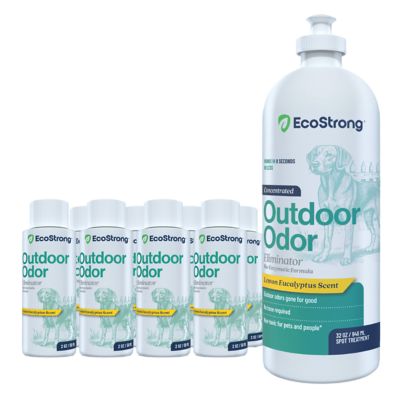
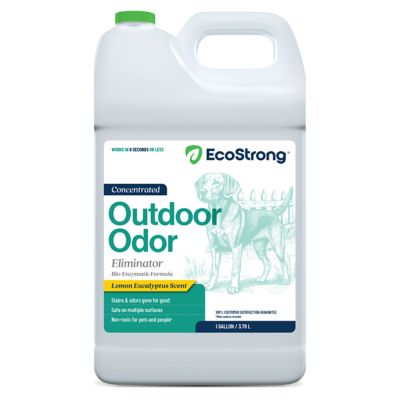
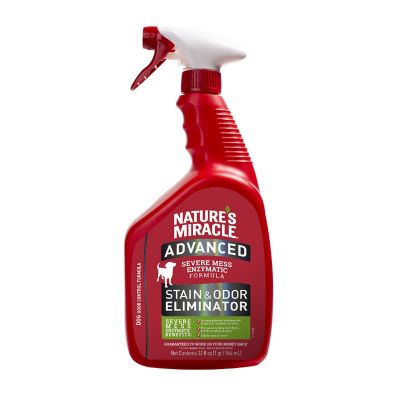
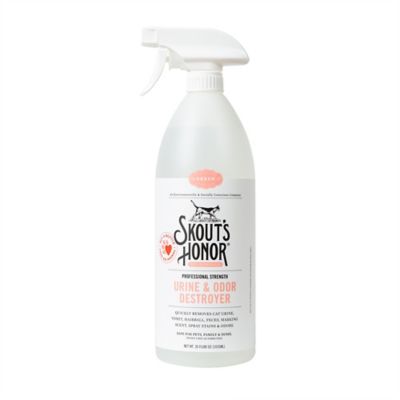
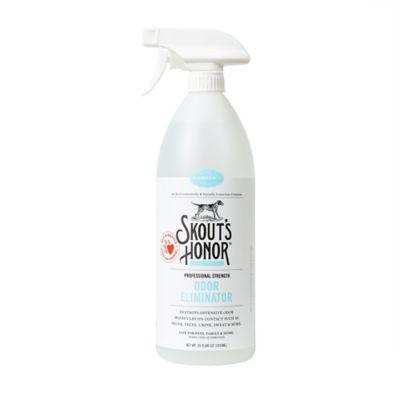
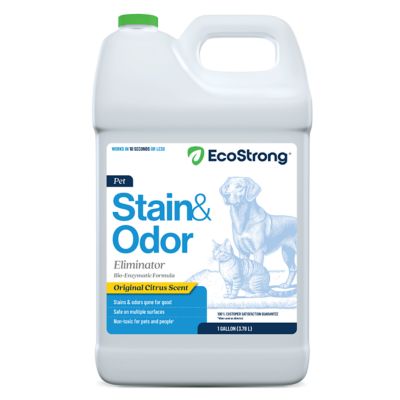
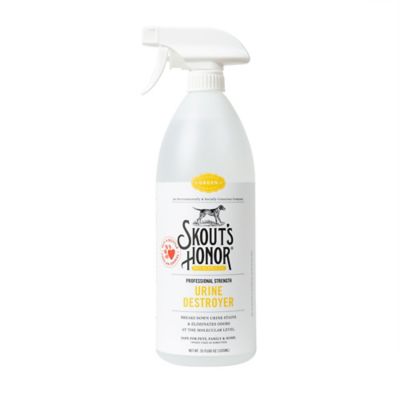
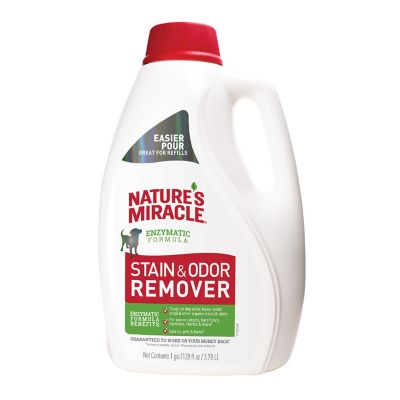
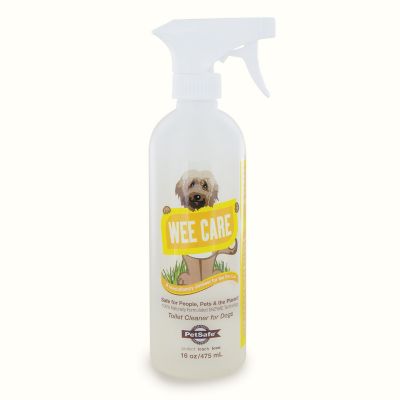
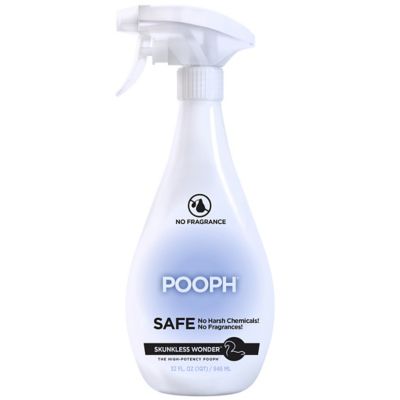
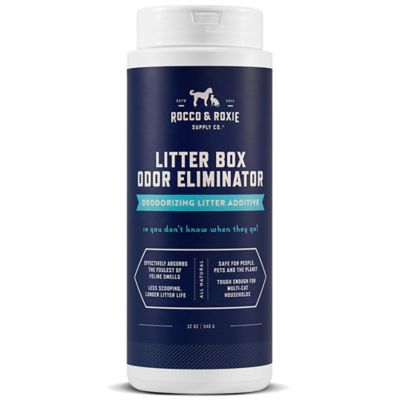
Kennel odor eliminators help control smells from urine, feces, and other pet messes in crates, kennel runs, and the spaces around them. The main difference between an odor eliminator and a scented spray is what happens to the source of the smell. Enzyme-based formulas help break down organic residue, while some other formulas neutralize or bind odor-causing compounds. Fragrance alone may cover a smell without removing what causes it, so the formula’s purpose matters more than how strong it smells when first applied. That distinction comes into play when a crate tray still smells after a quick wipe or a kennel floor carries a lingering urine odor even after visible messes are gone. For folks caring for a working dog, raising a puppy, managing several family pets, or looking after boarding dogs, odor control is part of keeping the space pleasant and ready for everyday life. Different formats suit different routines. Ready-to-spray formulas offer straightforward application around a single crate or a small accident area. Concentrates can make sense for larger runs and repeated floor cleaning, provided the mixing directions match the task. Some formulas focus on hard surfaces, while others also suit washable fabrics, carpet, or artificial turf. The right match depends on where the odor has settled, not just where the mess first appeared. Urine can reach floor seams, the underside of a removable tray, or the edges of a kennel mat, leaving a smell behind after the open surface looks clean. A product labeled for the material and type of mess gives the cleanup a better starting point. Scent preference matters, too. Fragrance-free and lightly scented options can suit shared household spaces, but scent strength does not establish whether a formula is appropriate around animals. Label directions, application requirements, and any restrictions for pets remain the deciding factors. For a busy kennel, easy-to-read mixing and surface directions also help keep the routine consistent from one cleanup to the next.
Surface compatibility is a big part of choosing a kennel odor eliminator. A molded plastic crate tray, a stainless steel enclosure, sealed concrete, and unfinished concrete do not absorb moisture or residue in the same way. Smooth, nonporous surfaces generally keep messes closer to the surface, while porous concrete and grout can hold residue below the area reached by a quick wipe. Labels should specify suitable surfaces, including any limits involving floor coatings, metal finishes, rubber, or fabric. For painted, coated, or unfamiliar materials, a small test in an out-of-the-way spot can help reveal discoloration or finish changes before a larger application. Rubber-backed mats and padded bedding deserve particular attention because liquid may collect between layers or underneath them. A formula intended for a hard kennel floor is not automatically a match for a foam bed or a washable crate cover. Fabric care directions still apply, and some materials may require laundering rather than surface treatment alone. Application style also affects how well a formula fits the space. A targeted spray suits tray corners and small spots, while a label-approved mop or other application method may better suit a broad floor area. More liquid is not always better, especially near seams, wall edges, or materials that dry slowly. Coverage, dilution, and the time a formula needs to remain on the surface all matter. An enzyme treatment may need time to reach and break down residue, so wiping it away immediately can work against its intended action. On the other hand, leaving a surface wet longer than directed does not necessarily improve results. Keeping mats, trays, and bedding in sound condition matters as well. Deep scratches, cracks, and worn seams can trap grime and make regular cleaning harder. Easy-to-lift trays, accessible corners, and washable bedding help make odor control less of a chore when several dogs share the same care routine.
Odor control works best alongside the everyday cleanup that keeps a kennel in good shape. Removing solid waste and excess liquid before treatment gives the formula a better chance to reach the remaining residue instead of sitting on top of a mess. In a home crate, that may mean paying attention to the tray lip and the floor beneath it. In a larger kennel run, common trouble spots include fence-line edges, floor joints, and areas around a designated potty spot. Drainage deserves attention, too: a floor that carries dirty rinse water into another corner can leave a second odor problem behind. Cleaning equipment can also carry smells, so mop heads, buckets, and washable cloths need their own care. None of this means an odor eliminator replaces a disinfectant. Odor removal and disinfection serve different purposes, and a claim about one does not establish the other. Where both are needed, product labels should determine whether separate treatments are appropriate and how they fit into the cleaning routine. Cleaning chemicals should never be mixed; bleach in particular can react dangerously with ammonia-containing residues or other cleaners. Animal access is another practical consideration. Some treatments call for removing pets during application, rinsing treated surfaces, or waiting until the area is dry before allowing them back. Food bowls, drinking water, toys, and bedding should stay clear of treatment unless the label specifically permits that use. Gloves, ventilation, and storage requirements also vary by formula. For households dealing with smells beyond the kennel, the
Pet Odor Removers collection provides a related place to consider treatments for other pet areas, with the same attention to surface compatibility and label directions. A manageable routine, the right application method, and a formula suited to the mess can help keep a dog’s resting space more pleasant without relying on a heavy cloud of fragrance. Persistent odors despite thorough cleaning may point to hidden residue, damaged materials, or a drainage issue that needs attention beyond another spray.