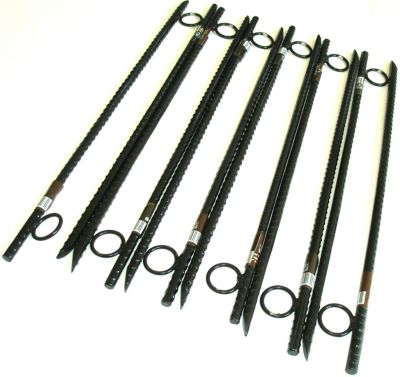
Yard Flower Planters Fourth Of July Sale
Get your porch and garden looking festive for Independence Day with our Yard Flower Planters Fourth Of July Sale. There’s no better time to spruce up your outdoor space and show off your patriotic spirit with eye-catching planters at prices you’ll love. Whether you’re hosting a backyard barbecue or just want to add a pop of color to your yard, you’ll find plenty of options to help your flowers shine all summer long. Celebrate the red, white, and blue in style while saving big during this special sale event.
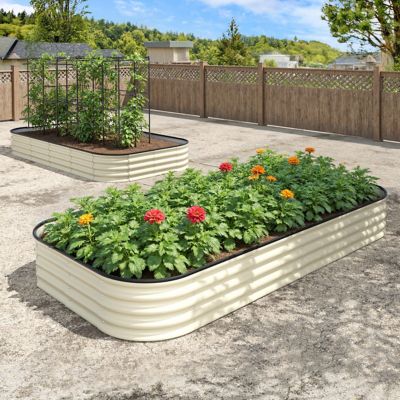
$74
.99
Sale Was $109.99 Save $35.00 (32%)
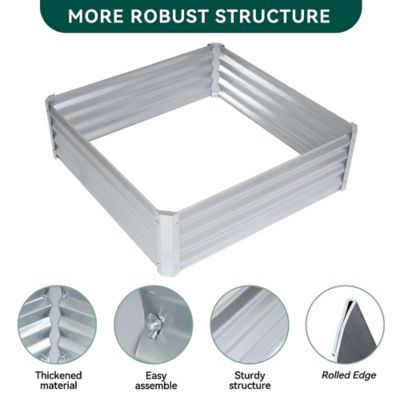
$53
.99
Sale Was $59.99 Save $6.00 (10%)
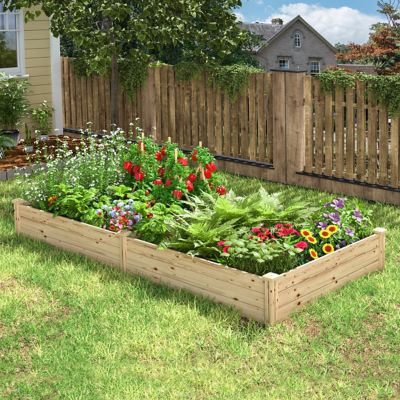
$64
.99
Sale Was $79.99 Save $15.00 (19%)
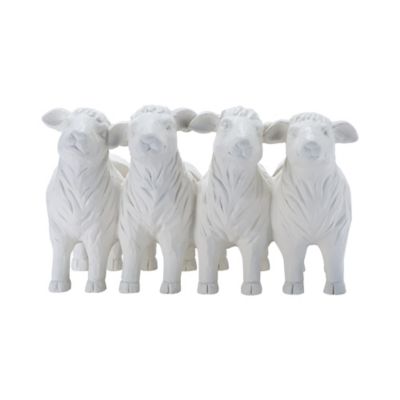
$24
.99
Sale Was $49.98 Save $24.99 (50%)
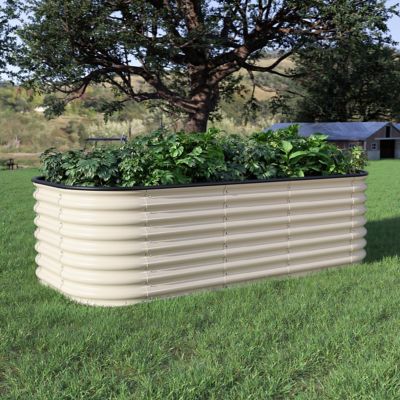
$79
.99
Sale Was $89.99 Save $10.00 (11%)
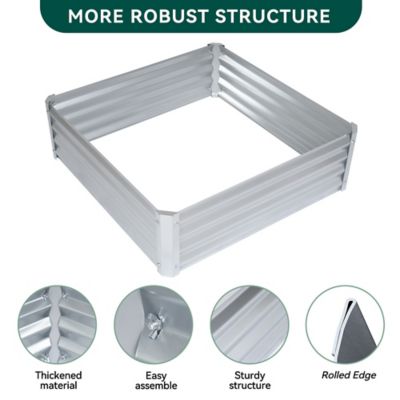
$62
.99
Sale Was $69.99 Save $7.00 (10%)
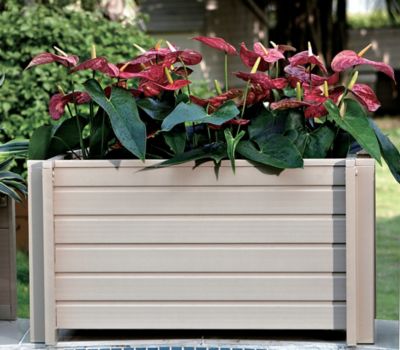
$71
.99
Sale Was $89.99 Save $18.00 (20%)
$74
.99
Sale Was $99.99 Save $25.00 (25%)
$89
.99
Sale Was $99.99 Save $10.00 (10%)
$239
.99
Sale Was $299.99 Save $60.00 (20%)
$119
.99
Sale Was $149.99 Save $30.00 (20%)
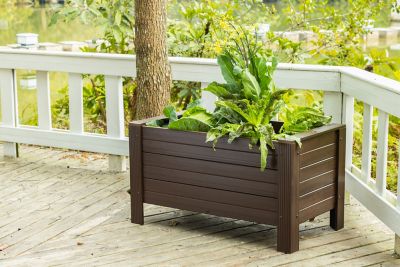
$143
.99
Sale Was $179.99 Save $36.00 (20%)
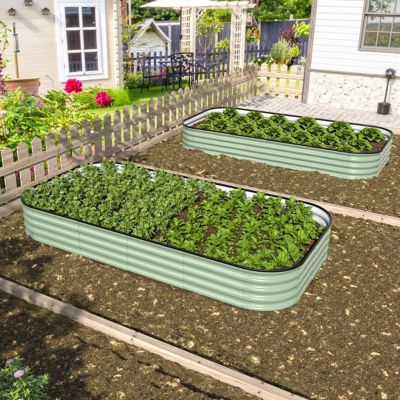
$74
.99
Sale Was $109.99 Save $35.00 (32%)

$99
.99
Sale Was $114.99 Save $15.00 (13%)
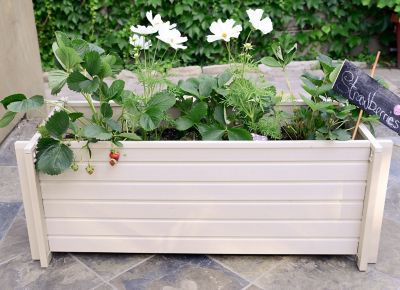
$95
.99
Sale Was $119.99 Save $24.00 (20%)
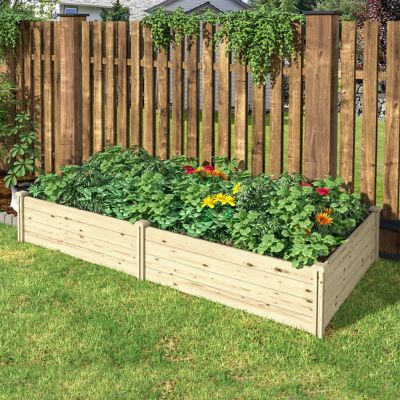
$84
.99
Sale Was $94.99 Save $10.00 (11%)
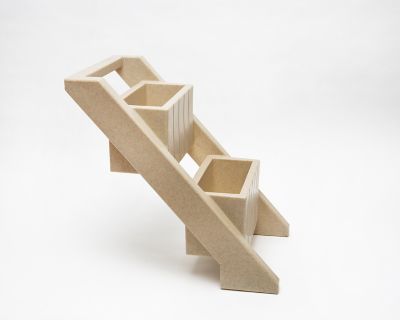
$39
.99
Sale Was $114.99 Save $75.00 (65%)
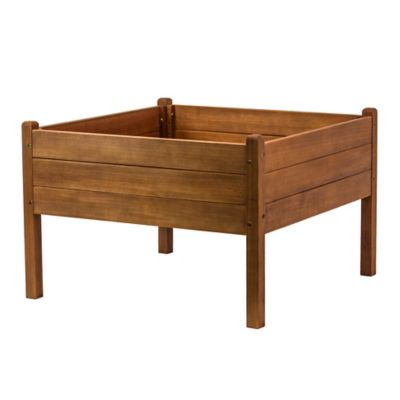
$169
.99
Sale Was $269.99 Save $100.00 (37%)
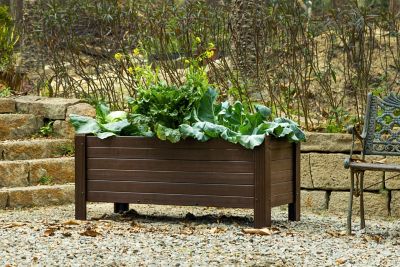
$159
.99
Sale Was $199.99 Save $40.00 (20%)
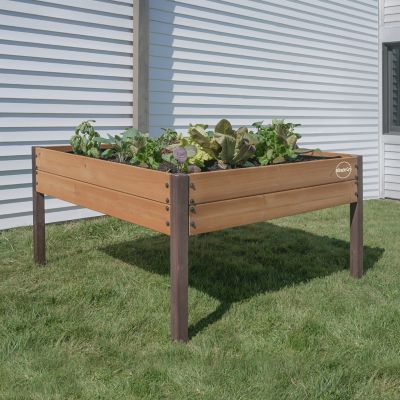
$104
.99
Sale Was $139.99 Save $35.00 (25%)
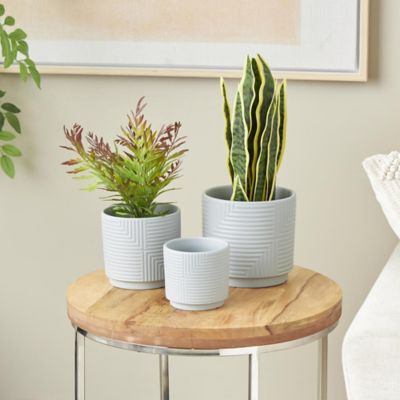
$25
.99
Sale Was $28.99 Save $3.00 (10%)
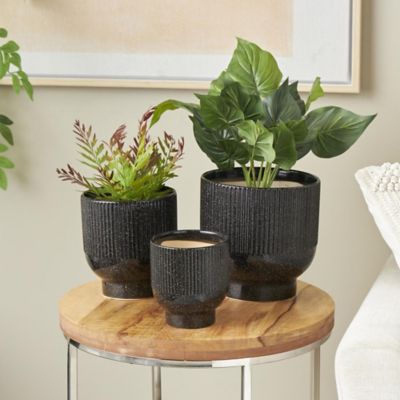
$51
.99
Sale Was $57.99 Save $6.00 (10%)

$26
.99
Sale Was $29.99 Save $3.00 (10%)
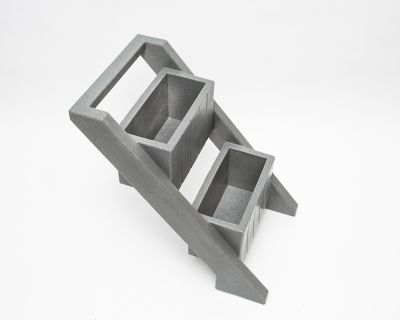
$39
.99
Sale Was $139.99 Save $100.00 (71%)
Best Of FAQ
What types of materials are commonly found in yard flower planters?
Yard flower planters are often crafted from materials such as ceramic, plastic, metal, wood, and resin. Each material offers different benefits in terms of durability, appearance, and weight.
How can I decorate my yard flower planters for the Fourth of July?
You can decorate your yard flower planters for the Fourth of July by choosing red, white, and blue flowers or adding patriotic-themed accessories like small flags, ribbons, or painted designs to celebrate the holiday.
Are there specific flowers that thrive in outdoor planters during summer?
Yes, many flowers do well in outdoor planters during summer, including petunias, marigolds, geraniums, and begonias. These varieties are known for their vibrant colors and ability to withstand warm temperatures.
How do I maintain healthy plants in my yard flower planters?
To keep plants healthy in your yard flower planters, make sure they have proper drainage, water them regularly according to their needs, select appropriate potting soil, and provide adequate sunlight based on the plant type.
Can yard flower planters be enjoyed year-round?
Yes, many yard flower planters can be enjoyed throughout the year. You can switch out seasonal plants or decorations to match the time of year and keep your outdoor space looking fresh and inviting.
Best Sellers
-
"Great quality and makes a great addition to my backyard garden"
-
"Great balance of light, airflow, and protection"
-
"Love the table it’s a great addition"
-
"We love them so much, we bought them again"
-
"I love these because they are the best in helping me out to secure my outdoor spaces"