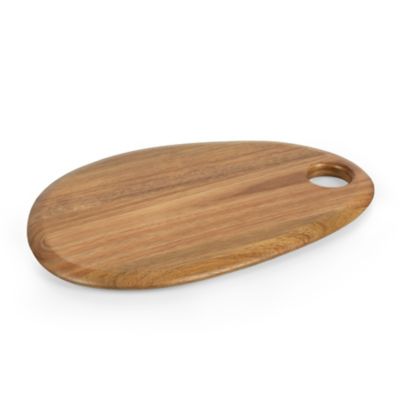
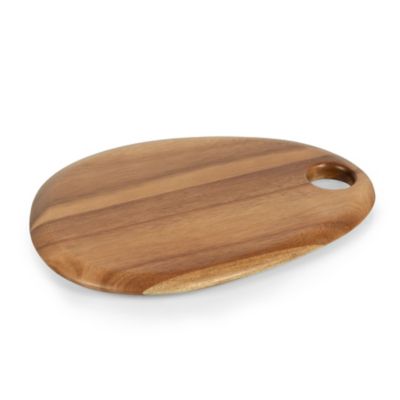
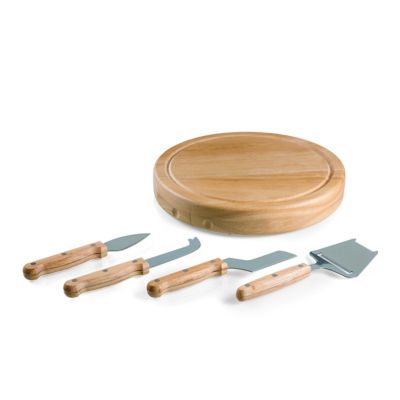
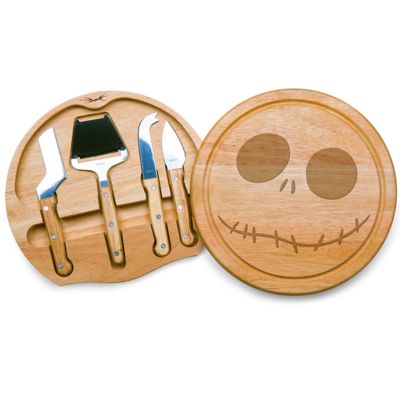
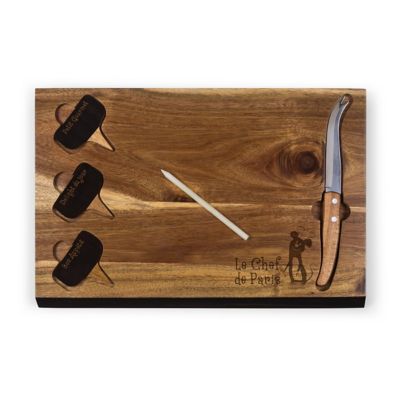
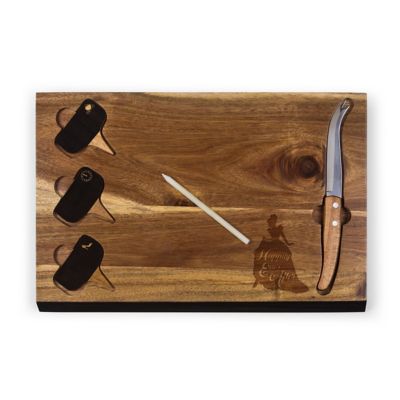
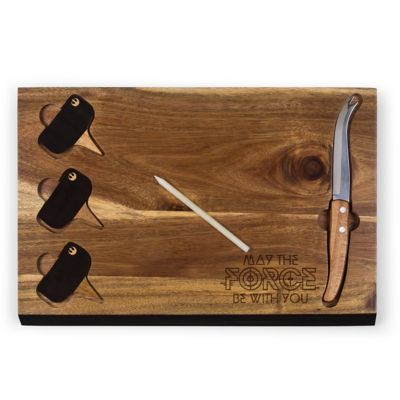
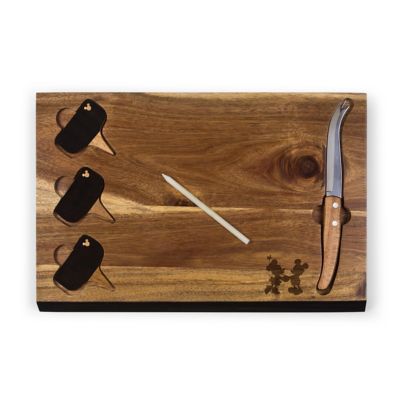
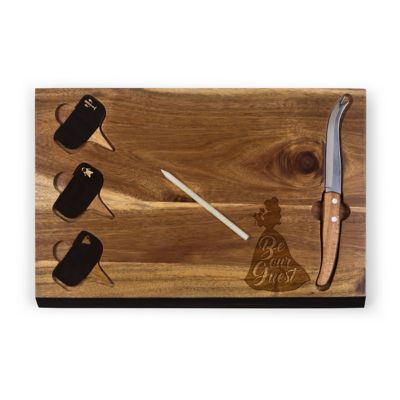
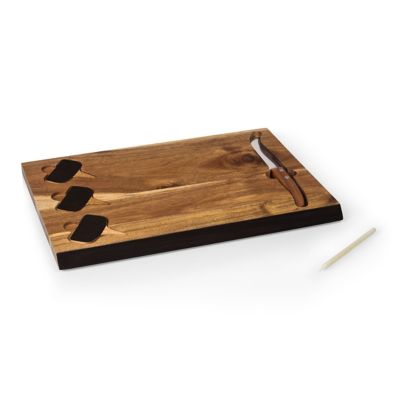
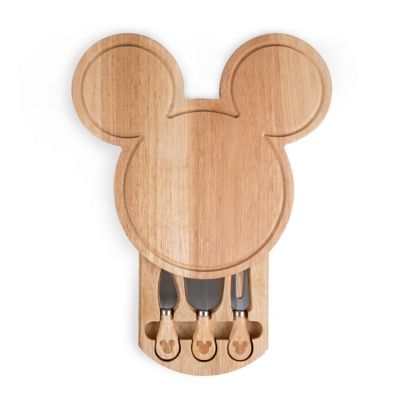
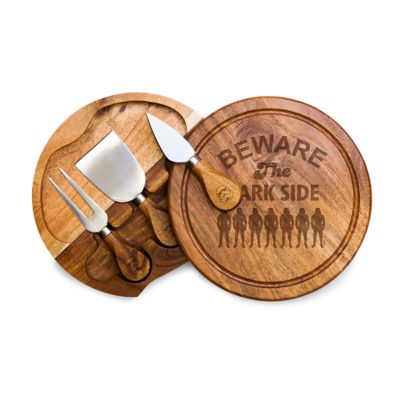
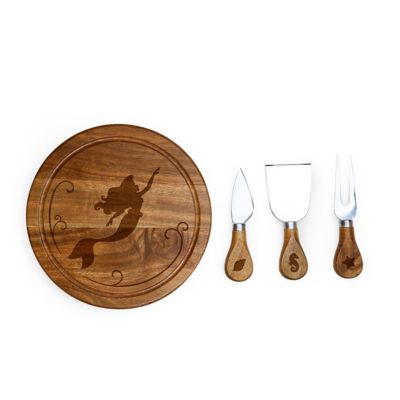
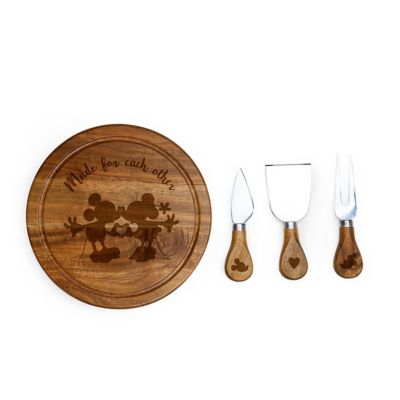
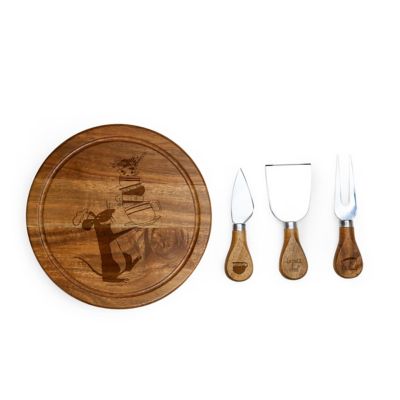
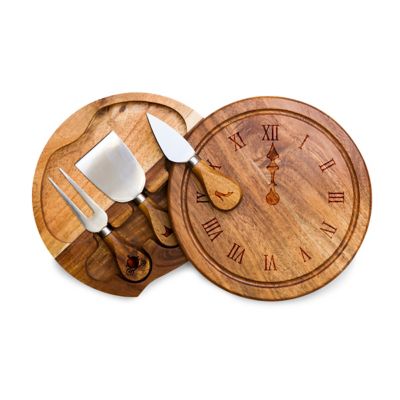
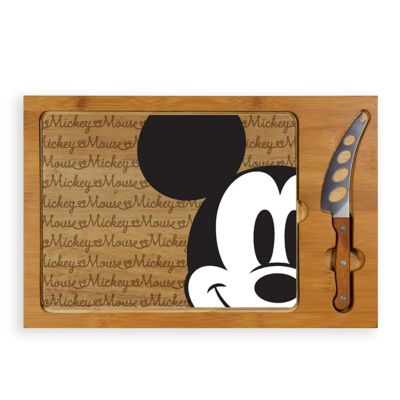
Wooden cheese boards bring a little warmth to the table, whether supper is a quiet affair or there’s a houseful coming through the back door. The grain, color, and feel of wood fit right in beside everyday dishes, cloth napkins, and a bowl of something fresh from the garden or pantry. A cheese board gives snacks a place of their own, keeping a few wedges of cheese, sliced fruit, crackers, and nuts together without crowding the rest of the table. It can be the starting point for a relaxed meal, a shareable afternoon bite, or something to set out while the main dish finishes cooking. During the cooler months, that might mean sharp cheddar alongside crisp apples, toasted pecans, and a small dish of preserves. For a bigger gathering, a roomier board lets guests help themselves while folks catch up around the kitchen island. Wooden cheese boards work just as well for smaller households, too; a compact surface can hold enough for two without leaving much empty space or taking over the counter. Their appeal goes beyond the spread itself. Pale wood can lend a light, simple look, while deeper brown tones add richness beside white plates and clear glassware. Grain patterns vary naturally, so even boards with similar shapes can have a different character. Some have straight edges and a tidy outline; others follow softer curves that feel easygoing on a farmhouse table. Neither approach needs much fuss. A few well-chosen foods and enough open space to reach them are often all it takes to make the spread inviting. For anyone who likes setting food in the middle and letting everyone settle in, a wooden cheese board offers a practical way to serve with a little extra care. It’s the sort of table piece that belongs at a family get-together but doesn’t have to stay tucked away until company comes.
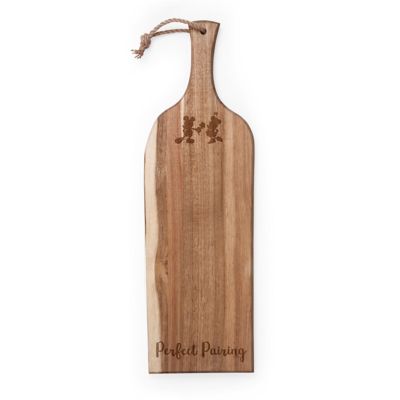
When choosing a wooden cheese board, size is a good place to start, but the measurements only tell part of the story. Think about where it will sit, how far it needs to travel from the kitchen, and where it will go afterward. A long board can suit a narrow table or stretch of countertop, while a round or square shape may fit more comfortably at the center of a smaller dining space. The full footprint matters, especially when a handle extends beyond the serving area. A board that looks generous in a photo can offer less room for food than expected if much of its length belongs to the handle. Thickness and weight deserve a look as well. A substantial board may feel steady on the table, while a lighter one can be easier to carry, wash, and put away. Handles or finger holds can help with lifting, though a loaded board still calls for two steady hands. For serving cheese that guests will slice themselves, look for a flat, stable surface and check whether the maker allows cutting directly on the wood. A serving-only finish may call for cheese to be sliced elsewhere before it reaches the table. Hardwood construction, surface finish, and care directions are worth comparing along with appearance. The finish should be suitable for food contact, and the surface should feel smooth, without rough edges that could catch a towel or make cleanup awkward. Edge details can affect everyday use: a raised rim may help contain loose crackers, while a flat edge makes it easier to move a knife or slide food onto a plate. Small bowls can hold olives, honey, or preserves and keep moisture from spreading across the wood. If you’re weighing different shapes and materials for your table, the broader
Serving Boards selection is another place to look. The best fit is one that leaves room for the food you enjoy and fits the cupboard you actually have, not just the spread you picture for a special occasion.
A wooden cheese board can make a thoughtful gift for a new homeowner, a couple setting up a kitchen, or the friend who always seems to have an extra place at the table. It’s also a sensible choice for someone who enjoys local cheeses, orchard fruit, or evenings spent visiting over a few snacks rather than a formal meal. Match the board to the person’s routine: a smaller kitchen benefits from a shape that stores neatly, while a frequent host may appreciate more serving space. Easy care matters as much as presentation, particularly in a busy household where dishes need to be cleared before the next chore. Wood generally does best with brief washing rather than soaking, followed by prompt drying; the maker’s directions should take the lead for any particular board. Dishwashers, standing water, and long stretches beside a heat source can be hard on wood, so storage and cleanup are worth considering before buying. Where oiling is recommended, choose the food-contact board oil specified or permitted by the maker rather than reaching for ordinary cooking oil. A board that will spend most of its time upright in a cupboard should have enough room to dry fully before it’s put away. At serving time, a little breathing room makes a real difference. Leave space around each cheese for a knife, keep crackers within easy reach, and put juicy fruit or brined foods in separate dishes when needed. For longer visits, set out modest portions and replenish them from the refrigerator, following food-safety guidance for perishable foods. That keeps the spread manageable without asking one board to hold the whole evening’s worth of snacks. Picture a few chairs pulled close, boots lined up near the door, and folks lingering at the table after the plates are cleared. A wooden cheese board fits those moments because it makes sharing simple. With the right size, a food-safe surface, and care that suits your routine, it can earn a regular spot in the kitchen through gatherings big and small.