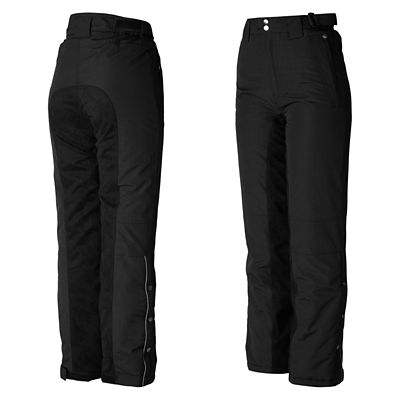
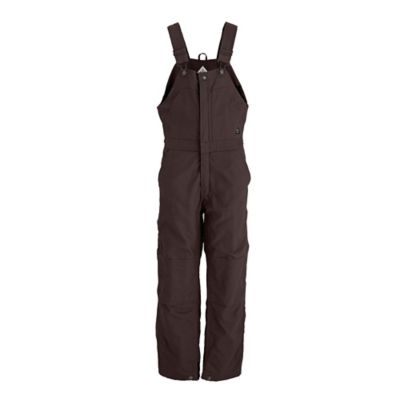
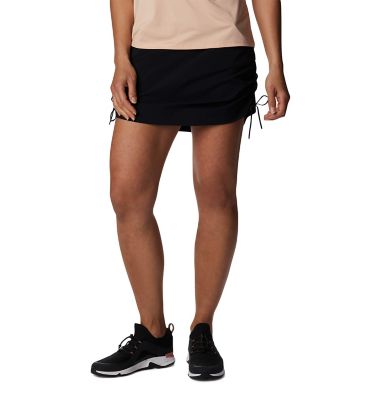
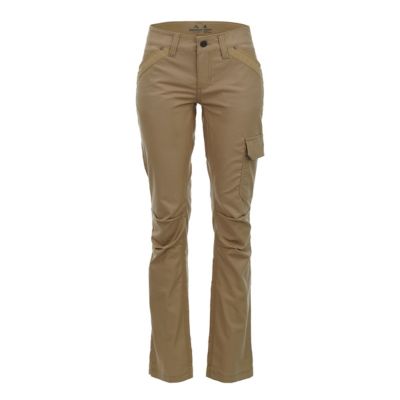
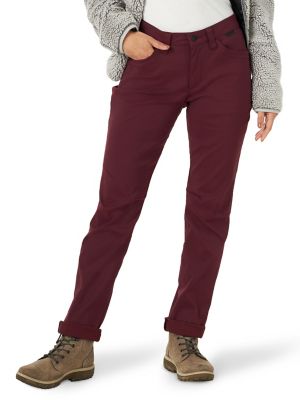
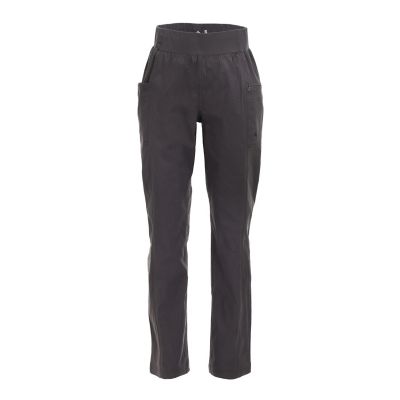
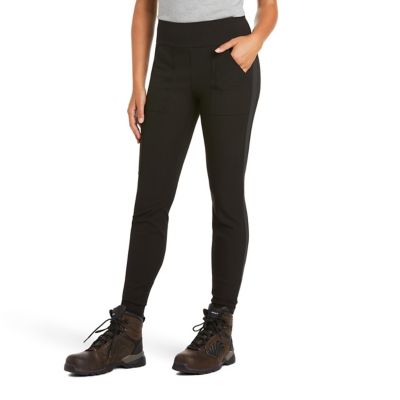
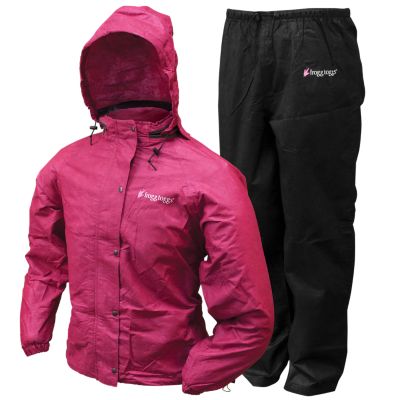
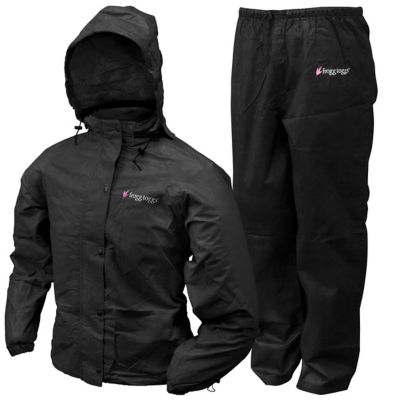
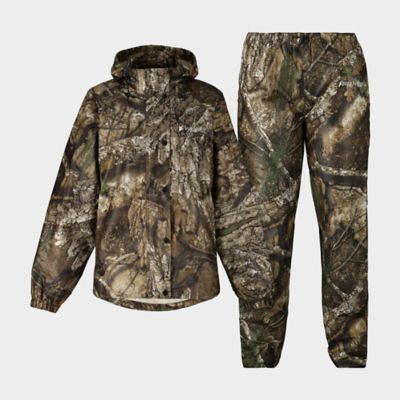
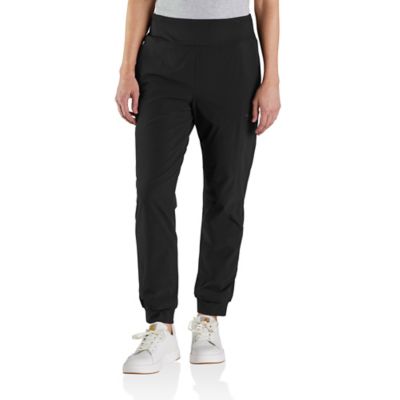
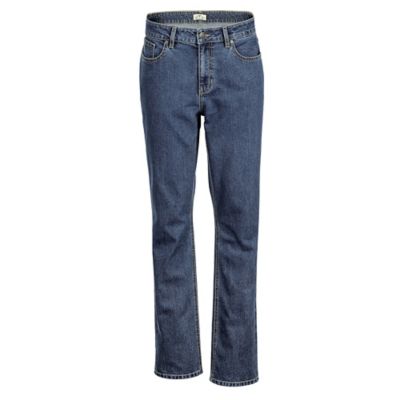
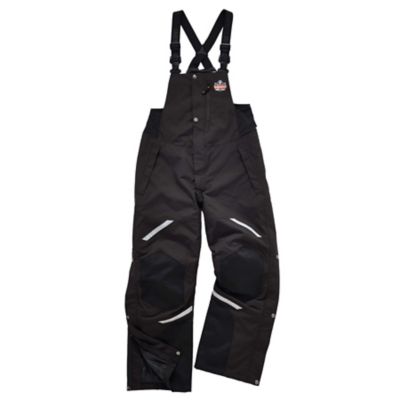
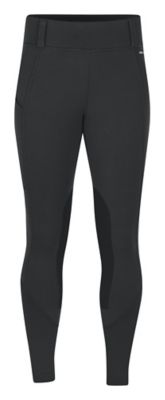
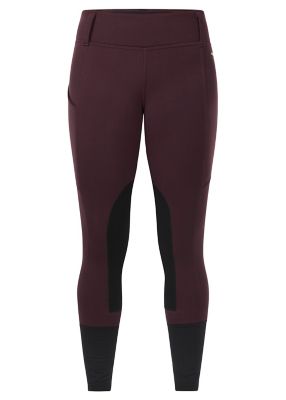
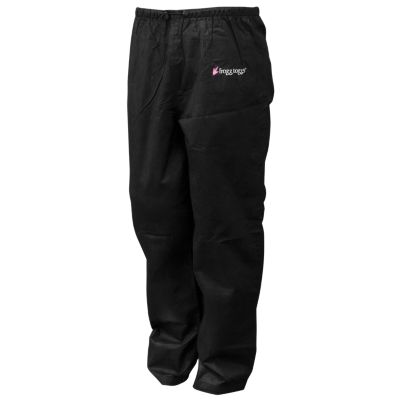
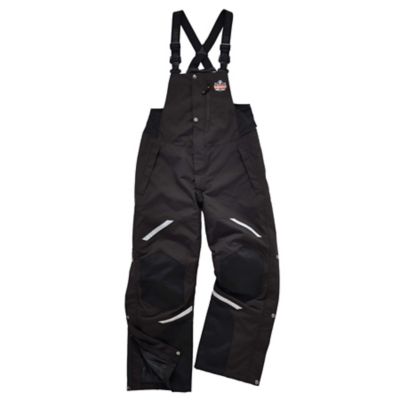
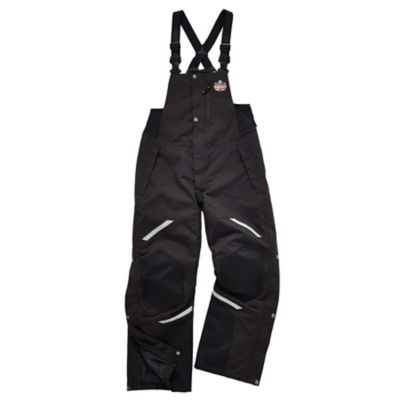
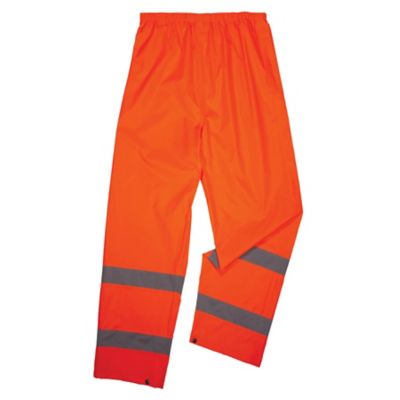
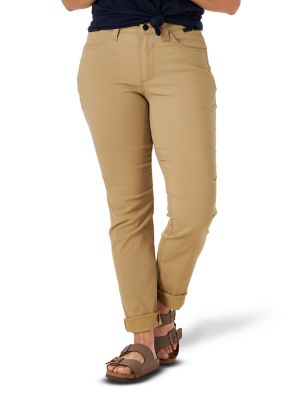
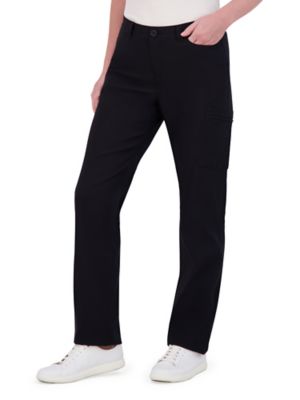
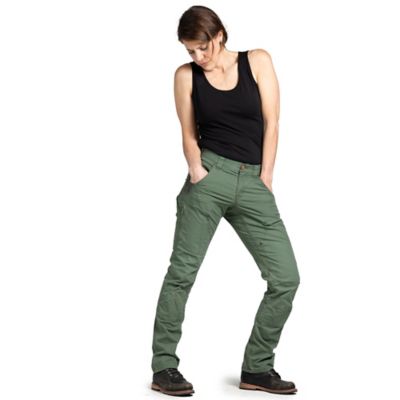
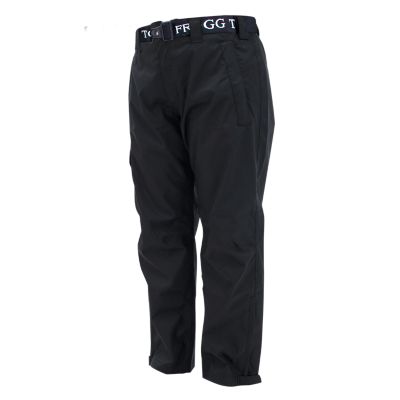
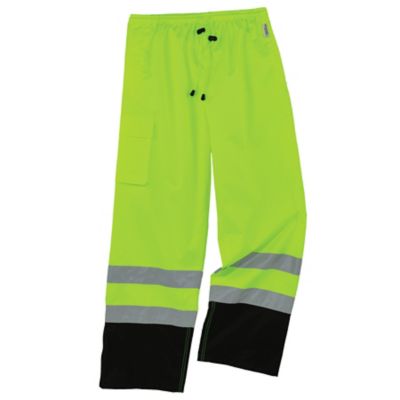
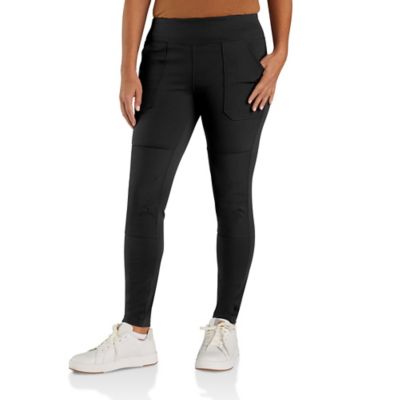
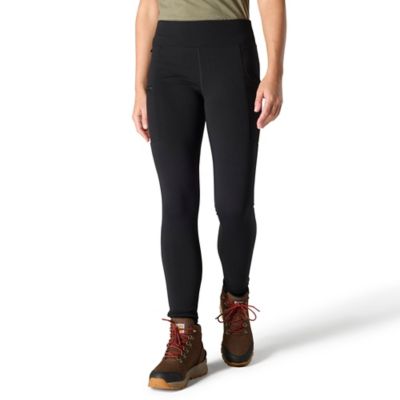
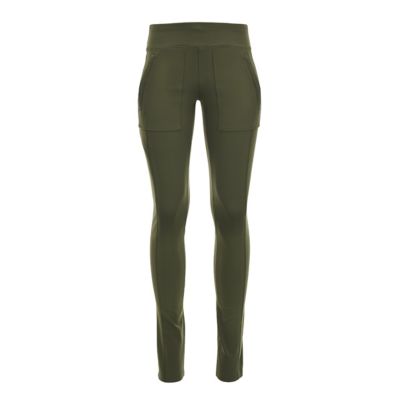
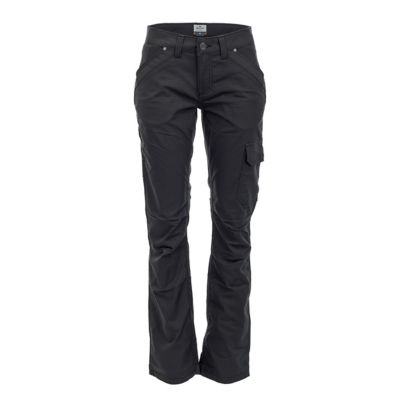
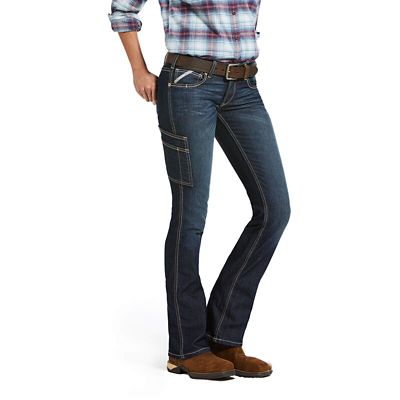
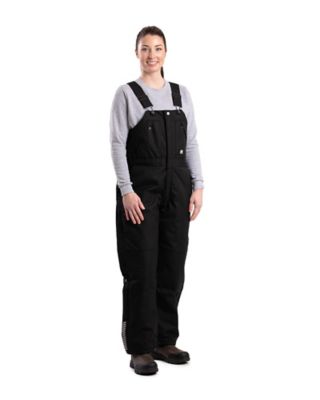
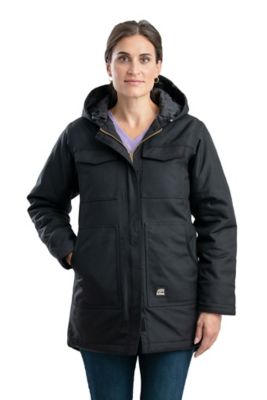
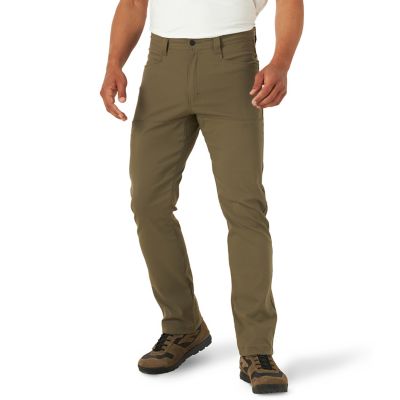
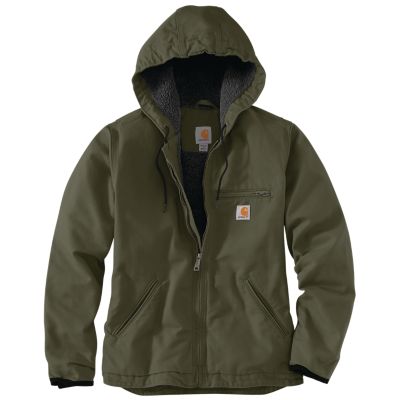
Women’s water repellent pants are handy for the days when the forecast is a little iffy but staying indoors is not an option. They help shed light rain, morning dew, splashes, mud and damp grass while you work, walk, hike or run errands. A water-repellent finish makes moisture bead up and roll away instead of soaking straight into the fabric, which can make a big difference when you are checking a fence line at sunrise, walking the dog after a passing shower or loading feed while the yard is still wet. Many styles also offer stretch for climbing into a truck, stepping over a gate or crouching to tend a garden bed. Look for a comfortable waistband, a cut that leaves room for movement and pockets that can hold a phone, keys, gloves or a small pocketknife without getting in the way. Some pants are made with lightweight, smooth fabric that works well for travel and everyday wear, while others use softshell material that offers more warmth, wind resistance and durability for active outdoor use. A brushed or fleece-lined interior can feel good during cooler months, especially when you are outside before the sun has warmed the ground. For warmer conditions, breathable fabric and venting details may help keep you more comfortable when you are moving at a steady pace. Water-repellent pants can be useful for gardeners, ranchers, landscapers, hikers, campers, outdoor workers, dog walkers and anyone who spends part of the day between the house, barn and back pasture. They can also make a thoughtful gift for someone who is always prepared with a rain jacket in the truck, enjoys a weekend trail or never lets a little drizzle interrupt a chore.
When comparing women’s water repellent pants, start with the kind of weather and work you expect them to handle. Water-resistant or softshell pants are generally suited to light rain, mist, wet brush and brief showers. They often feel more flexible and breathable than a heavier rain shell, making them a practical choice for hiking, casual walking, commuting and everyday chores. A durable water-repellent treatment, sometimes called a DWR finish, helps moisture bead on the surface, though that finish can wear down with repeated washing and use. Waterproof pants are built for more sustained wet weather and may use a coated or laminated shell, storm flaps and sealed seams to keep rain from working through the fabric. Fully seam-sealed construction is especially important when you expect steady downpours, since water can find its way through needle holes and stitched areas even when the fabric itself is waterproof. The tradeoff is that a waterproof shell may feel warmer or less breathable during hard work. For serious rain, look for an easy pull-on design that fits over base layers, adjustable hems that can close around boots and enough room to layer without restricting your stride. For brush clearing, farm work or rough trail use, pay attention to fabric weight, reinforced seat or knees and abrasion resistance. If you will spend time near creeks, ponds or the coast, a tougher outer material may hold up better against wet vegetation, mud and repeated contact than a very thin packable shell. Packability matters for hikers and travelers who want to tuck pants into a daypack, while zippered legs or roomy openings can make it easier to pull them on over work boots. A higher rise may offer better coverage when bending or sitting, and articulated knees can improve comfort during long days on the move. Check the care instructions, too: harsh detergents, fabric softeners and high heat may affect a water-repellent finish. Keeping these pants clean and following the label can help preserve their performance.
The right pair depends on how you plan to use it, not just on the word “water repellent” in the description. For a quick walk through damp pasture or a morning at the farmers market, lightweight pants with a little stretch may be all you need. For hiking through changing conditions, choose a breathable pair that balances rain protection, mobility and comfort, and consider sun protection if the route includes open fields or long stretches without shade. For outdoor work, prioritize durable construction, practical pockets and a waistband that stays put while lifting, climbing or driving. If you spend long hours in cold rain, layering is often more useful than choosing one bulky garment: moisture-wicking base layers can help move sweat away from the skin, while water-repellent or waterproof outer pants block wind and wet weather. Avoid cotton as your only layer in cold, damp conditions because it can hold moisture and take a long time to dry. For a polished trail-to-town outfit, pair dark water-repellent pants with a sweater, flannel or sturdy overshirt; for barn chores, they work easily with a work tee, insulated vest and dependable boots. When the weather warms, a lighter pair can help keep dew and muddy splashes off your legs without feeling heavy. During the cooler months, a roomier cut leaves space for thermal leggings underneath. To complete a weather-ready wardrobe, browse
Womens Water Repellent Jackets for another layer of protection. Whether they are tucked into a pack for an unexpected shower or worn every day for chores around the property, women’s water repellent pants offer a practical way to stay drier, more comfortable and ready for whatever the day brings.