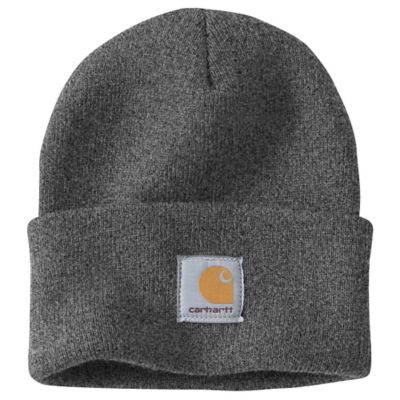
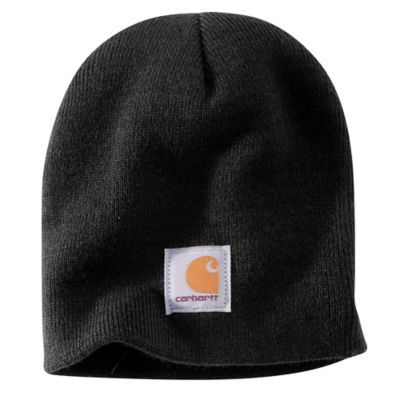
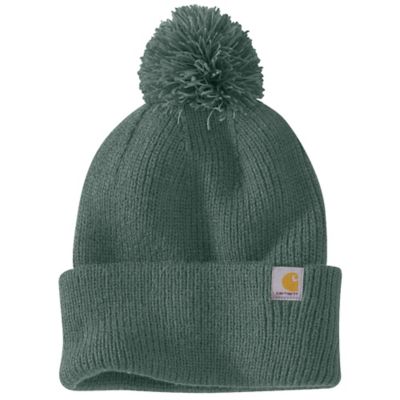
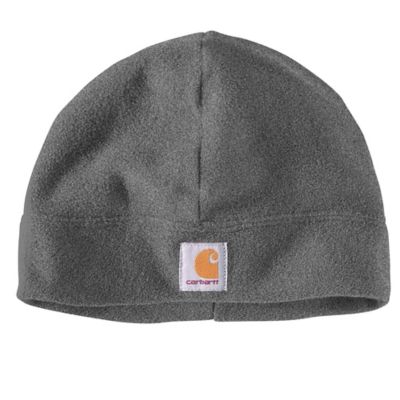
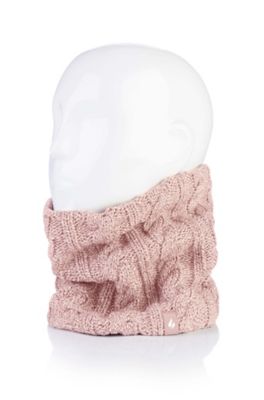
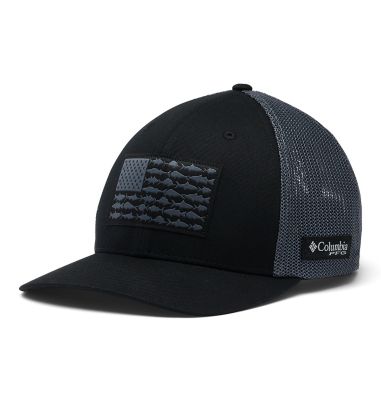
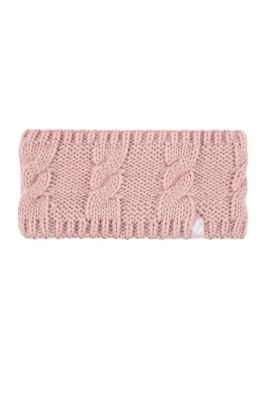
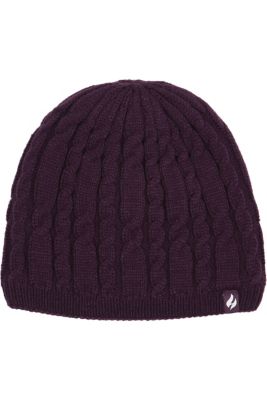
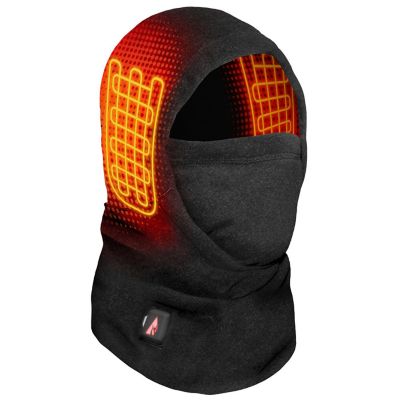
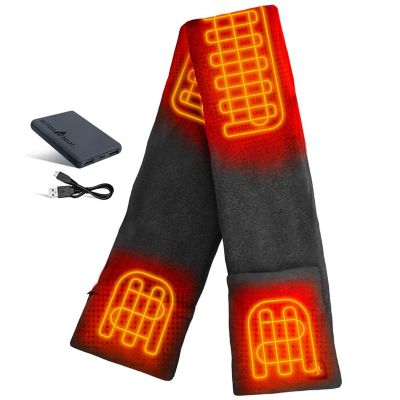
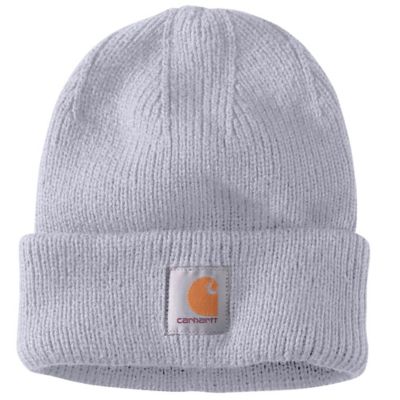
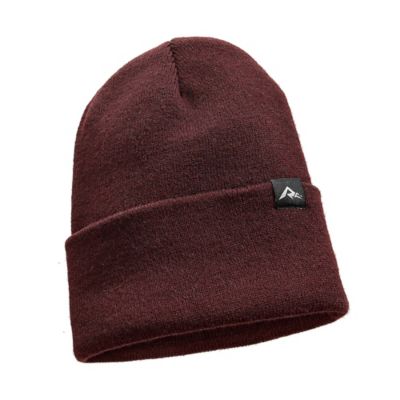
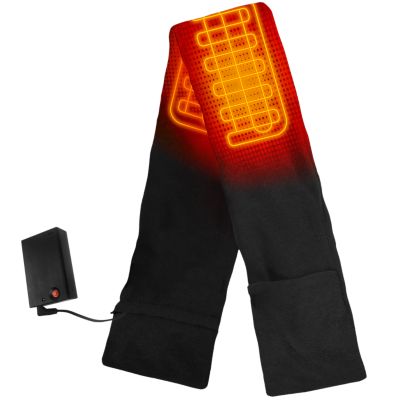
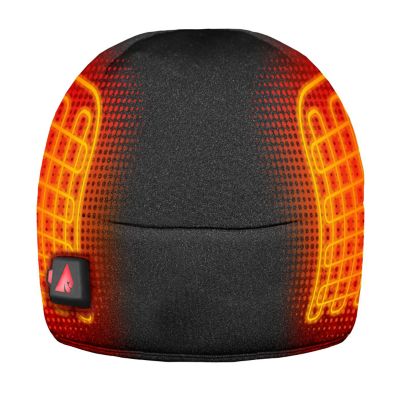
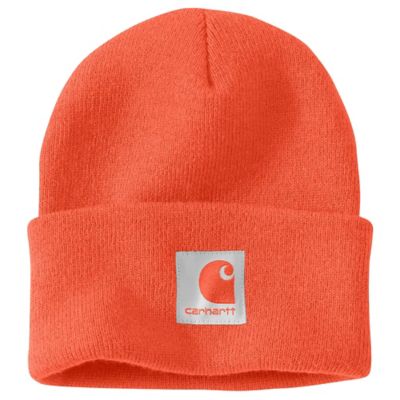
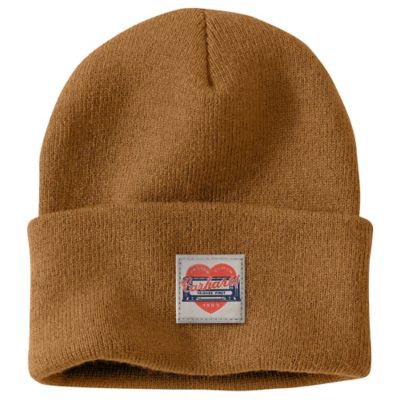
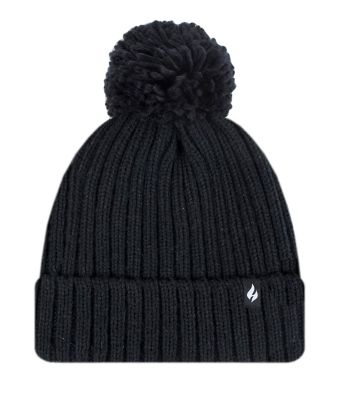
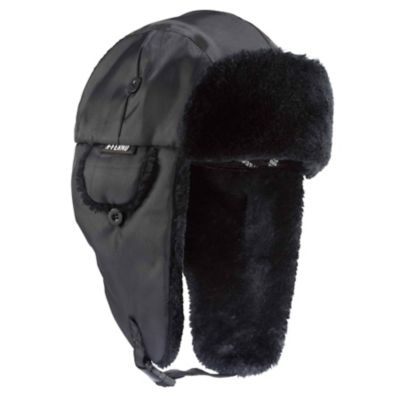
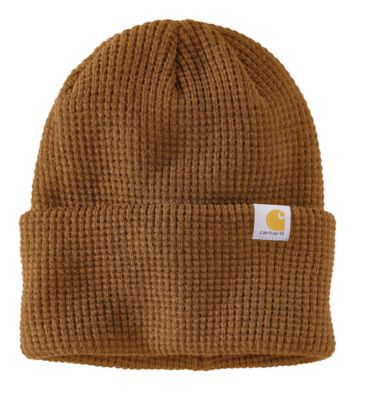
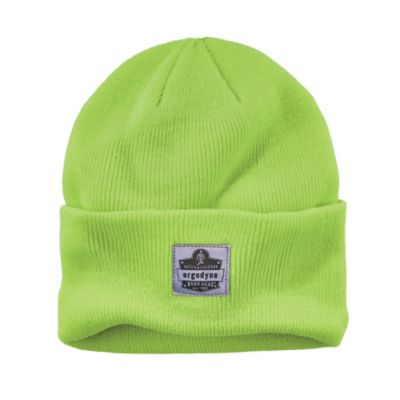
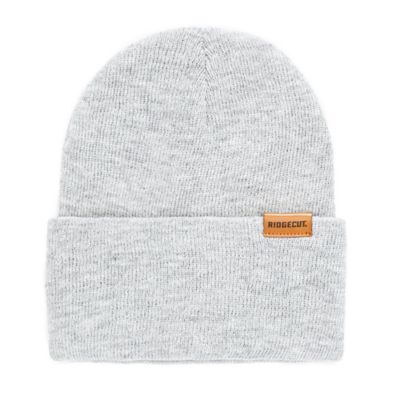
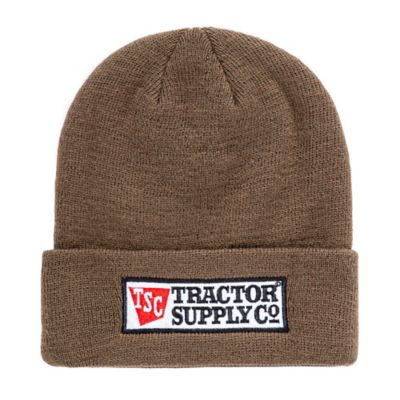
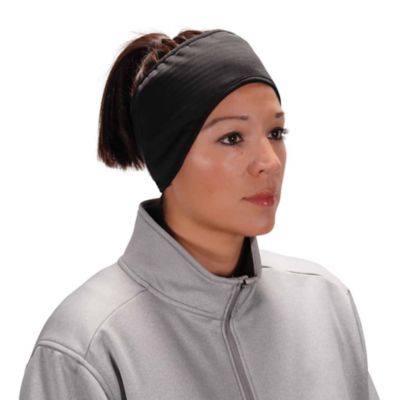
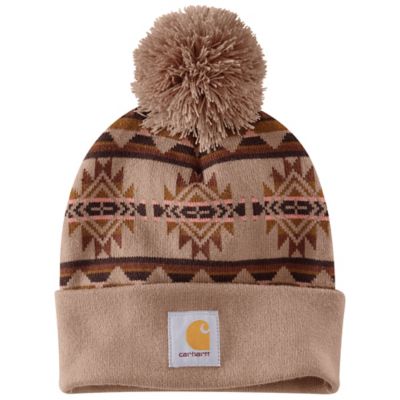
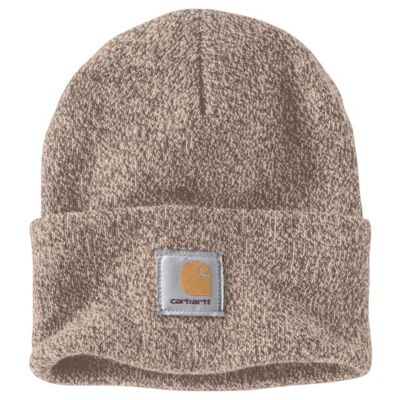
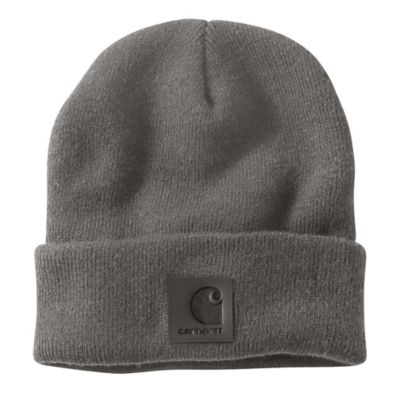
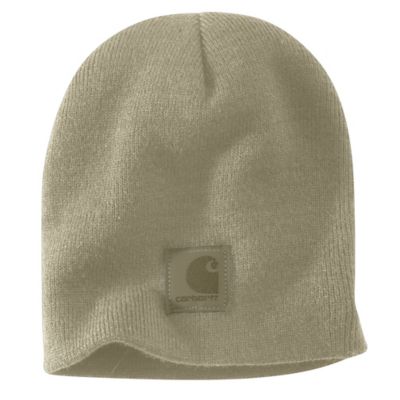
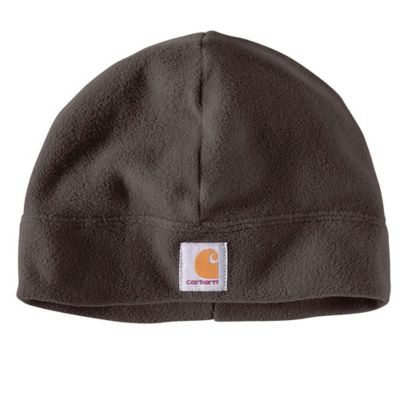
Women’s winter hats and scarves add warmth where a coat alone leaves gaps, covering the head, ears, and neck for everyday trips and longer stretches outside. They earn their place on a hook by the door when there are animals to feed, a frosty windshield to scrape, or a walk from the parking lot to the school gym. A close-fitting knit beanie and a scarf tucked inside a jacket can make those small jobs more comfortable without adding much weight to carry. Materials play a big part in how winter accessories feel and perform. Wool provides insulation and can absorb moisture vapor, though its feel against the skin varies with the fiber and construction. Merino wool generally has finer fibers than coarser wool, which can make it a comfortable choice for sensitive foreheads and necks. Acrylic knits can provide a soft feel and hold their shape well, with care requirements that depend on the garment. Polyester fleece adds warmth with little weight and often dries faster than heavier knits. Cashmere is known for its soft feel, but it calls for gentle handling, especially when washing and storing. Blended fabrics balance different traits, such as wool’s warmth with synthetic fibers that help a hat keep its shape. Construction matters just as much as the fiber name: a dense knit limits airflow better than an open stitch, and a fleece lining can make a hat feel smoother around the ears. A loosely knit scarf may suit a short trip into town, while a closer weave can feel more comfortable when wind comes across an open pasture. Thickness alone does not tell the whole story. The way a hat covers the ears, how a scarf closes the gap at the collar, and whether either piece stays comfortable through movement all affect everyday warmth. For women moving between heated buildings and outdoor chores, accessories that slip off easily are handy, too. A hat that fits into a coat pocket and a scarf that folds into a tote can travel from morning chores to errands without much fuss.
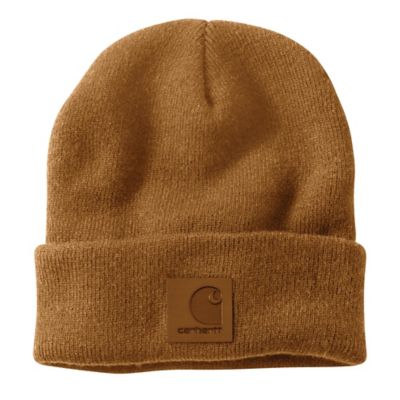
Fit makes the difference between winter accessories that stay put and pieces that need constant adjusting. A women’s beanie should sit comfortably around the head without squeezing the forehead, and its lower edge should reach far enough to cover the ears if that is the intended use. Stretchy ribbing helps accommodate different head shapes, but a hat that stretches over the head is not necessarily a comfortable fit. A folded cuff adds another layer around the ears and gives some flexibility in coverage. Slouchier shapes leave more room above the crown, while closer-fitting shapes can sit more neatly beneath a roomy coat hood. Hair matters, too: a thick braid, ponytail, or full curls can change how a hat sits and how much space feels comfortable. Smooth linings may feel gentler against the hair, while raised seams can become noticeable over a long afternoon. The same practical details matter across
cold weather beanies and hats, whether the day involves walking fence lines or watching a game from the bleachers. Scarves bring their own fit considerations. A longer scarf gives more room for wrapping, but extra fabric can bunch beneath a fitted jacket or get in the way when bending and reaching. A shorter scarf may tuck neatly at the collar, while an infinity scarf forms a continuous loop without dangling ends. Neck gaiters offer another shape, sitting close around the neck with less fabric to arrange. For active tasks, lighter layers can be more comfortable than a heavy wrap that traps too much heat. Walking uphill with a feed bucket feels different from standing beside a gate, so warmth needs can change even within the same chore. Loose scarves and hanging ends should stay away from moving machinery; removing them before working near equipment reduces the risk of entanglement. Color and texture can be practical choices as well. A simple solid pairs easily with several coats, and a patterned knit adds interest to a plain jacket. Matching hats and scarves create a coordinated look, but separate pieces can work together just as well when their warmth, feel, and proportions suit the wearer.
Everyday wear also makes care and construction worth a closer look. Even stitching, secure edges, and a cuff that springs back after stretching can help a hat hold up through repeated pulling on and taking off. Scarves benefit from finished edges that resist unraveling and a fabric weight suited to their intended wear. A fine, soft knit may feel lovely for a trip to town but need more care around rough coat fasteners than a tightly knit everyday scarf. Hook-and-loop closures, zipper teeth, and splintered wood can catch yarn, so keeping loose knits clear of those surfaces helps prevent snags. Washing should follow the care label rather than assumptions about the material. Some acrylic and fleece pieces permit machine washing, while wool, cashmere, and certain blends may call for hand washing or another gentle method. Hot water, strong agitation, and high dryer heat can shrink or distort some fabrics. When a label calls for flat drying, reshaping the piece on a towel helps preserve its proportions; hanging a wet knit scarf can pull it longer. Hats and scarves should dry fully before going into a drawer or bin, especially after time in damp snow. Small pills can develop where knit fabric rubs against a collar, and careful removal with a fabric-appropriate tool can freshen the surface without tugging at the yarn. At the end of winter, clean, dry storage helps keep pieces ready for their next outing. These accessories also make thoughtful gifts for women who spend time outdoors, commute early, tend livestock, or simply appreciate a warm layer on a cold walk. Familiar colors, a comfortable fabric, and an easy-to-wear shape often matter more than elaborate trim. Someone who dislikes wool against her skin may prefer a smooth lining, while someone who wears her hair up may appreciate extra room. A well-chosen hat and scarf fit into ordinary routines, from taking the dog out before daylight to lingering on the porch after supper, bringing comfort without making getting dressed complicated.