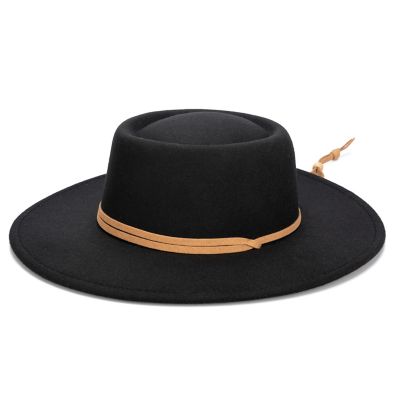
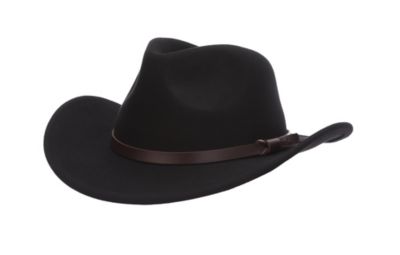
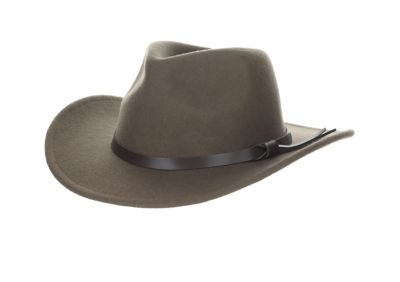
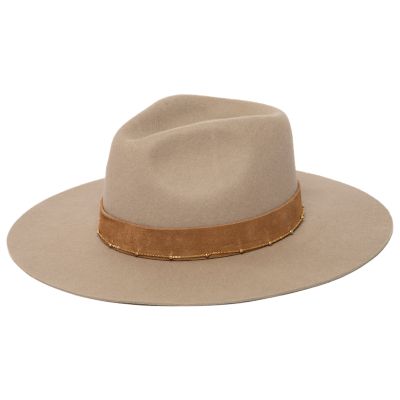
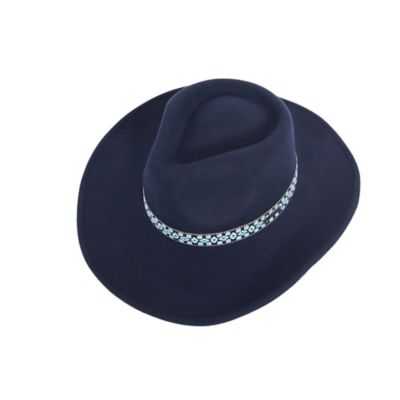
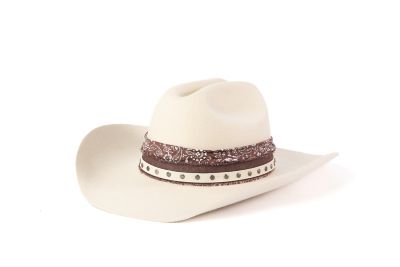
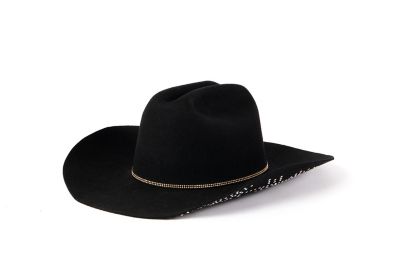
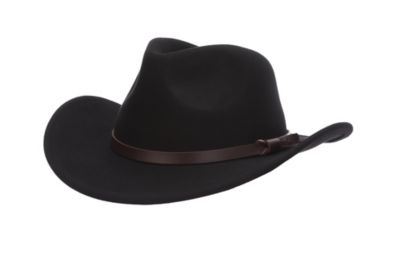
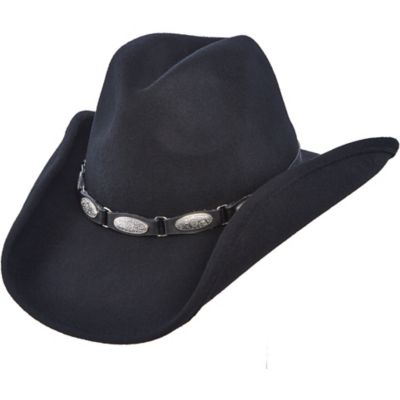
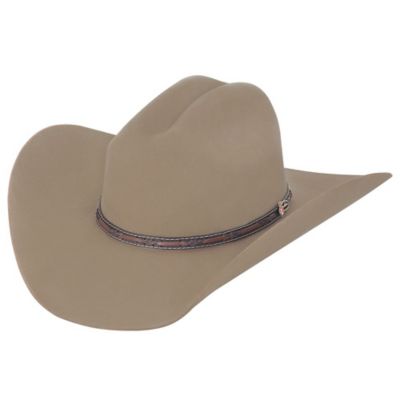
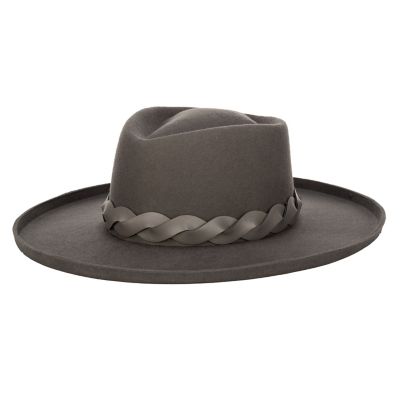
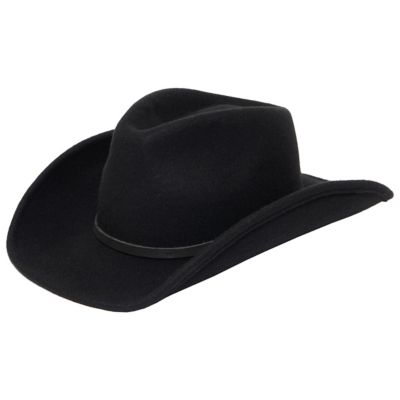
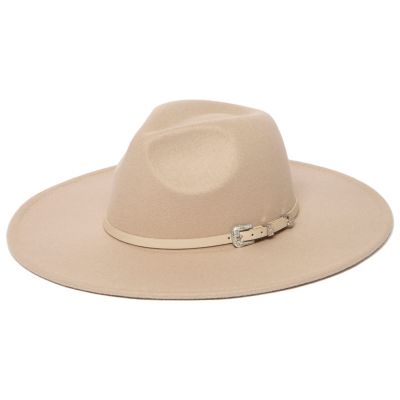
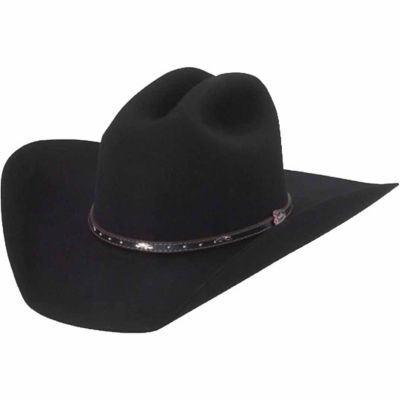
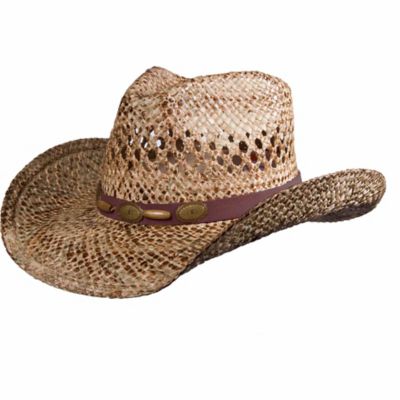
Felt hats for women include cowboy hats, rancher hats, fedoras and close-fitting cloche styles, with shapes that range from firmly structured to soft and flexible. Felt is made by matting fibers together rather than weaving them into cloth, creating a fabric that can be shaped into a defined crown and brim. That construction gives a felt hat its smooth surface and helps explain why two hats with similar colors can have very different personalities. A cowboy hat often has a creased crown and a brim that turns upward at the sides, while a rancher style generally pairs a defined crown with a flatter brim. Fedoras commonly feature a pinched front and a lengthwise crown crease; cloches sit closer to the head with a rounded crown and a smaller brim. Those details matter when you picture the hat with your everyday clothes. A broad, flat brim makes a statement with straight-leg jeans and boots, while a narrower brim can feel less in the way with a collared shirt or jacket. For a rodeo, livestock show, concert or country wedding, the crown shape and trim can help a hat feel right at home without making the whole outfit look overdone. A plain band keeps the look simple, while a leather band, buckle or ribbon adds another point of interest. Color changes the feel, too: black creates a strong outline, brown pairs naturally with leather boots and belts, and gray or tan can bring a softer contrast to dark denim. Materials deserve a look alongside the shape. Felt may contain wool, fur fibers, synthetic fibers or a blend, and the fiber content alone does not tell the whole story. Thickness, finishing and stiffening treatments also affect the feel. Some felt hats hold a crisp silhouette, while others have a more forgiving body that moves a little when handled. The best match depends on whether you want a sharply defined Western profile, an easy everyday hat or something dressier for a special gathering.
Fit makes a bigger difference than a favorite color or a good-looking hatband. A women’s felt hat should sit securely without squeezing the forehead, pressing hard above the ears or leaving you eager to take it off. To get a useful starting measurement, wrap a flexible measuring tape around the place where the hat will sit, usually across the forehead and just above the ears, keeping the tape level and comfortably snug. Compare that measurement with the size chart for the hat rather than assuming the same letter size will fit across every style. Head shape matters as well as circumference, so a hat can feel tight at the front and loose at the sides even when the measurement seems right. If you tend to wear your hair in a low ponytail, loose braid or tucked behind your ears, think about how that arrangement changes the way the sweatband rests against your head. An adjustable inner band can help fine-tune the fit when the design includes one, but tightening it too much can create pressure or pull the hat out of shape. Crown height and brim width also affect comfort in ordinary situations. A tall crown may brush the roof when you climb into a truck, and a wide brim can bump a seatback or get in the way when you hug someone. A shorter brim may be easier for errands, while a broader one gives a more pronounced silhouette for photographs or an evening out. Try turning your head, looking down and sitting before settling on a shape. The hat should stay put without needing constant adjustment. Inside, a smooth sweatband and neatly finished edges can make longer wear more comfortable. For riding or jobs that require protective headgear, a felt fashion hat is not a substitute for a riding helmet or the appropriate safety equipment. Choose it for the occasion and outfit, with room to move comfortably through the day.
Keeping a felt hat looking good comes down to gentle handling, sensible storage and care that matches its construction. Pick it up by the brim with clean hands instead of repeatedly pinching the same spot on the crown; concentrated pressure can eventually leave a dent or weaken that area. Brush away surface dust with a soft hat brush suited to the felt, following the care directions and working gently rather than scrubbing. A brush that is clean and reserved for hats helps avoid transferring dirt or residue from other surfaces. Spills, stains and marks need more caution, since soaking or aggressive rubbing can change the finish or shape. Follow the care label, and leave stubborn marks or major reshaping to a hat-care professional when appropriate. Avoid tossing a felt hat onto a truck dashboard or packing it beneath heavy clothes. A hatbox or suitable support helps keep the crown and brim from getting crushed, and a clean storage spot away from direct heat helps preserve the shape. Do not assume a hat can be folded or packed flat unless its care information specifically allows it. A felt body that feels flexible in your hands may still hold a crease after being compressed in a suitcase. Over time, the brim edges, crown pinch and inner band tend to show the effects of handling first, so a little attention after each outing can help extend the hat’s life. These same practical details make a difference when choosing a gift. For a woman who wears boots most days, a familiar Western shape may fit naturally into her wardrobe; someone who favors simple dresses or tailored jackets might lean toward a fedora or a smaller brim. Knowing her head measurement and preferred colors is more helpful than guessing from appearance alone. For another part of a hat wardrobe,
Sun Hats for Women offer different material and shape options to consider. Whether the occasion is a family gathering, a trip into town or a night at the fairgrounds, a well-fitting felt hat should feel like something you want to wear, not something you have to fuss with.