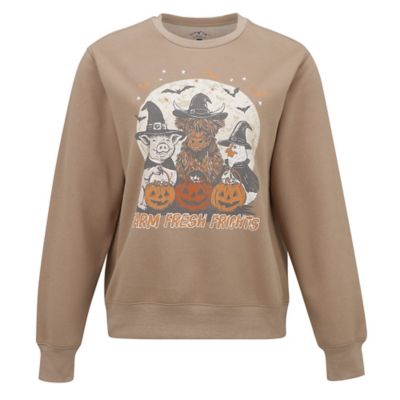
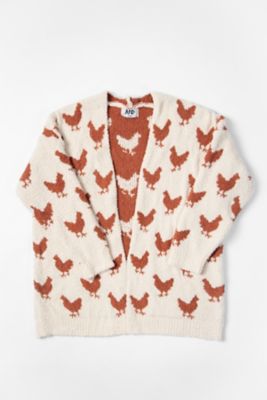
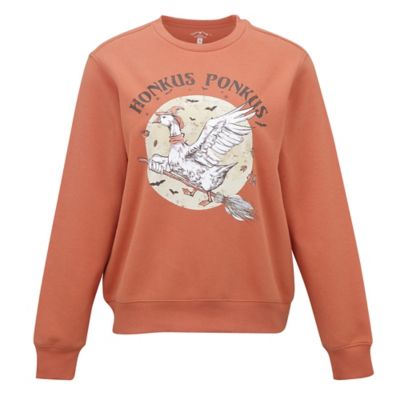
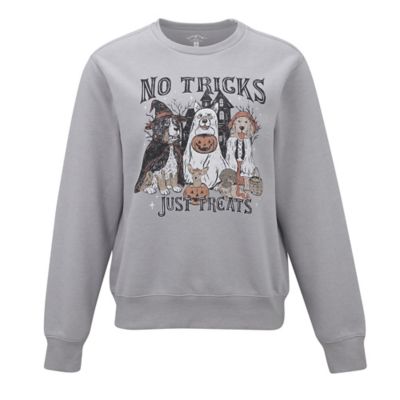
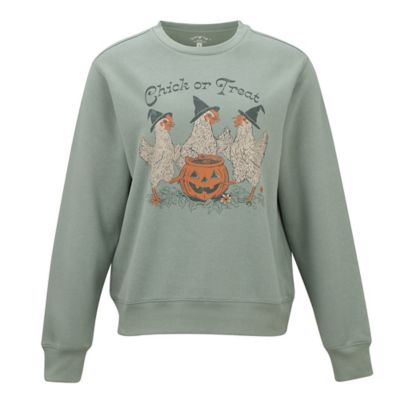
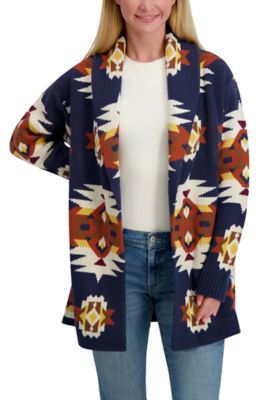
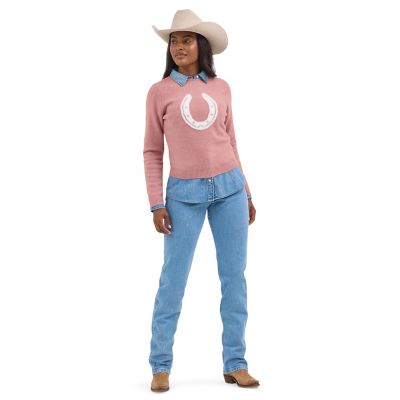
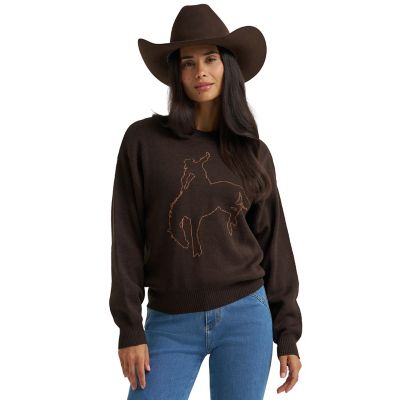
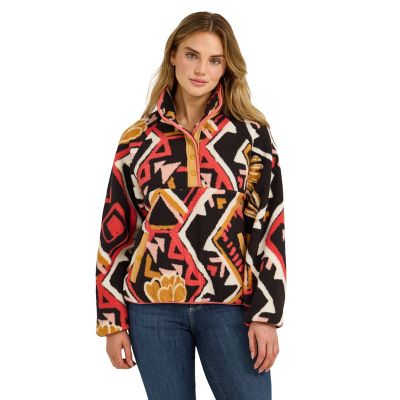
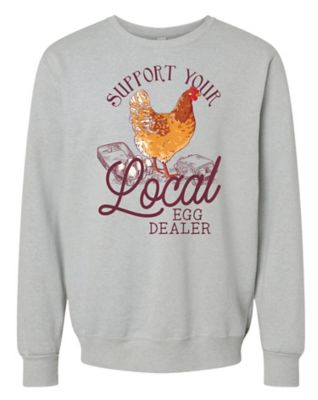
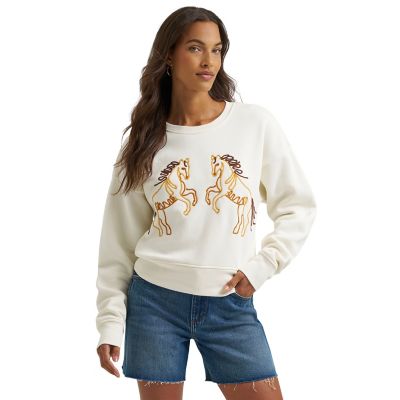
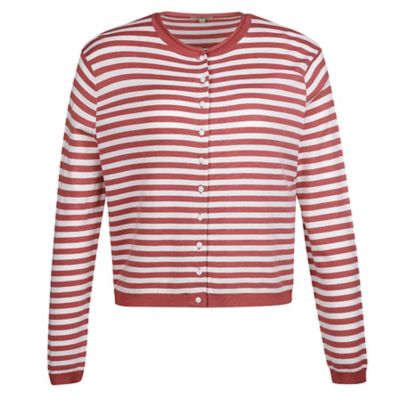
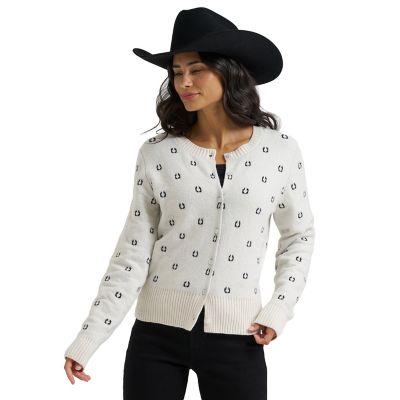
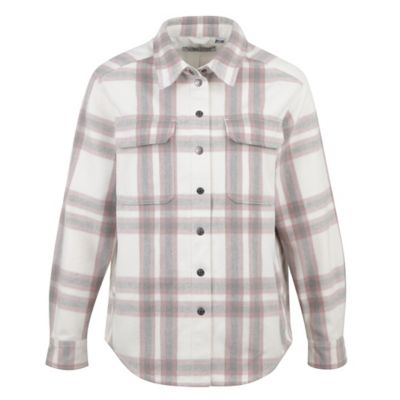
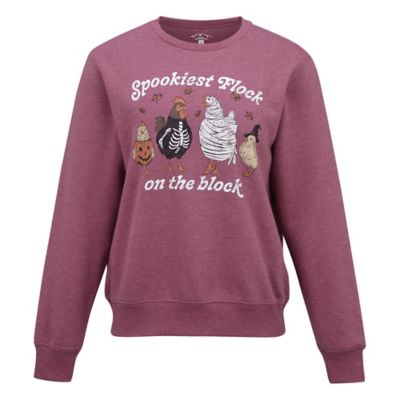
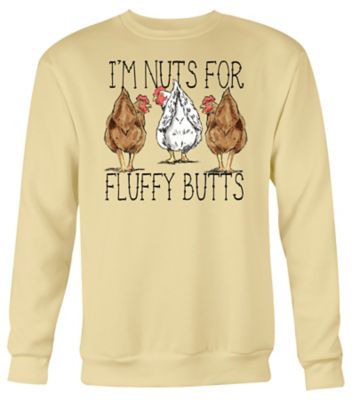
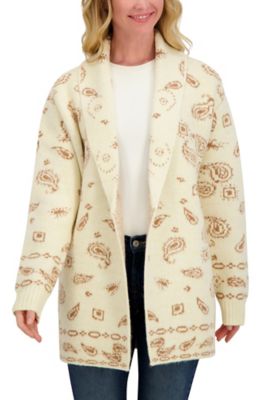
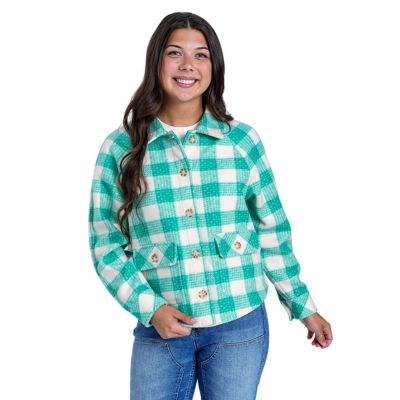
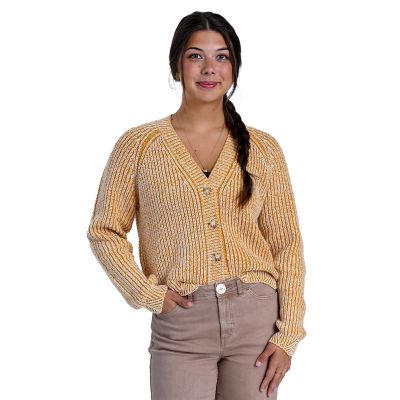
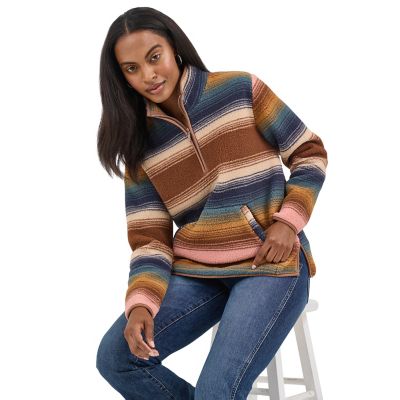
Women’s fall tops and sweaters bring together easy layering, comfortable fabrics, and the kind of everyday style that works with jeans and boots. Long-sleeve tees, knit pullovers, cardigans, and button-front shirts each have a place in a fall wardrobe, whether the day means heading to work, stopping at the feed store, or sitting down to supper with family. Lightweight tops slip beneath jackets without crowding the sleeves, while heavier knits add warmth for a chilly porch or an afternoon spent watching a ballgame from the bleachers. Cotton feels soft against the skin and breathes well, making it a practical choice for a base layer or a sweater worn indoors. Cotton blends can balance that familiar feel with stretch or easier care, depending on the fabric makeup. Wool offers warmth and helps manage moisture, though its feel against the neck and wrists varies with the fiber and construction. Acrylic and polyester blends often provide a soft, warm feel with less weight, but their washing needs still depend on the garment. A brushed surface feels different from a smooth jersey knit, and a thick cable pattern creates more texture than a fine-gauge sweater. Those differences matter when a top needs to fit beneath a chore coat or feel comfortable through a long drive. Fall colors such as rust, olive, burgundy, oatmeal, and brown pair naturally with denim, while cream, charcoal, and navy make simple foundations for repeat outfits. Plaids and subtle stripes add pattern without requiring much fuss elsewhere. A textured pullover with straight-leg jeans feels at home at a casual gathering, while a smooth-knit top tucked into dark denim can look a little more put together for dinner in town. The appeal is in having layers that suit real plans, rather than clothes that need a special occasion to leave the closet. The same tops can carry into winter beneath a heavier coat, with fabric weight and room for layering making the difference.
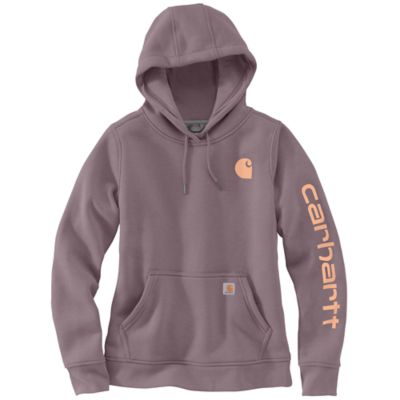
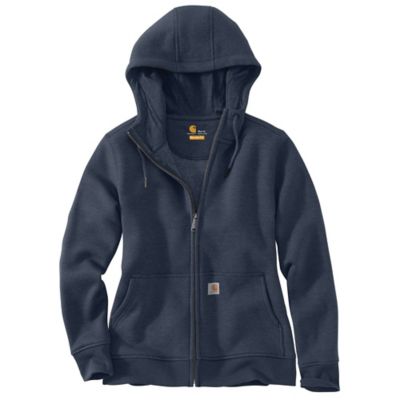
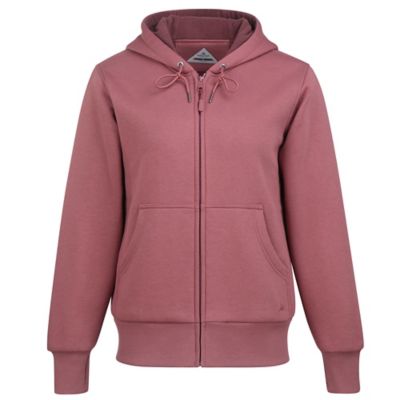
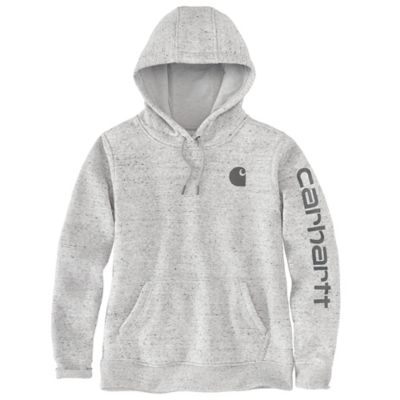
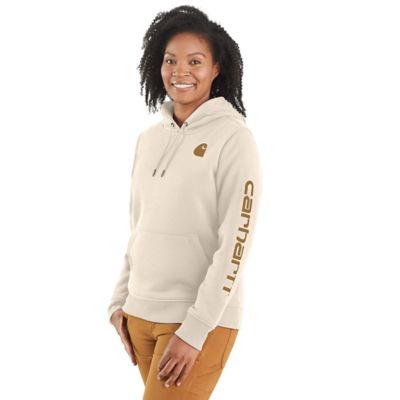
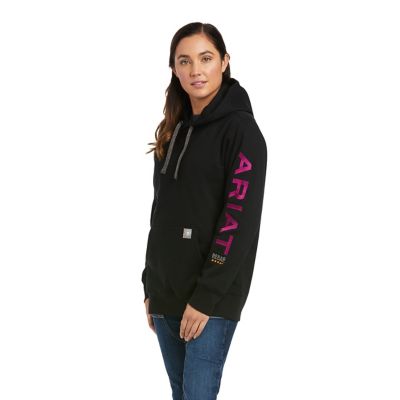
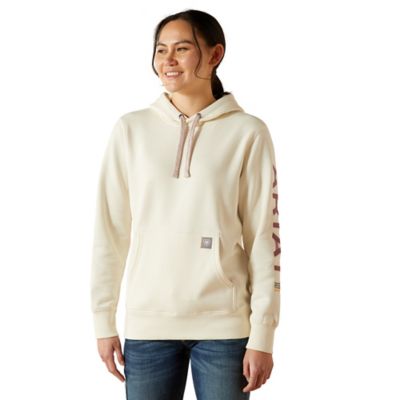
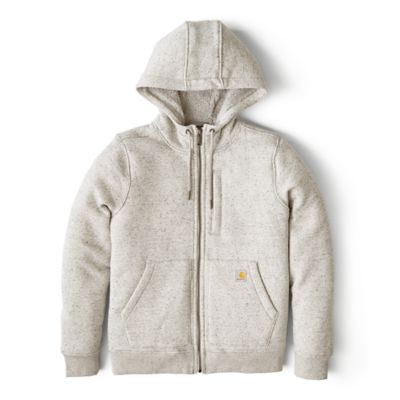
Fit shapes how women’s fall sweaters and tops feel from the first cup of coffee to the drive home. A close-fitting long-sleeve shirt makes a smooth starting layer, but it should still allow comfortable movement across the shoulders and upper arms. A relaxed pullover leaves space for a tee underneath, while an oversized shape has more room through the body and may need a roomier jacket over it. Those terms do not mean the same thing across every garment, so measurements and the intended silhouette tell more than a size letter alone. Shoulder seams, sleeve length, and the placement of the hem all affect the finished fit. A sweater that feels fine standing still may pull across the back when reaching for a high shelf, and a cuff that extends beyond the hand can become a nuisance while handling keys or carrying groceries. Ribbed cuffs can help keep sleeves in place, while ribbing at the hem may draw a sweater closer around the hips. Side slits allow a longer top to move more freely, especially when sitting, and a curved hem gives a button-front shirt a tidy look worn untucked. Crewnecks offer straightforward coverage and sit comfortably beneath many jackets. V-necks leave a little breathing room around the neckline and show a contrasting tee underneath. Mock necks and turtlenecks bring warmth higher on the neck without a separate scarf, although the feel of the fabric matters especially in that area. Cardigans are handy for moving between a brisk parking lot and a heated building because they open at the front instead of going over the head. Buttons, zippers, and pockets add function, but their placement can also affect how a layer lies beneath a coat. For a more laid-back layer with a hood,
Women's Fall Hoodies offer another direction for casual fall outfits. Whatever the shape, the most comfortable combination leaves enough room to bend, sit, and reach without constant tugging at sleeves or hems.
Everyday wear also puts the fabric and construction to the test. Close, even stitching, neatly finished seams, and cuffs that recover after stretching are worth a look in tops that will see frequent wear. Dense knits generally leave fewer openings to catch on rough surfaces than loose, open stitches, though any sweater can snag on a splintered bench or an exposed hook. A fine-knit cardigan makes sense for the office or a family visit; a smooth, washable top may be a better match for errands that include loading bags into the truck. For hands-on tasks, sleeves that stay close to the wrist are more practical than wide cuffs, and loose clothing should stay clear of moving equipment. Warmth alone does not make a sweater a substitute for protective work clothing or an outer layer that blocks wind and rain. Care requirements deserve just as much attention as color and fit, particularly when laundry happens between a full day’s work and evening chores. The care label is the starting point: some knits allow machine washing, while others call for hand washing or professional cleaning. Cool water and a gentle cycle can be appropriate for washable sweaters when the label permits them, and a mesh laundry bag helps limit friction with other clothing. Heavy knits may stretch if hung while wet, so laying them flat and gently bringing them back to shape is often part of their care. Folding sweaters for storage also helps prevent stretched shoulders. Pilling can develop where fabric rubs beneath the arms or against a seat belt; careful removal with a tool suited to the fabric can tidy the surface without pulling at the yarn. These details matter for gifts, too. A fall top or sweater can be a thoughtful choice for someone who likes comfortable layers, especially when the neckline, sleeve length, and laundry routine match what she already enjoys wearing. A familiar fit and an easy-to-pair color can make it a welcome part of ordinary days, from a quiet breakfast at home to an evening out with friends.