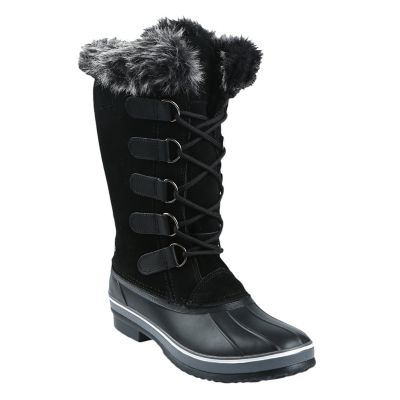
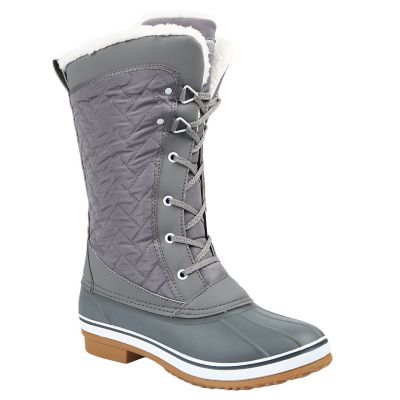
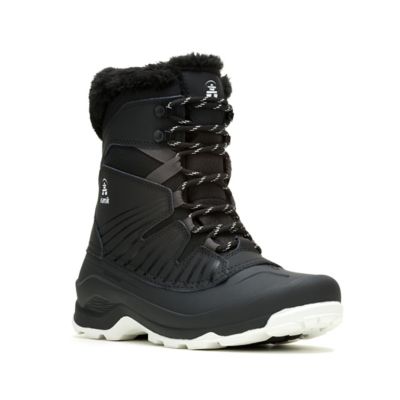
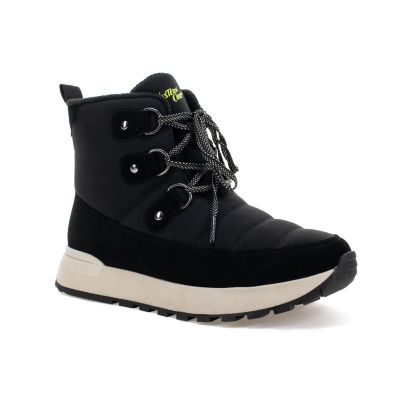
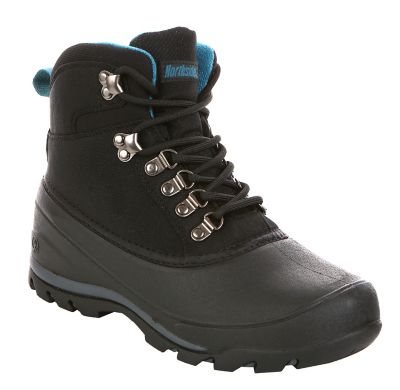
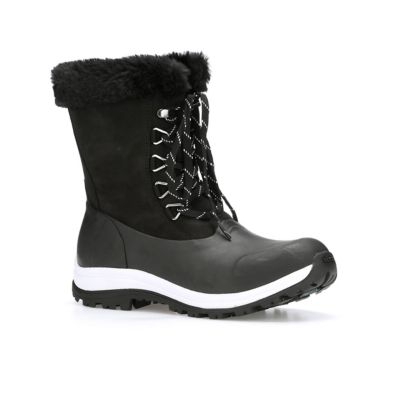
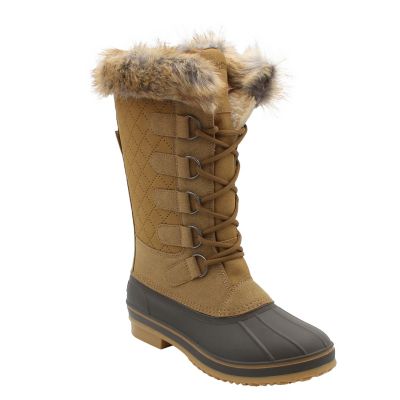
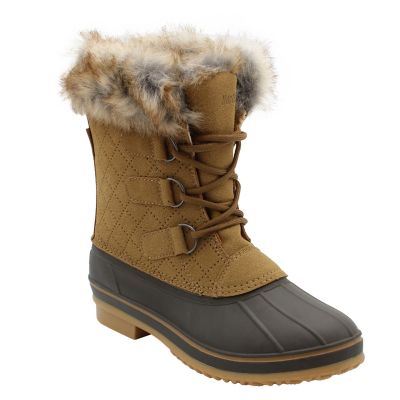
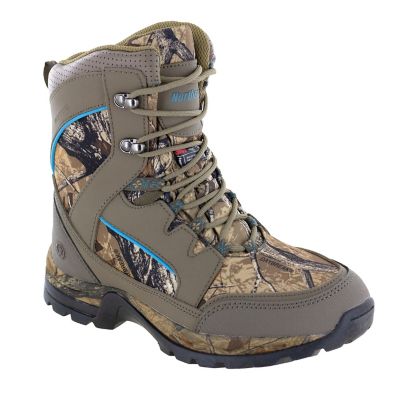
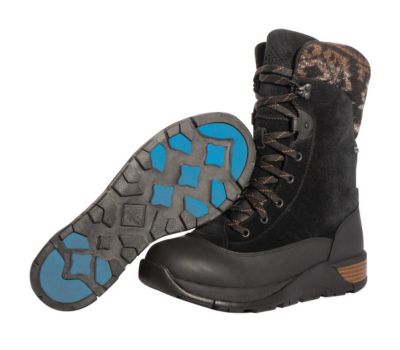
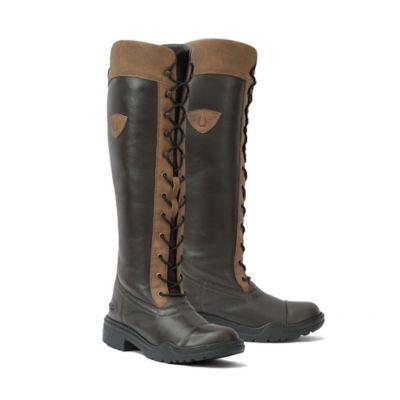
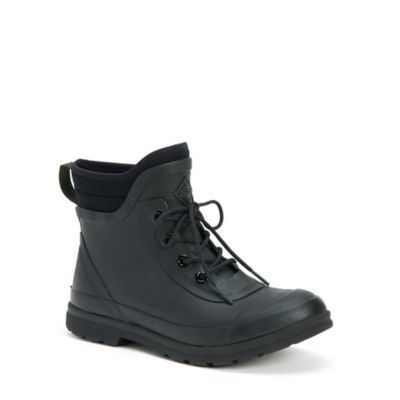
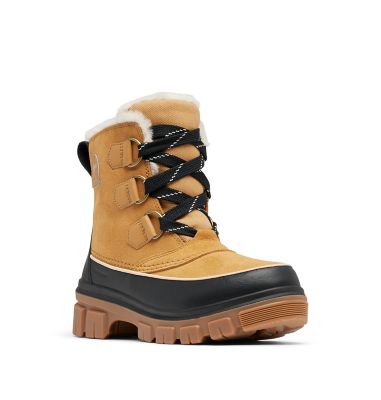
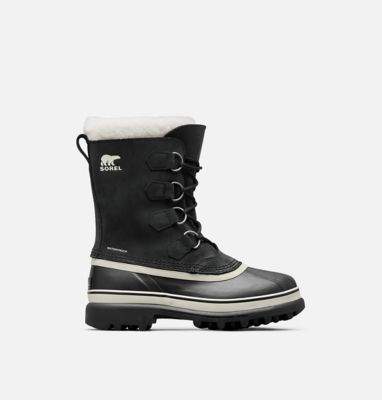
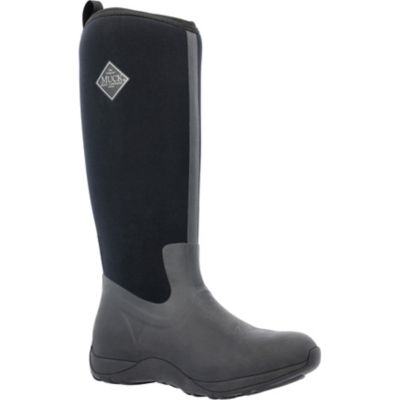
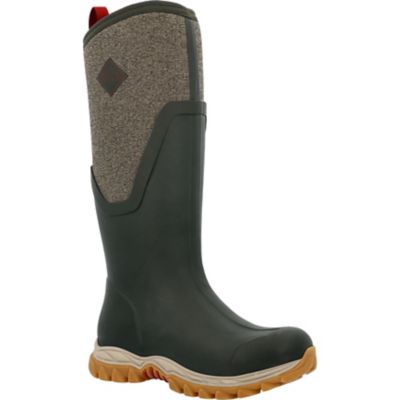
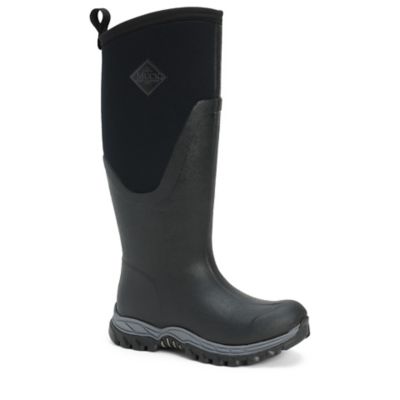
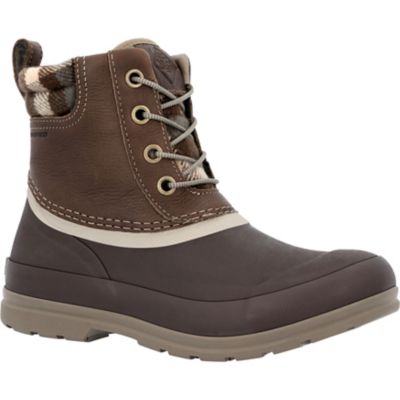
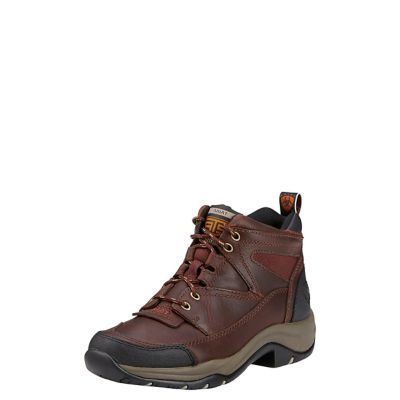
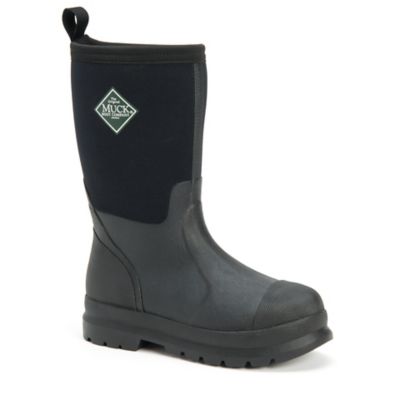
Women’s lace-up snow boots combine adjustable support, cold-weather insulation and soles designed for snowy ground, with many styles adding waterproof protection for slush and melting snow. They’re a practical fit for women heading down a long driveway, walking the dog past snow-covered fence lines or making a trip into town when the parking lot is a mix of puddles and packed snow. The lace-up design lets the fit change through the foot and ankle, helping hold the heel in place without requiring the same tightness all the way up the shaft. Materials make a difference in how these boots feel and handle winter conditions. Leather uppers can offer structure and resistance to everyday scuffs, while synthetic fabrics often keep weight down and allow easier movement. Rubber lower sections help shield the foot from wet ground, although a rubber bottom alone does not make the entire boot waterproof. Protection above that section depends on the upper material, seams and overall construction. Waterproof membranes and sealed seams can help keep outside moisture from reaching socks, and a gusseted tongue helps close the gap behind the laces. Water resistance offers less protection than waterproof construction, especially during longer contact with slush. For wet conditions,
Women's Waterproof Lace Up Boots are another category to consider alongside insulation, tread and shaft height. Warmth may come from synthetic insulation, fleece linings or removable liners, depending on the design. A soft lining adds comfort, but its appearance alone doesn’t indicate how much warmth a boot provides. Insulation weight and any temperature rating are worth considering in light of activity level, socks and time outdoors. A brisk walk to the mailbox creates more body heat than standing beside a gate waiting for a delivery, so the warmest-feeling choice for one routine may feel too hot for another. Breathable construction and moisture-managing socks matter, too, since dampness from perspiration can leave feet feeling cold even when snow stays outside.
A comfortable fit leaves room for the toes to move while keeping the heel from lifting excessively with each step. Women’s lace-up snow boots should accommodate the socks intended for them without squeezing the forefoot or pressing across the top of the foot. Extra-thick socks aren’t automatically warmer if they crowd the boot and compress its insulation; a well-fitting wool-blend or synthetic sock can be a better match than several tight layers. Foot shape matters as much as the size printed inside. A roomy toe box, a narrower heel or an adjustable shaft can make a noticeable difference over a full afternoon outside. Laces allow separate adjustments across these areas, and upper hooks can make it easier to loosen the opening before stepping in. Closures should pull snug without cutting into the ankle, and lace ends belong tucked away from moving equipment and other snag points. Shaft height also changes how a boot fits into a daily routine. A shorter shaft can be easier for frequent trips between the house and truck, while a taller shaft offers more coverage when snow piles along a path. Snow can still enter over the top, so deeper drifts may call for compatible gaiters or snow pants that overlap the opening. Underfoot, tread depth and spacing influence how the sole grips loose snow and sheds buildup. Widely spaced lugs can help release snow and mud rather than letting it pack into a smooth layer. Rubber compounds also vary in how flexible they remain in cold conditions. No ordinary snow-boot sole guarantees footing on ice, particularly on glazed steps or a frozen slope; compatible traction aids may be appropriate where permitted and needed. Cushioning and a supportive footbed help with walking comfort, while a broad, stable base can feel steadier on uneven ground. Snow boots intended for everyday outings aren’t a substitute for footwear with required protective features around livestock, machinery or jobsite hazards.
Long-lasting wear depends on both construction and what happens after the boots come through the mudroom door. Reinforced toe areas can help limit wear from bumps against porch steps, and sturdy eyelets help the lacing system handle repeated tightening. Secure stitching and sound connections between the sole and upper matter where the boot flexes during walking. Road salt, grit and trapped moisture can take a toll on these areas, so regular care helps preserve their condition. Once loose snow and dirt are brushed away, salt residue can usually be wiped off with a lightly damp cloth, following the material’s care directions. Leather may need a compatible conditioner, while fabric panels and waterproof membranes require treatments suited to their construction. Renewing an approved water-repellent surface finish can help moisture bead, but it won’t repair a torn membrane or an opening along a seam. Boots dry best with the laces loosened and tongues opened in a ventilated spot away from direct heat. Removable liners and footbeds can dry separately when their care instructions allow; a boot dryer should stay within the footwear maker’s temperature recommendations. Putting damp boots against a stove or heater can damage materials, adhesives and finishes. Before longer storage, clean boots should be fully dry, with their shape supported and the shafts resting naturally rather than folded sharply. Those habits help keep winter footwear ready for the next snowy outing. As a gift, women’s lace-up snow boots make the most sense when the recipient’s usual size, foot width and daily routine are known. Someone who spends time standing outdoors may appreciate more insulation and underfoot cushioning, while a woman who walks between buildings all day may favor lighter weight and easier ankle movement. The right combination comes down to warm, dry comfort, a secure fit and coverage that suits the ground she crosses, whether that’s a shoveled walkway, a gravel drive or a snowy path to the feed shed.