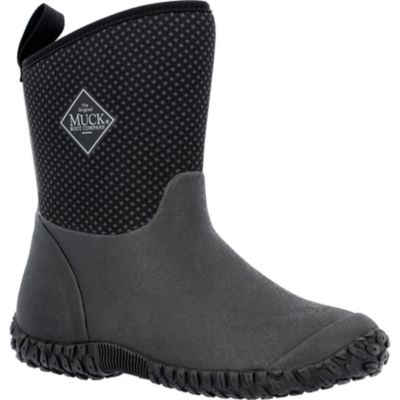
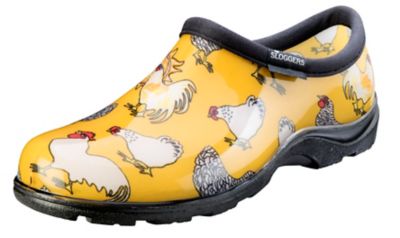
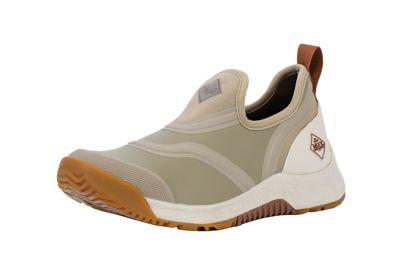
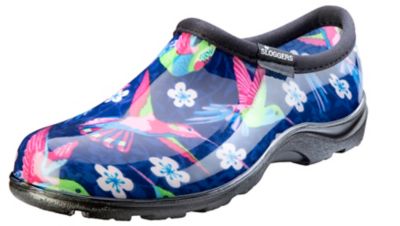
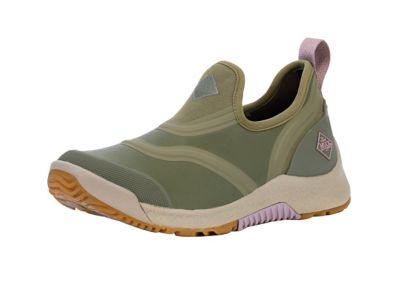
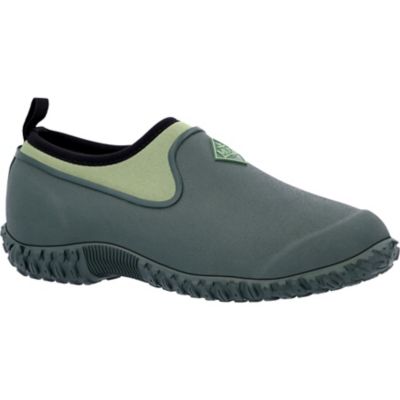
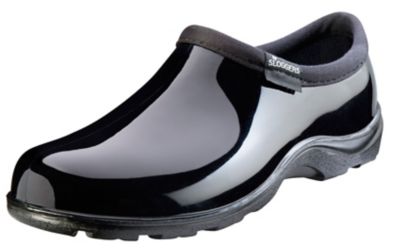
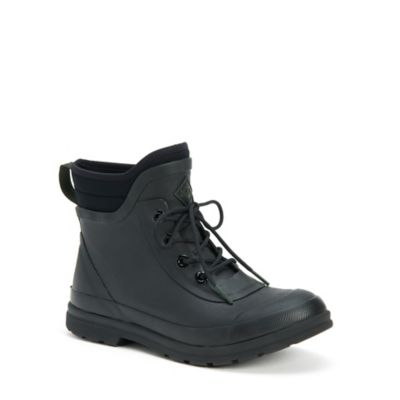
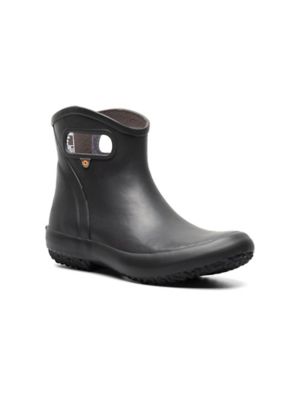
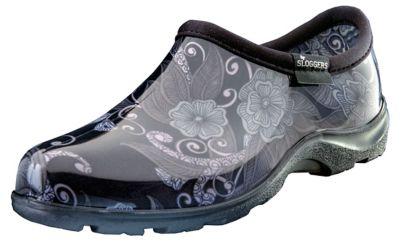
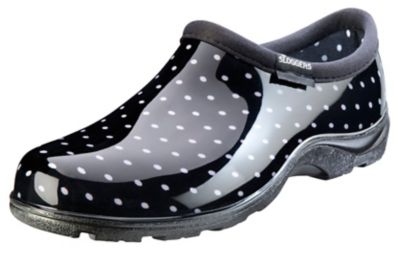
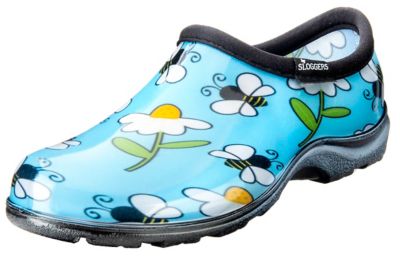
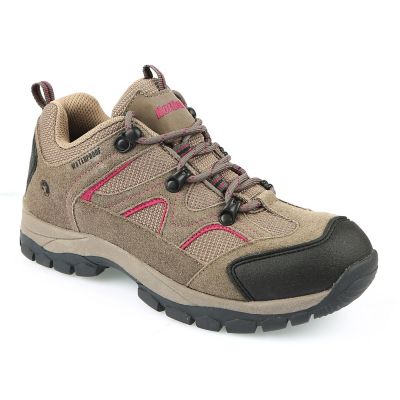
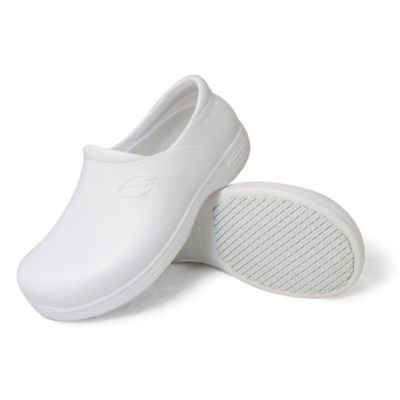
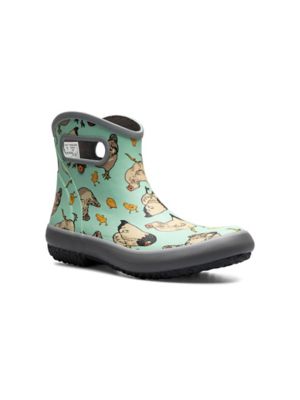
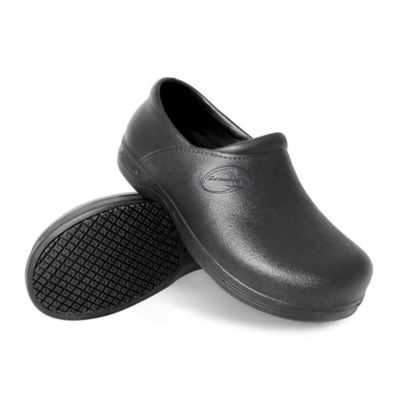
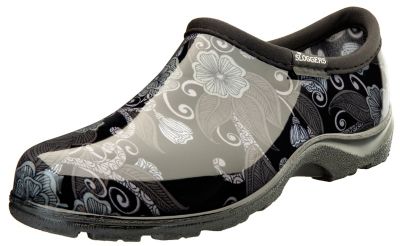
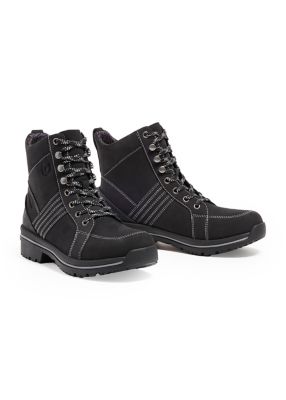
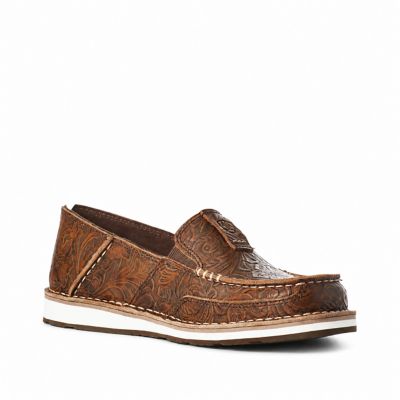
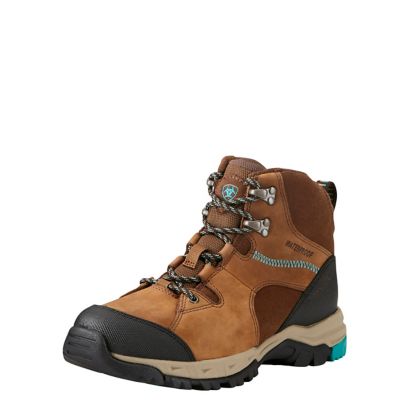
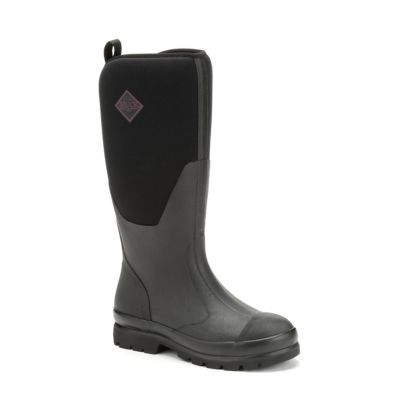
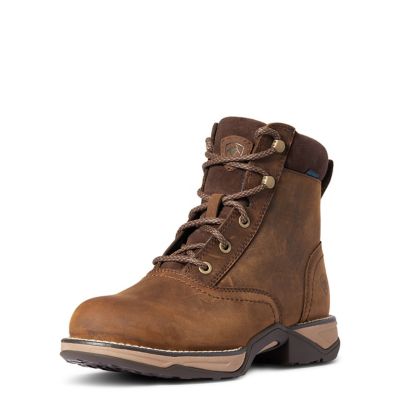
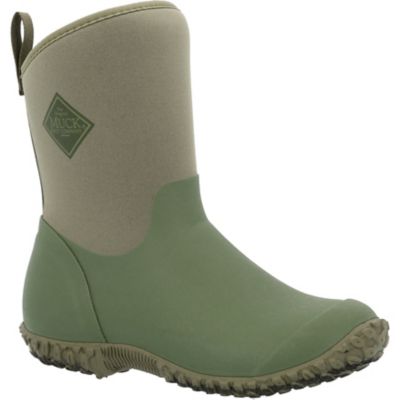
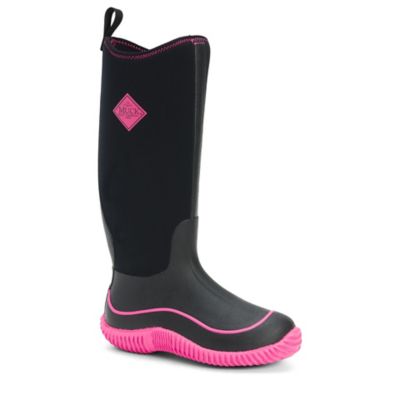
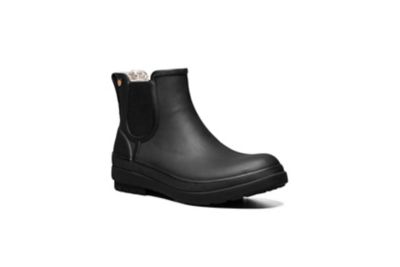
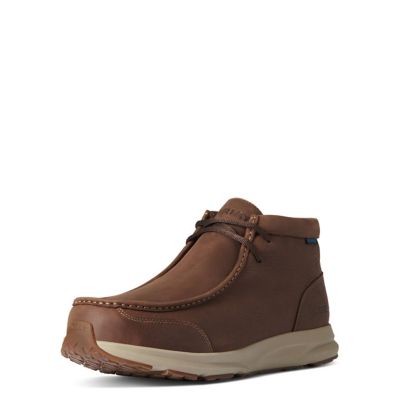
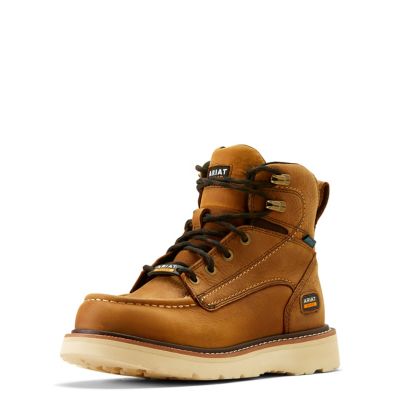
Women's waterproof casual shoes are everyday footwear made to help keep feet dry in rain, wet grass, and shallow puddles without the height or weight of a full-size boot. They bring water protection to familiar shapes such as sneakers, slip-ons, and low-cut walking shoes, making them a practical choice for errands, neighborhood walks, and light tasks around the place. A trip down a dew-covered lane to the mailbox or across a rain-soaked parking lot calls for something different from a tall chore boot, especially when the next stop is lunch in town. Waterproof construction can include a waterproof membrane, sealed seams, molded rubber, or a combination of materials that limits water entry. Leather uppers offer a substantial feel and a look that works with everyday denim, while synthetic uppers can be lighter and easier to wipe clean. Textile panels may add flexibility, though their ability to block moisture depends on the construction underneath, not simply the fabric on the outside. Waterproof and water-resistant footwear are not the same: water-resistant materials handle limited moisture, while waterproof footwear is designed to block water under the conditions specified for the shoe. Even then, a low-cut opening leaves a path for water to enter from above. These shoes suit damp ground and everyday splashes better than deep puddles, creek crossings, or prolonged soaking. Some designs pair a waterproof barrier with materials that let moisture vapor escape, helping manage the dampness feet create during activity. Breathability varies, so a fully molded shoe can feel different from a lined lace-up during a long stretch on foot. For women moving between the porch, the pickup, and the grocery store, that balance of water protection, flexibility, and easy wear often matters more than heavy-duty features meant for demanding work. The appeal is straightforward: footwear that looks at home with casual clothes and takes a little wet ground in stride. A comfortable pair can cover several ordinary stops without making the whole day feel like a job that calls for work boots.
Fit and underfoot support shape how women's waterproof casual shoes feel after the first few steps. A good fit leaves room for toes to spread without allowing the heel to slide with every stride. The widest part of the foot should sit comfortably in the widest part of the shoe, with no pinching across the forefoot or pressure over the top. Waterproof linings add another layer inside, so the fit may feel different from an unlined shoe of a similar shape. The socks planned for everyday wear belong in that fit decision, too; a thicker pair takes up more space, while a thin pair can change how securely the heel sits. Lace-up closures allow more adjustment across the instep, which can help when feet swell during a day of walking. Slip-on styles keep getting out the door simple, but their opening and heel shape need to hold the foot without squeezing. Cushioned footbeds soften the feel of pavement, and a supportive midsole helps keep each step steady when a quick errand turns into an afternoon on foot. Removable insoles may provide room for a preferred insert, provided the shoe still fits properly afterward. Outsole construction matters just as much as cushioning. Rubber compounds, tread patterns, and channels that shed water all affect how a shoe meets the ground. Defined tread can help on gravel and damp paths, while closely spaced grooves may suit smoother surfaces; performance depends on the surface and the footwear's stated purpose. Waterproofing alone does not make a shoe slip-resistant, and no tread makes slick leaves, algae-covered boards, or ice safe. For walking the dog along a lane, browsing a farm stand, or spending time on concrete, a flexible sole with a stable base can make a welcome difference. Casual waterproof footwear is not a substitute for safety footwear where protective toes, puncture resistance, or other job-specific features are required. Its place is everyday movement, with enough comfort and protection for the kinds of wet-ground encounters that happen between bigger chores.
The right construction also makes a difference in how well everyday shoes hold up and how much attention they need between outings. Reinforced areas around the toe and heel can help with scuffs from gravel, steps, and getting in and out of a truck. Well-finished seams and a secure connection between the upper and outsole support long-term wear, especially where the shoe bends with each step. Mud left in those flex points can rub against the material, so brushing away loose dirt and wiping off residue helps keep the surface in good shape. Care depends on the upper: leather may need a compatible conditioner, while synthetic materials often call for a damp cloth and a mild cleaner approved by the footwear manufacturer. Waterproof membranes and surface treatments have their own care requirements, and an unsuitable spray or cleaner can interfere with performance. After a wet outing, shoes generally benefit from drying at room temperature with good airflow, away from a heater, woodstove, or hot dryer that could affect adhesives and materials. Removing the insoles, when the design allows, helps the inside dry more thoroughly. A little attention to the lining, seams, and tread makes it easier to notice wear before the next long walk. Beyond construction and care, casual styling gives these shoes a useful place in an everyday wardrobe. Simple profiles sit neatly under straight-leg jeans, while sneaker shapes work with joggers and relaxed pants for walking or running errands. Low-cut openings allow easy movement around the ankle; for a higher opening and more coverage above the foot,
Women's Waterproof Walking Boots offer another footwear category to consider. Waterproof casual shoes can also make a thoughtful gift for someone who spends plenty of time on foot, especially when her size, preferred width, and favorite closure style are known. Whether the day's route follows sidewalks, a gravel drive, or the path from the house to the shed, comfortable fit and suitable water protection help keep attention on what needs doing.