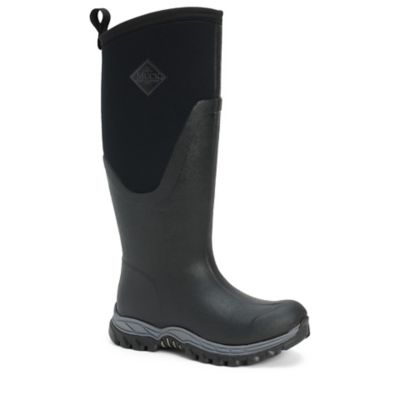
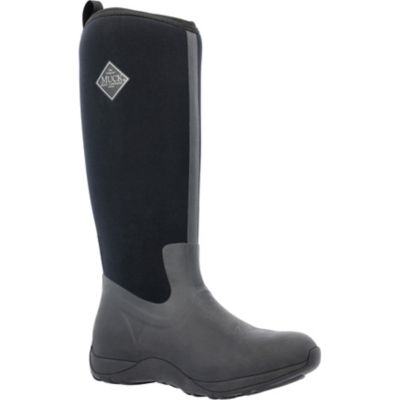
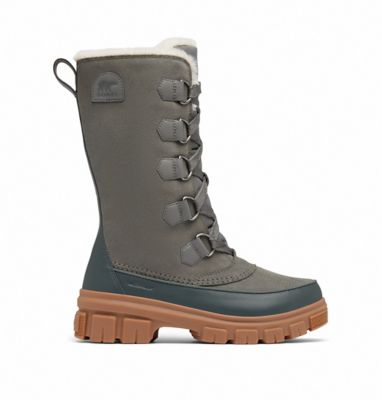
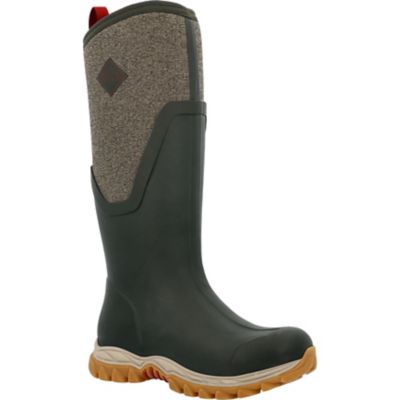
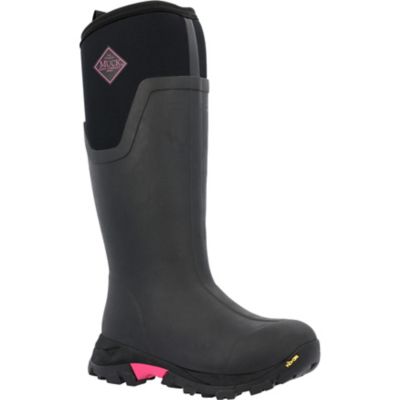
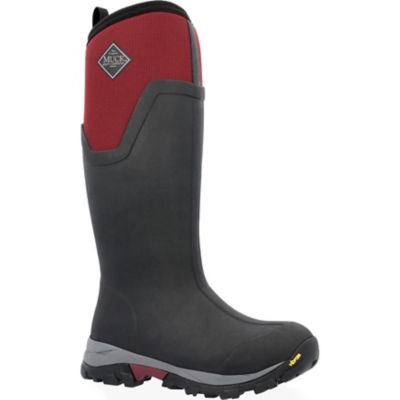
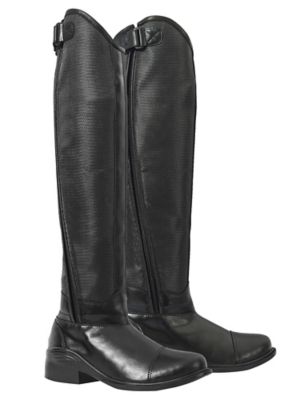
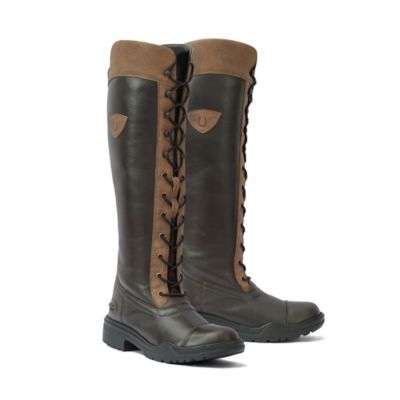
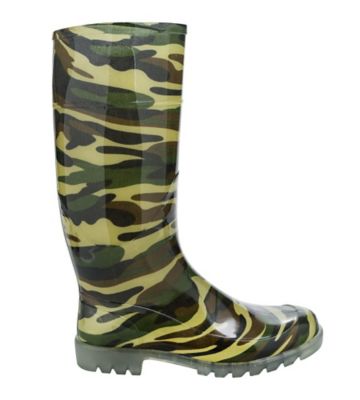
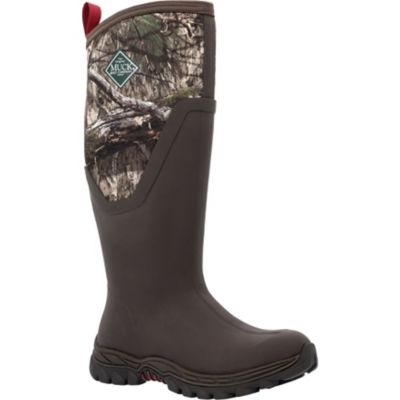
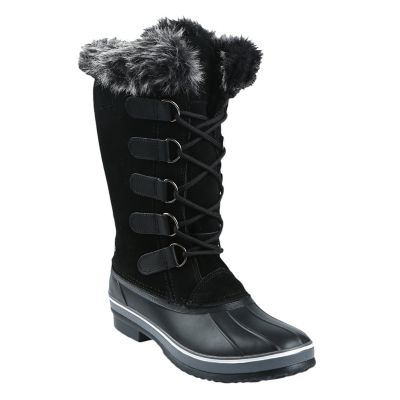
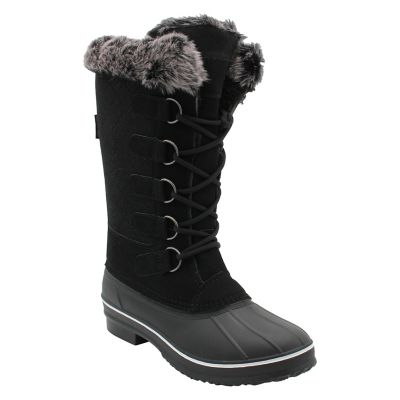
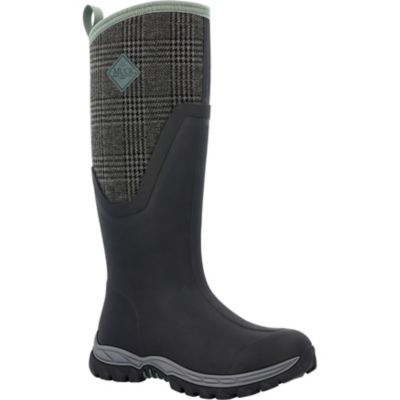
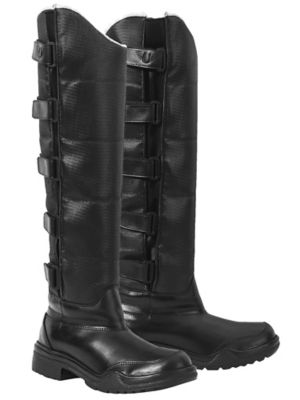
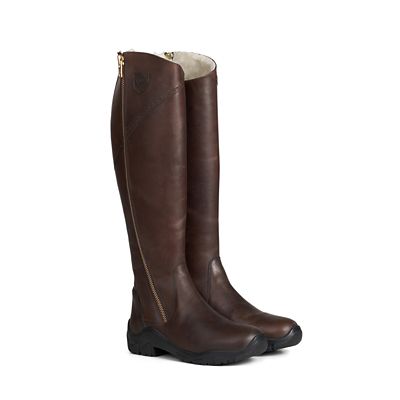
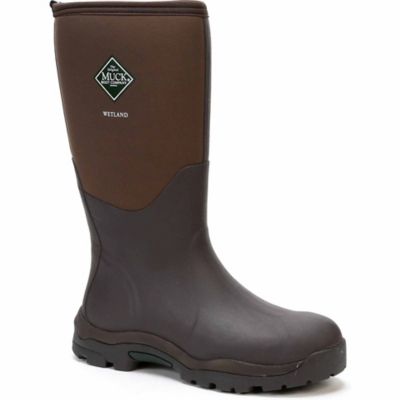
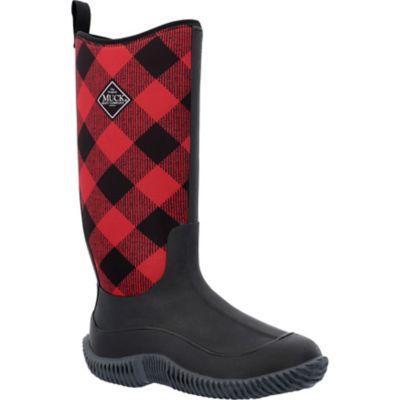
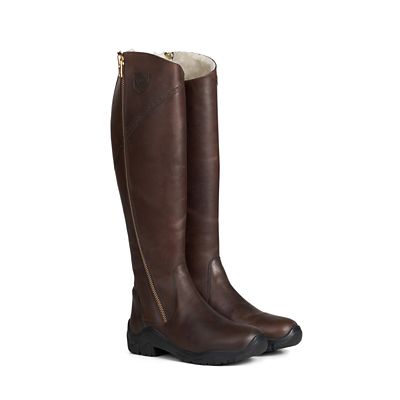
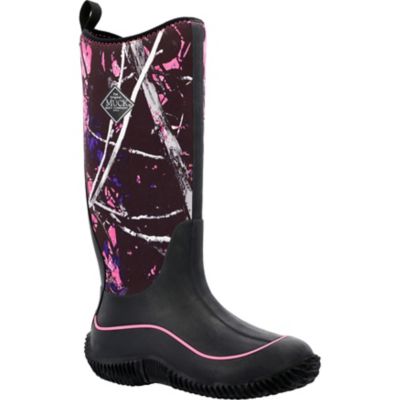
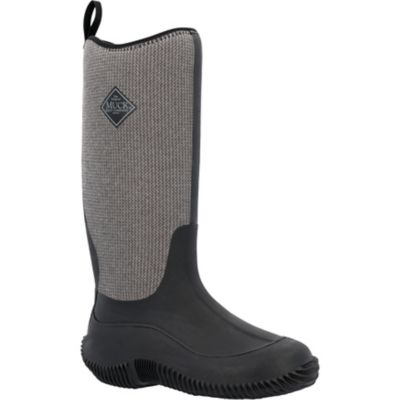
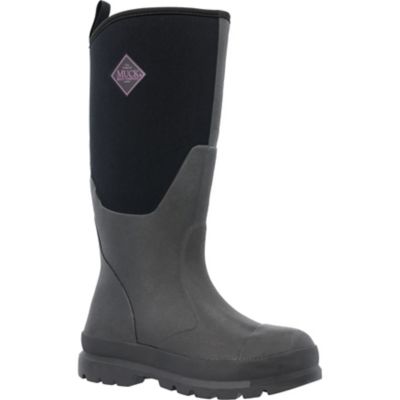
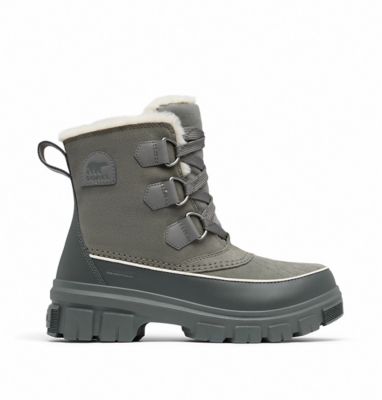
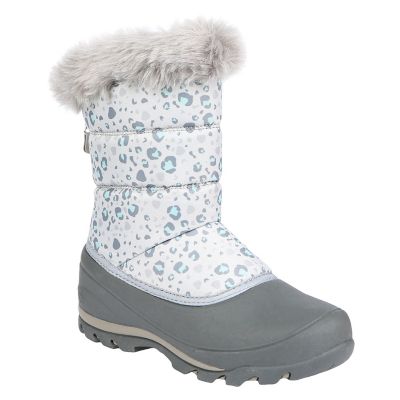
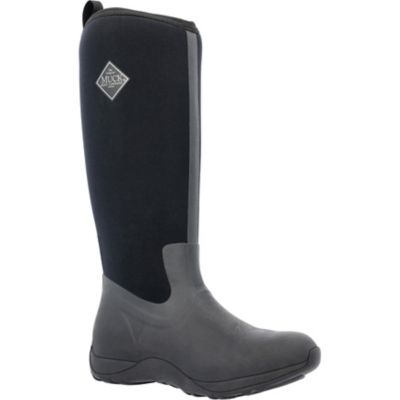
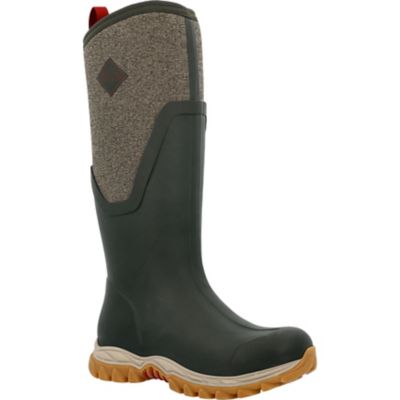
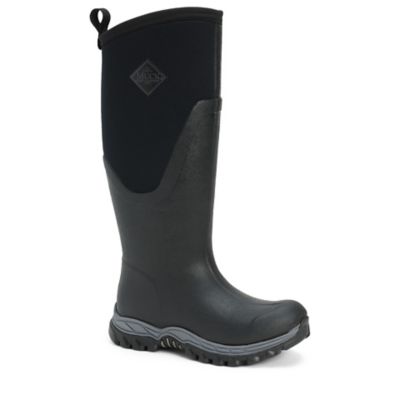
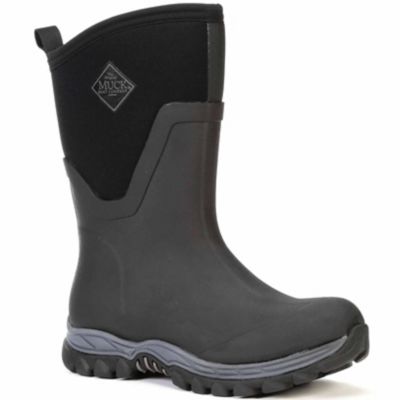
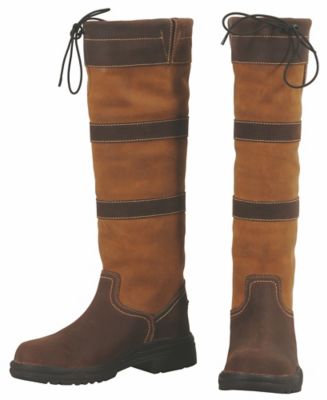
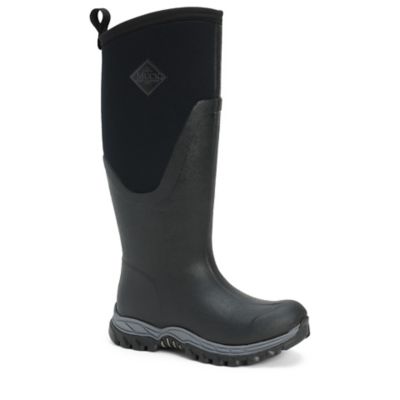
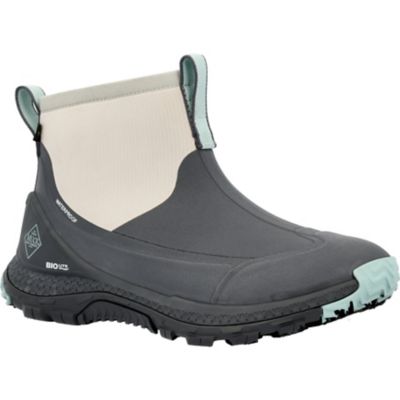
Women's tall waterproof snow boots help take the sting out of snowy walks, slushy parking lots, and the path between the house and the feed shed. Their taller shafts provide extra coverage around the lower legs, helping keep drifting snow and wet brush from reaching socks and pant cuffs. That coverage comes in handy when the driveway needs clearing, the animals need checking, or a quick trip to the mailbox turns into a longer stretch outside. Waterproof construction matters just as much as height, especially where packed snow turns to puddles around gates and doorways. Rubber lower shells, waterproof leather, synthetic uppers, and waterproof membranes are common approaches, with each bringing a different feel and level of flexibility. Leather can offer a substantial, structured feel, while textile panels may allow easier movement and reduce weight. Sealed seams and the construction around the tongue and closures also affect how well a boot keeps water out; a tall shaft alone does not make the whole boot watertight. Water can still enter over the opening, so shaft height and the depth of snow or standing water deserve a little attention. Insulation adds another layer of comfort, but more insulation is not automatically the best match for every outing. Standing beside a sledding hill calls for something different from walking briskly down a long lane. Heavily insulated boots may feel welcome during slow-moving chores, while a lighter build can be more comfortable for active days with frequent stops indoors. Soft linings can make boots pleasant to pull on, though lining softness and warmth are not the same thing. Temperature ratings, where provided, are a starting point rather than a promise, since socks, activity, moisture, and personal comfort all play a part. The best match feels suited to the way the day actually goes, whether that means a few short trips across the yard or several hours on the move.
Fit makes a big difference when a boot reaches well above the ankle. Along with foot length and width, calf room and shaft height shape how comfortable the pair feels through a full day. A shaft that sits comfortably on one person may press behind another person's knee, especially while sitting or climbing steps. There should be enough room for the socks normally worn with snow boots and enough space to wiggle toes without the heel lifting excessively. Thick socks squeezed into a tight boot can leave feet feeling colder instead of warmer. Wool-blend or synthetic socks help manage moisture, which matters when outdoor chores alternate with time in a heated truck or store. Tall shafts also need to work with pants: leggings fit differently from straight-leg jeans, and tucked-in cuffs take up space around the calf. Adjustable laces, gussets, and closures can help accommodate those differences, depending on the design. Zippers make entry easier, although their placement and water protection vary. Pull-on styles keep the routine simple, while lace-up designs offer more control over the fit through the ankle and lower leg. Underfoot comfort deserves the same attention as the upper. Cushioning softens repeated steps on hard-packed paths, and a supportive footbed can make standing at an outdoor event less tiring. Removable footbeds may leave room for compatible inserts and can make drying easier. Outsoles with substantial tread can help with footing in snow, while spacing between lugs affects how readily slush and packed snow clear away. No tread makes slick ice risk-free, and steep or glazed surfaces still call for caution. Boot weight and ankle flexibility matter, too, particularly on stairs or longer walks. For a broader look at shaft shapes and everyday styling,
Women's Tall Boots includes the taller silhouette beyond snow-focused footwear. Within waterproof snow styles, practical details such as easy-grip zipper pulls and pull tabs can make getting out the door less of a production, especially with cold hands.
Keeping tall waterproof snow boots ready for the next outing starts with giving moisture and grit somewhere to go besides deeper into the materials. Road salt, mud, and slush can collect around seams, soles, and the folds near the ankle, where a quick wipe after wear helps prevent buildup. Cleaning methods depend on the upper: rubber often needs only a soft cloth and a suitable mild cleaning solution, while leather and textile materials may call for their own care products. Manufacturer directions matter here, particularly for treatments intended to maintain water resistance without affecting the material or membrane. Waterproof construction still needs sensible care, and a spray treatment cannot fix a split seam or a cracked shell. After a wet day, boots benefit from drying in a ventilated spot away from a woodstove, radiator, or other direct heat source. Excess heat can damage materials, adhesives, and linings. Removable liners and footbeds, when the design includes them, can dry separately according to their care instructions. Boots should be dry before they head into storage, with enough space to keep tall shafts from staying sharply folded. Regular attention to loose stitching, worn tread, and changes around seams can help catch trouble before the next deep snowfall. Those details matter for footwear that sees repeated trips across gravel, porch steps, and frozen ground rather than an occasional walk from the car. A well-matched pair can also make a thoughtful gift for someone who spends time feeding animals, walking a dog, cheering from a snowy sideline, or visiting family where the driveway stays white long after the road is clear. Knowing the recipient's shoe size, usual sock thickness, calf fit, and preference for pull-on or lace-up footwear makes that choice more personal and practical. From the first walk across a frost-covered yard to the last stretch through melting snow, comfort comes from the whole boot working together: enough coverage, suitable warmth, a secure fit, and materials cared for between outings.