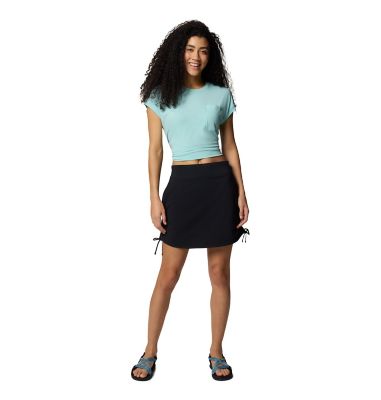
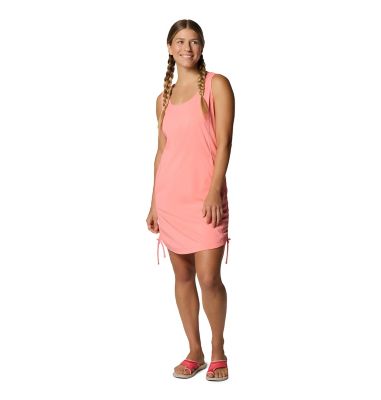
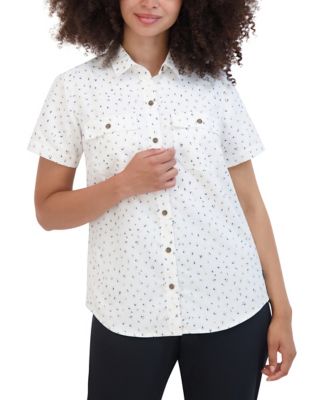
Women's sun protection clothing helps limit the ultraviolet radiation that reaches covered skin, whether the day involves tending a garden, checking fence lines, fishing from the bank, or walking a trail. The rating to look for is UPF, short for Ultraviolet Protection Factor. UPF describes how much UVA and UVB radiation passes through a fabric, while SPF is the rating commonly found on sunscreen. Fabric rated UPF 50 blocks about 98% of UV radiation under test conditions; a UPF 50+ label indicates protection at least that high. Not every long sleeve or pair of pants has a tested UPF rating, and a garment's appearance alone cannot confirm its level of protection. Coverage matters, too: the fabric can only shield the skin it covers. Long sleeves, higher necklines, longer hems, and full-length legs can reduce exposed areas without requiring a heavy outfit. That makes sun-protective clothing a practical choice for women who spend hours outside for work, chores, recreation, or a little of each. UV exposure is not limited to hot, bright afternoons, so a cool breeze or an overcast sky should not be the only measure of whether protection belongs in the day's outfit. Water, sand, and snow can reflect UV rays, adding another consideration for time outdoors. Clothing offers a way to keep covered areas protected without repeatedly applying lotion beneath the fabric, provided the garment stays in place and performs according to its label. It still belongs alongside other sun-safety habits, including seeking shade, wearing a brimmed hat and UV-protective sunglasses, and applying broad-spectrum sunscreen to exposed skin. The aim is straightforward: coverage that fits the day's work and feels comfortable enough to keep on. Pulling sleeves up to the elbows or leaving a neckline open changes how much skin is protected, even when the fabric itself carries a high UPF rating. For long stretches outdoors, a wearable fit can matter just as much as the number on the tag.
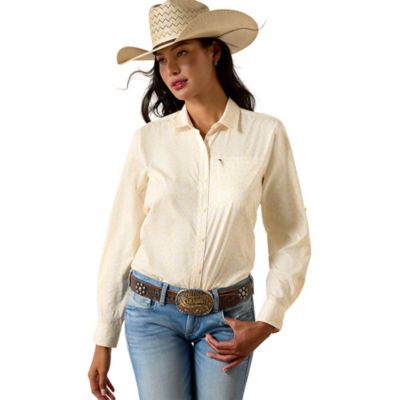
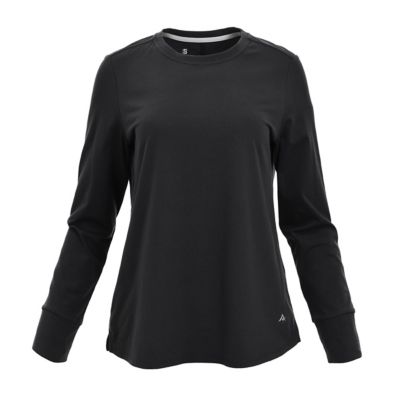
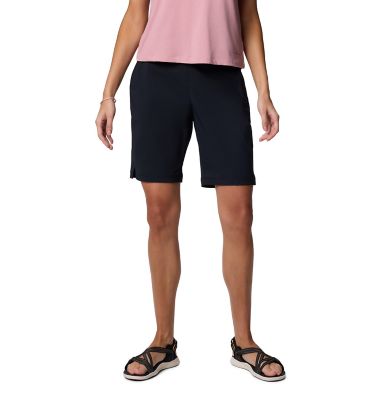
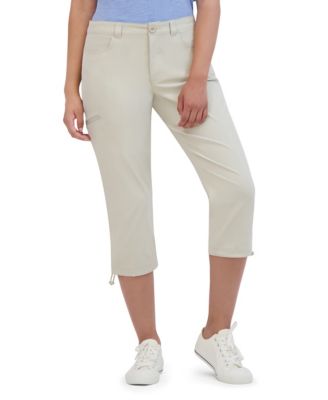
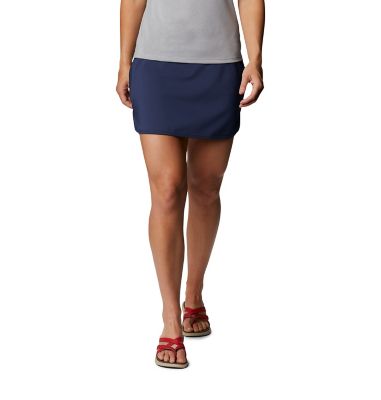
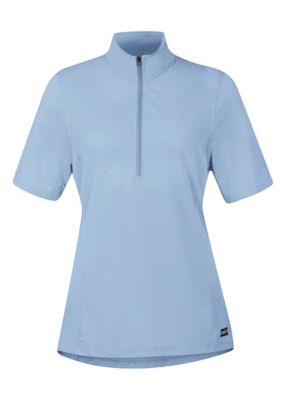
Fabric construction plays a big part in how sun protection clothing feels and functions. Closely constructed fabrics generally allow less UV radiation through than loosely constructed ones, but fiber type, color, finishes, and other details also affect performance. Polyester and nylon often appear in lightweight outdoor clothing because they can dry quickly and handle regular activity. Stretch blends can make bending, reaching, and climbing more comfortable, while cotton blends may appeal to women who prefer a familiar fabric feel. None of those fiber names, by itself, guarantees a particular UPF rating. Check the garment's stated rating rather than assuming that a darker color, thicker feel, or synthetic fiber tells the whole story. Breathability and moisture management matter when the work includes carrying feed, clearing brush, or spending an afternoon behind a mower. Moisture-wicking fabric can move perspiration away from the skin, and ventilation can help with comfort, though open mesh panels may not provide the same protection as the surrounding fabric. Fit deserves a hands-on check before a full day outside. Reach forward as though holding handlebars, stretch overhead as though fastening a gate latch, and bend as though pulling weeds. Sleeves should not ride far above the wrists, and a hem should keep the lower back covered through those movements. A close fit should not mean fabric stretched tight across the shoulders, hips, or thighs; excessive stretching can reduce protection in some materials. A little room also helps clothing move without binding at the elbows or knees. Neck openings, cuffs, and closures let you adjust coverage, while flat seams and thoughtfully placed pockets can make a difference under pack straps or around a waistband. For an easy starting point when comparing upper-body coverage,
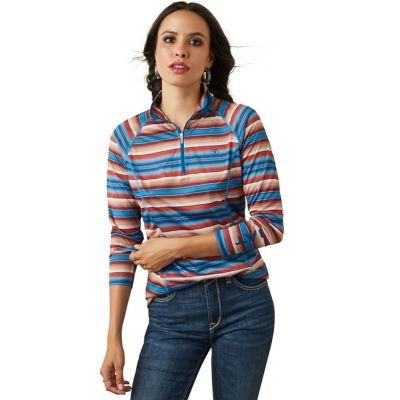
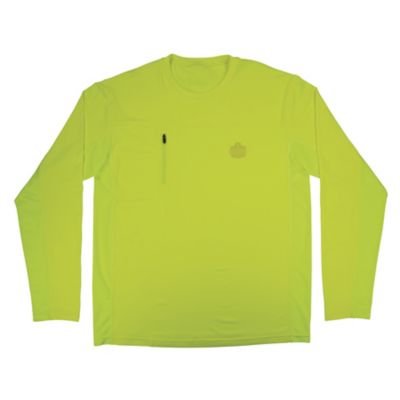
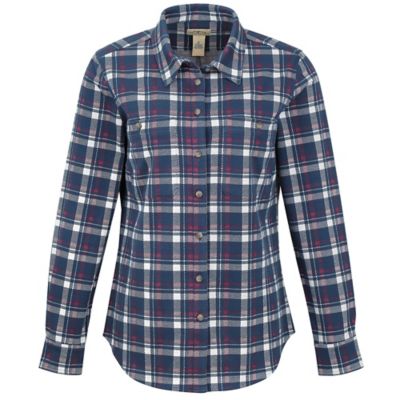
Long Sleeve Shirts With Sun Protection brings the focus to a familiar shape that works with many everyday outdoor outfits. The best match is one that accommodates the motions and equipment involved in the job, rather than simply looking right while standing still.
Care and everyday wear also affect how well sun-protective clothing serves its purpose over time. Follow the care label for washing, drying, and any limits on bleach, fabric softeners, or other laundry treatments. Some fabrics get their protection largely from their construction, while others also rely on treatments, so there is no single care routine that suits every garment. A UPF label does not mean the fabric is unaffected by abrasion, stretching, repeated laundering, or damage. Check the elbows, cuffs, shoulders, seat, and knees for thinning, snags, and holes, especially when clothing spends plenty of time against rough boards, brush, saddle surfaces, or equipment. Reinforced seams and fabric suited to the task can help clothing stand up to regular wear, but lightweight sun protection clothing is not a substitute for protective equipment required around machinery, chemicals, sparks, or other workplace hazards. Wet fabric may also perform differently from dry fabric, so check whether the garment's protection claims address water exposure if fishing, paddling, or working around water is part of the plan. For everyday comfort, think through the whole outfit rather than one covered area: a gap between a sleeve and glove or between a shirt hem and waistband can leave skin exposed during movement. Apply broad-spectrum sunscreen with SPF 30 or higher to uncovered areas, following the label's directions for reapplication, especially after sweating or swimming. When choosing clothing as a gift for someone who gardens, rides, camps, or works outdoors, familiar sizing and a preferred fit are more helpful than guessing based on appearance. Consider whether she likes room through the shoulders, longer coverage at the hips, easy-to-manage cuffs, or fabric that dries quickly after washing. Women's sun protection clothing earns its place through that kind of everyday practicality: tested coverage, comfortable movement, manageable care, and a fit that stays put from the first chore to the last walk back to the house.