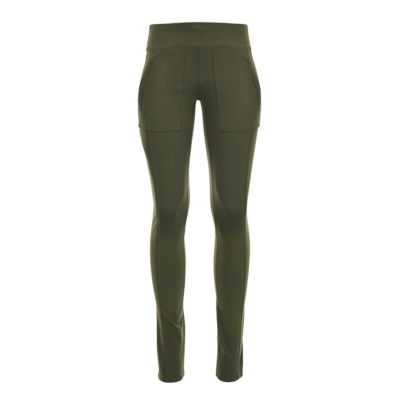
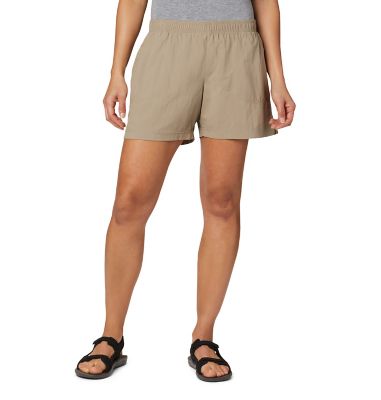
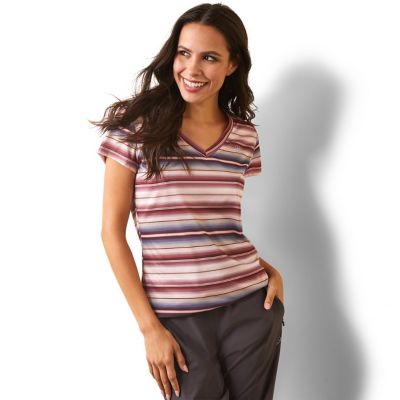
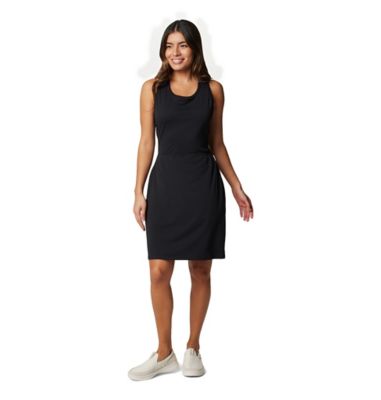
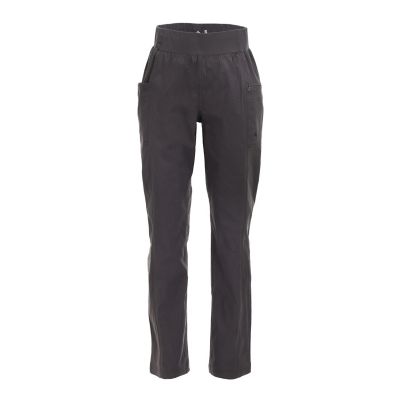
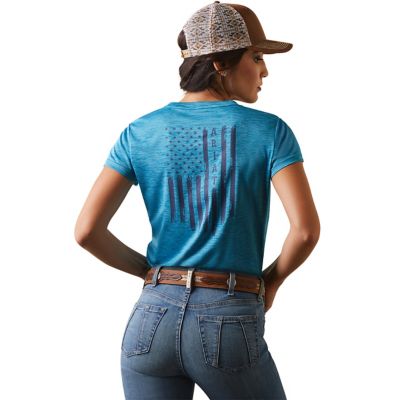
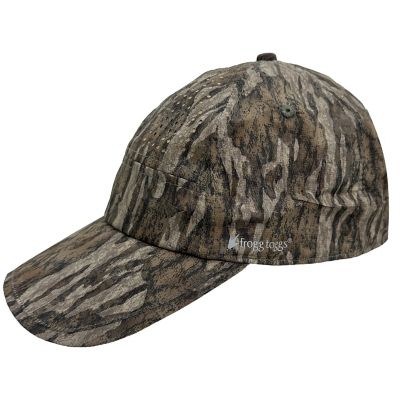
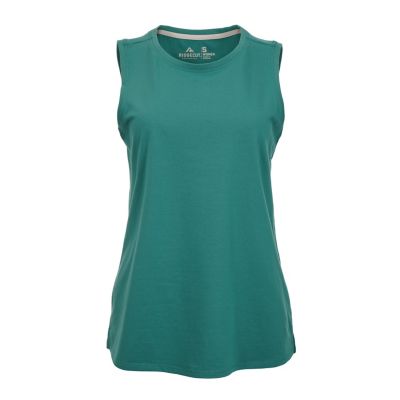
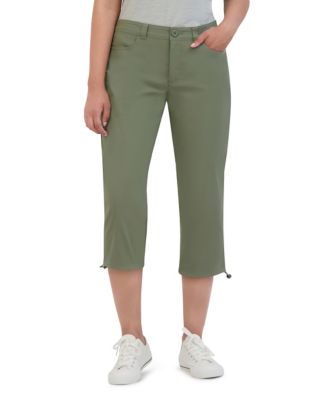
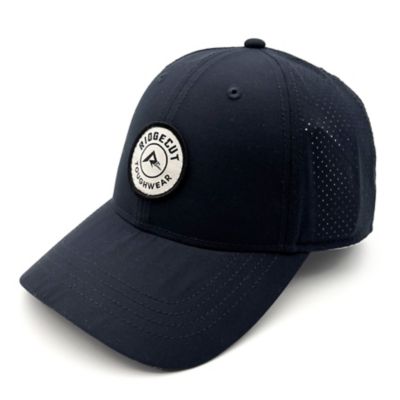
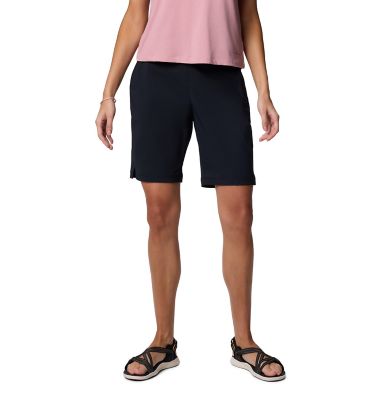
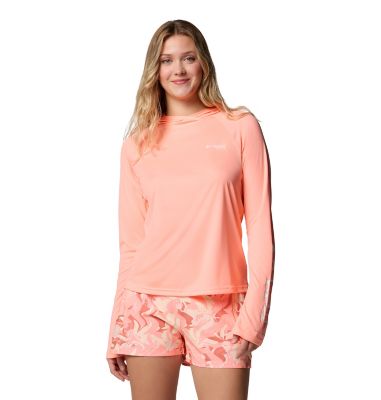
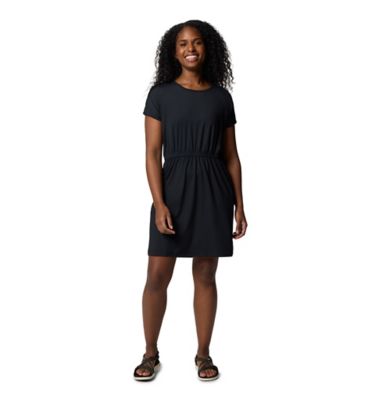
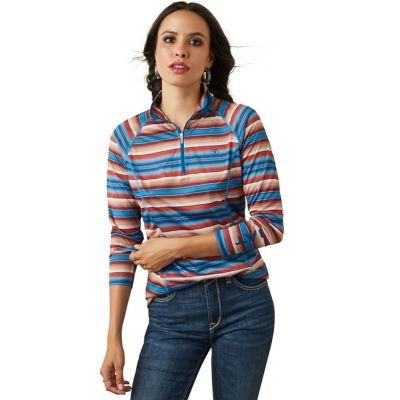
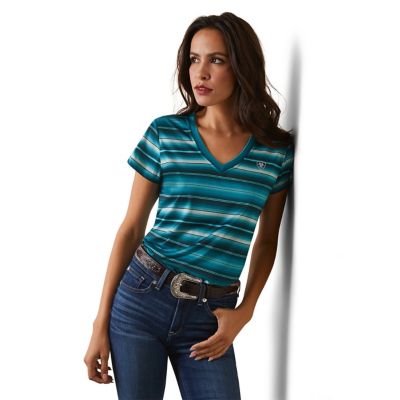
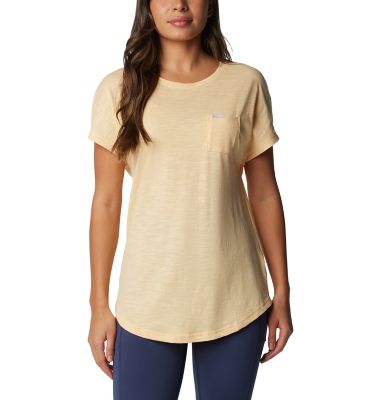
Women’s sun protection clothing is apparel designed to limit the ultraviolet radiation that reaches the skin beneath it. Its protection is measured by UPF, or Ultraviolet Protection Factor, rather than the SPF rating found on sunscreen. A fabric rated UPF 50 allows about one-fiftieth of UV radiation through, blocking approximately 98%; UPF 50+ indicates protection of at least that level. The rating accounts for both UVA and UVB radiation, making it a useful detail when comparing clothing for time outside. Not every long-sleeve shirt or pair of pants has a tested UPF rating, though, so coverage and a stated rating are separate considerations. For women checking livestock, tending garden beds, walking fence lines or spending an afternoon on the water, sun-protective clothing puts coverage into the outfit itself. Sleeves, collars, longer hems and full-length legs can cover areas that otherwise need sunscreen, while breathable fabrics help make that coverage comfortable during active work. Unlike sunscreen, the fabric does not require reapplication, but its protection still depends on its condition, how it fits and whether it stays over the skin. Exposed areas still need attention, including the face, ears, neck and hands. Broad-spectrum sunscreen applied according to its label, shade and a hat with coverage around the brim work alongside clothing rather than being replaced by it. UV exposure can also occur under cloud cover and around reflective surfaces such as water, so sun protection is about more than how bright the day looks. The most practical outfit fits the task: enough room to lift a feed scoop, a hem that stays down when reaching for a gate latch and sleeves that remain comfortable through repeated movement. These details help women keep covered without constantly tugging at their clothes or interrupting the job at hand.
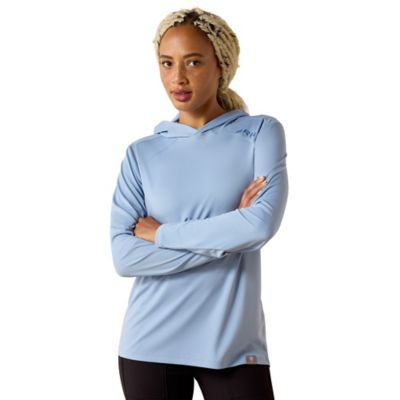
Fabric and fit make a noticeable difference when sun protection clothing becomes part of a regular outdoor routine. Polyester and nylon are common choices because they can provide a lightweight feel, move moisture away from the skin and dry readily, depending on the fabric’s construction. Cotton can feel comfortable and familiar, while blends may combine that softness with stretch or faster drying. Fiber content alone does not establish UV protection; weave, knit structure, fabric weight, color and any protective treatment can all play a part. A clearly stated UPF rating offers more useful information than judging protection by thickness or appearance. Some fabrics get their UV resistance from the fibers and construction, while others incorporate a treatment, making the care label worth checking. Stretch can help with reaching, crouching and climbing onto equipment, but clothing pulled too tightly may open the fabric structure and affect coverage. A little breathing room also keeps material from clinging during physical work. Shoulder seams, armholes and sleeve length matter when carrying supplies or steering a mower, and a longer back hem can help keep the waist covered while bending over a raised bed. Coverage through the arms is a main benefit of
Long Sleeve Shirts With Sun Protection, especially for tasks that leave forearms facing the sun for long stretches. Higher necklines and collars add coverage near the chest and back of the neck, while thumb openings can help hold sleeves in place and extend coverage onto part of the hands. Vents and breathable panels can improve airflow, although any open or uncovered sections deserve attention when considering overall protection. For bottoms, freedom through the hips and knees helps with kneeling, stepping over uneven ground and getting in and out of a truck. Pockets with secure closures are handy for small essentials, provided they do not bunch or get in the way of movement.
Sun protection clothing works best as part of an outfit that suits the full day, from the first round of chores to a walk down a field road after the work is done. A lightweight shirt that feels comfortable on its own may also fit beneath a vest or jacket without restricting the shoulders. Smooth seams can reduce rubbing beneath pack straps, while cuffs that adjust neatly help keep loose fabric out of the way. For women who fish, hike, ride or work around a homestead, the right balance of coverage and movement can matter more than a long list of features. Care also affects how clothing holds up through repeat wear. Following the garment’s washing and drying directions helps maintain its fibers, shape and any sun-protective finish. Instructions for bleach, fabric softener and drying temperature can vary, so the label takes priority over a general laundry routine. Dirt and sweat should be cleaned away as directed, and garments should be dried fully before being put away. Regular checks around elbows, shoulders, knees and other high-friction areas can reveal thinning, pulled threads or damage that may compromise coverage. Wetness and heavy stretching can change UV transmission in some fabrics, making any stated wet-use testing or other manufacturer guidance particularly relevant for fishing and water activities. A tested rating should not be treated as a promise that a torn or worn-through area still protects the same way. Women’s sun protection clothing can also make a thoughtful gift for someone who spends plenty of time outdoors, especially when the size and preferred fit are already known. Familiar cuts, easy-care materials and details that match her routine give the gift a practical purpose. Comfortable coverage earns its place in the everyday lineup when it allows a woman to work, move and enjoy time outside without her clothing becoming another thing to fuss with.