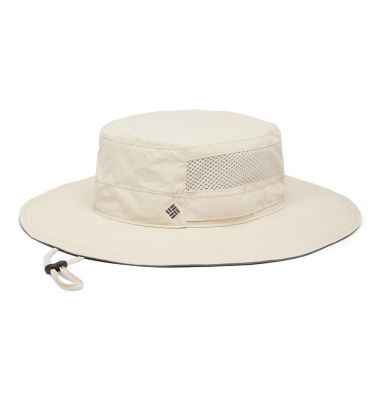
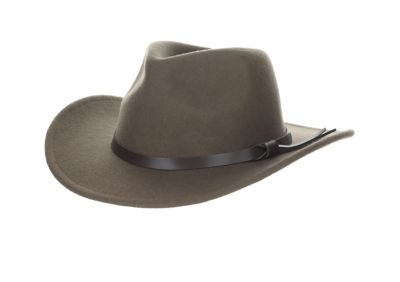
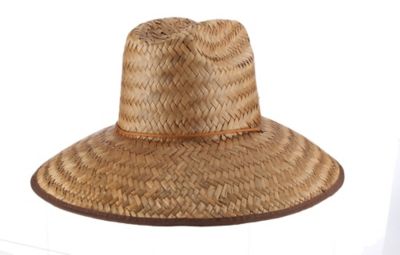
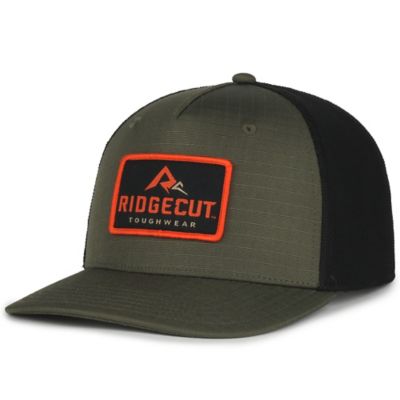
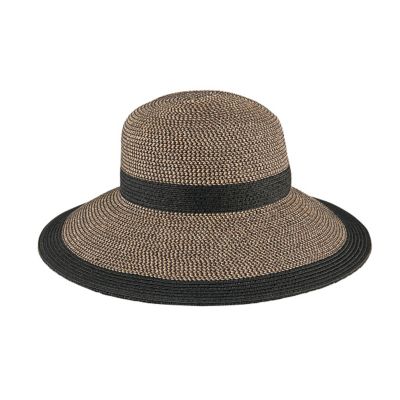
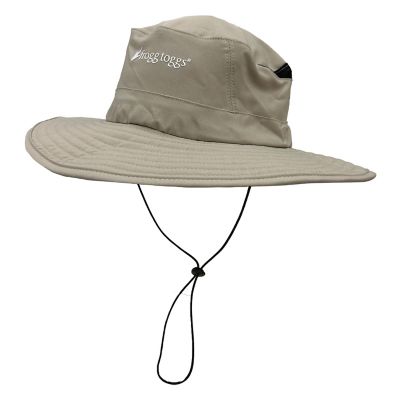
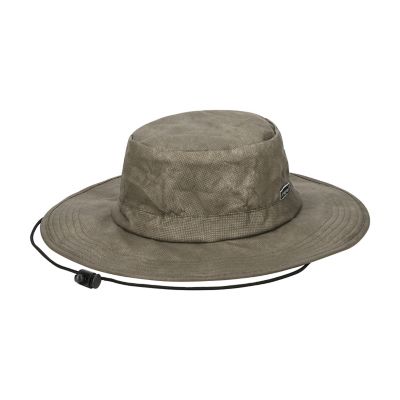
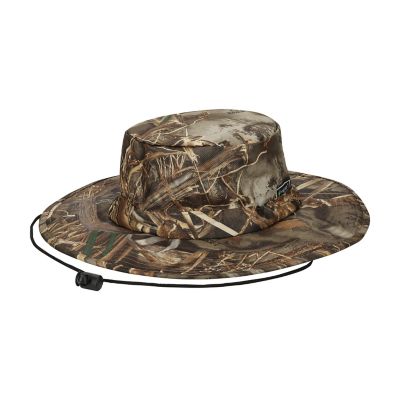
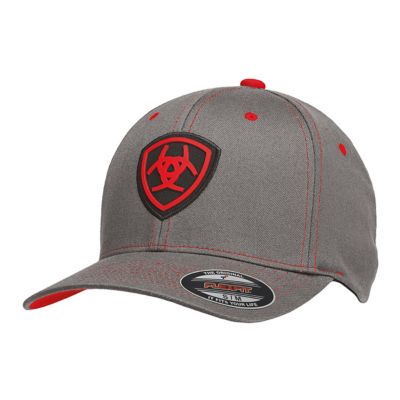
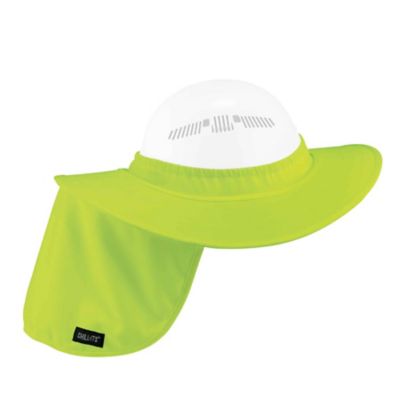
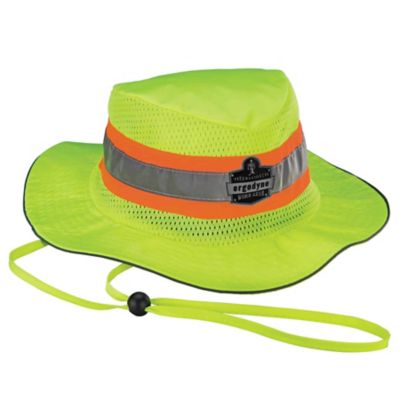
Men’s sun protection hats belong in the everyday lineup for fence work, fishing trips, chores around the place, and long stretches out in the open. A shaded face makes a difference when checking a pasture, walking a property line, or watching a ballgame from an uncovered seat. These hats bring together coverage, comfort, and practical features that suit time outdoors, with shapes ranging from soft bucket hats to broad-brim styles with structured crowns. The brim does much of the work: coverage around the whole head can shade the ears and the back of the neck, while a front-only bill leaves those areas exposed. Brim width, angle, and firmness also affect how a hat feels throughout the day. A wider brim offers more shade, but it needs enough structure to stay out of the eyes while bending over a garden row or carrying a feed sack. A softer brim can be easier to pack, while a firmer shape may suit someone who wants steady coverage without much fuss. Fabric matters just as much as shape. A labeled ultraviolet protection factor, or UPF, describes how much ultraviolet radiation passes through the tested material; it does not mean every part of the wearer’s face and neck is protected. Mesh openings, gaps in a straw weave, and the spaces beyond the brim still deserve attention. Sun protection hats work alongside sunscreen, protective clothing, and breaks in the shade rather than replacing them. For men who spend hours tending livestock, mowing open ground, or casting from a shoreline, a hat that stays comfortable is more likely to stay on. That balance of coverage and wearability is what makes this category useful for both steady outdoor work and time off, whether the day involves a tractor seat, a trail, or a lawn chair beside the pond. A practical shape leaves room to look up, turn freely, and get on with the task without constantly nudging the brim back into place.
Materials and construction give men’s sun hats their different personalities, and the best match depends on where the hat will spend its time. Cotton fabrics often have a familiar, comfortable feel, though they can hold moisture and take longer to dry than some synthetic fabrics. Nylon and polyester can bring a lighter feel and quicker drying, with performance varying by the fabric and construction. Straw hats offer a traditional look that fits naturally around farms and ranches, but the tightness of the weave matters when considering sun coverage. Open weaving may feel airy while allowing sunlight through, so a sun protection rating is more useful than appearance alone. Ventilated crowns and mesh panels can help air move, though the placement of those openings affects coverage. An inner sweatband helps manage moisture around the forehead and can make a long afternoon in the yard more comfortable. Fit is another everyday consideration, especially for a hat that needs to stay put while leaning into a wheelbarrow or walking across an open field. A snug fit should not leave a deep mark across the forehead, and an overly loose crown can shift each time the wearer looks down. Adjustable bands offer some flexibility, while sized hats call for a head measurement and a look at the maker’s size chart. Crown depth influences where the brim sits, and extra room can matter for thicker hair. Chin cords and other retention features can help keep a hat close in a breeze, but loose cords need to stay clear of moving equipment. Seams, brim stitching, and reinforced areas around adjustment points are worth a look for hats that will see frequent wear. Packable construction suits a bag or truck cab, while a shaped straw brim may need more space to keep its form. Compatibility with sunglasses, hearing protection, and work gear also matters; a comfortable hat should fit into the day’s routine rather than compete with the gear already doing a job.
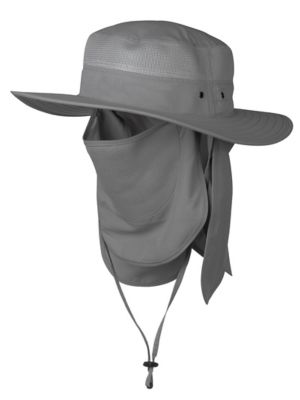
The intended use helps narrow the choices without making sun protection hats a one-task accessory. A lightweight, flexible style can suit an angler moving between the dock and the boat, while a broad, structured brim may appeal to someone spending hours on foot around livestock or working through a vegetable patch. For hiking and camping, a hat that packs down and dries readily can earn its place beside a water bottle and trail gear. For mowing or work from a seated position, the back of the brim needs to sit comfortably without pressing against the seat or getting pushed forward. Extra fabric at the rear can add coverage where a brim leaves gaps, and
Summer Hats With Neck Protection offers another way to explore that style. Color is partly a matter of taste, but it also affects everyday upkeep: pale shades may show dirt sooner, while darker fabrics can feel warmer in direct sunlight. Care requirements deserve attention before a hat becomes part of the daily routine. Some fabric hats allow washing, while others need spot cleaning, and straw or shaped styles can lose their form with soaking or rough handling. The maker’s care label is the place to check for washing and drying directions. Letting a damp hat dry fully before storage helps keep it fresh, and setting it somewhere clean with the brim supported can help preserve its shape. A truck dashboard is a handy landing spot, but prolonged heat can affect certain materials and trims. Sweat stains, worn stitching, and a brim that no longer holds its position can all change how pleasant a hat is to wear. Men’s sun protection hats also make practical gifts for dads, grandfathers, gardeners, ranchers, and friends who prefer a day outside. Knowing the recipient’s head size and usual activities makes the choice more personal, whether the hat is headed for a fishing bag, a hook by the back door, or the next long day tending the land.