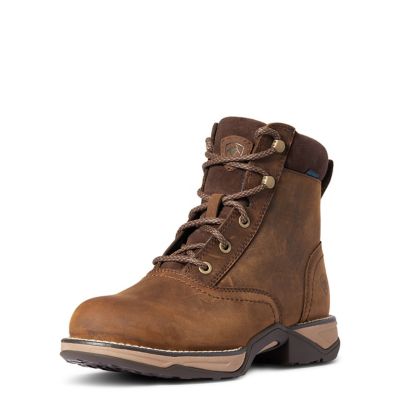
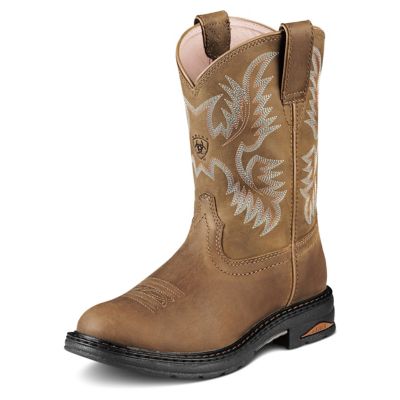
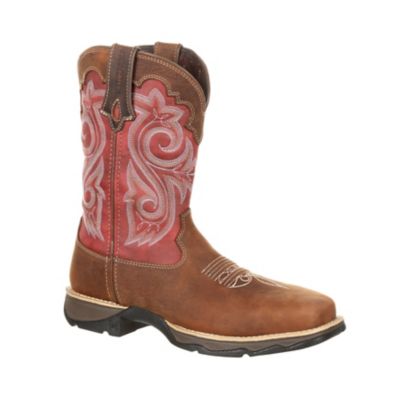
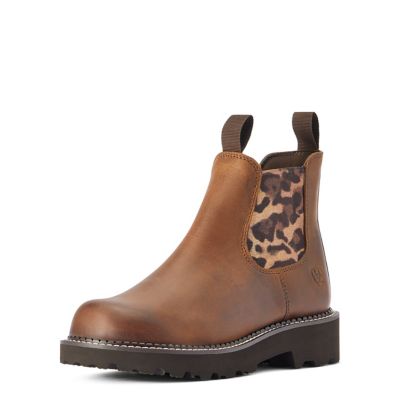
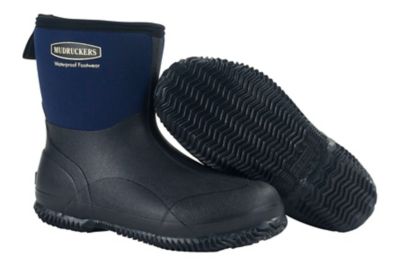
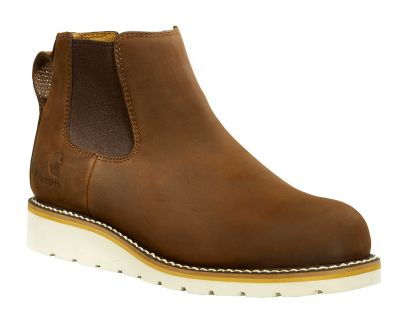
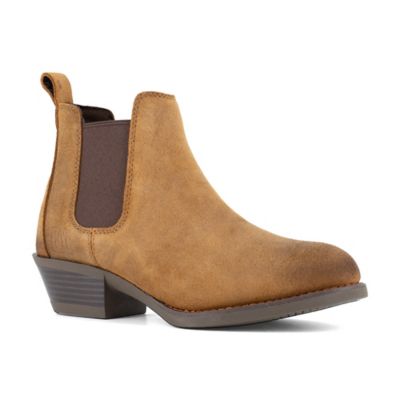
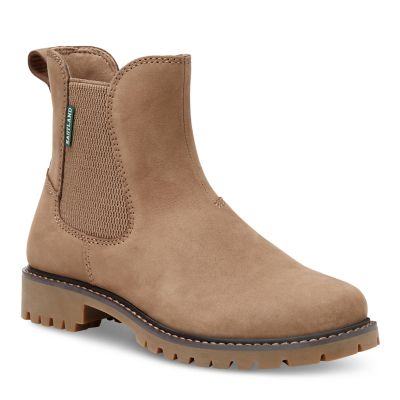
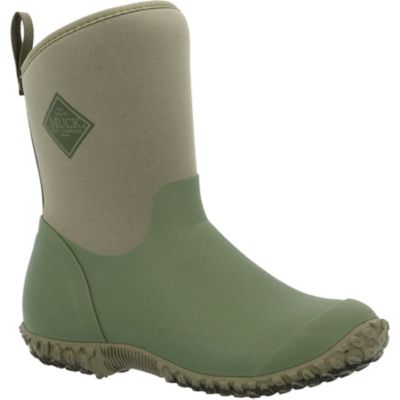
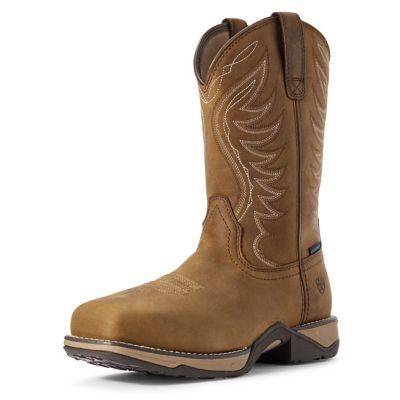
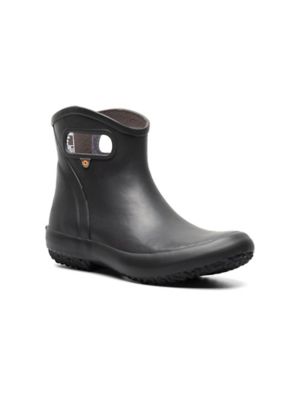
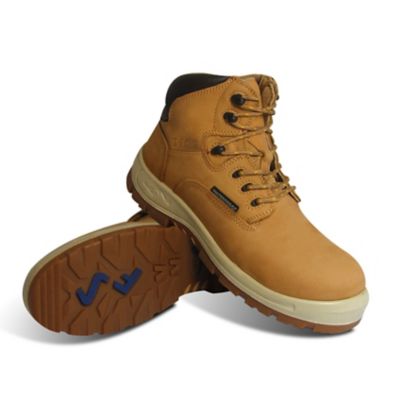
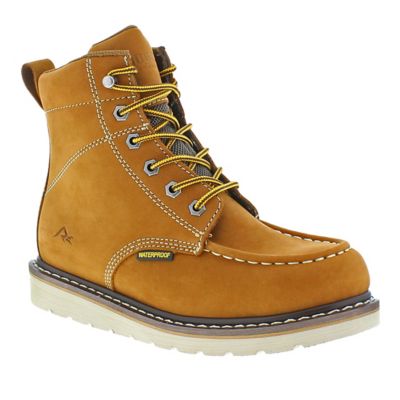
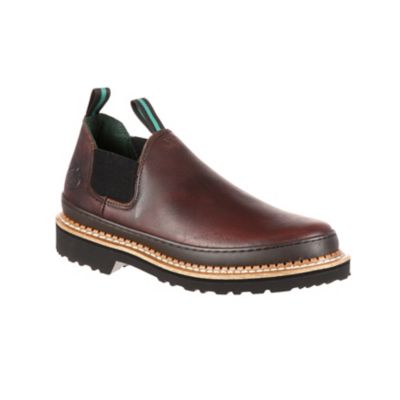
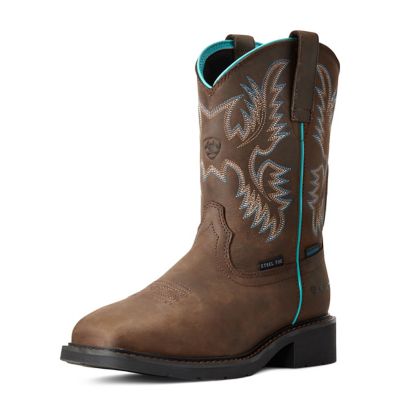
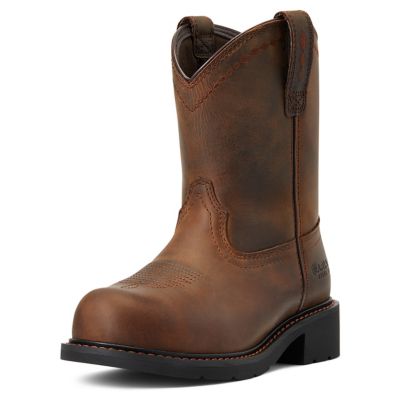
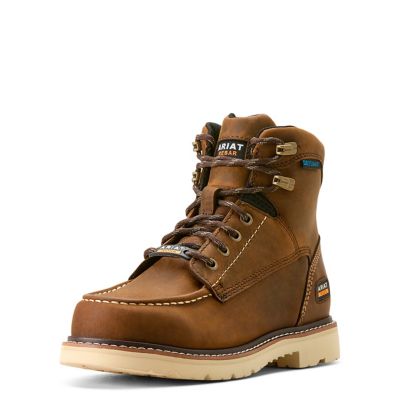
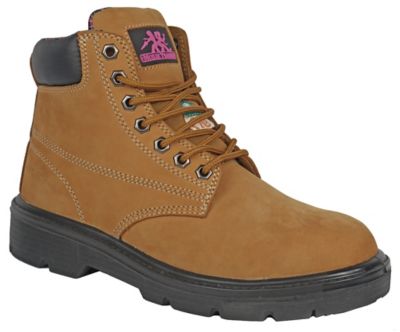
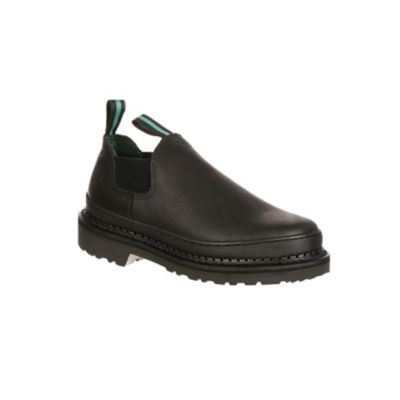
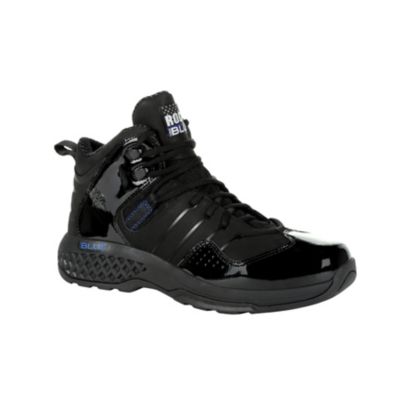
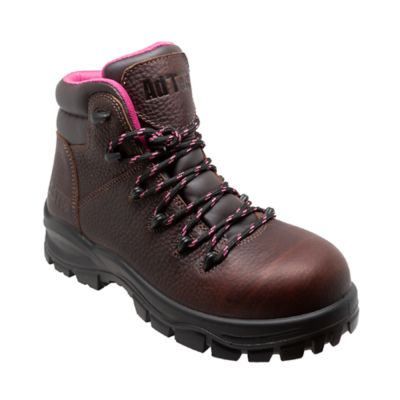
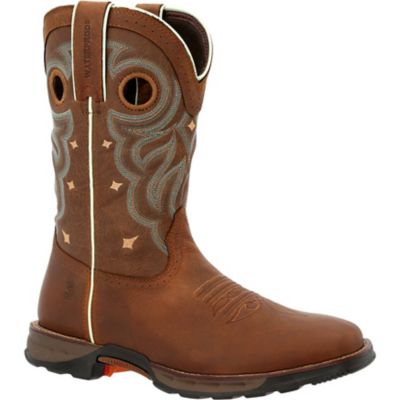
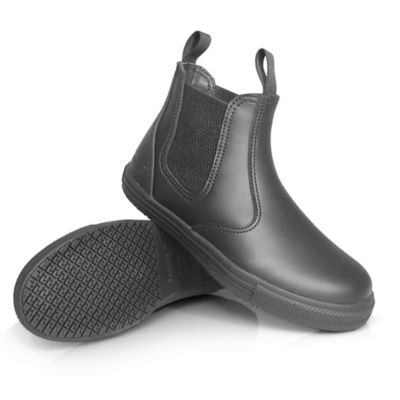
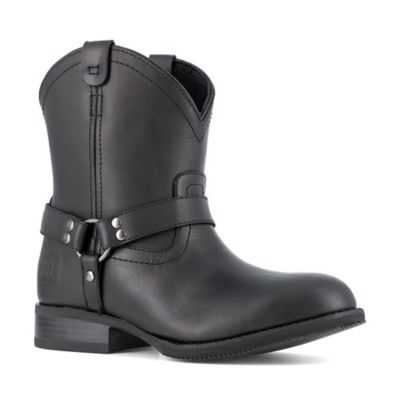
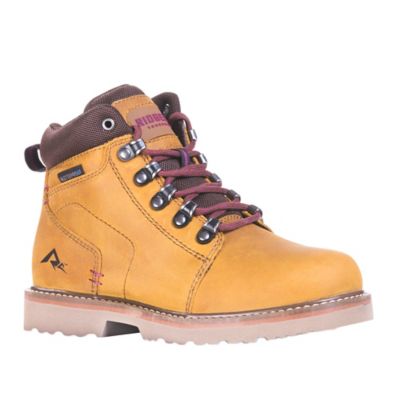
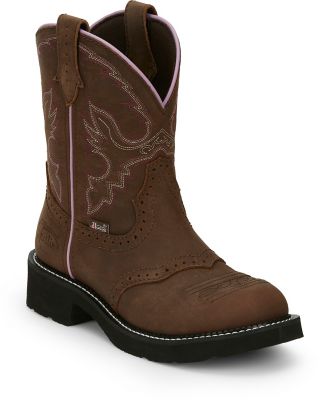
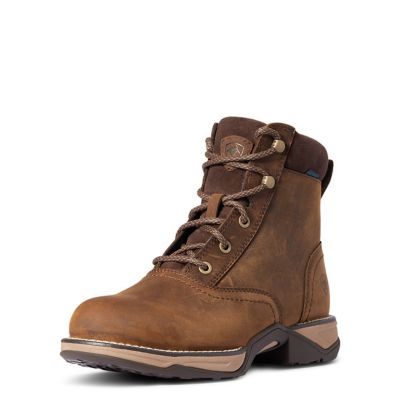
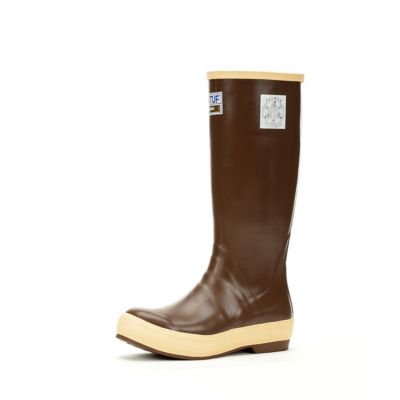
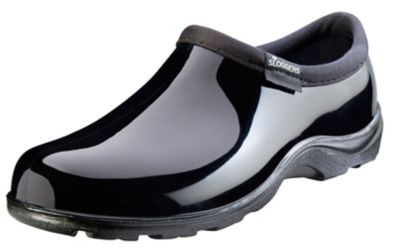
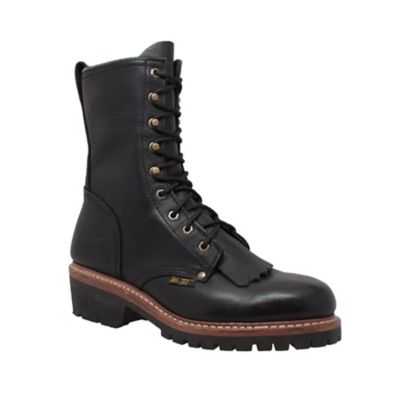
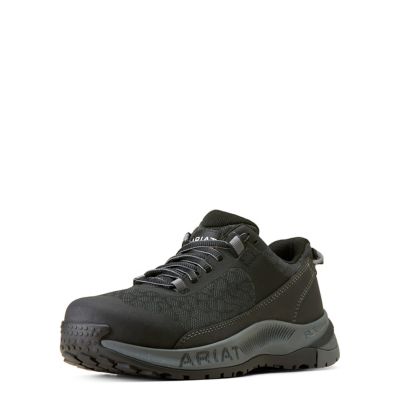
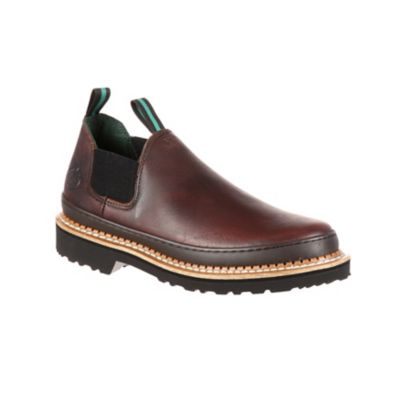
Women’s slip on work boots are a handy choice for long days when you need dependable footwear without the fuss of laces. They pull on quickly before heading to the barn, jobsite, shop, warehouse, or back porch, and many styles use elastic side panels, stretch sections, pull tabs, or a roomy opening to make getting dressed easier. That convenience matters when your mornings start early and your boots are waiting by the door beside a pair of muddy chore gloves. A good pair can handle a mix of work and everyday wear, from feeding livestock and hauling fence supplies to walking concrete floors, unloading deliveries, or tending a garden after a rainy spell. Some women choose slip on work boots for their simple, clean look, while others like the way a sturdy pull-on boot transitions from work clothes to jeans for a quick trip into town. For additional everyday options, browse
Womens Slip On Work Shoes. When comparing styles, start with the kind of work you do and the surfaces under your feet. Boots made for a farm or outdoor setting may offer waterproof materials, sealed construction, deeper tread, and a more rugged outsole, while boots intended for indoor service, healthcare, retail, or warehouse work may focus on lighter weight, flexible movement, and traction on smooth floors. A comfortable fit should feel secure around the heel and instep without pinching the toes. Leave enough room to wiggle your toes, especially if you plan to wear thicker work socks during the cooler months. Slip on boots should stay put as you walk, climb, bend, and carry, but they should not require a struggle every time you take them off at the end of the day.
Safety features are another important part of choosing women’s slip on work boots. If your job involves tools, equipment, lumber, livestock, pallets, or other heavy items, look for a safety toe that matches the demands of your workplace. Steel toes are a familiar choice and can provide strong protection from impact and compression. Composite toes, often made from materials such as fiberglass, carbon fiber, or reinforced plastic, offer protection without metal and may be useful in settings with metal detectors or very cold conditions. Alloy toes can provide a lighter alternative while still adding a layer of protection. Always check the boot’s safety rating and compare it with your employer’s requirements rather than assuming every work boot offers the same coverage. A slip-resistant outsole can be just as valuable, especially on wet concrete, oily shop floors, slick loading areas, or smooth barn aisles. Look for tread designed to grip the surfaces where you spend the most time, and remember that even a well-made sole can lose traction as it wears down or picks up mud. Waterproof or water-resistant construction helps keep feet drier through damp grass, puddles, morning dew, and chores around troughs and wash racks, though no boot replaces sensible care in deep water. For all-day comfort, pay attention to cushioning, arch support, shock absorption, and the shape of the sole. A supportive footbed can ease the strain of standing on hard floors, while a flexible upper helps when you are climbing into a truck, stepping over a gate, or walking across uneven ground. Breathable lining may help during warmer weather, and insulated options can feel better when outdoor work carries into cooler conditions. Consider the boot’s height, too: a lower ankle boot is easy to move in and convenient for indoor jobs, while a taller pull-on style may offer more coverage from brush, dirt, rain, and loose debris.
Women’s slip on work boots fit a wide range of routines and can be a thoughtful gift for someone who spends her days on her feet. They may suit a ranch hand, farmer, landscaper, construction worker, mechanic, warehouse associate, delivery driver, groundskeeper, veterinary worker, or small-business owner who moves between indoor and outdoor tasks. They can also be useful for someone who enjoys weekend projects, trail maintenance, camping, gardening, or caring for animals. If you are buying boots as a gift, it helps to know the recipient’s usual size, whether she wears thick or thin socks, and what type of safety toe or traction her work calls for. A gift receipt or easy exchange option is especially useful because fit can vary between boot shapes, and a comfortable pair should be chosen by how it feels on the foot rather than by appearance alone. Before wearing new boots through a full shift, try them around the house or on shorter jobs so you can spot rubbing at the heel, pressure across the instep, or slipping in the footbed. Break them in gradually, keep the uppers clean, and let damp boots dry naturally away from direct heat, which can damage leather, adhesives, or other materials. Brush off caked-on dirt before it hardens, follow the care directions for the boot’s finish, and inspect the outsole for worn tread or damage. During late summer chores, breathable construction and moisture control can make a difference when the pavement is hot and the workday runs long. As the weather cools, room for warmer socks, water-resistant materials, and dependable traction become more valuable around wet leaves, muddy paths, and frosty mornings. With the right fit, protection, and sole for the job, women’s slip on work boots can become the pair you reach for when the day starts before sunrise and there is a full list of chores waiting outside.