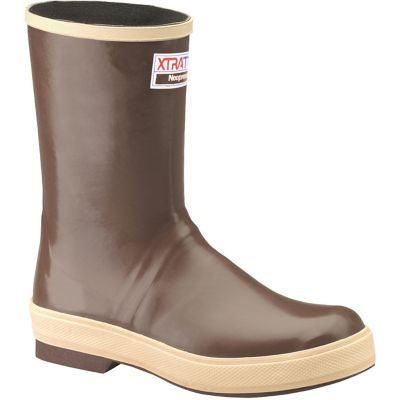
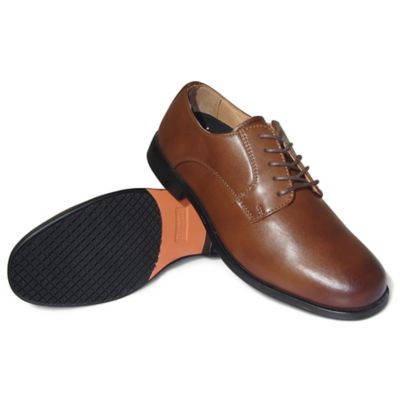
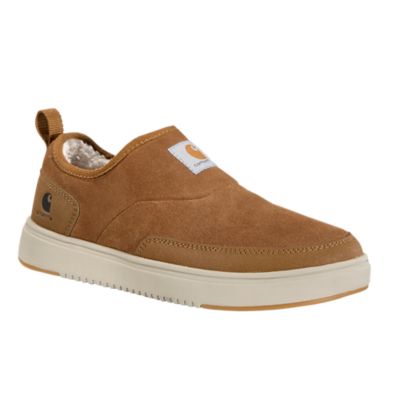
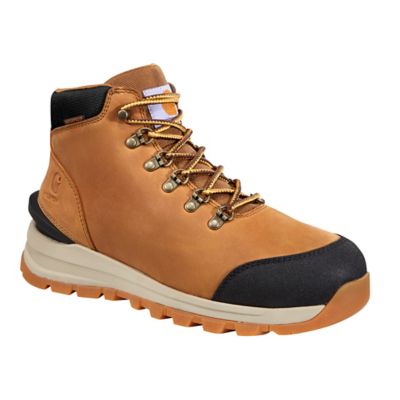
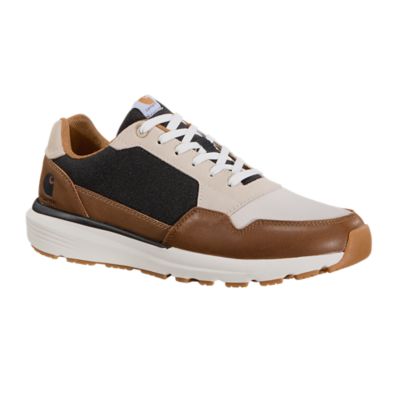
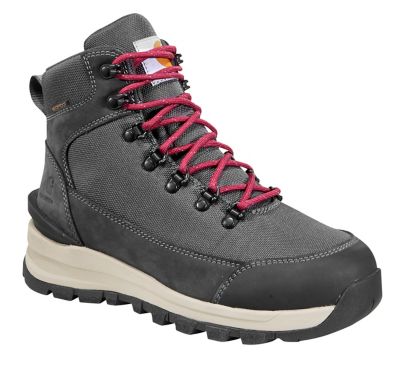
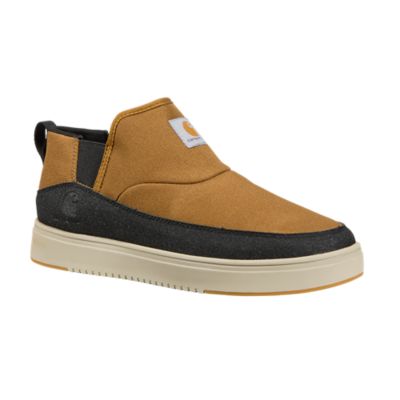
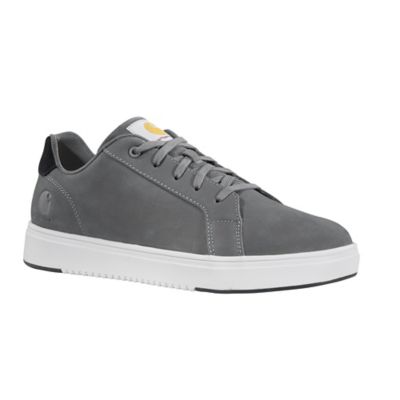
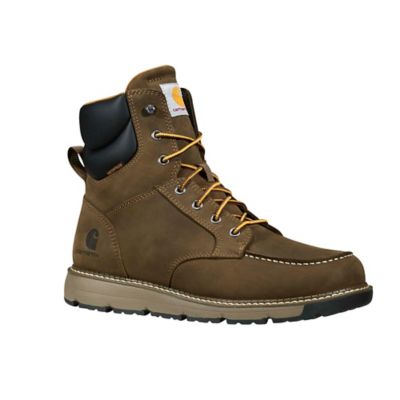
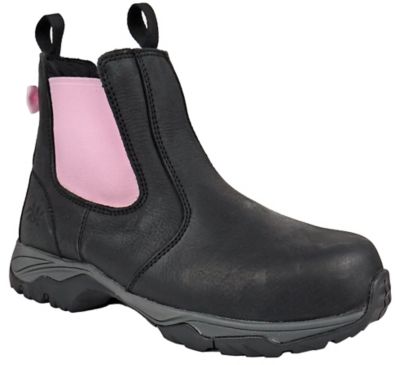
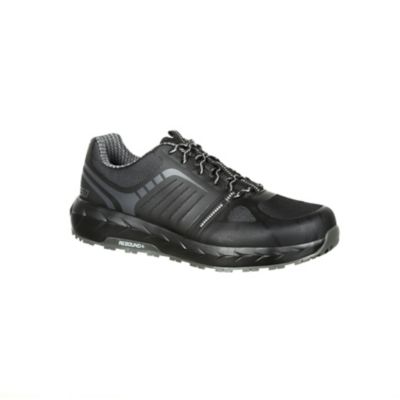
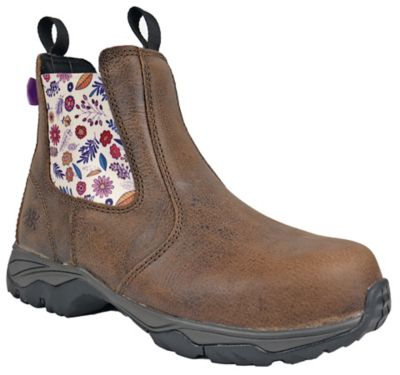
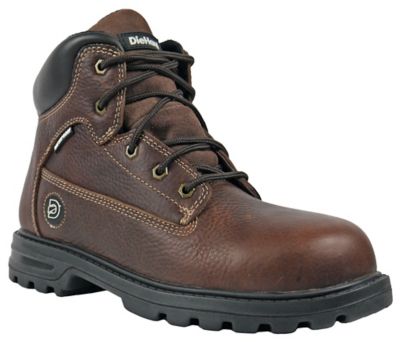
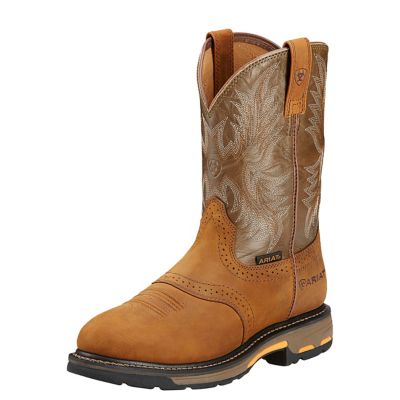
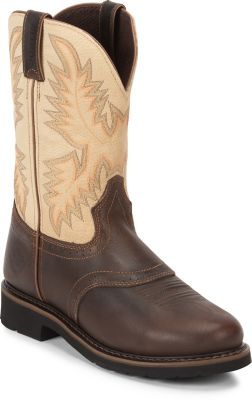
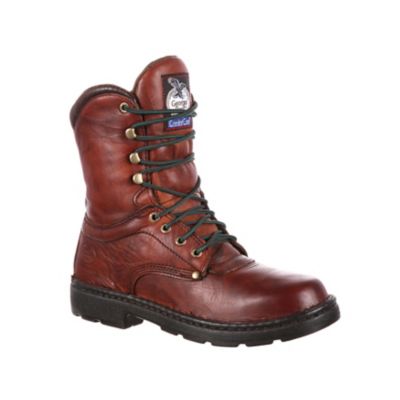
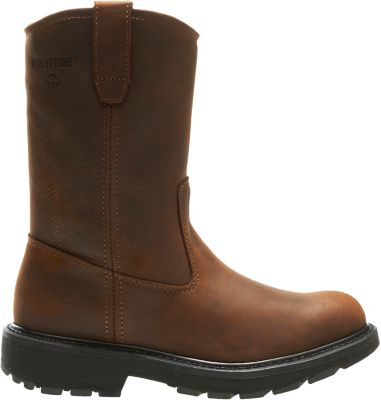
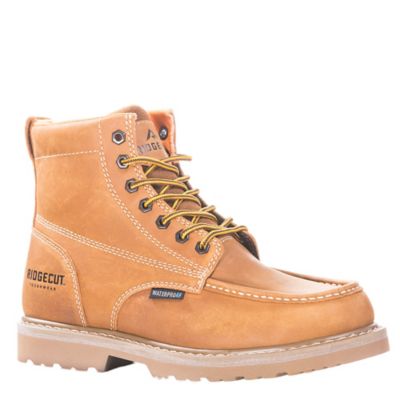
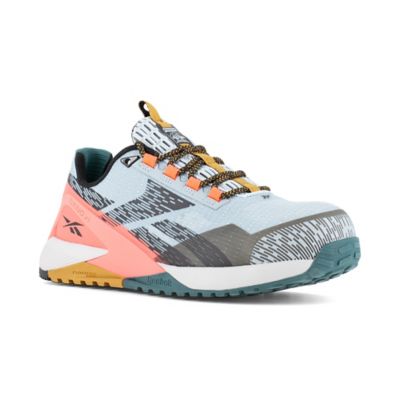
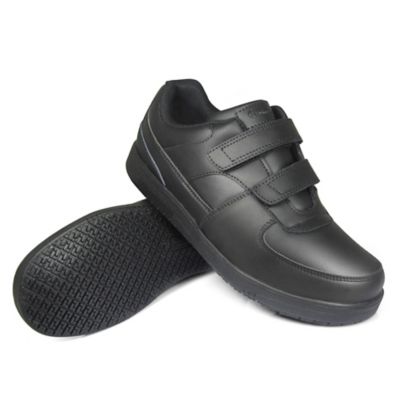
Slip-resistant shoes with arch support pair a traction-focused outsole with a shaped footbed that supports the curve beneath the foot. That combination matters when the day includes standing at a counter, walking concrete aisles, or moving between a prep sink and a packing table. Slip resistance and arch support do different jobs: the outsole helps maintain grip against the floor, while the footbed provides structure underfoot. Cushioning adds another layer of comfort by softening each step, but a soft shoe does not necessarily have meaningful arch support. A supportive footbed has a defined contour that feels steady beneath the arch rather than simply flattening under body weight. For restaurant workers, veterinary staff, healthcare workers, and folks tending a busy farm store, those details can make a difference in how a shoe feels over a long stretch on foot. Outsole material, tread pattern, and the condition of the walking surface all affect traction. Rubber compounds and tread channels may help manage contact with smooth floors and move small amounts of liquid away from the sole, though performance varies by shoe and surface. A slip-resistant designation does not mean a shoe cannot slip, and no tread replaces attention around spills, loose feed, or tracked-in debris. Oil resistance is a separate feature, too; it generally describes how a material holds up around oil rather than proving how well it grips an oily floor. Where workplace rules call for tested footwear, documented slip-testing information is more useful than an aggressive-looking tread alone. Deep lugs meant for loose ground are not automatically the best match for smooth indoor flooring. For this footwear category, the balance is straightforward: traction suited to the work area, support that matches the foot, and enough cushioning for the time spent standing or walking. A steady heel platform and a shoe that bends near the ball of the foot can also contribute to a comfortable stride without making the whole sole feel floppy.
The feel of slip-resistant shoes with arch support depends on more than the insole. Upper materials, toe shape, heel construction, and fastening all influence how securely the shoe sits on the foot. Leather uppers can offer structure and a surface that wipes down readily, while synthetic uppers may provide a lighter feel or finishes intended for easier cleaning. Mesh can allow more airflow, though an open fabric upper may be less suited to tasks involving splashes or frequent spills. Water resistance, breathability, and cleanability are separate characteristics, so the right balance depends on the job. Someone working behind a deli counter may need a different upper than someone walking between an office and a feed room all day. Lace-up shoes allow adjustment across the top of the foot, while slip-on designs depend more heavily on the shape of the opening, elastic panels, and heel fit. Either style should leave room for the toes without allowing the foot to slide forward or the heel to lift repeatedly. Arch support should line up with the foot’s natural curve rather than feel like a hard ridge pressing in the wrong place. Width matters as much as length, especially when work socks or a prescribed insert take up space inside the shoe. Removable footbeds can make room for an appropriate replacement insert, provided the shoe still fits securely afterward. Stacking inserts can crowd the toe box and raise the heel too far within the shoe. For shoppers who like a softer step,
Memory Foam Slip Resistant Shoes offer a related option to consider alongside the need for shaped support. Memory foam cushioning can soften contact underfoot, but its presence alone does not establish how much arch support a shoe provides. The best-fitting pair feels comfortably snug through the heel and midfoot, with space to spread the toes naturally. Persistent foot pain or an existing foot condition calls for advice from a healthcare professional rather than relying on cushioning alone.
Everyday wear also puts the upper, seams, heel lining, and outsole through their paces. Repeated bending at the forefoot, scuffing near the toe, and long hours on hard floors can wear different parts of a shoe at different rates. Reinforced areas and well-secured stitching may help where shoes rub against shelving or catch the edge of a workbench, but construction still needs to suit the task. Slip-resistant footwear is not automatically safety-toe footwear, electrical-hazard footwear, or protection against sharp objects. Those needs call for the appropriate markings and workplace requirements in addition to grip and underfoot comfort. Care plays a part in keeping work shoes ready for the next shift. Packed tread can limit contact with the floor, so clearing away grit, feed dust, and other debris helps preserve the outsole’s intended function. Cleaning methods should follow the material and the maker’s directions; a damp cloth may suit one upper, while another needs a specific cleaner. Leather may benefit from compatible conditioning, and shoes that become damp inside generally need time to air-dry away from direct heat. Machine washing is only appropriate when the care instructions allow it. Rotating between pairs, when practical, gives the lining and footbed more time to dry between wears. Wear signs worth noticing include flattened tread, uneven heel wear, a compressed footbed, separating soles, or an upper that no longer holds the foot securely. A pair can still look tidy on top while losing some of its underfoot structure. Whether the day means serving lunch, checking animals in a clinic, or handling paperwork and stockroom trips, slip-resistant shoes with arch support should match the actual floor, pace, and demands of the work. Comfort comes from the whole shoe working together—not from one feature doing every job.