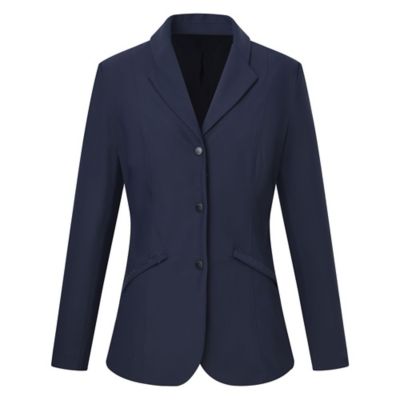
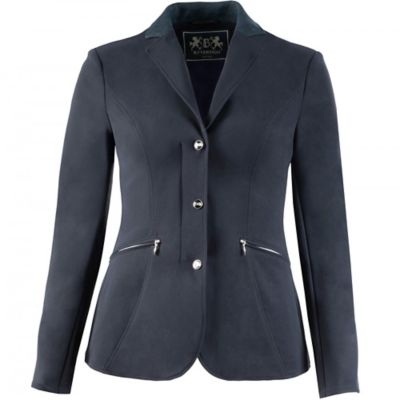
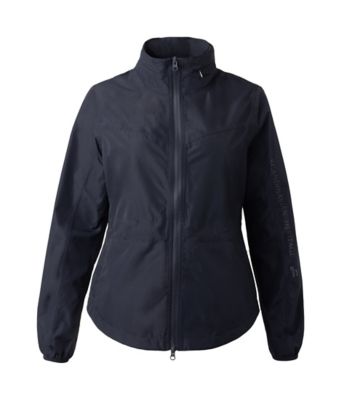
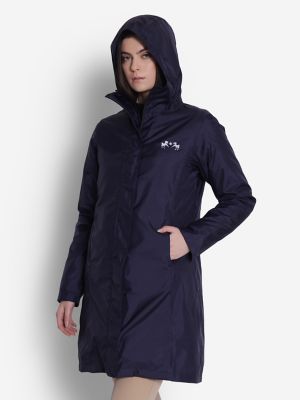
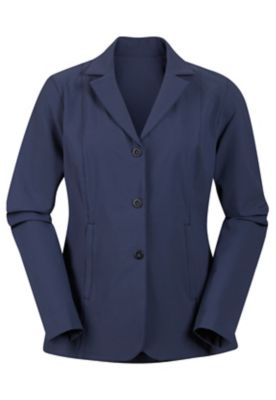
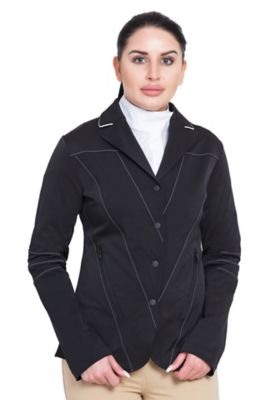
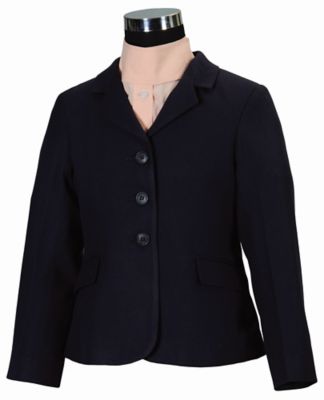
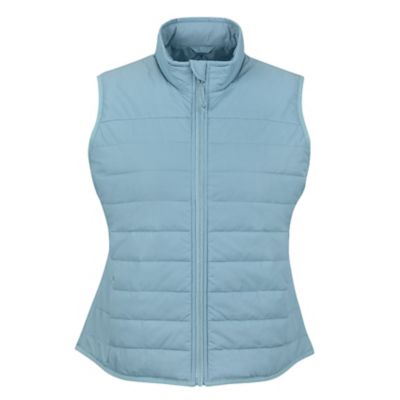
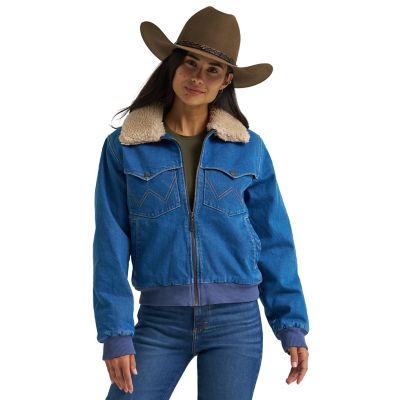
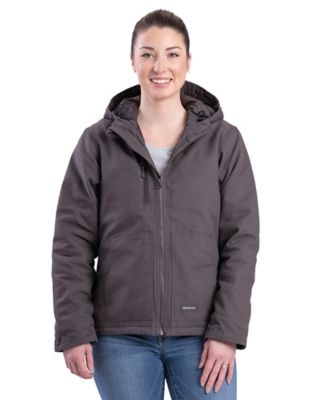
Women’s navy blue jackets bring an easy-to-match color to everyday outerwear, whether the day calls for chores around the place, a trip into town, or a few hours at the fairgrounds. Navy is a deep blue that works well with faded jeans, brown work pants, gray sweatshirts, and patterned shirts without making an outfit feel too dressed up. The category spans several familiar jacket shapes, from denim and canvas styles with a little structure to fleece, softshell, and quilted styles with different textures and fits. A denim jacket has a straightforward look that pairs naturally with boots and a favorite T-shirt, while a canvas utility jacket feels right at home over a flannel shirt. Smooth-faced jackets offer a cleaner finish, and quilted stitching adds texture without needing a bold pattern. More tailored shapes can bridge the gap between casual clothes and an outfit for a meeting or dinner in town. The navy shade itself can vary, too: some fabrics look nearly black indoors, while others have a more noticeable blue tone. Matte fabrics tend to give the color a subdued appearance, while smoother finishes can make it look richer. Details such as contrasting stitching, metal snaps, a stand collar, or a simple zip front help shape the overall look. For someone who moves between barn checks, errands, and time with family, a jacket that feels comfortable across those settings can become a regular part of getting dressed. Navy also makes a practical starting point for a gift because it pairs with so many everyday wardrobe colors. The best match depends less on dressing for a particular age and more on the wearer’s routine, preferred fit, and favorite fabrics. Someone who spends plenty of time on her feet may appreciate unrestricted sleeves and handy pockets, while someone who likes a tidier silhouette may lean toward a shaped waist and a shorter hem.
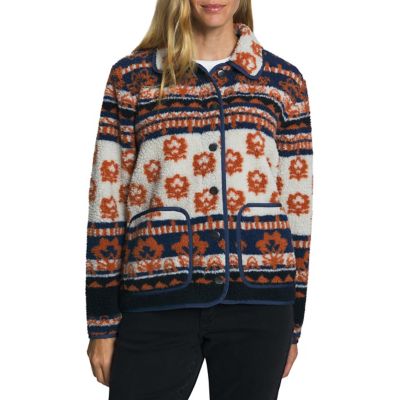
Fabric and construction make a noticeable difference in how a women’s navy blue jacket feels through a full day of wear. Cotton denim and canvas generally have more body than fleece, making them a natural fit for jackets with defined collars, patch pockets, and structured seams. A fabric with a bit of stretch can give across the shoulders and elbows when reaching for a gate latch, carrying a feed scoop, or lifting a saddle onto a rack. Polyester fleece has a softer, more flexible feel, though its surface can collect lint, bits of hay, and animal hair. Smooth synthetic fabrics tend to feel less bulky, while a lining can help a jacket slide over shirts without catching at the sleeves. Quilted construction holds filling in sections and gives the jacket its patterned surface; the amount of filling and the cut both affect how much room it takes up over other clothes. For a closer look at soft, easy-to-layer styles, explore the
Womens Fleece Jacket collection. Across jacket types, comfortable fit means having enough space for the clothes underneath without extra fabric getting in the way. Shoulder seams, sleeve width, and the shape of the armholes all influence movement, so a size label alone does not tell the whole story. A jacket that fits neatly over a T-shirt may feel snug across the back over a sweatshirt. Seated comfort matters, too, especially for time behind the wheel: a longer hem may bunch at the hips, while a shorter cut may ride up when reaching forward. Adjustable cuffs help control sleeve openings, and a shaped or adjustable waist can bring in a roomy silhouette. Pocket placement deserves attention beyond appearance. Hand pockets should be easy to reach, chest pockets should sit comfortably, and secure closures can help keep keys from slipping out during ordinary movement. Reinforcement at pocket corners and tidy stitching along high-stress seams are useful details for frequent wear.
Keeping a navy blue jacket looking good starts with care that suits its fabric, lining, and trim. The care label takes priority, since cotton, fleece, filled jackets, and blended fabrics can call for different washing and drying methods. When machine washing is permitted, fastening zippers and securing hook-and-loop tabs can help limit snagging against other clothing. Washing with similar dark colors helps manage color transfer, particularly with newer cotton fabrics. Excessive heat can affect certain fibers, stretch components, and finishes, so drying directions matter just as much as washing directions. A lint brush or clothing roller can be especially handy for navy, which tends to make light-colored pet hair and dust easy to spot. Small marks around cuffs and pocket openings may need attention before a full wash, using a method allowed by the label. Jackets also benefit from a place to hang where the shoulders are supported and the fabric is not crushed beneath other gear. For everyday wear, the details that stay comfortable over time often matter more than extra trim: a zipper that moves freely, cuffs that sit where they should, and seams that do not rub when carrying a bag. Navy offers plenty of room to change the rest of an outfit without changing jackets. It sits easily beside tan canvas pants and brown boots for a practical look, or black pants and a plain knit shirt for something a little more pulled together. A checked shirt adds pattern, while a cream or gray top keeps the combination simple. For gift giving, knowing the recipient’s usual jacket size, layering habits, and preferred length is more helpful than guessing from appearance alone. A familiar fit and comfortable fabric make a navy jacket feel like something that belongs in her everyday rotation, ready for the routines she already enjoys.