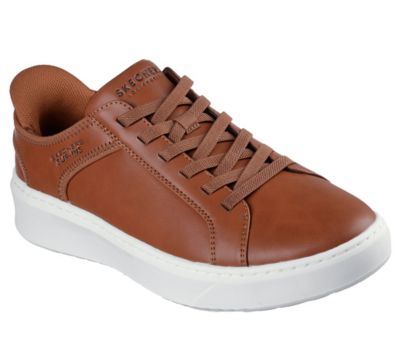
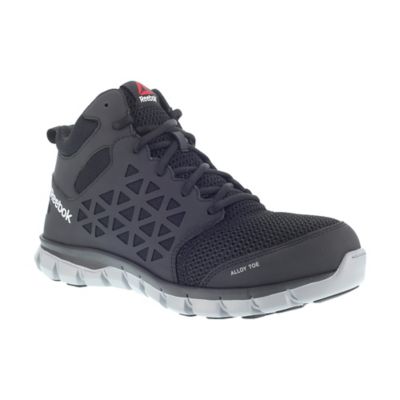
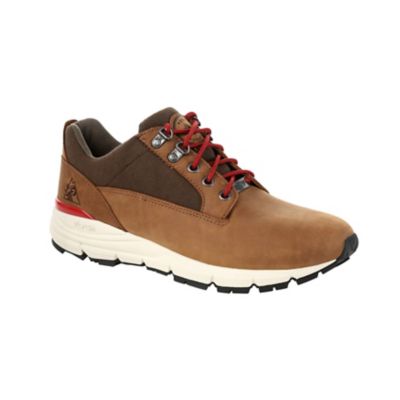
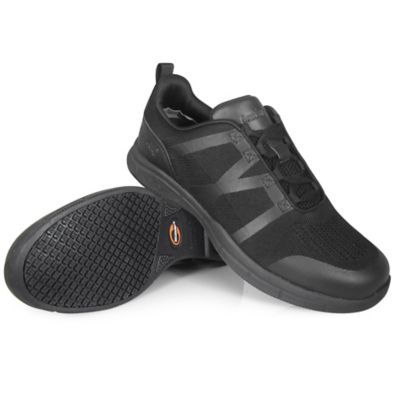
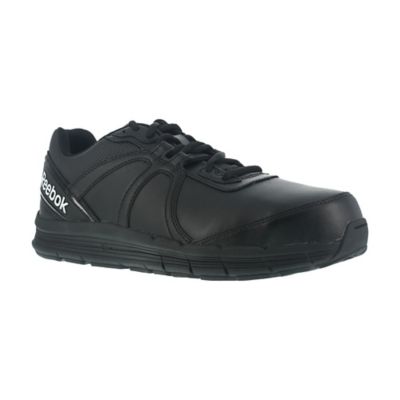
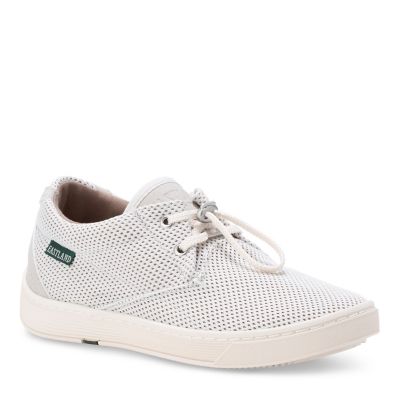
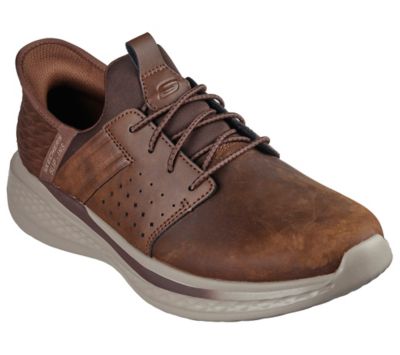
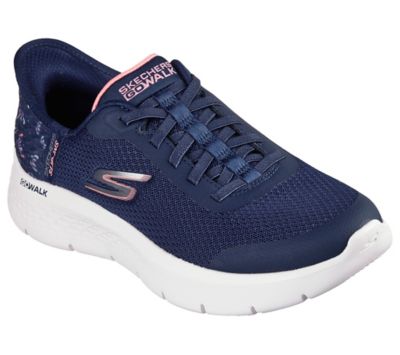
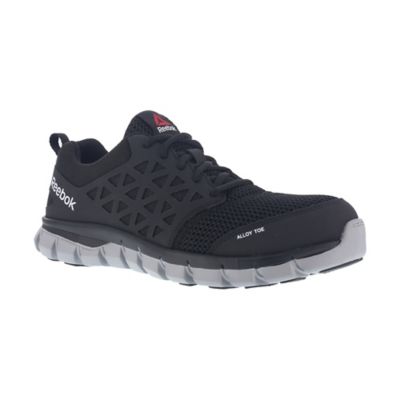
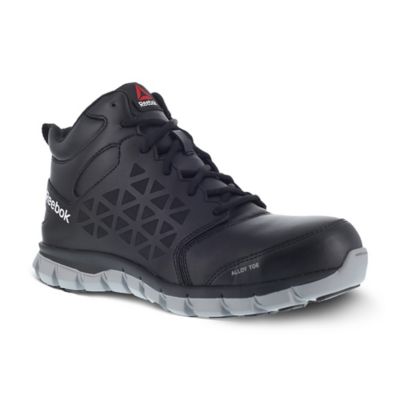
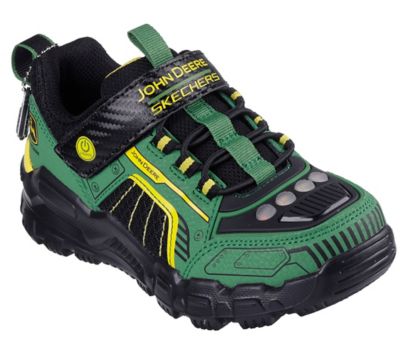
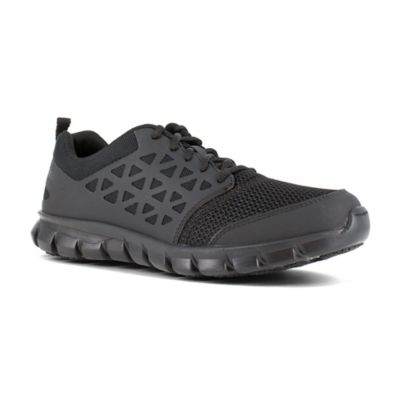
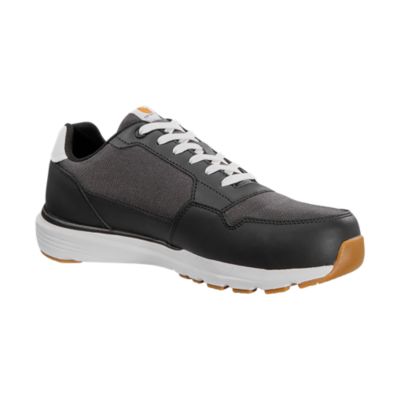
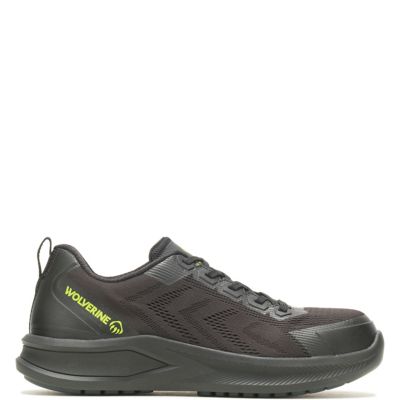
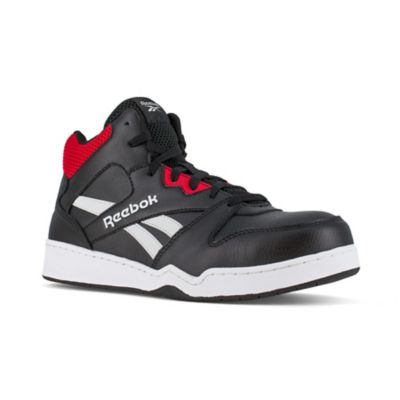
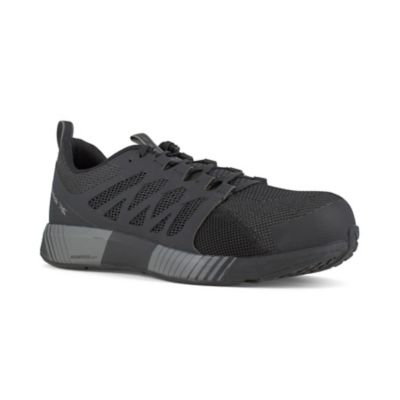
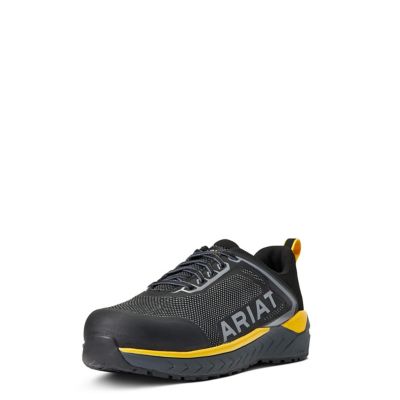
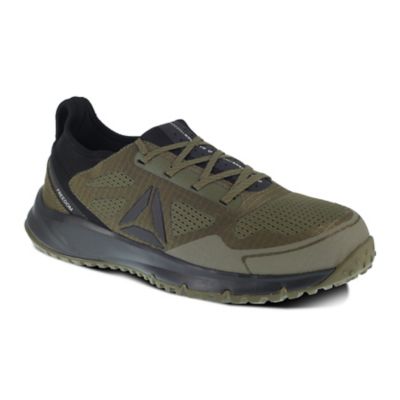
Athletic sneakers are shoes built for movement, with features that can support walking, running, gym workouts and everyday wear. The right match depends on what a day looks like, whether that means laps around the county park, a treadmill session before chores or plenty of steps on a trip into town. Running sneakers generally emphasize cushioning for repeated forward motion, while walking shoes often combine a comfortable heel transition with flexibility through the forefoot. Training sneakers tend to favor a steady base for varied exercises, including controlled side-to-side movements. These differences matter more than a sporty appearance alone. A tall, soft midsole may feel pleasant on a long walk but less planted during strength exercises, while a firmer training shoe can feel steady underfoot without offering the same ride as a running shoe. Cushioning comes largely from the midsole, the layer between the foot and the outer sole, and its feel varies with the foam, thickness and overall construction. More cushioning does not automatically mean a better fit or a better choice for every activity. Outsole shape and material also influence how a sneaker handles pavement, gym flooring or a packed walking path. Rubber coverage can help protect areas that take repeated contact, while grooves may let the sole bend more easily as the foot rolls forward. Deep tread is not necessary for every surface, and a smooth indoor workout floor calls for different considerations than a gravel lane. For everyday athletic shoes, a balanced mix of comfort, manageable weight and suitable traction can make the transition from a morning walk to errands feel straightforward. Athletic sneakers can also work well with joggers, shorts or jeans when the day calls for casual clothes and plenty of moving around. Matching the shoe to its main job helps narrow the choice without expecting one pair to handle every task equally well.
Materials and fit shape how athletic sneakers feel long after the first few steps. Mesh uppers allow airflow and often feel light across the top of the foot, making them a common choice for walking, running and general exercise. Knit uppers may offer a close, flexible feel, while synthetic overlays can add structure around the heel, sides or laces. Leather and synthetic leather panels generally feel more substantial and may wipe clean more easily than open mesh, although airflow varies by design. Shoppers drawn to breathable uppers can explore
Women's Mesh Athletic Shoes with the same attention to fit, sole shape and intended activity. A comfortable sneaker holds the heel without persistent slipping, leaves room for the toes to spread and does not press sharply across the instep. Around a thumb's width of space ahead of the longest toe is a common starting point for athletic footwear, but heel hold and overall comfort still matter. Length alone does not tell the whole story: toe-box shape, width and interior depth can change how the same labeled size feels. Feet may also differ slightly in size, so the larger foot generally sets the fit. The socks worn for exercise affect that fit, too, particularly when switching between thin everyday socks and thicker athletic pairs. Laces allow tension to change across different parts of the foot, but tightening them hard should not be necessary just to keep the shoe in place. A removable footbed can be helpful for someone who needs space for an appropriate insert, provided the shoe still has enough depth and holds the heel securely. For adults spending hours on their feet or younger wearers moving between school and recreation, immediate comfort matters. A sneaker should not need painful pressure or rubbing to be tolerated while it breaks in. Soft padding can feel welcoming, but the overall shape needs to suit the foot underneath it.
Everyday wear puts athletic sneakers through plenty: repeated bending at the forefoot, scuffs around the toe and steady contact beneath the heel. Construction details help explain how a pair may hold up to that routine. Reinforcement in high-contact areas, secure stitching where present and outsole coverage suited to the activity all play a part, though service life depends on walking habits, surfaces, body weight and frequency of wear. The upper can still look tidy after the midsole begins losing its familiar feel, so appearance is only part of the picture. Flattened cushioning, uneven tread, separating sole edges or a heel that no longer stays secure can signal that a pair needs replacing. Tracking how shoes feel on a familiar route often tells more than counting time alone; there is no single replacement schedule that fits every wearer. Basic care helps keep athletic footwear comfortable and presentable without much fuss. Loose dirt comes away more easily with a soft brush, while many surface marks respond to a damp cloth and a small amount of mild soap. Material-specific care directions take priority, since some uppers, adhesives and footbeds do not tolerate soaking or machine washing. Letting shoes air-dry away from direct heat helps protect their shape and bonded parts. Loosening the laces before taking them off also saves repeated strain on the heel collar. Athletic sneakers make a practical gift for someone who enjoys neighborhood walks, fitness classes or regular gym time when their size, width and preferred activity are already known. Personal fit matters more than choosing a color alone. For farm chores involving sharp debris, heavy equipment, livestock or required toe protection, task-appropriate work footwear belongs in the rotation instead. Keeping sneakers for the movement they are designed to handle makes it easier to enjoy their lighter feel, flexible construction and everyday comfort, from the first lap around the park to the last stop in town.