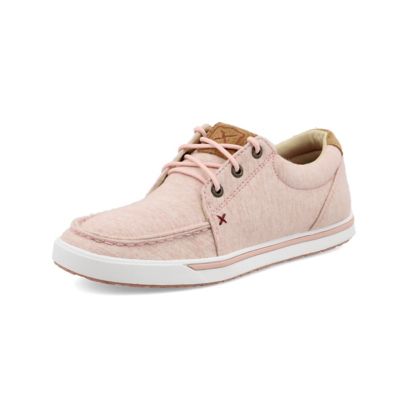
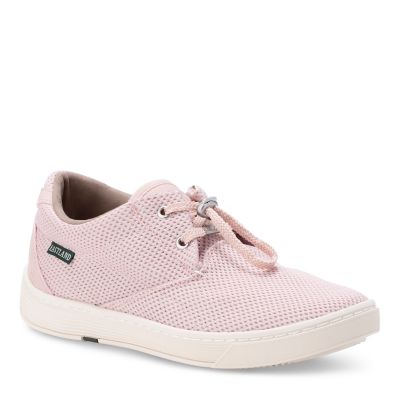
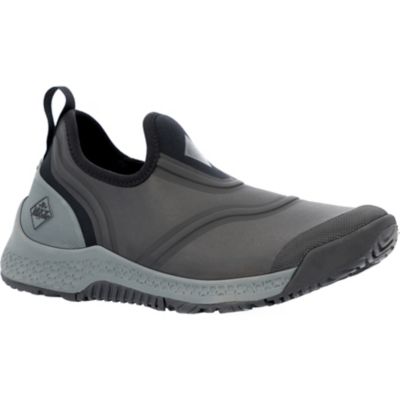
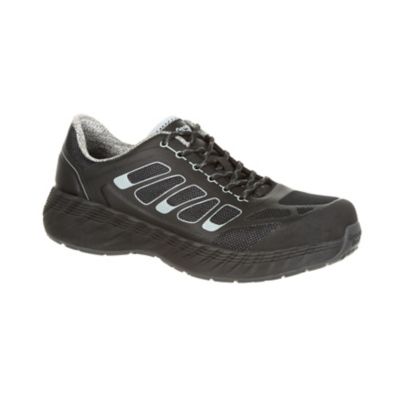
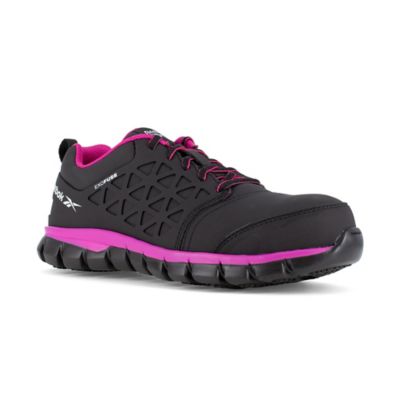
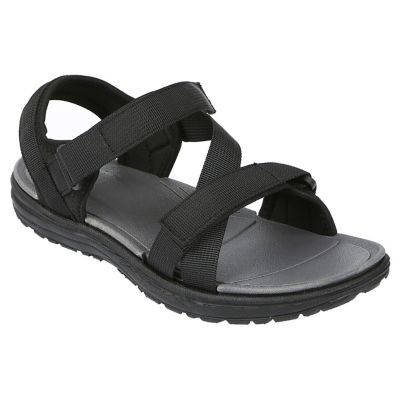
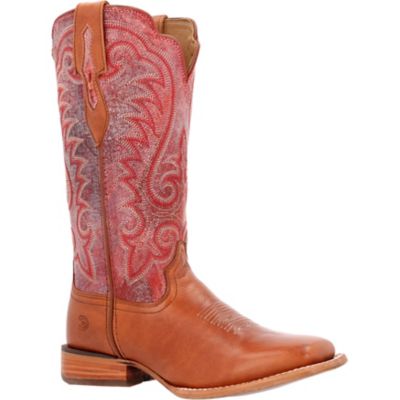
Women’s pink athletic shoes bring a little color to footwear made for walking, running, exercise and everyday miles. The category spans soft blush and dusty rose shades, brighter raspberry tones and bold hot pink, with color appearing across the upper, along the sole or in smaller accents. Color gives the shoe its look, but the construction determines where it fits into the day. Walking shoes often emphasize cushioning and a comfortable heel-to-toe transition, while running shoes are designed around repeated forward movement. Training shoes may have a broader base and features suited to side-to-side movement during gym sessions. Casual athletic sneakers lean toward easy everyday wear rather than a particular sport. That distinction matters whether the day includes laps around the school track, a walk down Main Street or errands that keep someone on their feet for hours. Mesh uppers allow airflow and usually feel lighter than more substantial materials. Knit uppers can offer a flexible, socklike feel, although stretch and support vary by construction. Synthetic overlays, leather panels and reinforced areas can add structure around the heel, sides or toe, helping the shoe keep its shape through repeated wear. Underfoot, foam midsoles provide cushioning, while rubber outsole sections help manage traction and wear where the shoe meets the ground. A softer feel may suit relaxed walking, but more cushioning does not automatically mean a better match for every activity. For exercises involving quick direction changes, a steady platform and secure fit may matter more than a plush step. Outsole patterns deserve attention, too: shallow tread often suits smooth walking surfaces, while more pronounced tread may be better suited to uneven paths, depending on the shoe’s intended purpose. A pair that feels good on a grocery-store floor may behave differently on loose gravel. The most useful women’s pink athletic shoes match the wearer’s routine first, with the shade of pink adding personality rather than standing in for the features the activity requires.
Fit has just as much influence on comfort as cushioning or upper material. A well-fitting athletic shoe leaves room for the toes to spread without allowing the foot to slide around inside. For walking and running, roughly a thumb’s width ahead of the longest toe is a common starting point, though the right amount of space depends on foot shape and the shoe’s design. The heel should feel held in place without rubbing, and the midfoot should feel secure rather than squeezed. Toes should not press into the front when walking downhill or taking a longer stride. Feet can swell after hours of activity, so the fit that feels fine while sitting may feel different after a long stretch on the move. Socks also change the feel: a thicker athletic sock takes up more room than a thin everyday sock, and an orthotic or separate insole can affect both depth and heel position. Width, toe-box shape and closure style all matter alongside the size printed on the label. Laces allow adjustments across the top of the foot, which can be helpful when one area needs more room while another needs a closer hold. Slip-on athletic styles offer convenience for casual wear, but secure foot retention still matters, especially during exercise. A comfortable pair should not depend on being stretched enough to stop pinching. Pink is easy to work into an everyday wardrobe without making the whole outfit match. Pale pink pairs naturally with denim, gray joggers and simple tees, while brighter shades add a splash of color to black leggings or neutral workout clothes. Darker trim can give a pink shoe a more grounded look, and lighter accents can make the color feel softer. As a gift, women’s pink athletic shoes make the most sense for someone whose preferred size, fit and activities are already known. A regular walker, gym-goer or fan of colorful everyday footwear may appreciate the color, but the right fit is what makes the pair worth reaching for.
Everyday care helps pink athletic shoes keep their shape, feel and appearance through repeated wear. Mesh, knit, leather and synthetic materials do not all respond to the same cleaning methods, so the manufacturer’s care directions matter more than a one-size-fits-all approach. For many athletic shoes, a soft brush lifts loose grit from the outsole and upper, while a lightly damp cloth and mild soap can address surface marks when the material permits. Saturating the shoe can affect adhesives, padding or finishes, and machine washing is not suitable for every construction. Direct heat from a dryer, heater or other concentrated source can also change the fit or weaken bonded parts. Air drying away from direct heat gives damp shoes time to dry without that added stress. Removable insoles can be taken out for drying when the shoe’s instructions allow it, and loosening the laces helps open the upper. Letting a pair dry fully between wears helps limit lingering odors; breathable socks and a rotation between pairs can also make a difference during frequent activity. Signs of wear are worth noticing before comfort drops off. Flattened cushioning, a heel that leans to one side, smooth patches on the outsole or separating seams can change how a shoe feels and performs. Reinforcement at high-friction spots and rubber coverage in heavily worn areas can help a pair hold up, but walking distance, surfaces and care all affect its working life. Everyday athletic footwear also has limits around the farm or workplace. A pink sneaker suited to errands is not automatically suited to handling equipment, working around livestock or spending a shift on slick floors. For athletic-style footwear with the workday in mind,
Womens Athletic Work Shoes provides a related category to explore. Any required toe protection, slip-resistance rating or electrical-hazard protection should be confirmed in the footwear specifications. For recreation and daily wear, the right balance of fit, cushioning, materials and traction keeps the focus on the miles ahead, with pink adding a cheerful finishing touch.