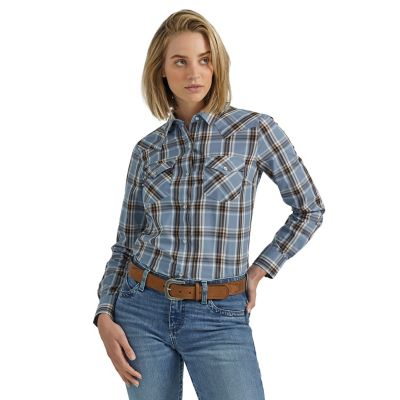
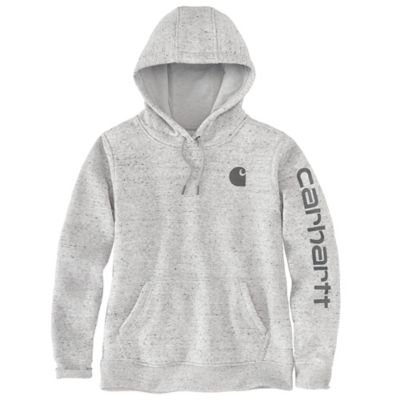
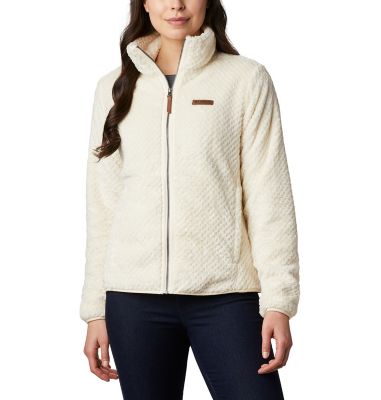
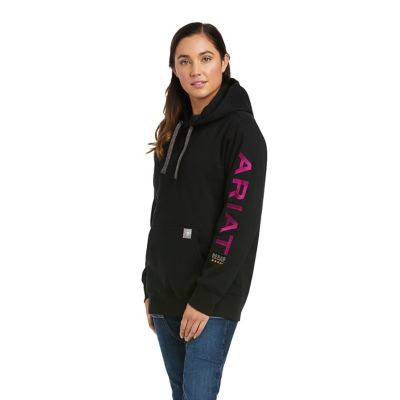
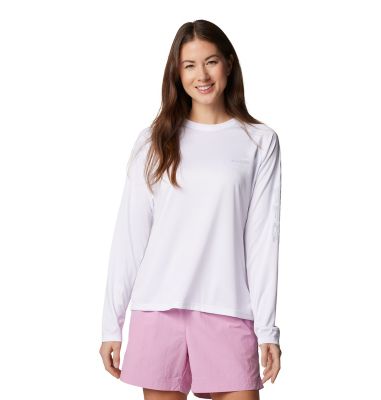
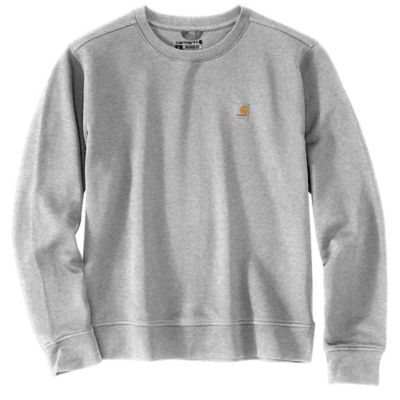
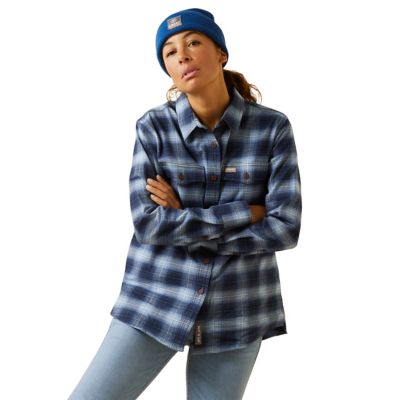
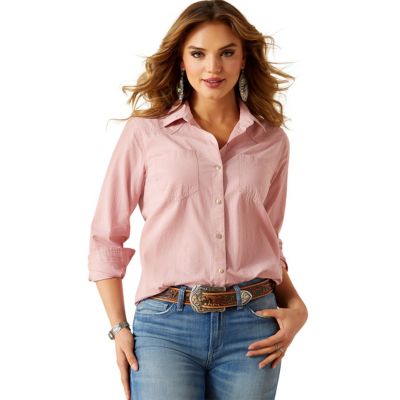
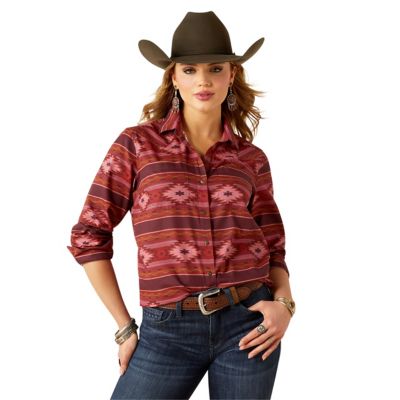
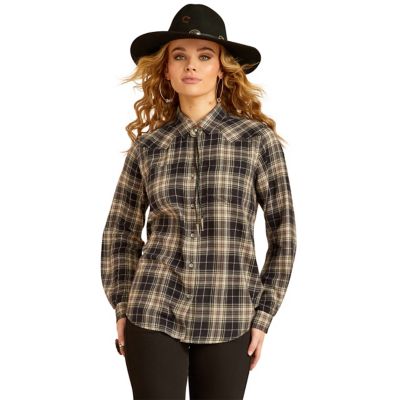
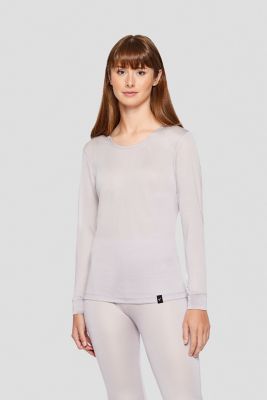
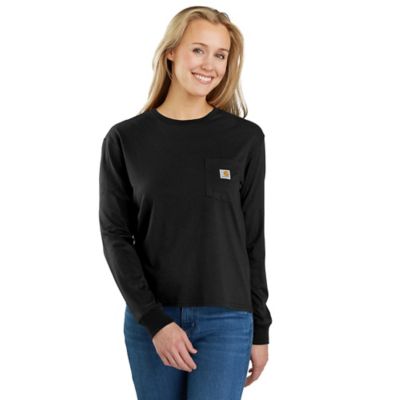
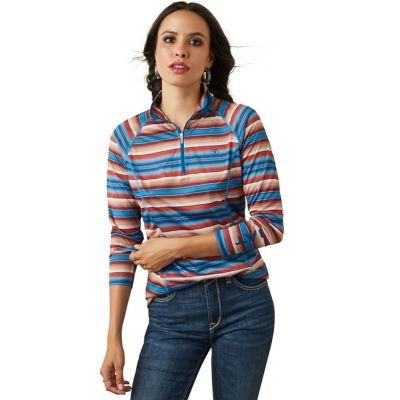
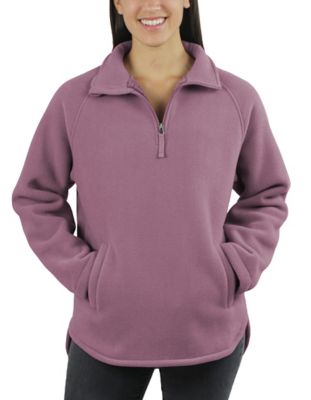
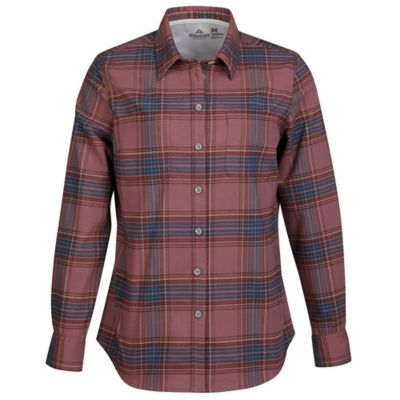
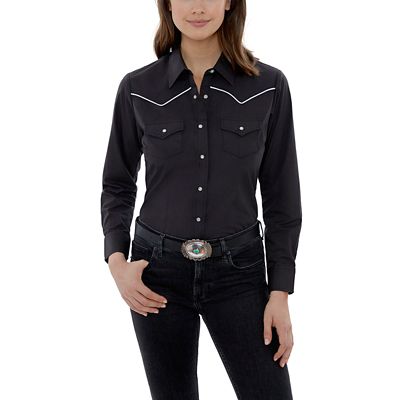
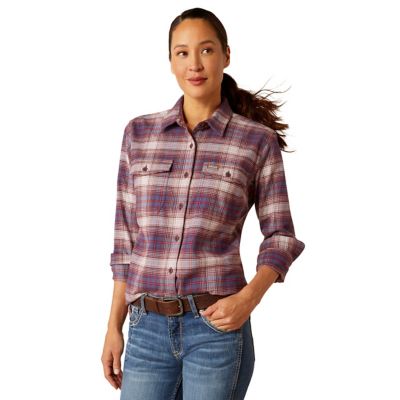
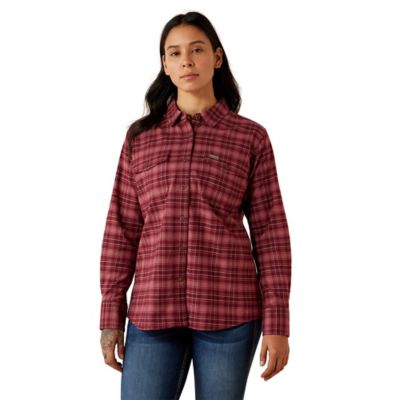
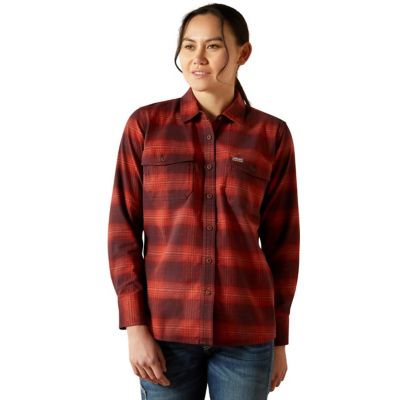
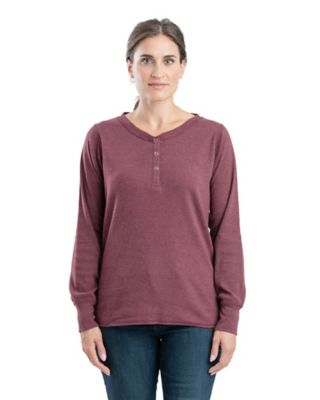
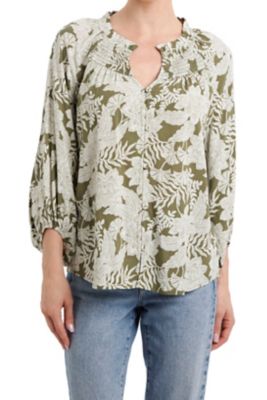
Women’s long-sleeve tops for fall bring together everyday tees, henleys, button-down shirts, tunics, knit pullovers, and cardigans for days that start chilly and warm up along the way. Each style has a place, whether the day calls for feeding animals before breakfast, heading to work, or sitting around a backyard fire after supper. Lightweight tees offer coverage without much weight, while brushed fabrics and thicker knits add warmth when there’s a bite in the air. A henley’s short button placket gives a simple shirt a little more detail and lets the neckline open up when the afternoon turns mild. Button-downs work tucked into jeans for a tidier look or worn open over a tee for an extra layer. Tunics offer longer coverage with leggings or slim-cut pants, and cardigans are easy to slip off once the truck heater gets going. Fabric makes a noticeable difference in how these tops feel throughout the day. Cotton jersey tends to feel soft and breathable for everyday wear, though it holds moisture and can feel chilly after sweaty chores. Cotton-polyester blends often wrinkle less and dry faster than all-cotton fabric, depending on their construction. A little stretch can make reaching, bending, and layering more comfortable without requiring an oversized fit. Flannel has a brushed surface that feels cozy against the skin, but its warmth depends on fabric weight rather than the plaid pattern. Wool and wool-blend knits can provide warmth in cool conditions, while acrylic knits offer another option with care requirements that vary by garment. For active outdoor days, moisture-wicking fabrics can help move perspiration away from the skin. A soft everyday shirt and a performance layer may look similar on a hanger, but their best roles can be quite different. That range gives women’s fall long-sleeve shirts a place in both a workday wardrobe and the stack of comfortable clothes saved for slower weekends.
Fit matters just as much as fabric when a long-sleeve top needs to move from the house to the barn and then into town. A close-fitting tee sits smoothly beneath a flannel or vest, while a relaxed shirt leaves more room through the shoulders and middle. Neither should pull across the back when reaching forward or pinch at the upper arms when an elbow bends. Shoulder seams, sleeve length, and the shape of the armholes all affect that freedom of movement. Sleeves that end near the wrist help keep coverage in place beneath jacket cuffs without leaving a bunch of extra fabric around the hands. Ribbed cuffs can help sleeves stay put, and button cuffs offer a neater finish with some adjustment at the wrist. For tasks around moving equipment, loose sleeves and dangling details can pose a snag hazard; a closer fit and any required protective clothing matter more than the outfit. Hem length changes how a top works with different bottoms, too. A longer back hem adds coverage when bending, while a shorter, straight hem can sit neatly over higher-rise jeans. Side slits may ease movement around the hips, especially on tunic shapes. Necklines also help determine how a shirt layers: crewnecks give more coverage, V-necks leave room at the throat, and mock necks add warmth without the full height of a turtleneck. A collared shirt can look pulled together beneath a simple sweater without needing much else. Earth tones, deep reds, muted greens, and classic neutrals pair easily with denim, canvas pants, and boots, while stripes and plaids bring pattern to an otherwise plain outfit. A textured knit can carry a look on its own, and a smooth jersey shirt generally slips beneath outerwear with less friction. For a broader mix of layering styles,
Women's Fall Tops And Sweaters brings the same cool-weather wardrobe into focus. The most useful combinations leave enough room for an outer layer without feeling baggy once that layer comes off indoors.
Long-sleeve fall tops often earn their place through repeated wear, so construction and care deserve a little attention alongside color and fit. Even stitching, secure buttons, and well-finished seams can help a shirt stand up to regular dressing and washing. A neckline that lies flat and cuffs with good recovery help preserve its shape, especially when sleeves get pushed up throughout the day. Heavier fabric is not automatically stronger; fiber, knit or weave structure, and finishing all play a part in how a garment wears. Loosely knitted sweaters can catch on rough boards or hook-and-loop fasteners, making smoother fabrics a more practical choice for certain chores. Soft knitwear may be better suited to the office, a family meal, or an evening on the porch than hauling brush. Care labels set the ground rules for washing and drying, since two tops that feel alike can need different treatment. Lower wash temperatures and gentler drying may help limit fading and shrinkage when the label permits them. Separating sweaters from garments with exposed zippers or fasteners can reduce snagging, and turning graphic tees inside out can help protect printed surfaces during laundering. Some knits need reshaping and flat drying rather than a trip through the dryer; folding heavier sweaters instead of hanging them helps keep the shoulders from stretching. Those details matter when a favorite layer needs to be ready for another early start. As cooler weather settles in, a lightweight long-sleeve shirt can stay in rotation beneath a warmer sweater, vest, or coat instead of being put away. Women who spend time outdoors may appreciate room for those layers, while someone moving between heated buildings may prefer a lighter fabric that feels comfortable indoors. Long-sleeve tops can also make thoughtful gifts when the recipient’s usual size, preferred sleeve fit, and laundry routine are known. A familiar neckline or favorite color is often more useful than a style that asks for a whole new wardrobe. From weekday errands to quiet weekends, the right mix of warmth, movement, and manageable care makes these tops easy to reach for again.