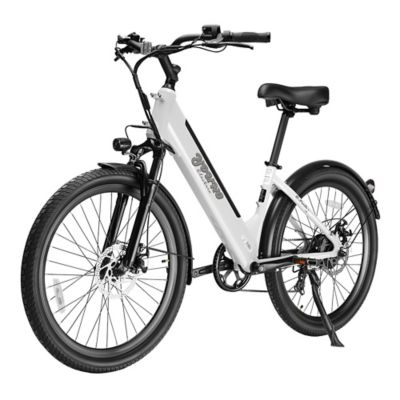
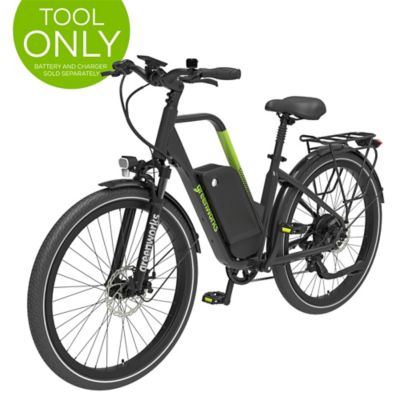
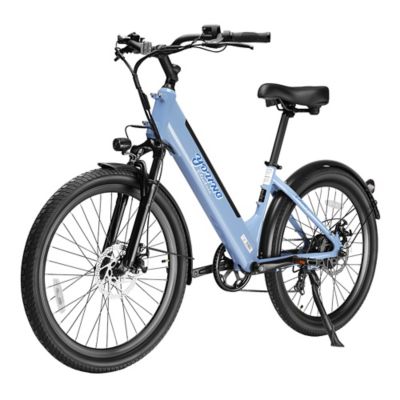
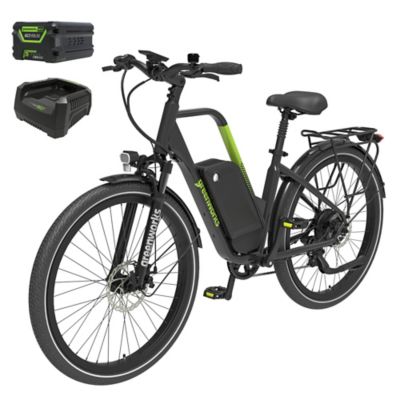
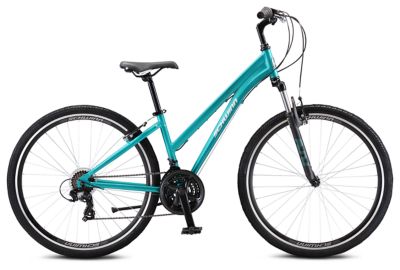
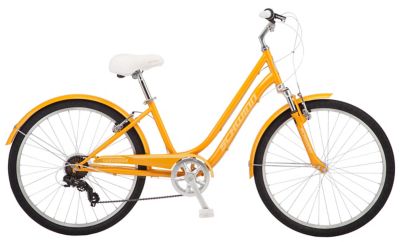
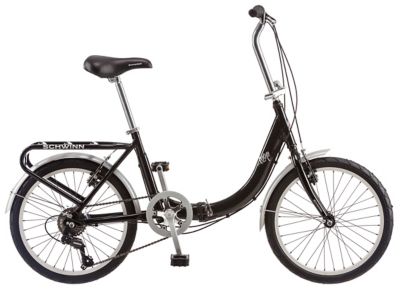
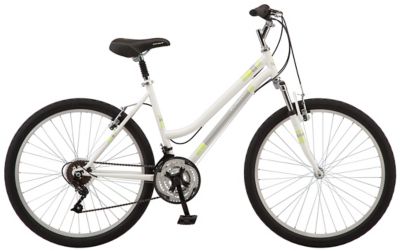
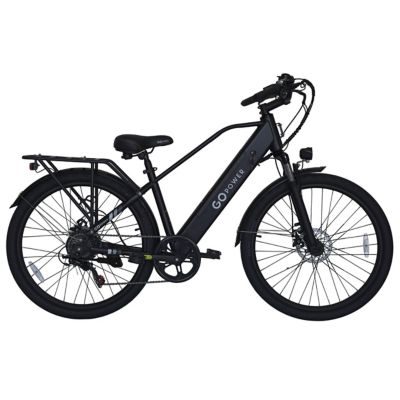
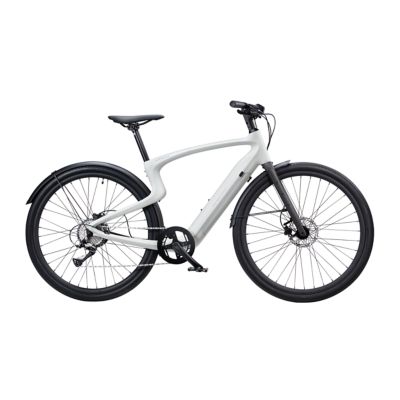
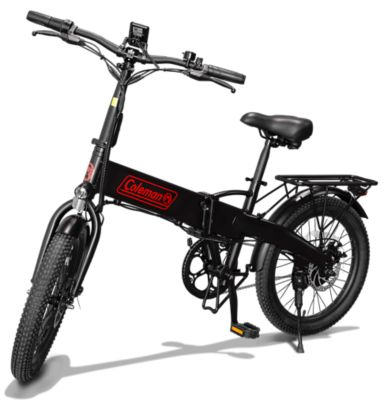
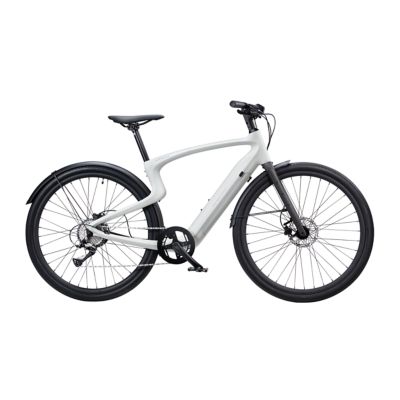
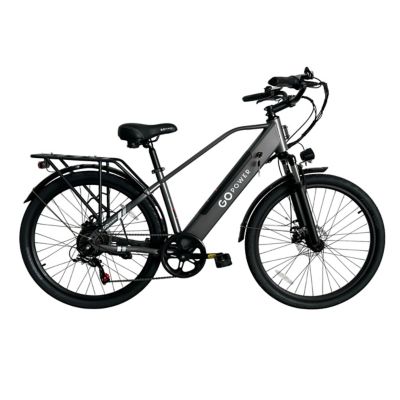
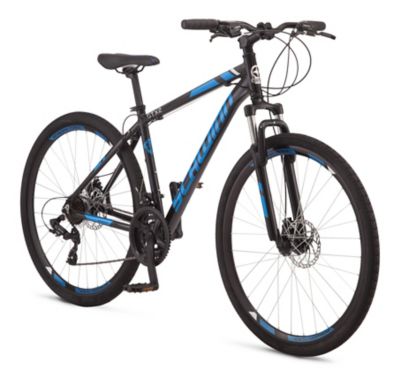
Women’s commuter bikes are built around everyday transportation, with features that make trips to work, school, shops, and the town square feel manageable. Many combine an upright or moderately forward riding position with easy-to-reach handlebars, practical gearing, and room for carrying a bag. Step-through and low-step frames can make getting on and off simpler, especially when a rear rack is loaded or a rider is wearing work clothes. Other frame shapes offer a more traditional riding position, so the women’s label alone does not tell the whole story about fit. Frame size, reach to the handlebars, and saddle adjustment all play a part in how a bike feels over several miles. A comfortable setup lets the rider reach the brake levers without stretching, steer without cramped shoulders, and pedal with a slight bend in the knee at the bottom of each stroke. Standover clearance also matters when stopping at an intersection or stepping down beside a parking rack. For a trip from the edge of town to a downtown office, a commuter bike can offer a useful middle ground between a leisurely cruiser and a bike built mainly for speed. Aluminum frames generally help keep weight manageable, while steel frames can offer a smooth, solid feel; overall bike weight also depends on wheels, components, and carrying equipment. A lighter bike may be easier to lift onto a vehicle rack or carry up porch steps, while a heavier setup may feel perfectly manageable on a route with ground-level storage. Saddle shape deserves attention, too. More padding does not automatically mean more comfort, and the right width should support the rider without getting in the way of pedaling. Handlebar height, grip shape, and the distance between the saddle and bars work together to support a position that feels natural. Those details matter whether the daily ride is a short hop to the library or several miles across town before a shift starts.
The route helps determine which features earn their keep on a women’s commuter bike. A mostly level trip with frequent stops may call for straightforward gearing and easy handling, while rolling roads and an uphill stretch toward home make a wider gear range worth considering. Lower gears make it easier to keep the pedals turning on climbs, particularly with groceries or a work bag aboard. Higher gears support a comfortable cadence on open stretches without requiring the rider to spin the pedals too quickly. External derailleurs provide a range of gearing options, while some commuter designs have internally geared hubs that keep the shifting mechanism enclosed. Brake feel matters just as much as the number of gears. Levers should be within comfortable reach, with controlled stopping power that suits the rider and the route. Rim brakes and disc brakes have different service needs, and either setup benefits from regular attention to pads, cables, or hydraulic components as applicable. Tires also shape the ride. Moderately wide commuter tires can take the edge off patched pavement and small cracks, while tread pattern and tire construction should match the surfaces along the way. A paved shoulder, a town street, and a short stretch of packed gravel do not all ask the same thing of a tire. Puncture-resistant construction may be helpful where roadside debris is common, though no tire eliminates the possibility of a flat. Carrying features can make the difference between a bike that feels recreational and one that fits a daily routine. A rear rack and compatible panniers can keep a lunch bag or change of clothes off the rider’s back, while a basket keeps smaller belongings close at hand. Rack limits, attachment points, heel clearance, and balanced loading all deserve a look before adding cargo. Fenders help keep road grit away from clothing, a kickstand makes parking simpler, and lights and reflectors help other road users notice the bike. A properly fitted helmet and a lock round out a practical commuting setup.
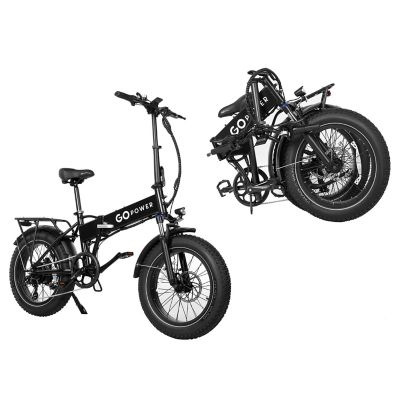
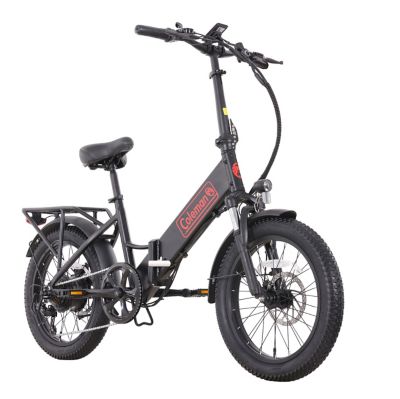
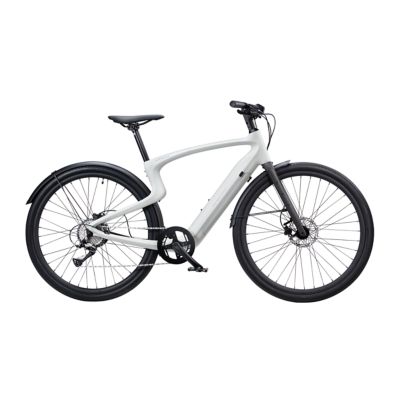
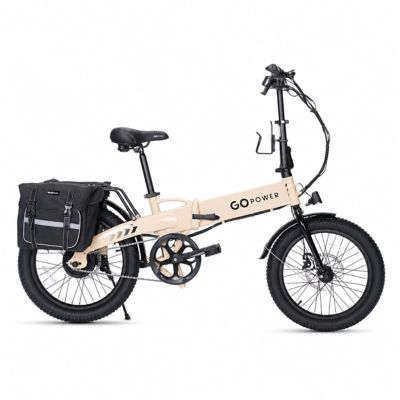
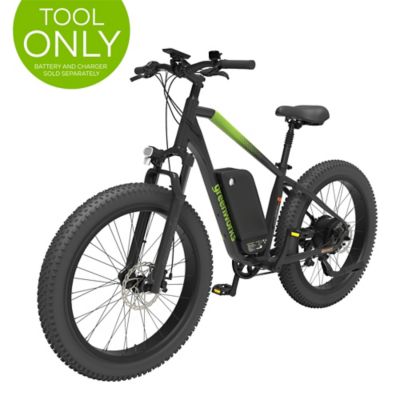
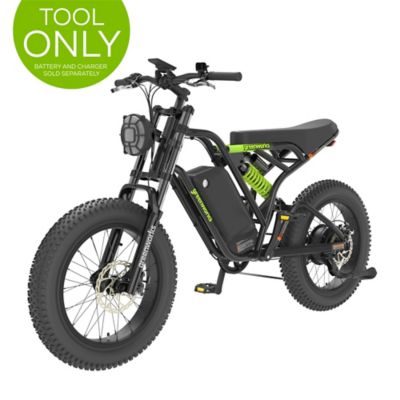
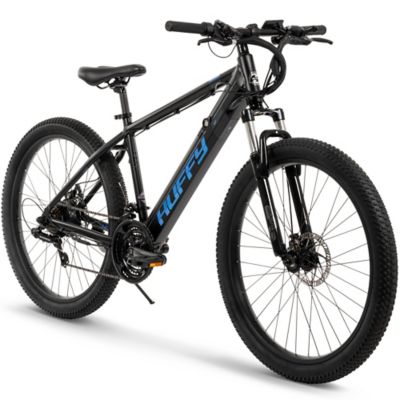
For riders facing longer distances, repeated hills, or a loaded trip home from town, electric commuter bikes add pedal assistance while keeping the familiar feel of riding a bicycle. Assistance levels let the rider adjust how much help the motor provides, though battery range varies with hills, rider and cargo weight, tire pressure, and the selected assist setting. A stated maximum range is not a promise for every route. Battery placement, bike weight, and whether the battery can be removed for charging also affect day-to-day convenience, especially when storage involves stairs or a charging outlet is not nearby. The
Unisex Electric Bikes category offers another direction to consider when comparing frame layouts and assisted riding options. Fit still comes first, and motor assistance does not replace comfortable brake access, confident handling, or sensible cargo limits. Whether the bike has a motor or relies entirely on pedal power, routine care supports steady performance over the miles. Tire pressure within the tire maker’s specified range helps the bike roll as intended, while a clean, properly lubricated chain helps shifting parts move freely. Brake pads, wheel attachment points, rack hardware, and lights benefit from regular checks, particularly on a bike that makes frequent trips. Grit left around the chain and gears can speed wear, and a wipe-down followed by suitable lubrication helps keep those working parts in shape. Electric models also call for the charging equipment and battery care specified by the manufacturer. Storage space is another everyday consideration: a bike should be easy enough to park securely that taking it out does not turn into a chore. For a student traveling between home and campus, a neighbor riding to a part-time job, or someone replacing a few short car trips, the right commuter bike fits both the route and the routine. It can also make a thoughtful gift for someone who enjoys practical transportation, provided frame size, riding preferences, and storage needs are part of the decision. Comfortable fit and useful features are what turn a bicycle into a regular companion for getting things done.