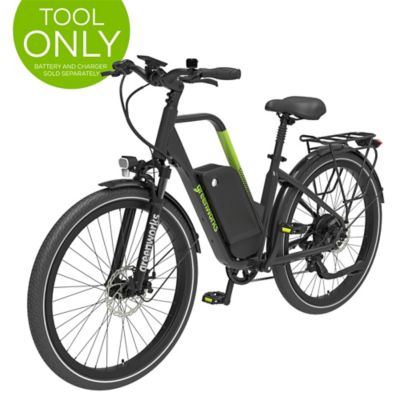
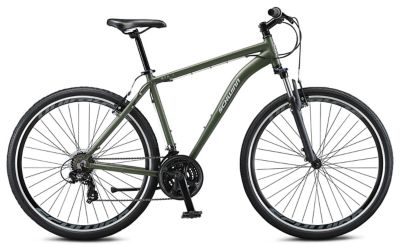
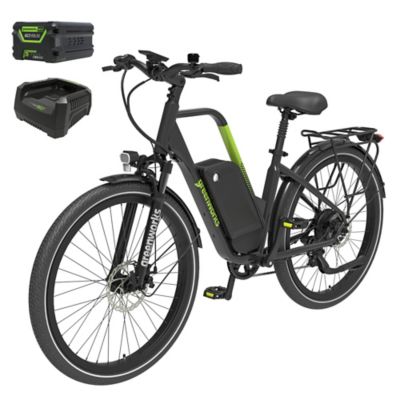
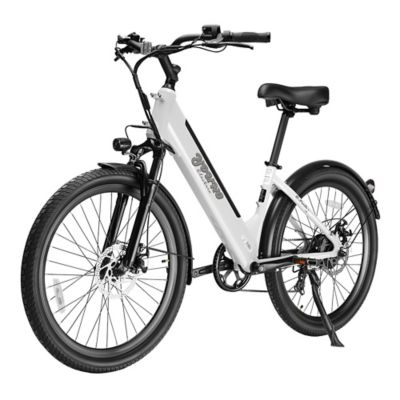
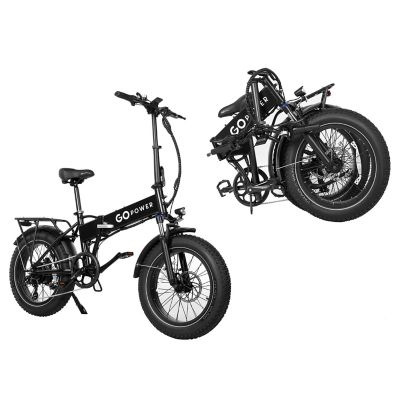
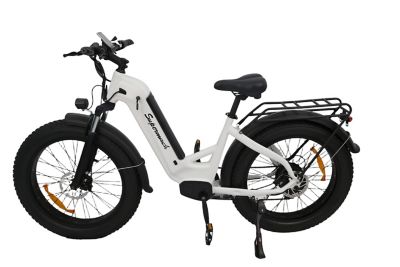
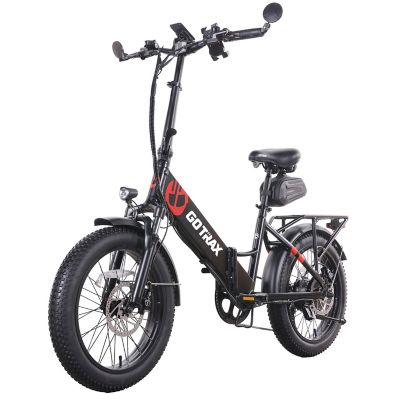
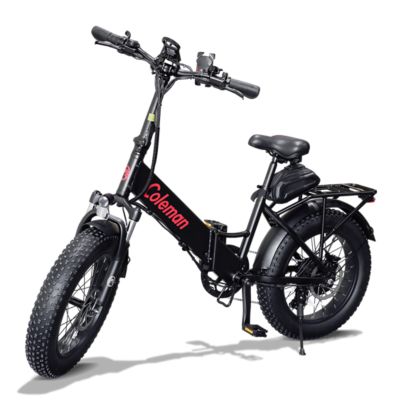
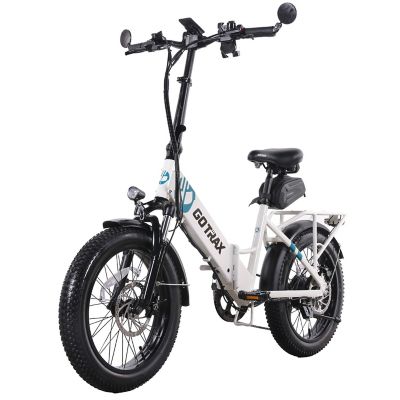
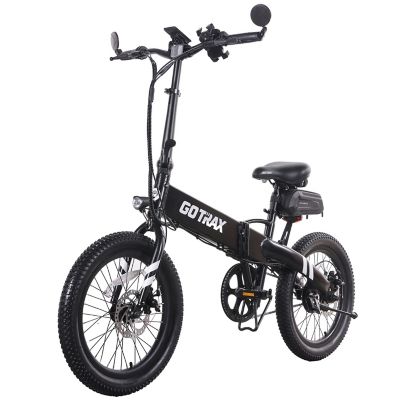
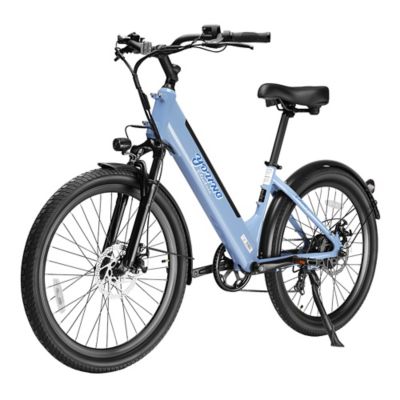
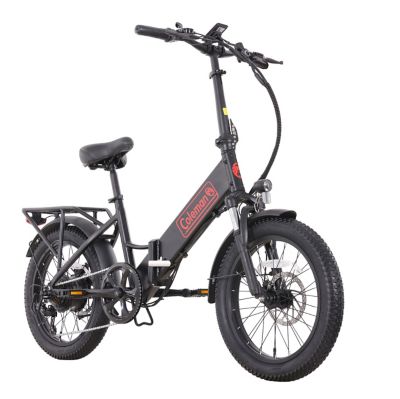
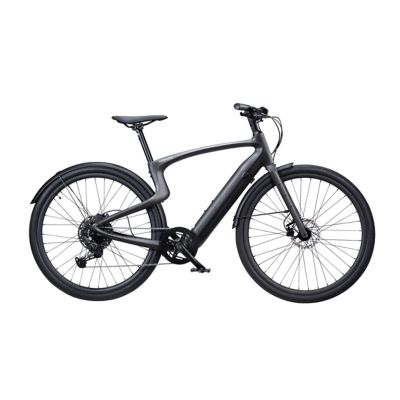
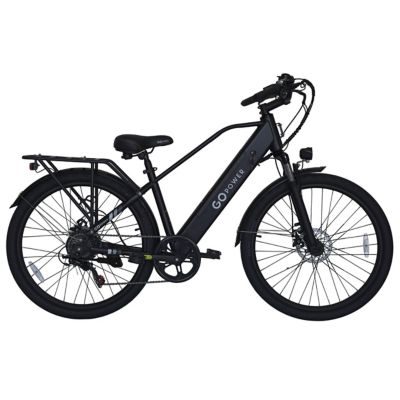
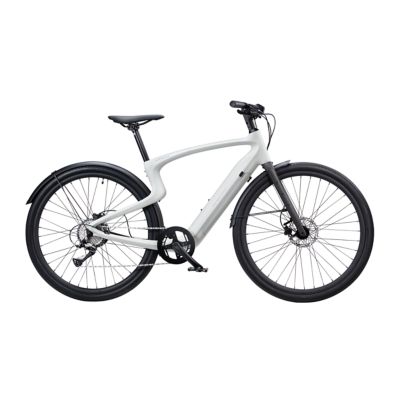
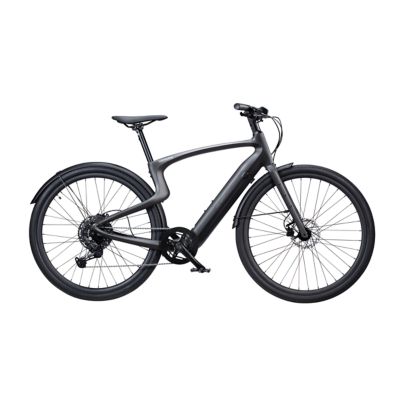
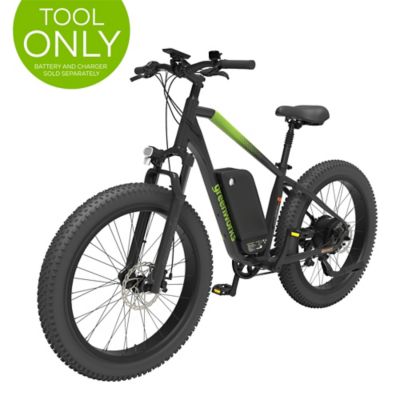
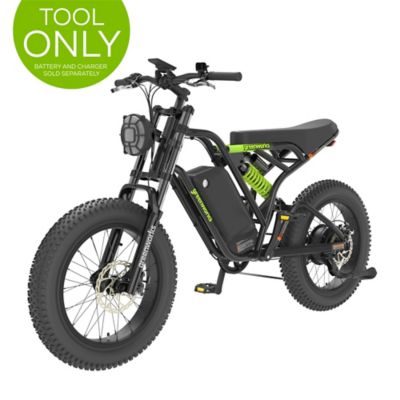
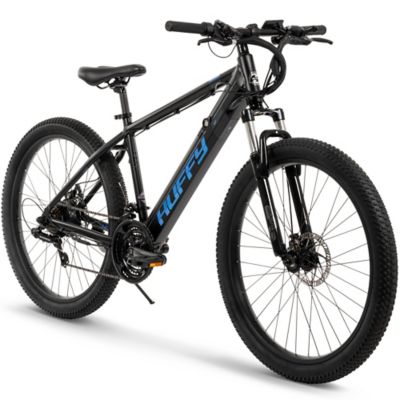
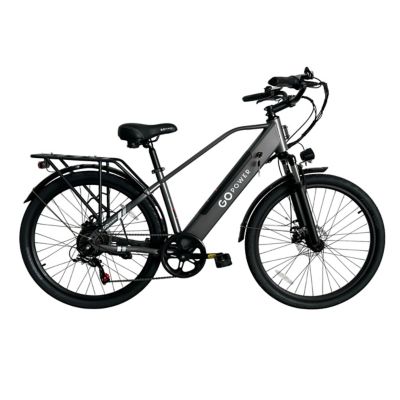
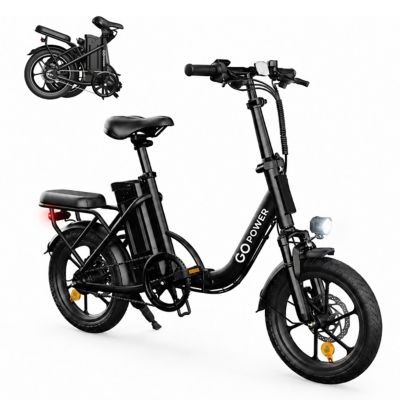
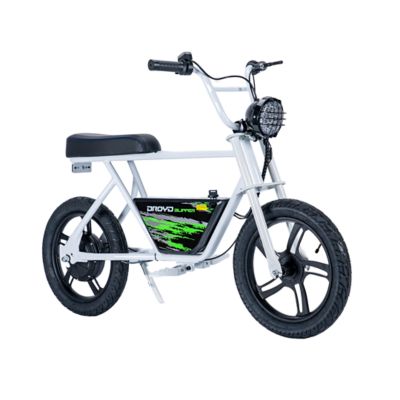
Commuting bikes are bicycles built or equipped for regular trips to work, school, and everyday errands. A comfortable riding position, manageable gearing, dependable brakes, and room to carry daily essentials help set them apart from bikes meant mainly for racing or trail riding. For someone pedaling across town to an early shift, that can mean arriving with a lunch bag secured behind the saddle instead of swinging from a handlebar. For a student or a rider heading to the library, it can mean an easygoing bicycle that handles frequent stops without feeling cumbersome. Many commuter bicycles have upright or moderately forward riding positions that support a clear view of the road ahead, along with tires that balance rolling efficiency and cushioning. Hybrid bikes often suit this role because they combine flat handlebars with proportions suited to pavement and some maintained gravel paths. More relaxed designs can work well for short, mostly level trips, while fitness-oriented designs may appeal to riders covering longer distances. The route matters as much as the mileage: a three-mile ride with a steep climb calls for different gearing than a flat trip between a neighborhood and the town square. Lower gears make climbing and starting with a loaded rack more manageable, while higher gears support a comfortable cadence on open stretches. A simple drivetrain can suit flatter routes, though a wider gear range offers more flexibility where grades change. Electric-assist commuting bikes add motor support while the rider pedals, making hills and longer trips less demanding. Their added weight, charging needs, and local riding rules are part of the picture, especially when the bike needs to go upstairs or onto a vehicle rack. Whether the trip ends at a workplace bike rack, a campus building, or a small-town storefront, the right commuter bicycle fits the regular route rather than an occasional ride that rarely happens.
Frame material, overall fit, and carrying capacity shape how a commuting bike feels day after day. Aluminum frames generally keep weight manageable and do not develop the iron rust associated with steel, although their components still need care. Steel frames can offer a comfortable ride and strong construction, with paint and protective finishes helping limit corrosion. Material alone does not determine ride feel or service life; frame design, tire volume, wheel construction, and maintenance all play a part. Fit is just as practical as construction. Enough clearance over the frame helps with stops, while a suitable saddle height allows a slight bend in the knee at the bottom of the pedal stroke. A comfortable reach to the handlebars lets the rider steer and brake without stretching or crowding the knees. Step-through frames can make getting on and off easier, particularly with a bag on the rear rack or clothing that limits leg movement. Saddle shape matters more than padding alone, and a position that feels comfortable for a trip around the block should also support the length of the regular commute. Tire choice brings another set of tradeoffs. Narrower tires often feel brisk on smooth pavement, while moderately wider tires provide more cushioning over patched asphalt, seams, and hard-packed paths. Puncture-resistant construction can help reduce flats, but no tire eliminates that possibility. Inflation should stay within the tire and wheel manufacturers’ limits, with rider weight and cargo taken into account. Brakes should offer controlled stopping for the route and load. Rim brakes and disc brakes have different service needs, and either system depends on proper adjustment and sound components. For carrying work clothes, groceries, or a lunch cooler, rack mounts and adequate heel clearance can make a real difference. A rack and panniers move weight off the shoulders, while a basket keeps smaller belongings within easy reach. Cargo capacity depends on the bicycle, rack, and attachment points, so their stated limits matter more than how much a bag can hold.
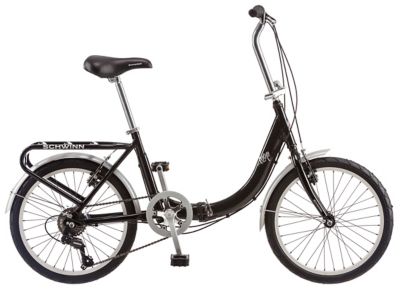
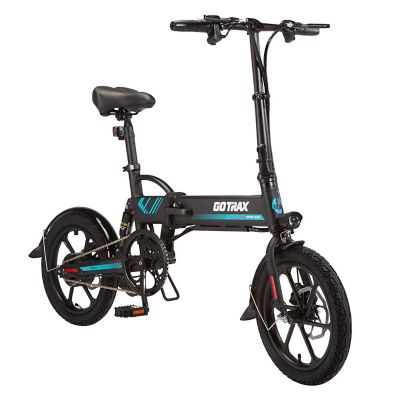
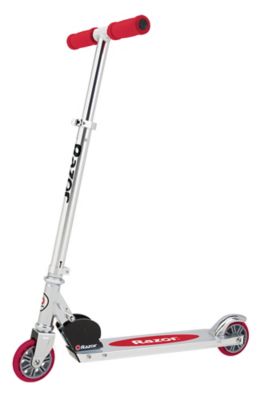
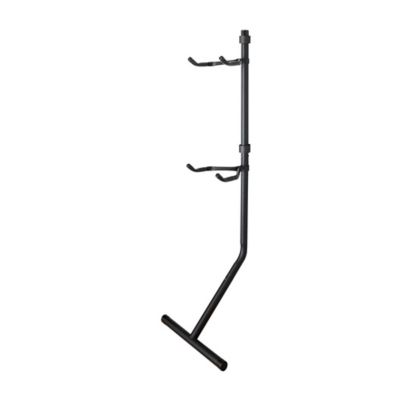
Everyday convenience often determines whether a commuting bike becomes part of the routine or stays parked in the shed. A kickstand simplifies loading when there is no suitable place to lean the frame, and a chain guard can help keep trouser cuffs away from the drivetrain. Rack, fender, and bottle-cage mounting points offer room for practical additions, though compatibility varies by frame. Storage deserves attention, too: a bicycle that rolls easily into a garage presents a different daily task from one carried through a narrow doorway or up a flight of stairs. Folding designs can make sense for some mixed bicycle-and-transit trips, provided their folded size, weight, and carrier rules line up with the journey. For shorter connections between a parking area, transit stop, and destination,
Kick Scooters For Commuting offer another option alongside bicycles. On the bike itself, front and rear lights, reflectors, and a properly fitted bicycle helmet support a sensible commuting setup. Visibility matters at driveways and intersections as well as along the road, and bags should never block lights or interfere with steering. A suitable lock and a designated parking spot make stops less of a hassle. Regular care keeps the daily ride running smoothly: tires need pressure checks, chains need appropriate lubrication, and brake pads, cables, and fasteners need periodic inspection. Removing grit from the drivetrain helps limit wear, while wiping the frame and checking for loose parts can catch small problems before the next trip. Electric-assist models also need charging and battery storage that follow the manufacturer’s directions. For a gift recipient, a commuting bicycle is a practical choice when the rider’s measurements, route, storage space, and comfort preferences are already known. It can suit a student traveling between classes, an employee with a manageable ride to work, or someone who enjoys handling nearby errands under pedal power. The strongest everyday setup brings those details together: a bike that fits, carries the necessary load, and feels comfortable enough to take out again tomorrow.