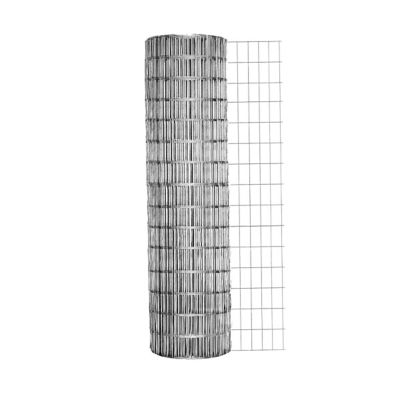
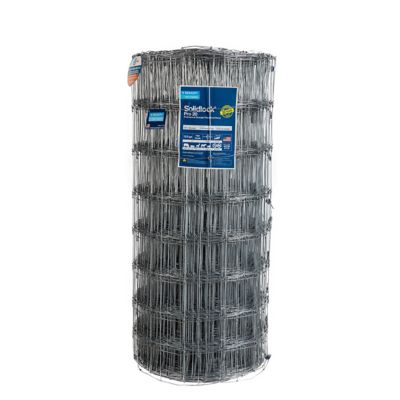
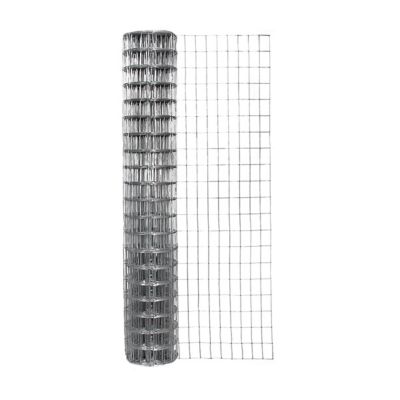
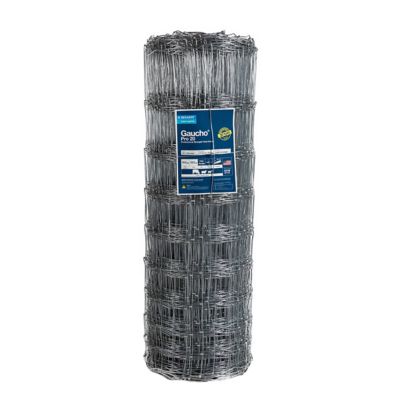
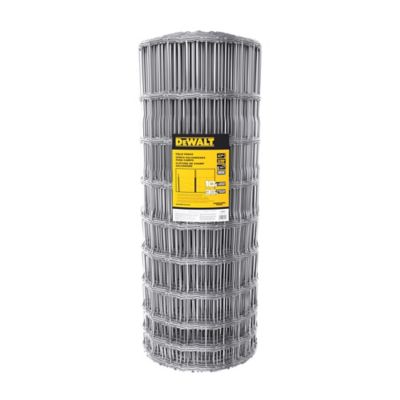
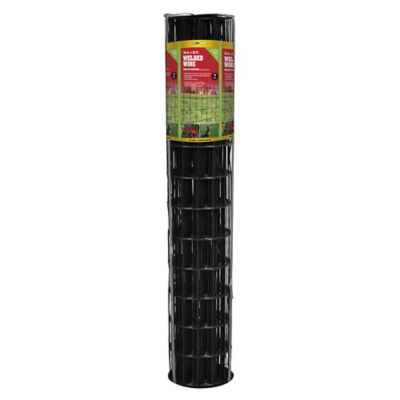
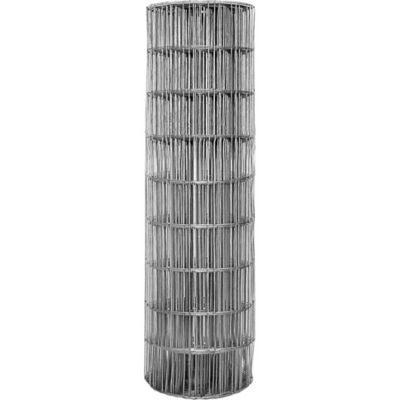
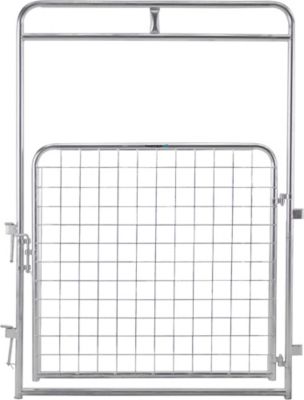
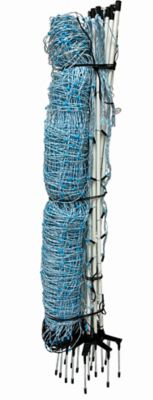
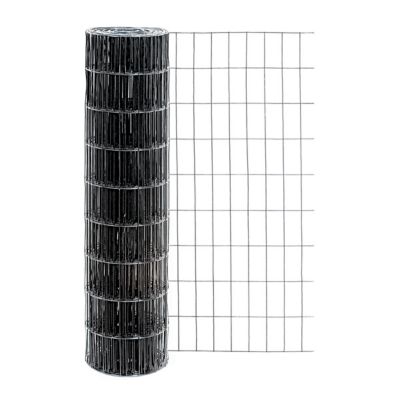
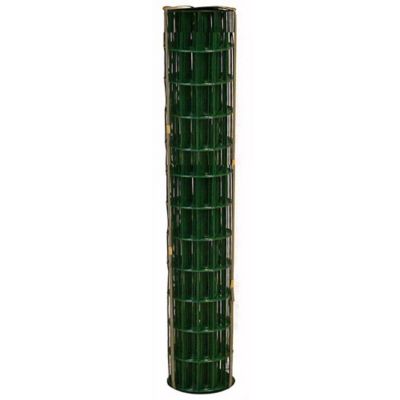
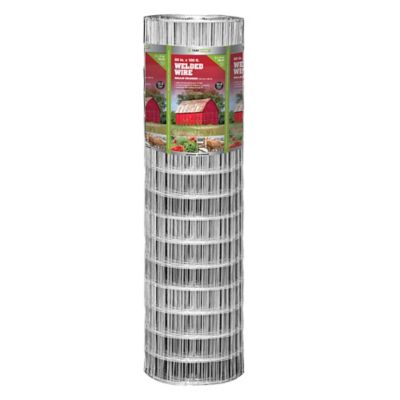
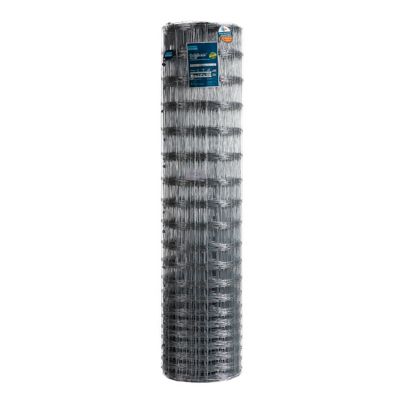
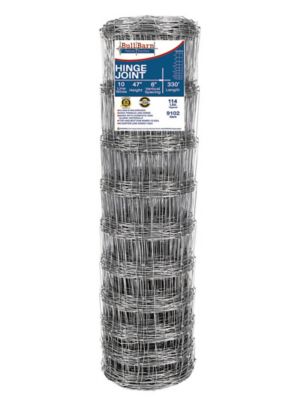
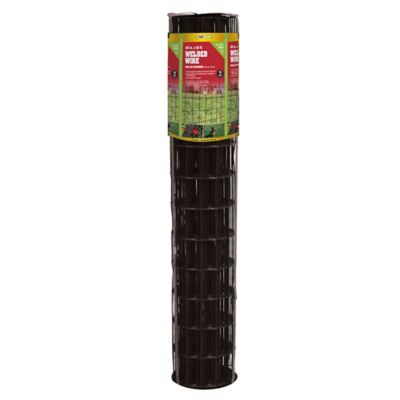
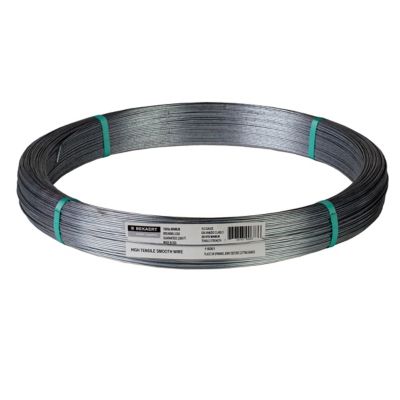
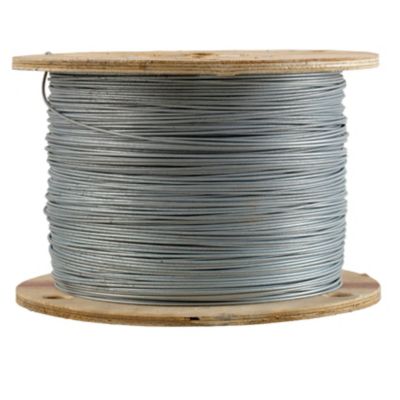
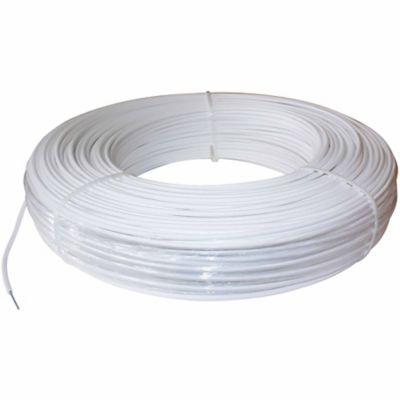
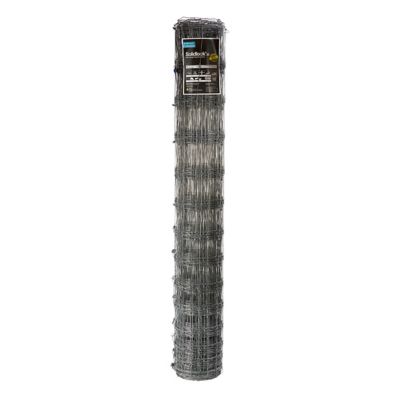
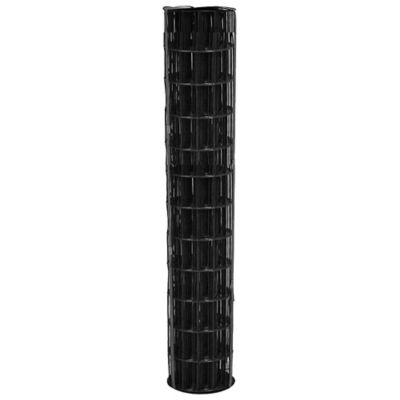
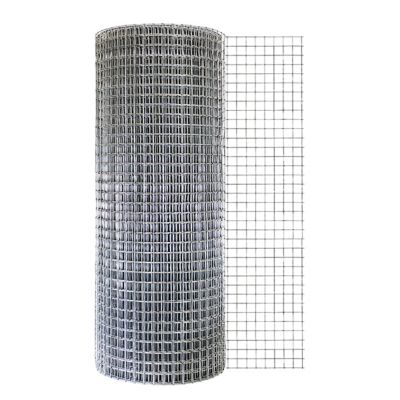
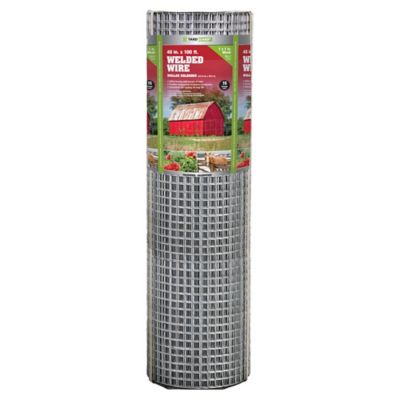
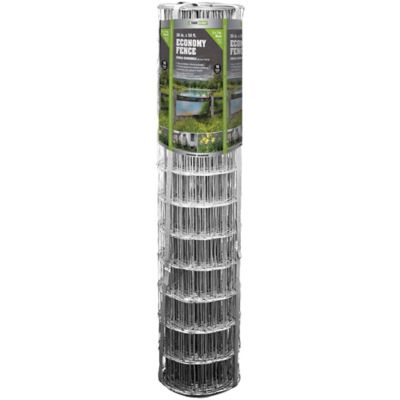
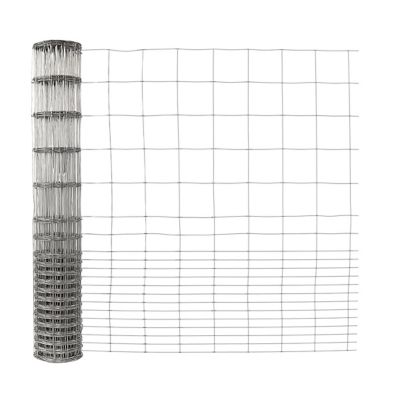
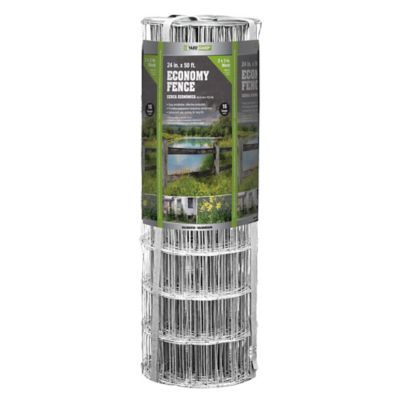
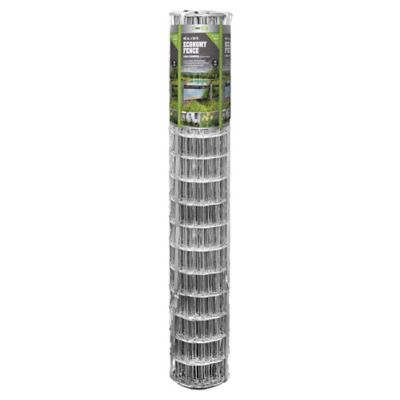
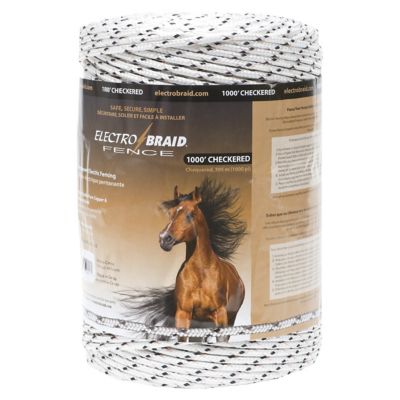
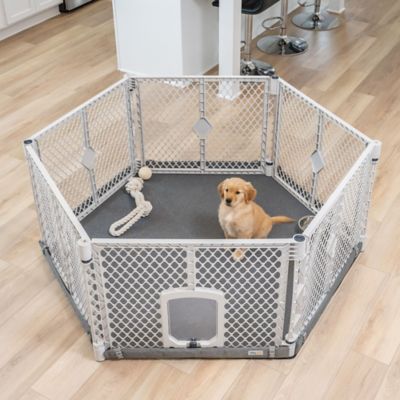
When it comes to keeping cattle and goats safe, secure, and right where you want them, the right wire fencing makes all the difference. Folks who run small farms, hobby homesteads, or even larger ranches know that fencing isn’t just about marking property lines—it’s about protecting your herd, managing pasture rotation, and giving animals the freedom to graze without worry. In May, as the grass comes in thick and green and livestock get the urge to roam, it’s a good time to look over your fence lines and think about upgrades or repairs before summer’s in full swing. The right wire fence needs to be strong enough to handle a curious steer leaning in for a scratch or a nimble goat testing every inch for a weak spot. That means choosing a fence with the right mesh size and height. Goats, for example, are notorious escape artists and will squeeze through any opening bigger than their nose or get their horns stuck if the mesh is too wide—2" x 4" is the sweet spot for most breeds. Cattle are less likely to slip through, but you’ll want a fence that stands up to their weight and occasional roughhousing, so a heavier gauge like 12.5 galvanized wire is a smart move for durability and rust resistance.
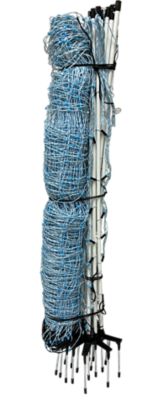
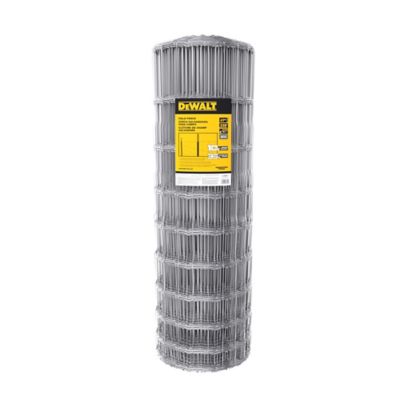
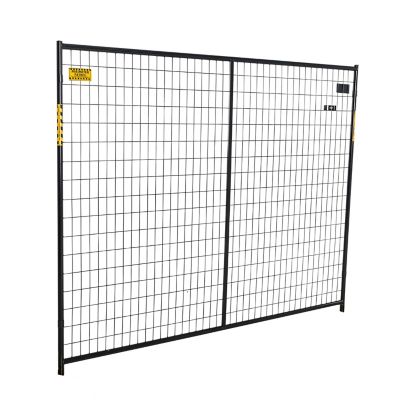
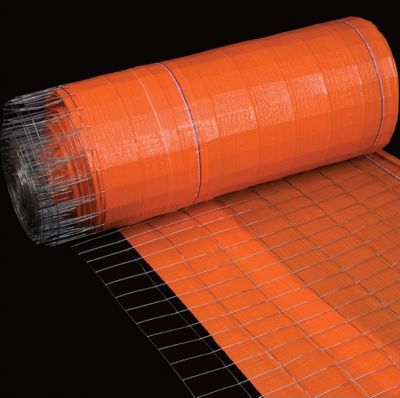
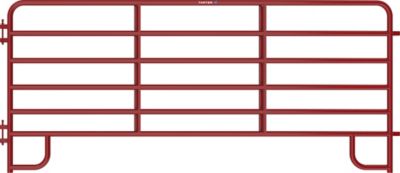
For mixed herds or folks who run both cattle and goats, it pays to look for panels or woven wire with smaller openings—something like 4" x 4" keeps goats from slipping out while still containing larger animals. Height is another thing to consider, especially for goats who love to climb and jump. Most find that 48 to 60 inches keeps even the most ambitious goats grounded. Predator control is another concern, especially if you’ve got young kids or calves in the pasture. Adding a strand or two of electric wire, either at the top to keep climbers in or a few inches above the ground to keep diggers out, can be a real game-changer. Some folks prefer movable electric netting for rotational grazing, which is handy if you’re letting your animals work over new ground every week or two. And when it comes to installation, welded wire panels are a favorite for ease of setup, especially if you’re working solo or just want to get the job done before the afternoon sun gets too hot. Whether you’re mending a stretch of old fence or putting in a new line for a growing herd, it’s worth investing in quality materials now to save headaches down the road—nothing ruins a spring morning like chasing goats through the neighbor’s hayfield.
Wire fencing isn’t just a practical purchase; it can also make a thoughtful gift for the farmer or rancher in your life. Maybe you’ve got a friend who’s just starting out with a handful of goats, or a family member who could use an extra hand getting their pastures in order. A roll of sturdy wire fencing or a few good panels can be the difference between a peaceful day and a livestock roundup. And if you’re not sure where to start, there’s plenty more to learn about the different styles and strengths of metal fencing—check out our page on
Metal Wire Fences For Small Farms for more tips and options. No matter the size of your operation, having the right fence in place means you can spend less time worrying about escapes and more time enjoying the land and animals you love. As the days get longer and the fields fill up with fresh grass, now’s the perfect season to make sure your fencing is up to the job, keeping your cattle and goats happy, healthy, and right where they belong.