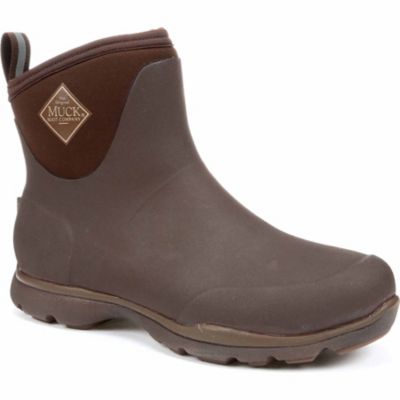
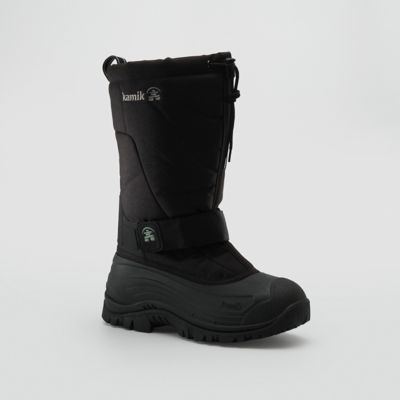
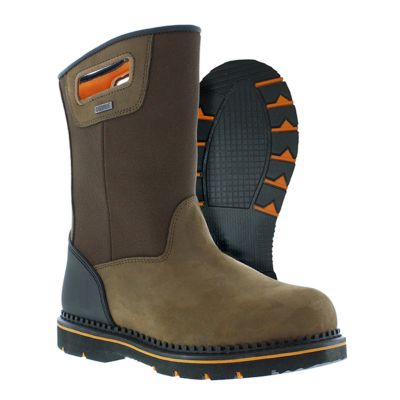
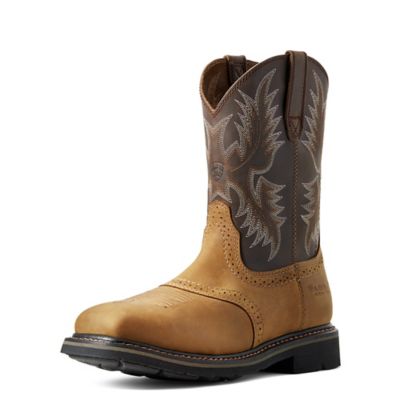
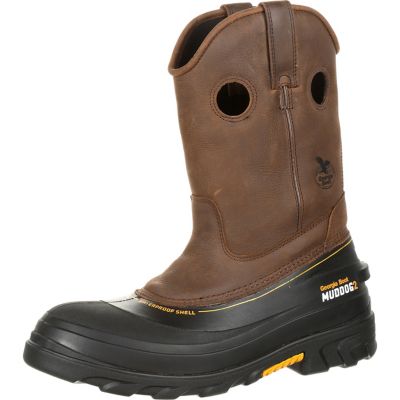
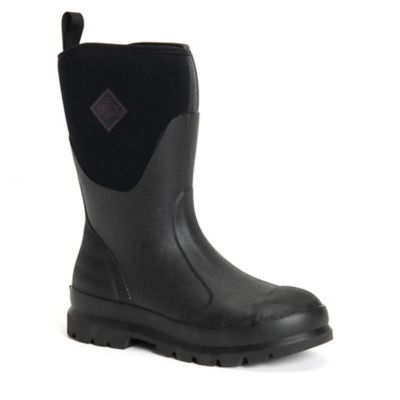
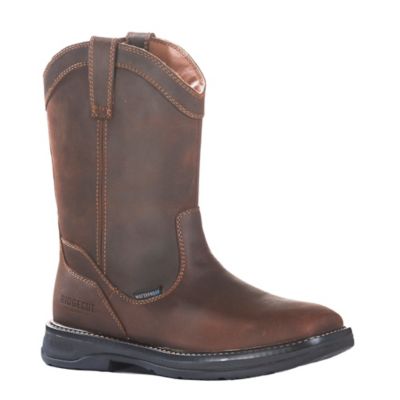
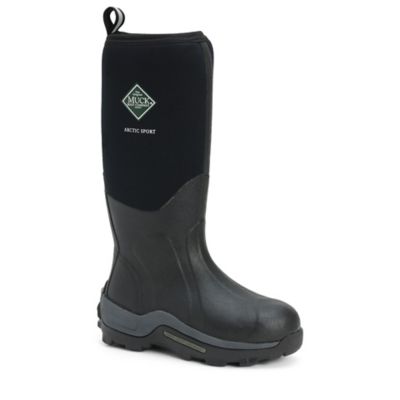
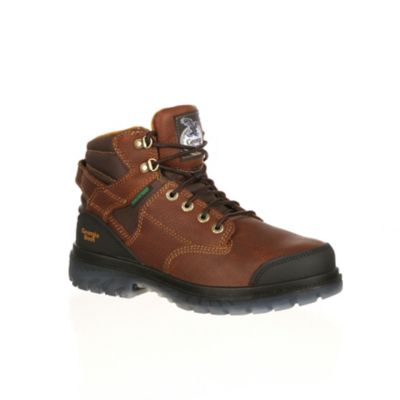
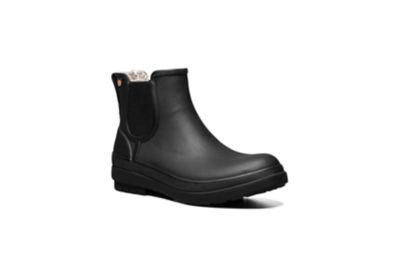
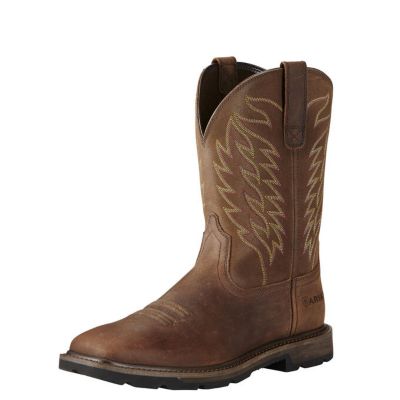
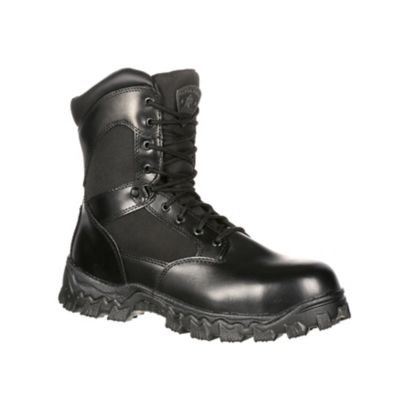
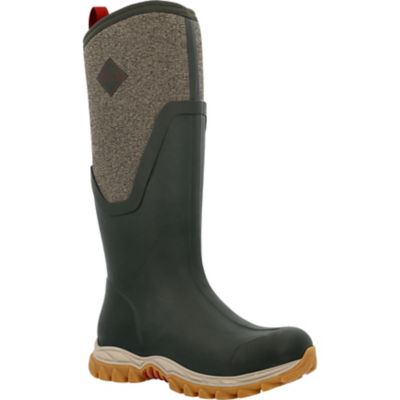
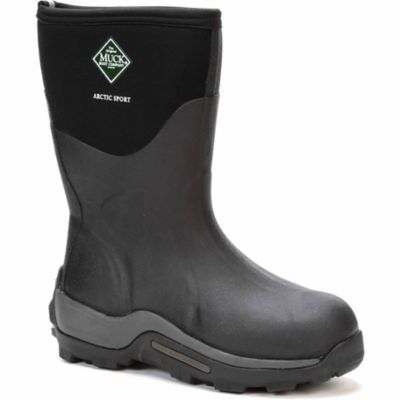
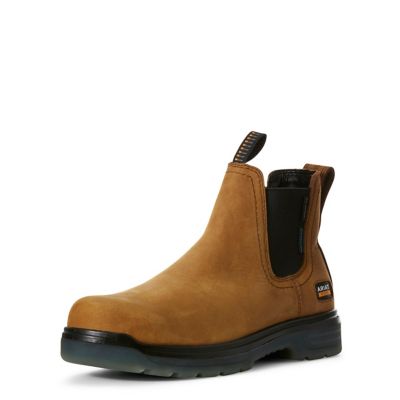
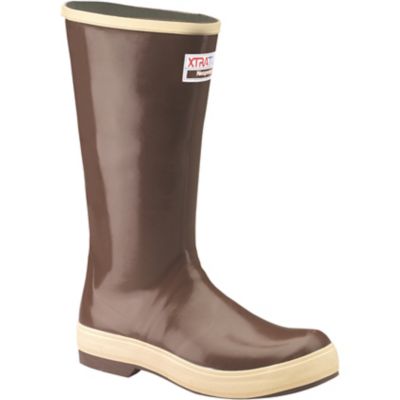
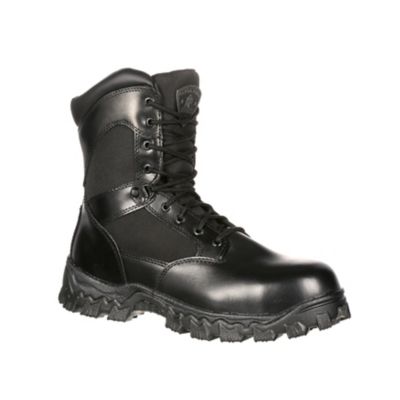
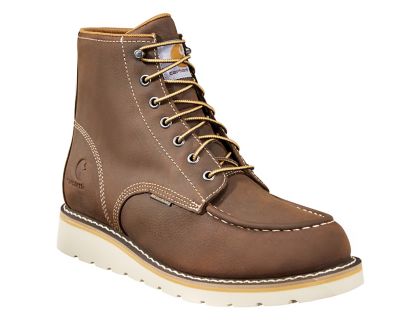
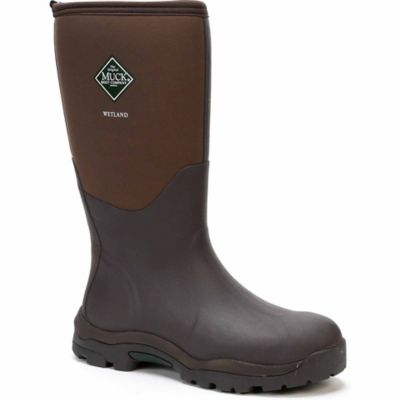
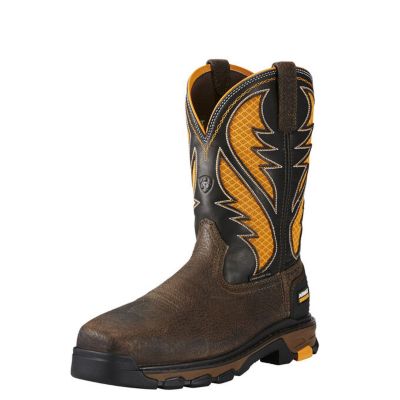
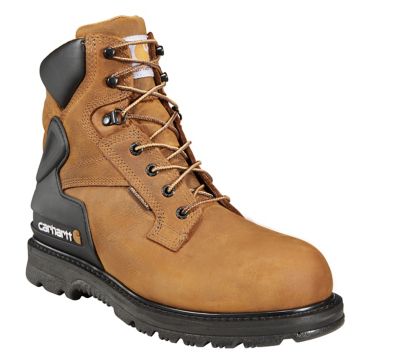
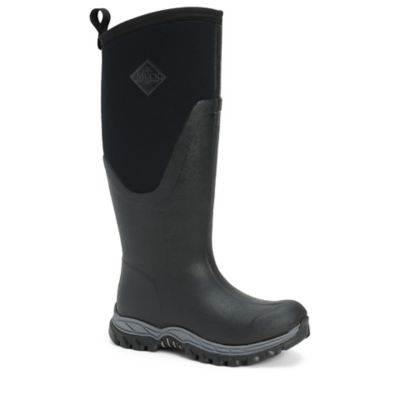
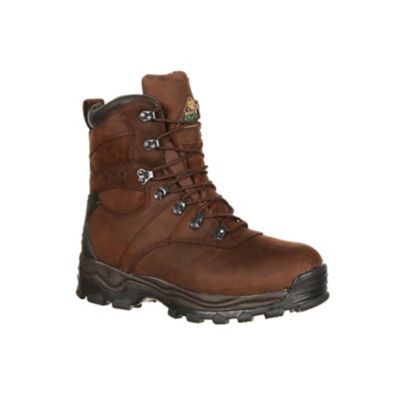
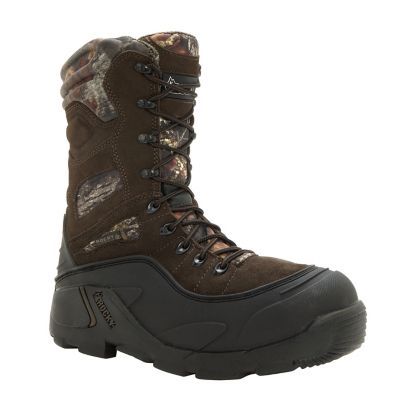
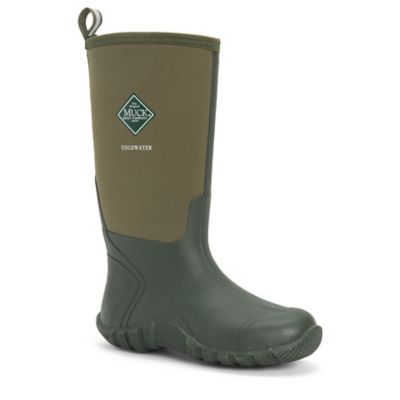
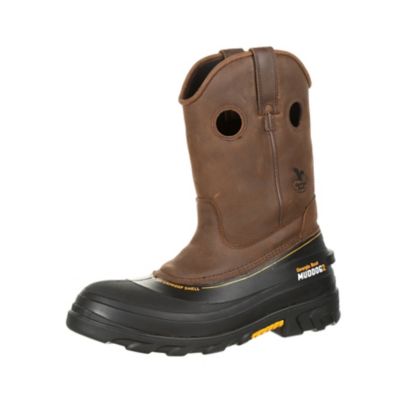
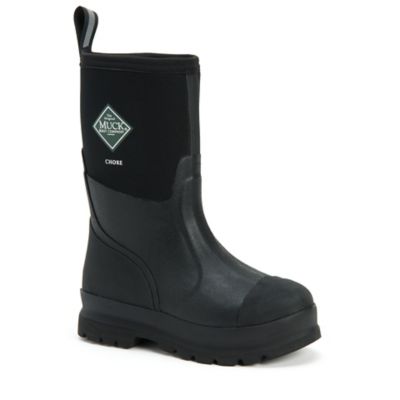
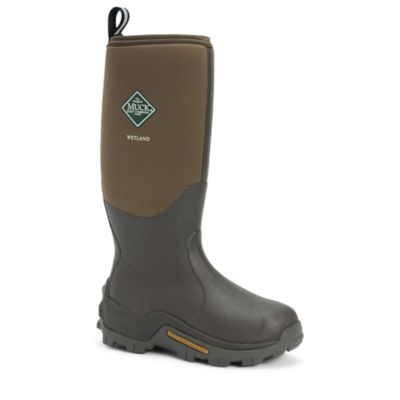
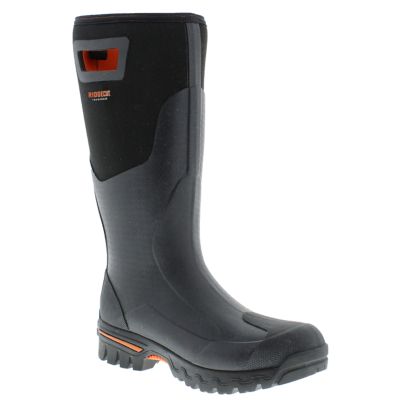
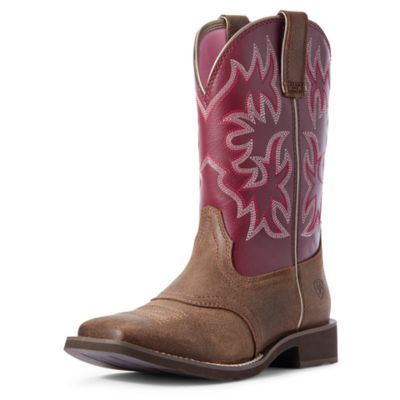
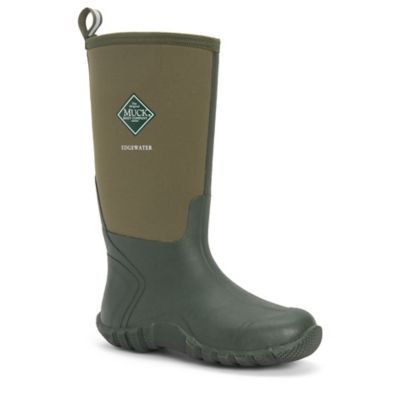
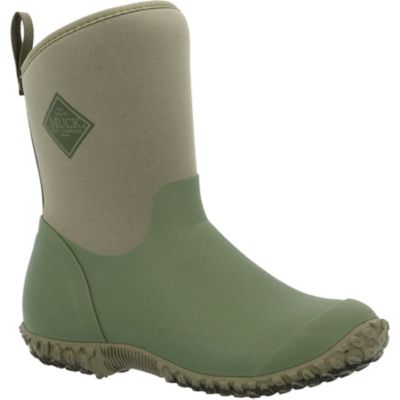
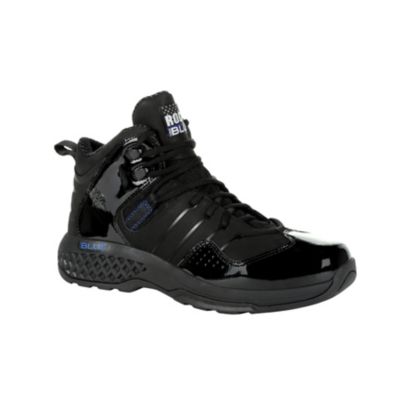
Winter slip resistant boots help keep cold-weather footing steadier when the ground turns wet, icy, snowy or slick with packed mud. They are a practical choice for anyone who spends time outside, from folks feeding livestock before sunrise to workers crossing wet parking lots, walking trails, clearing snow or handling chores around the farm. They can also be handy for everyday errands, school drop-offs, dog walks and commutes when sidewalks are covered with slush. A good pair starts with the outsole. Look for high-traction rubber made to stay flexible in cold temperatures, along with deep, multi-directional tread that grips uneven ground and helps channel away water, loose snow and slush. Wide-spaced lugs can shed packed snow more easily than a shallow, smooth sole, while a well-shaped heel and stable platform may add confidence on changing terrain. No boot can guarantee a slip-free step, especially on polished ice, but the right tread and careful footing can make a real difference. For women shopping for a cold-weather work or walking option, our selection of
Ladies Slip Resistant Boots offers another place to compare styles made for dependable traction and outdoor comfort.
The best winter slip resistant boots match the conditions where they will be worn. For icy sidewalks, driveways and paved paths, look for soles designed with fine traction details or specialized grip features that can help bite into slick surfaces. Some styles use embedded studs or other ice-gripping elements for added control on hard-packed ice, though studded soles may be less suitable for indoor floors and can mark delicate surfaces. For deep snow, muddy lots and rough trails, a deeper lug pattern with a sturdy heel may be more useful than small ice studs alone. Waterproofing matters just as much as tread when melting snow and slush are part of the day. Waterproof membranes, sealed seams and water-resistant exterior materials help keep moisture from working through the boot, while a gusseted tongue can help stop snow from slipping in around the laces. Pay attention to boot height, too. A lower ankle style may be easier for short walks and quick trips, while a mid-calf or taller boot offers more coverage when stepping through drifts, wet grass or slushy ruts. Insulation is another important detail. Light insulation can suit active wearers who generate plenty of warmth, while heavier insulation may be better for slow-moving chores, long outdoor shifts or standing around in bitter conditions. Removable liners can make drying and cleaning easier, especially after a day near the barn or woodpile. Fit should leave enough room for warm socks without letting the heel lift excessively. Try boots with the socks you expect to wear, and check that toes can move freely while the foot stays secure through the instep.
Winter boots are often appreciated as a useful gift for a parent, partner, college student, new homeowner or anyone who works outdoors. They are especially fitting for people who would rather have dependable gear than another decorative present: a neighbor walking a dog in all kinds of weather, a family member tending animals, or a friend whose daily route includes icy steps and unplowed sidewalks. Consider the recipient’s routine before choosing a style. A slip-on boot can be convenient for quick chores, taking out the trash or stepping outside to check a water tank, while lace-up boots allow a more adjustable fit for longer walks and uneven ground. Pull-on handles, flexible collars and roomy openings make it easier to get ready when hands are full, whereas speed hooks or traditional laces can provide a closer fit around the ankle. Look for a comfortable footbed, supportive midsole and lining that will not bunch under thick socks. Reflective details can be helpful during dim mornings and early evenings, and a rugged toe area is worthwhile for work around tools, gates and equipment. After use, knock off packed snow and mud, loosen the laces and let boots dry in a warm, ventilated spot away from direct heat, which can damage adhesives and dry out some materials. Keeping the tread clear helps preserve its grip, and checking the outsole, seams and lining from time to time makes it easier to replace worn footwear before the next stretch of cold weather. Whether they are headed for country roads, town sidewalks, snowy trails or everyday winter chores, slip resistant boots should offer a steady combination of traction, weather protection, warmth and all-day comfort.