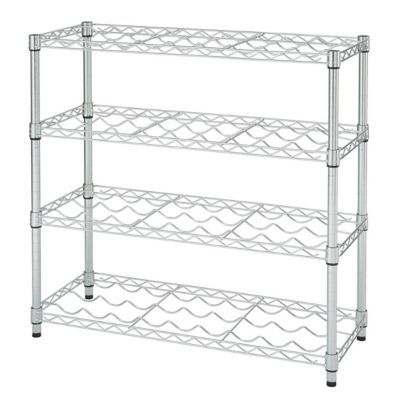
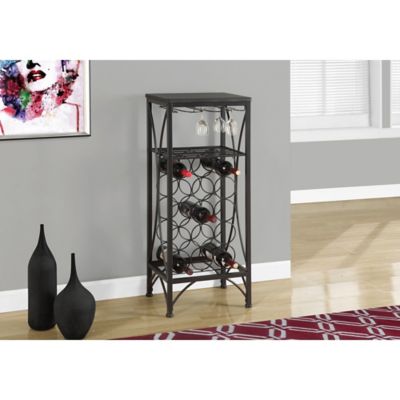
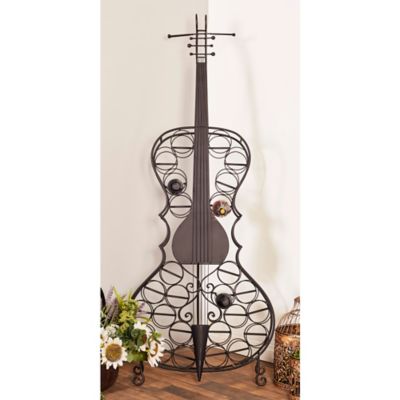
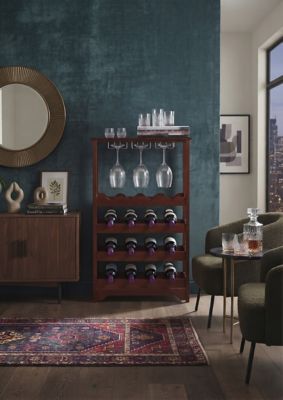
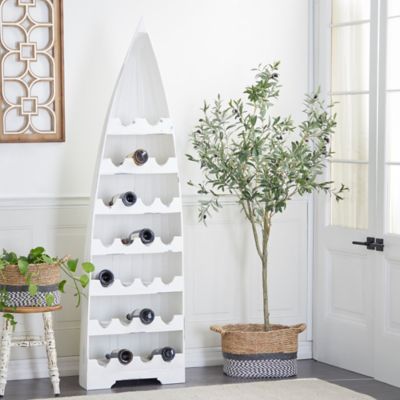
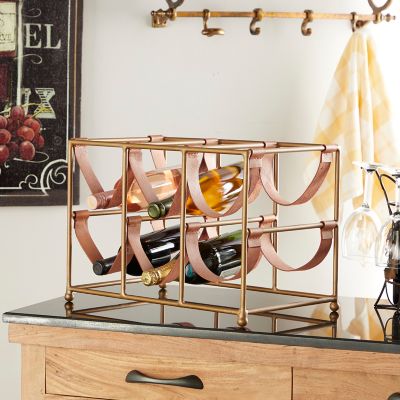
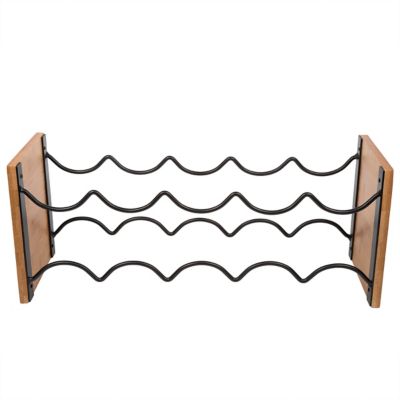
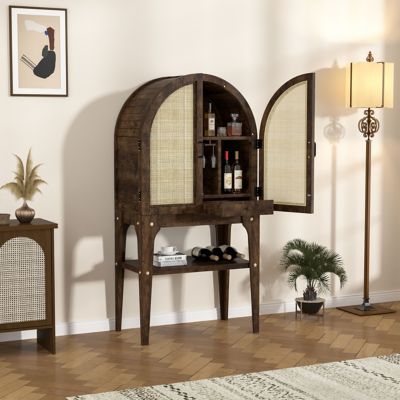
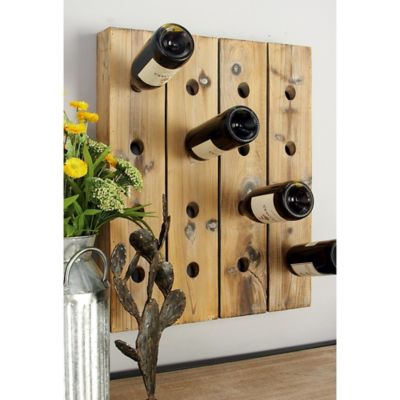
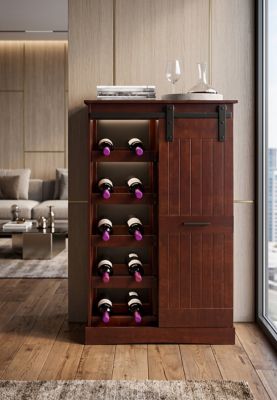
Wine racks give bottles a steady place to rest while keeping the kitchen counter, dining room cabinet, or home bar from turning into a crowded catchall. The right fit comes down to how many bottles you keep, the space you can spare, and the way you like to serve. Countertop wine racks work well for a small rotation of dinner wines, with compact designs often holding around four to twelve bottles. A tabletop rack can sit near the dining area so a bottle is easy to reach when company comes over, provided it stays clear of elbows and serving dishes. Wall-mounted wine racks free up counter and floor space, while freestanding racks suit larger collections or an open corner beside a sideboard. Cabinet-style storage can bring bottles, glasses, and serving accessories together in one piece of furniture. Modular and stackable wine racks offer room to expand, but additional sections need to be compatible with the original system and stay within its stacking limits. Before settling on a size, measure the full assembled width, depth, and height, then leave enough room to slide bottles out without bumping a wall, shelf, or cabinet door. Bottle capacity is only part of the picture. A rack rated for standard wine bottles may hold fewer broad-shouldered Burgundy bottles, sparkling wine bottles, or larger formats. Compare the opening dimensions and bottle supports with the bottles you actually bring home, including the widest part of the body and the length from base to neck. Some designs cradle each bottle separately; others hold bottles in shared compartments where removing one takes a little more care. Label-forward arrangements make a collection easier to scan, while neck-out designs can tuck neatly into narrower spaces. For a busy household, the best layout is one that makes it simple to see what belongs where and pull out a bottle without shifting several others. A little breathing room around the rack also makes wiping the surface underneath much less of a chore.
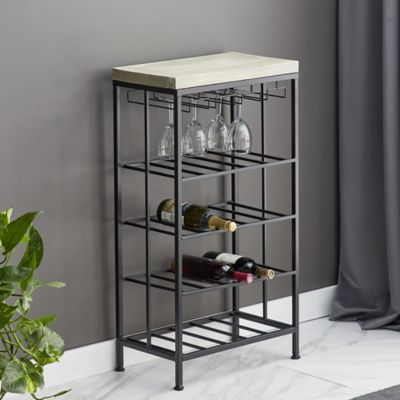
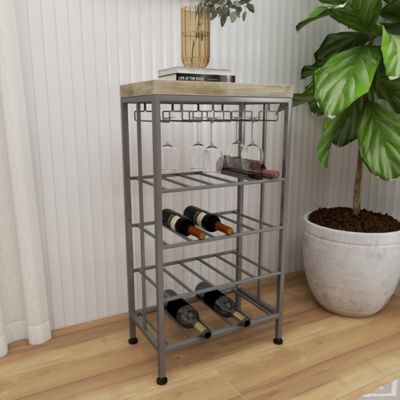
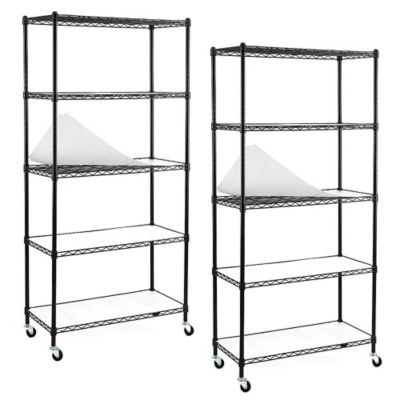
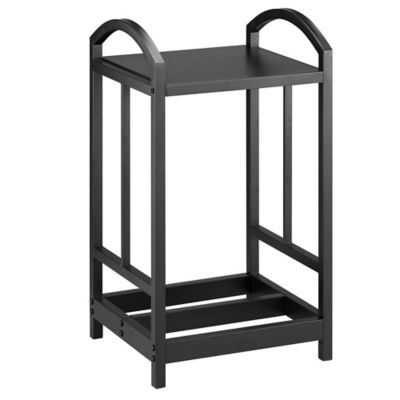
Materials affect both the look of a wine rack and how it needs to be cared for. Wood wine racks bring warmth to a farmhouse kitchen, dining room, or pantry, with finishes that can blend with a well-worn table or painted cabinetry. Look for smooth bottle-contact surfaces, sound joints, and a finish suited to the room where the rack will stand. Wipe spills promptly and follow the care directions rather than soaking wood or reaching for a harsh cleaner. Metal wine racks tend to have a slimmer profile, making them a practical fit where open sightlines matter. Steel frames can support substantial weight when properly designed and assembled, but tubing thickness, joint construction, load ratings, and anchoring requirements all deserve attention. A protective coating helps shield the surface, though chips and scratches should receive care according to the manufacturer's directions. Bamboo offers another wood-like look, while mixed-material racks can pair an open metal frame with a shelf for a corkscrew or serving tray. When comparing bottle storage with general-purpose
Steel Racks, pay attention to the support beneath each bottle: a flat shelf alone does not keep round bottles from rolling. Purpose-built cradles or compatible dividers help keep bottles separated and settled. Every filled rack carries more weight than its empty frame suggests. Wall-mounted models need fasteners suited to the wall construction and installation method, not just a convenient spot between cabinets. Tall freestanding units may require an anti-tip restraint, and stackable sections need all specified connectors in place. Set floor-standing racks on a level surface, keep them out of walkways, and avoid arrangements that invite children to climb. If a rack includes hanging glass storage, check stem and base clearance as well as the space needed to lift each glass free. Those small fit details matter once the rack becomes part of everyday life.
Good bottle storage is about more than keeping things tidy. Wine racks organize and support bottles, but they do not provide the controlled conditions of a wine refrigerator or dedicated cellar. Choose a quiet spot away from direct sunlight, ovens, dishwashers, and other sources of heat or vibration. The sunny windowsill may look inviting, but a shaded interior location is a better place for bottles that will sit awhile. For wine sealed with natural cork, horizontal storage helps keep wine in contact with the cork and reduces the chance of it drying out over time. Screw-cap bottles do not need that cork contact, although they still need secure support and sensible storage conditions. Follow the wine producer's recommendations for longer storage, and remember that an open bottle has different needs from an unopened one. A rack is not a substitute for resealing and refrigerating an opened bottle when appropriate. For everyday organization, grouping bottles by type, region, or the order you plan to open them can make dinner preparation easier. Keep bottles meant for the next gathering within easy reach, and place those set aside for later where they will not need constant handling. Supports that leave labels visible can help prevent unnecessary shuffling, especially when several similar bottles share a rack. A compact wine rack can suit an adult who enjoys an occasional glass with supper, while a larger freestanding arrangement may make more sense for someone who regularly hosts friends around a big kitchen table. For a housewarming, wedding, or retirement gift, consider the recipient's space and habits before choosing capacity or style. A small apartment calls for a different footprint than a dining room with an open wall. Easy access, straightforward cleaning, and enough support for the recipient's preferred bottles will matter long after the wrapping comes off. The rack should fit naturally into the home, keeping bottles settled and ready without getting in the way of daily living.