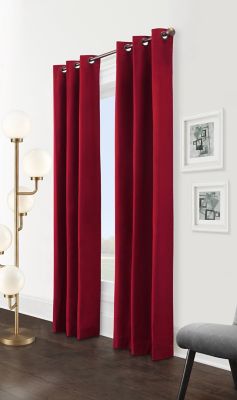
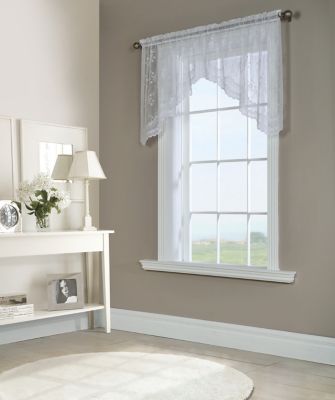
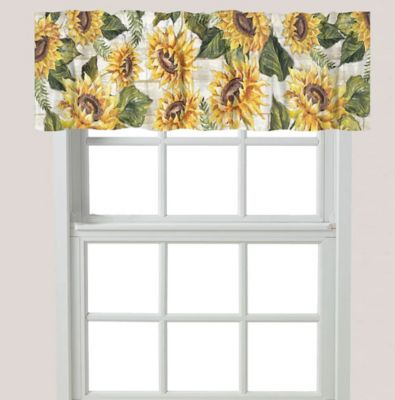
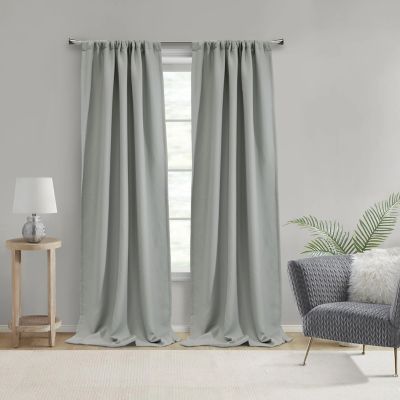
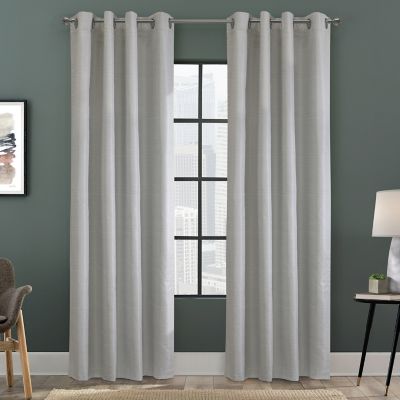
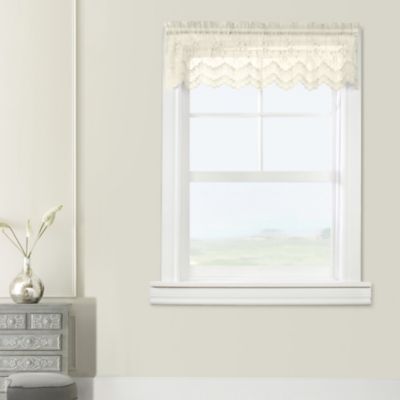
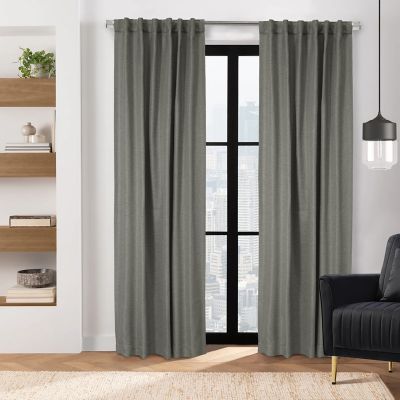
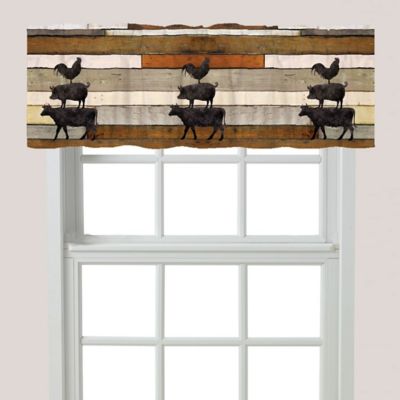
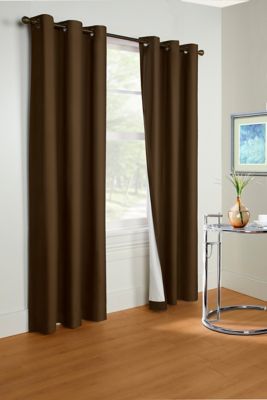
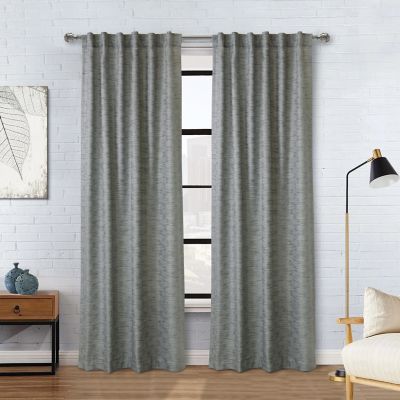
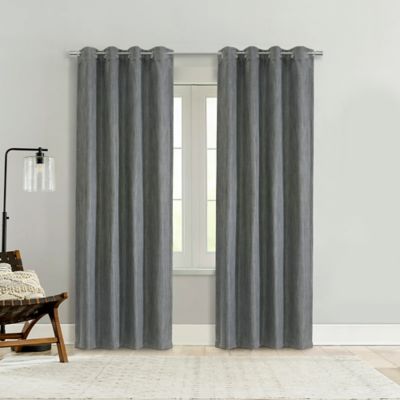
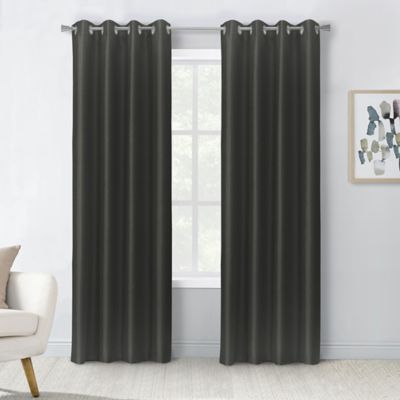
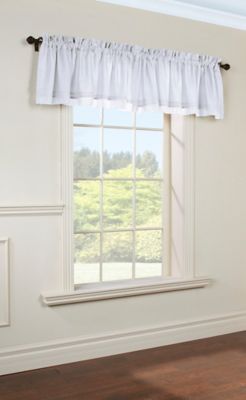
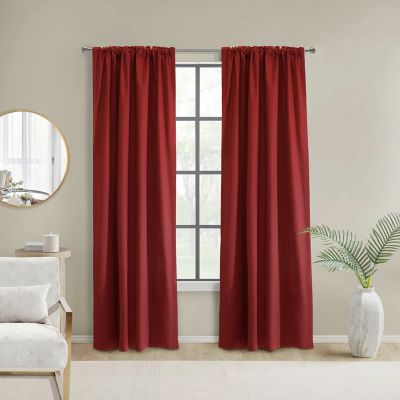
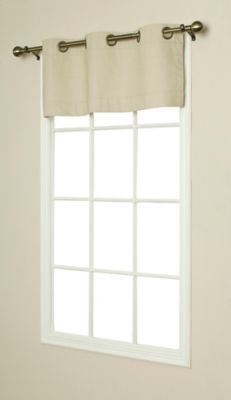
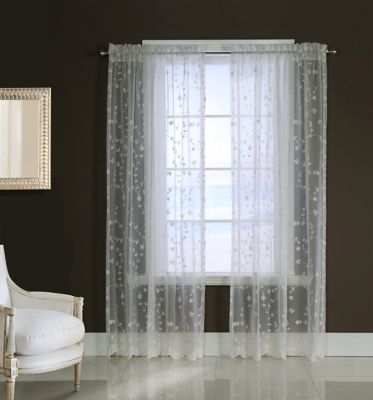
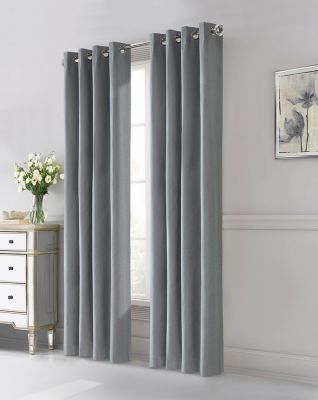
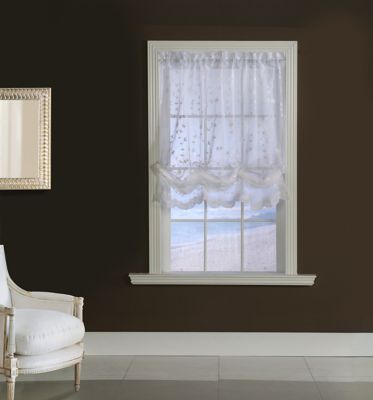
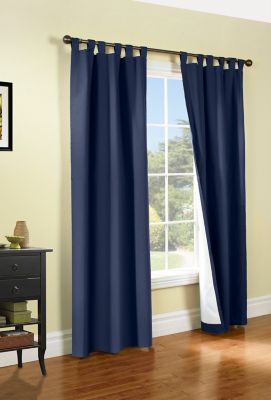
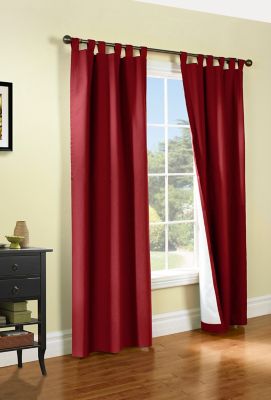
Window treatments do a lot of quiet work around a home, from softening the light over the kitchen table to giving a bedroom the privacy it needs. Curtains, drapes, shades, blinds, and valances each bring a different balance of coverage, texture, and everyday convenience. A sheer panel lets daylight filter through without completely closing off the view across the yard, while a lined curtain offers more coverage and a fuller look. Sheer fabrics alone generally provide limited privacy after dark when indoor lights are on, so a layered arrangement can make sense for rooms facing a road or a neighbor’s house. Light-filtering shades help take the edge off bright sunlight, while room-darkening and blackout fabrics suit bedrooms, nurseries, and spaces where someone sleeps after an overnight shift. Those labels describe different levels of light control, and even blackout fabric can leave light around the edges depending on the fit and mounting arrangement. Material makes a difference in both appearance and upkeep. Cotton brings a familiar, relaxed feel, linen has a noticeable weave and easy drape, and polyester fabrics often resist wrinkles and keep their shape with straightforward care. Fabric blends can balance softness with easier maintenance, though the care label tells the full story. Heavier panels create substantial folds, while lighter fabrics move more freely and look less weighty on a small window. Woven textures, simple stripes, checks, and solid colors all have a place, whether the room has painted cabinets, wood paneling, or a well-worn table that has hosted plenty of family suppers. Color can tie the window into a rug or chair fabric without matching every surface. A short valance adds a finished touch across the top while leaving most of the glass uncovered. Full-length panels draw more attention to the entire window area. The best match depends on what the room needs to do, not just how the fabric looks in a close-up photo.
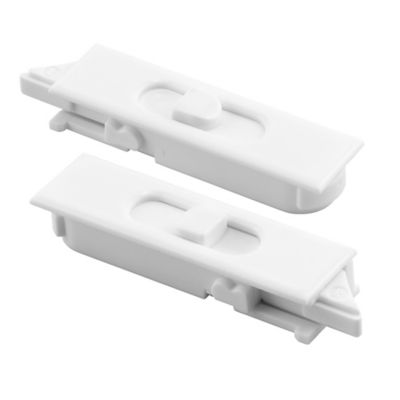
Fit shapes the finished appearance of window treatments just as much as fabric or color. A panel that barely spans the glass can look stretched when closed, while a fuller arrangement creates folds and provides more overlap at the center. Listed panel width, the number of panels in a package, and the space the fabric needs when drawn aside all matter when comparing sizes. Length deserves the same attention. Sill-length curtains keep fabric clear of a counter or bench, while longer panels can bring a settled, finished feel to a living room or bedroom. Fabric that trails across the floor takes more tending in a house with pets, frequent foot traffic, or boots coming through the door. Shades and blinds have their own fit considerations: an inside mount sits within the frame for a tidy outline, while an outside mount extends beyond the opening and can provide additional coverage around the edges. Frame depth, projecting handles, trim, and nearby cabinets can affect how freely a treatment operates. Window Fittings such as rods, brackets, and mounting supports also influence the result, and coordinating
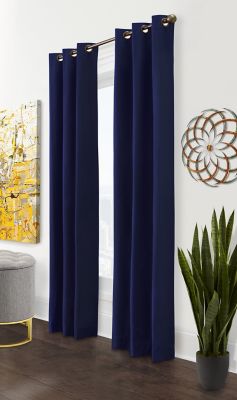
window fittings deserve attention alongside the fabric. A rod needs to suit the span, the mounting surface, and the weight of the treatment rather than appearance alone. Center supports may be necessary across wider openings, depending on the hardware’s specifications. Grommet tops, rod pockets, tabs, and rings each create a different fold and opening motion. Panels that open every morning benefit from an arrangement that slides without a struggle, while a treatment that stays in place may put more emphasis on its shape. There also needs to be room for the window to open, tilt, or latch without catching the fabric. In a breakfast nook with a deep sill or a bedroom with furniture close to the wall, those small clearances make a noticeable difference in everyday use.
Everyday care matters, especially in rooms where cooking splatters, dust, moisture, or pet hair are part of the routine. Washable curtains can be a practical match for a busy household, but washing instructions vary by fabric, lining, trim, and construction. Some panels allow machine washing on a specified cycle, while others call for spot cleaning or professional care. Following the label helps limit shrinking, puckered seams, and changes in the way a panel hangs. A gentle vacuum attachment can lift loose dust from many fabrics between deeper cleanings, provided the material and care instructions allow it. Blinds and shades also collect dust along their surfaces and moving parts, so a manageable cleaning routine is worth considering before settling on a style. In a kitchen, fabric close to the sink may need more frequent attention, and any treatment near a cooking area needs safe clearance from heat and flame. Bathrooms call for materials suited to moisture and enough ventilation to help fabrics dry. Strong, prolonged sunlight can fade some materials, making the fabric’s stated care and light-exposure recommendations relevant for bright windows. Reinforced hems, sound seams, and hardware matched to the treatment’s weight all contribute to how well the arrangement holds up through repeated opening and closing. Safety belongs in the decision, too. Cordless window coverings are the safer choice for homes where young children live or visit, and long drapery panels need thoughtful placement around play areas and climbing furniture. For a guest room, easy operation and a straightforward way to adjust privacy help visitors feel at home without fussing with unfamiliar cords or layers. In a living room, separate sheer and lined layers offer flexibility for reading, watching television, or gathering with family. Window treatments earn their place when the fabric, fit, hardware, and care needs work together, leaving a room comfortable, practical, and ready for the way the household actually lives.