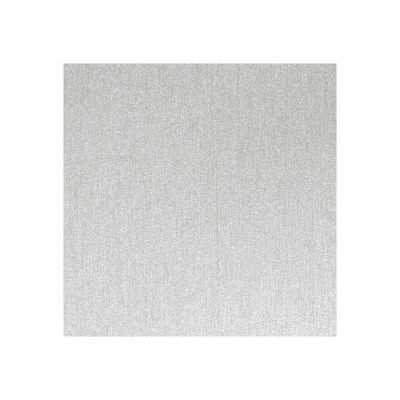
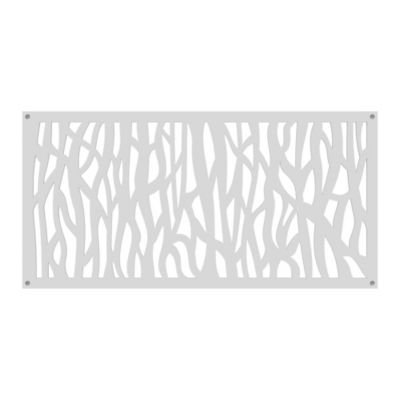
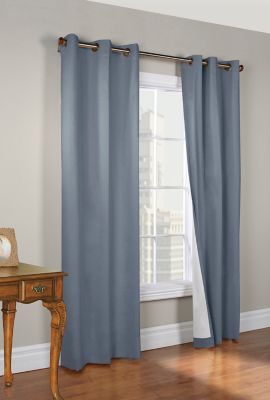
Window treatments for privacy help make a home feel more comfortable, settled and your own, whether the windows face a busy road, a neighboring house, a barnyard or a well-lit walkway. The right choice depends on how much privacy you need, how much daylight you want to keep and whether the concern is mostly during the day, at night or both. Frosted, textured and decorative privacy window films are a handy choice for bathrooms, entry doors, laundry rooms and street-facing windows because they soften the view without making the room feel closed in. Many films use static cling instead of permanent adhesive, making them easier to apply, remove or reposition when your plans change. They can let a good amount of natural light through while obscuring clear views from outside. Keep in mind that privacy film usually works best in daylight, when the brighter outdoors makes it difficult to see inside. After dark, indoor lights can change the balance, and shadows or silhouettes may still be visible depending on the film and the distance from the window. Test a small area in the evening before covering a whole pane, especially in a bathroom, bedroom or room that faces a porch or driveway.
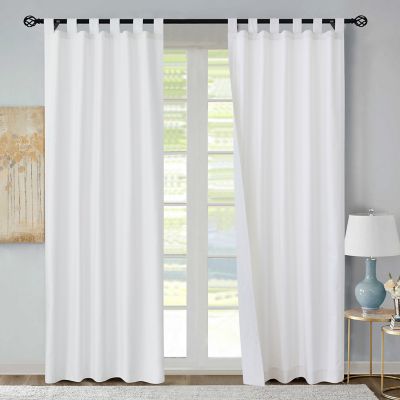
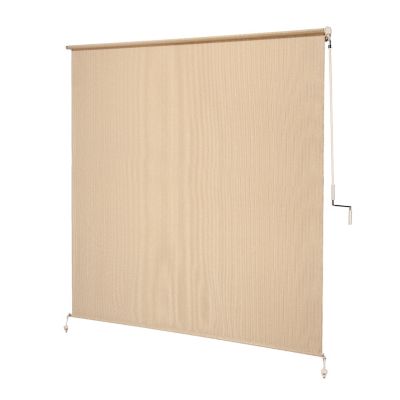
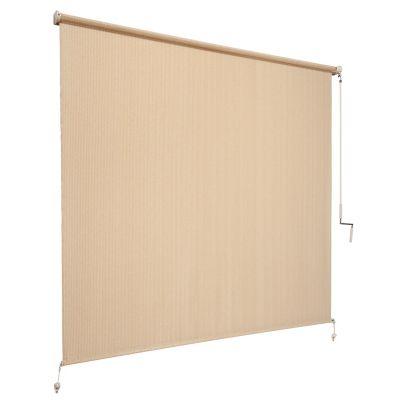
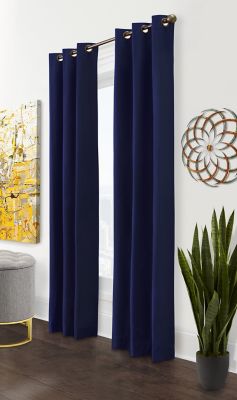
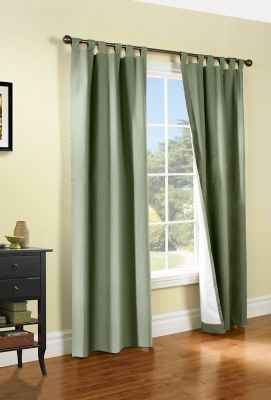
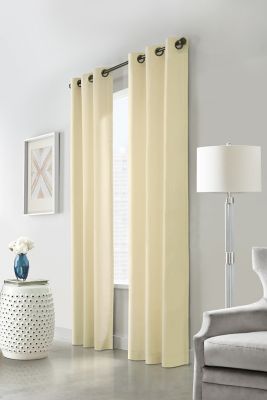
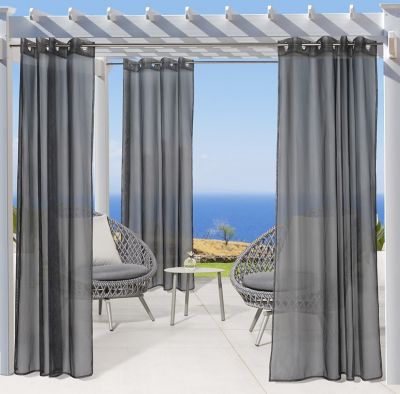
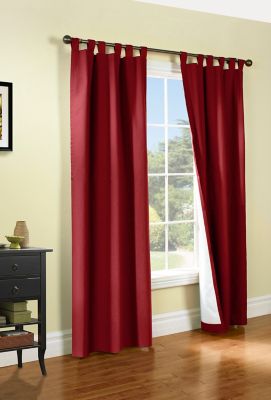
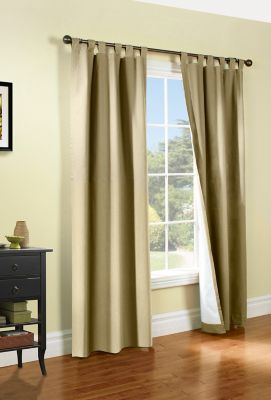
For stronger privacy at any hour, consider curtains, roller shades or other solid window coverings that can close fully across the glass. Blackout materials are especially useful in bedrooms, nurseries, guest rooms and media spaces because they help block both outside views and much of the light coming through the window. They can also make a room feel a little more tucked away during the cooler months, when early sunsets and porch lights may shine through the glass. Privacy curtains do not have to make a room dark all day; a layered setup can pair a lighter sheer panel with a room-darkening or blackout layer, giving you the choice to enjoy daylight or close things off when needed. Roller shades offer a neat, simple look and are often a good fit for kitchens, offices and smaller windows where full-length curtains may get in the way. Cellular shades add another useful feature by trapping air in their honeycomb design, which may help support a more comfortable indoor temperature as the weather warms or cools. Top-down, bottom-up styles are particularly useful for windows that need privacy along the lower portion while still bringing daylight in through the upper glass. That arrangement works well in front rooms, bathrooms and homes near sidewalks, where you can cover eye level without giving up the bright patch of sky above. When choosing any covering, look at the fabric or material, the amount of light it filters, how easily it opens and closes, and whether its color works with your walls, trim and furniture. A warm neutral can blend into a farmhouse-style room, while a subtle pattern may add interest without competing with the view.
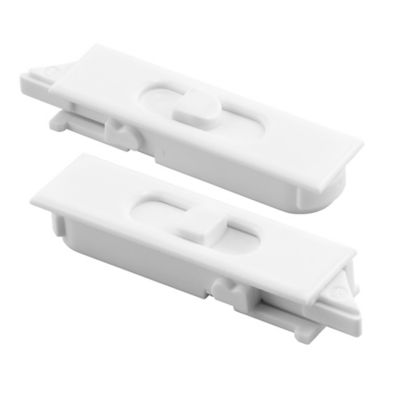
A careful measurement makes a bigger difference than most people expect. Measure the window in several places, since older homes, outbuildings and even newer construction can have slight variations from one side to the other. For an inside mount, check the width, height and available depth inside the frame. For an outside mount, measure beyond the frame so the covering can overlap the edges and reduce light gaps. Think about handles, trim, locks, nearby cabinets and furniture before deciding where a shade or curtain will sit. In homes with pets, children or active work areas, cordless designs can help keep loose cords out of the way and create a cleaner appearance. Durable, easy-to-wipe materials make sense above a kitchen sink, near a mudroom or anywhere dusty boots, wet paws and everyday chores are part of the routine. Curtains may be a thoughtful housewarming gift for someone settling into a new place, fixing up a farmhouse or preparing a guest room, while simple privacy film can be useful for a college apartment, rental home or first workshop office. Pairing a window covering with the right rods, mounting hardware, tiebacks and other
Window Accessories can make installation smoother and help the finished setup look intentional. Before purchasing, decide whether the main goal is daytime privacy, nighttime privacy, glare control, light blocking, temperature comfort or a mix of all four. A small bathroom window may only need frosted coverage, while a bedroom facing a bright yard light may call for a full blackout layer. In a living room or dining area, adjustable shades can offer privacy when needed while keeping the room open and welcoming for everyday meals, visiting or relaxing after a long day outside.