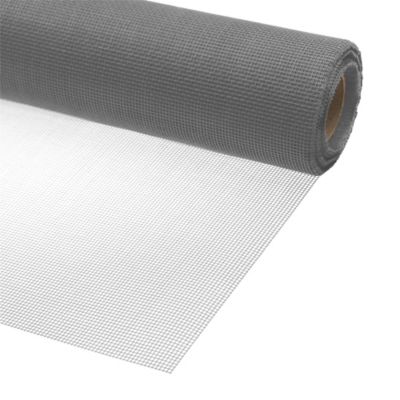
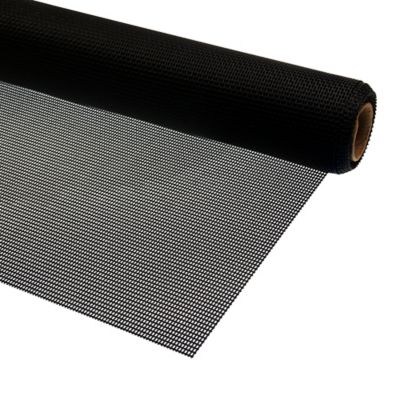
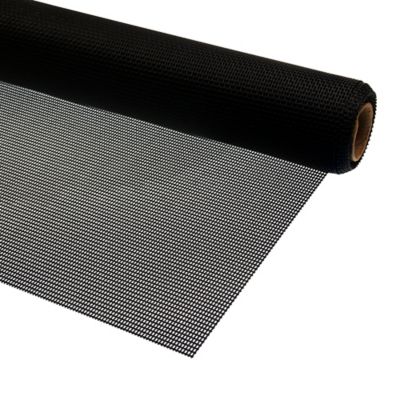
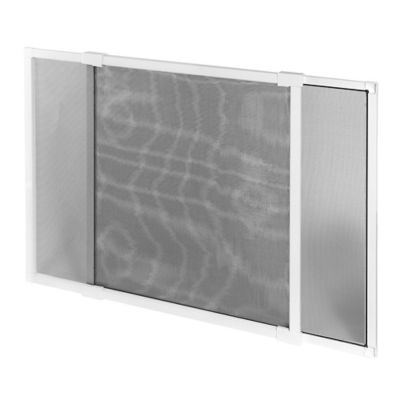
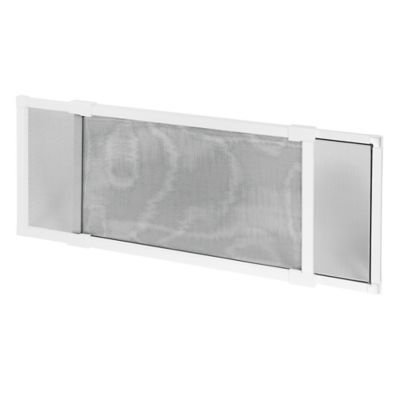
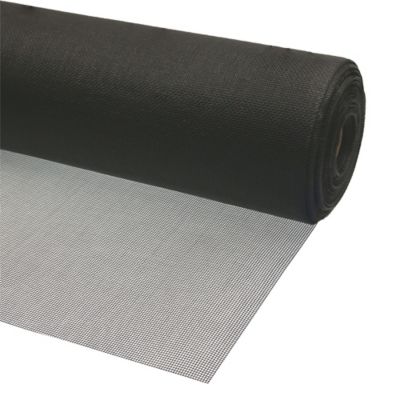
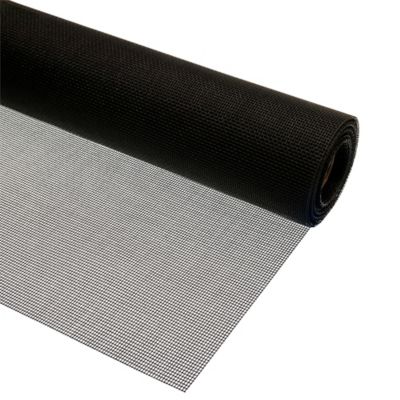
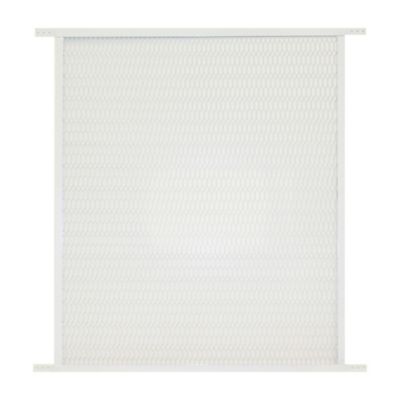
Window screen replacement helps keep open windows useful, letting air move through a room while keeping insects and windblown debris outside. A torn patch above the kitchen sink, loose mesh in a bedroom window, or a bent frame in the workshop can call for different replacement materials. The main distinction is whether the existing frame is still sound. Replacement screen mesh can refresh a straight, intact frame, while a frame with twisted rails, broken corners, or missing attachment points may need more than new fabric. Complete replacement screens combine a frame and mesh, while screen rolls and framing components suit repairs where only part of the assembly needs attention. Material choice makes a difference in how the screen handles, looks, and stands up to everyday contact. Fiberglass mesh is flexible, resists rust, and generally provides a clear view with good airflow. It can be a practical fit for ordinary household windows, though sharp objects and pet claws can tear it. Aluminum mesh has a firmer feel and holds its shape well once properly tensioned, but a hard bump can leave a dent or crease. Pet-resistant mesh often has heavier, coated synthetic strands that better resist scratching and tearing than standard fiberglass. That added strength can also make the material thicker and more noticeable across the opening. Fine insect mesh has smaller openings for tiny pests, with a trade-off in airflow and visibility. Solar-control screening can help reduce glare, though the amount of light passing through depends on the fabric and its openness. Color matters, too: darker mesh often draws less attention when looking outside, while lighter finishes can appear more noticeable against the view. The right match comes down to the room, the window, and the kind of wear the screen is likely to face, rather than choosing the heaviest mesh for every opening.
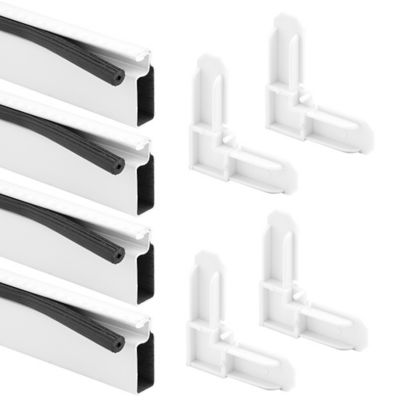
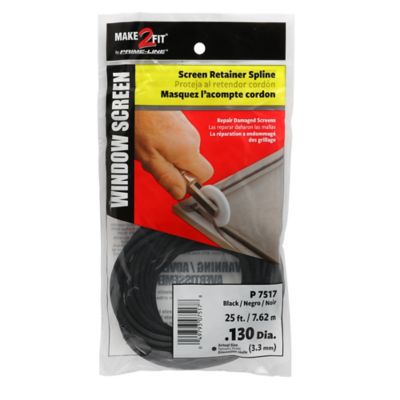
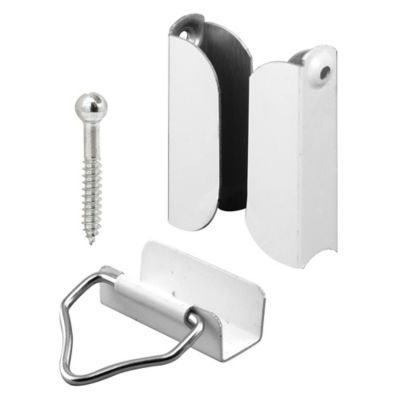
Fit is just as important as the screening material, because even strong mesh cannot close a gap left by the wrong frame size. Window screen replacement dimensions usually involve width, height, and frame thickness, along with the location of tabs, clips, springs, or other retaining hardware. The visible window opening does not always match the finished screen dimensions, so measurements from an intact screen can be more useful than a rough estimate of the opening alone. Similar-looking windows in the same house may have different screen arrangements, especially where an addition or earlier repair introduced another window style. A double-hung window, a sliding window, and a crank-operated casement can each rely on different clearances and attachment points. Frame profile matters as much as overall size: a rail that is too thick may not seat in its track, while one that is too thin may sit loosely. Corners should match the frame channel, and replacement hardware needs to suit the window rather than simply resemble the old part. Spline, the flexible cord that holds mesh in the frame groove, also needs the right fit. Its diameter works together with the groove and the thickness of the screening, so heavier fabric may require a different combination than standard mesh. Too much pressure can distort a light frame, while a loose fit can let the fabric pull free. For repairs that call for several matching components,
Window Screen Kits can help bring the project together, with contents and dimensions worth comparing against the existing assembly. Some sets center on mesh and fastening supplies, while others include framing parts, so the package description matters. For several windows, roll width and total length affect how many openings the material can cover, including the extra margin needed around each frame. A little attention to those details helps avoid a finished screen that looks close but will not settle properly into place.
Everyday use gives window screening plenty to contend with, from a cat stretching toward the sill to a broom handle bumping a low workshop window. A screen beside a utility sink may collect splashes and lint, while one facing a gravel drive can gather a fine layer of dust that gradually dulls the view. Those surroundings help explain why strength, cleanability, and easy removal deserve a place alongside material and size. Standard mesh can serve well in an upstairs bedroom with little direct contact; a lower window within reach of paws may benefit from a heavier fabric. Pet-resistant screening can better handle incidental scratching, but it is not a substitute for a pet barrier. Ordinary window screens are insect barriers, not fall protection, and should never be counted on to hold back a child or an animal. Care also affects how long a replacement screen stays in good shape. Gentle cleaning with a soft brush, mild soap, and a light rinse generally puts less strain on mesh and frame joints than forceful spraying or abrasive scrubbing, subject to the material maker’s care directions. Dust packed into the weave can restrict airflow, and dirt along the edges can make small tears or loose sections harder to spot. Bent rails, separated corners, and mesh pulling away from the spline are signs that the whole assembly deserves a closer look. Removable screens are less likely to suffer accidental damage when handled by the frame rather than the fabric and stored flat or supported without heavy objects leaning against them. For homeowners, rental property caretakers, and folks tending a farmhouse or detached work space, choosing compatible replacement parts makes future upkeep simpler. Matching frame profiles and keeping track of screen locations can save confusion when several similar sizes belong to different rooms. A well-fitted replacement screen should sit securely, leave window operation unobstructed, and provide the balance of visibility, airflow, and insect protection that suits the space.