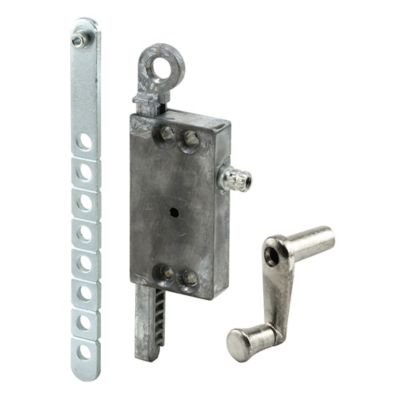
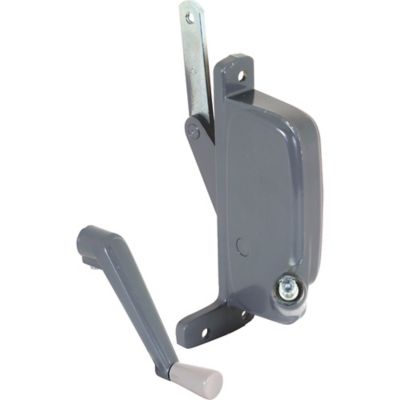
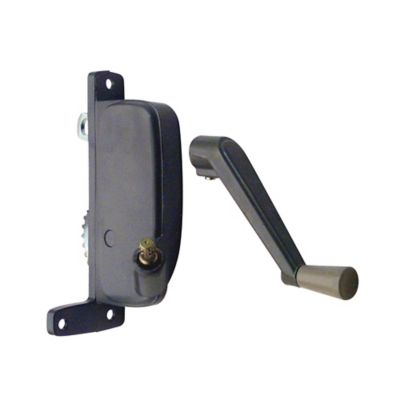
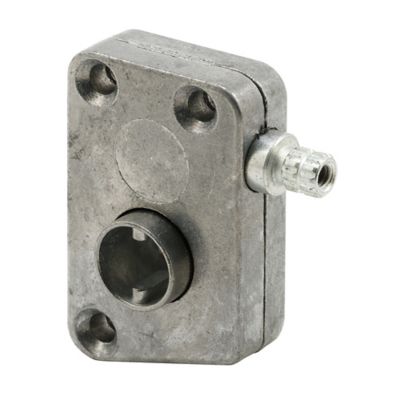
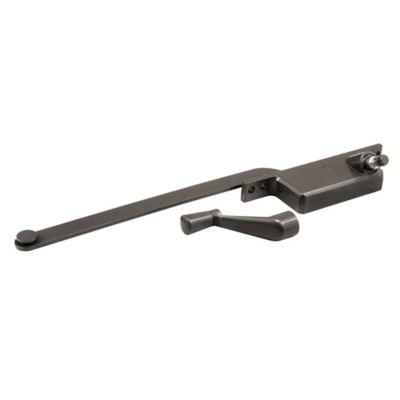
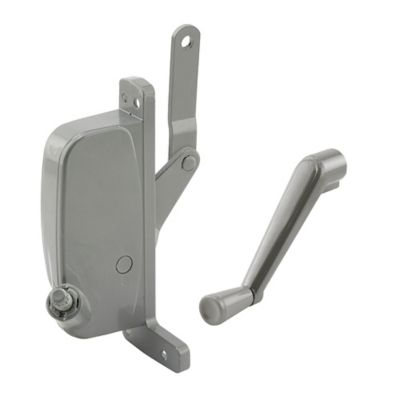
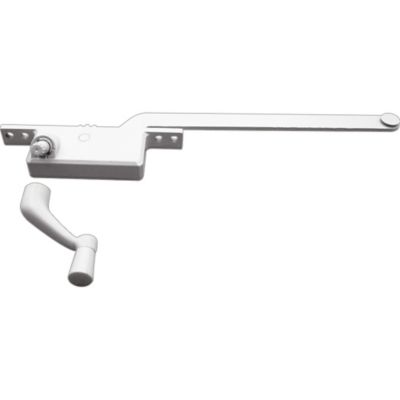
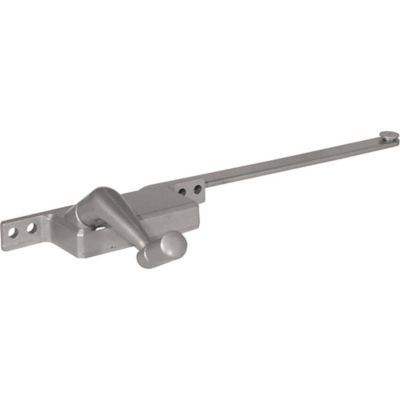
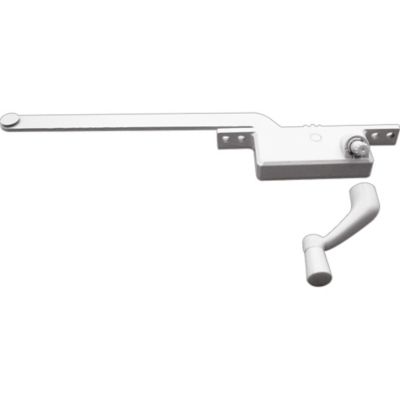
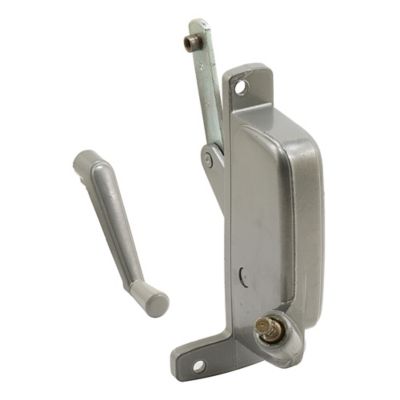
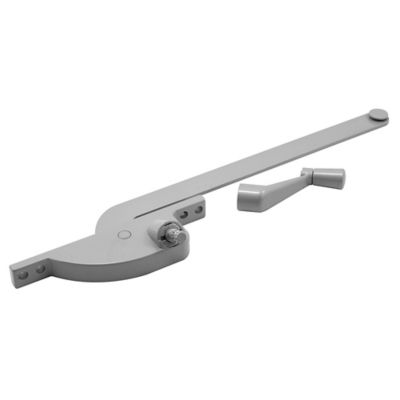
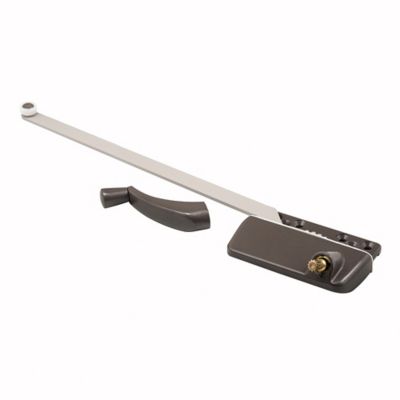
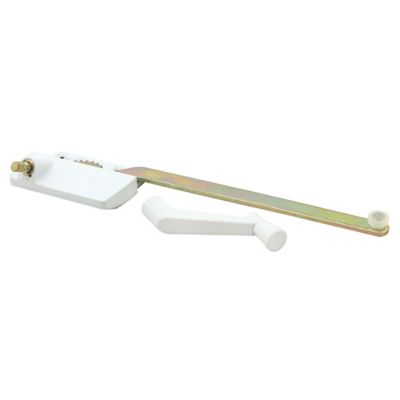
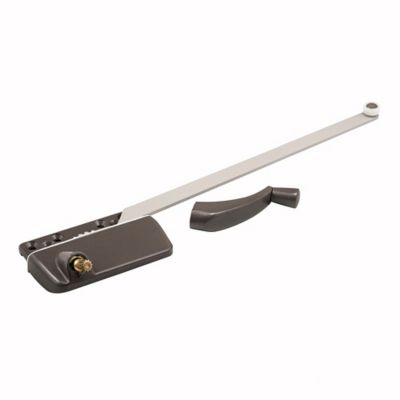
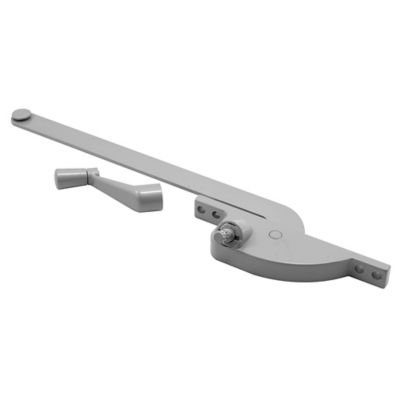
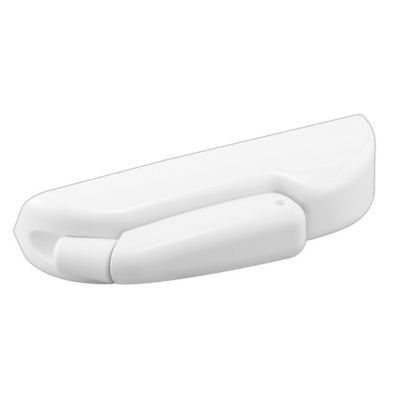
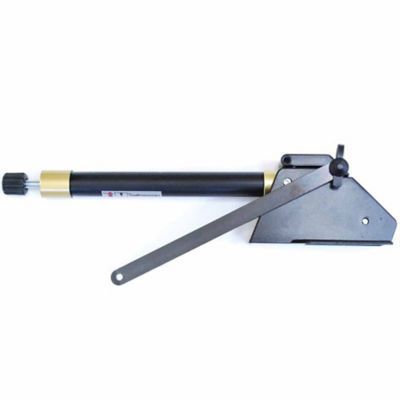
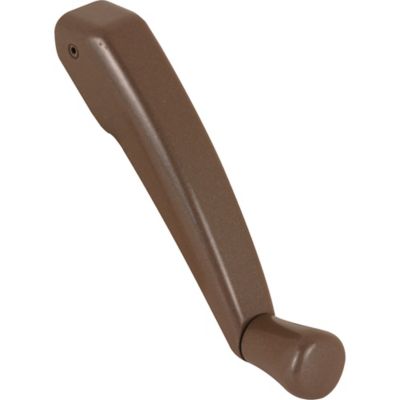
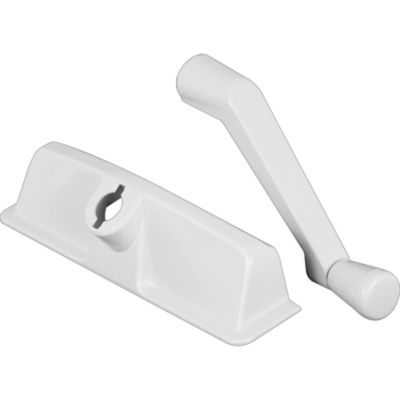
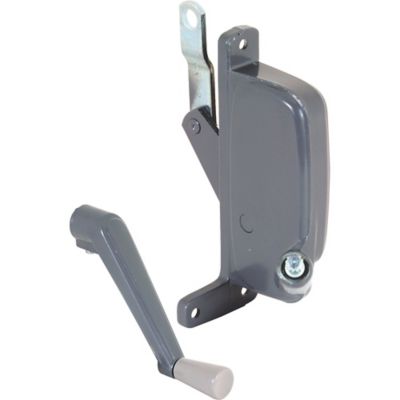
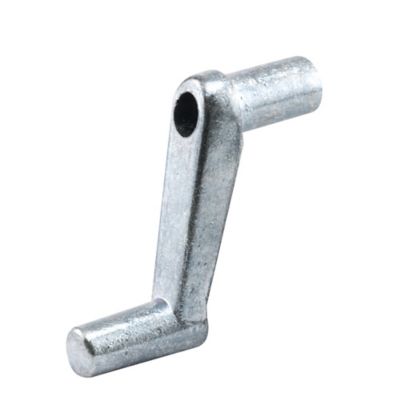
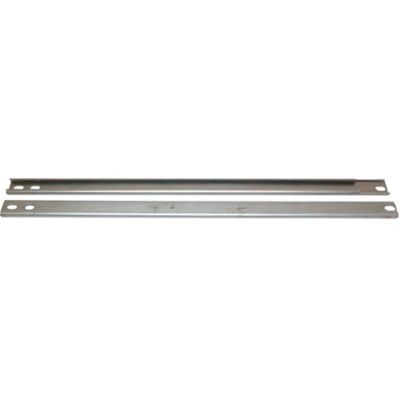
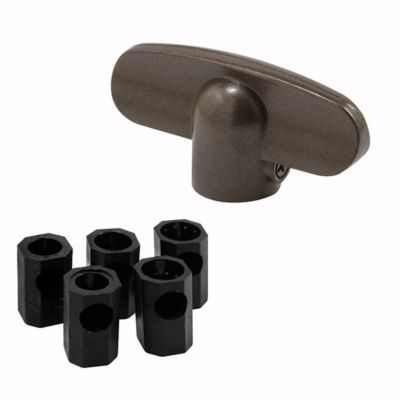
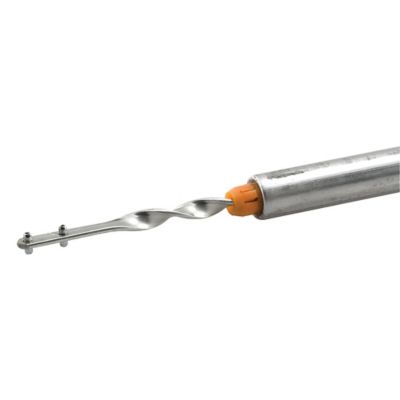
Window operators are the internal crank-and-gear mechanisms that open and close hinged windows, including casement and awning styles. When you turn the handle, the operator’s gears move one or more arms along a track, pushing the sash outward or drawing it snug against the frame. This simple motion helps bring fresh air into a kitchen, workshop, porch room, barn office, or older farmhouse while keeping the window easy to manage from inside. A worn operator can make a window hard to open, leave the sash sitting crooked, or cause the crank to spin without moving the arms. Replacing the operator is often a practical way to restore smooth operation without replacing the whole window. These parts are useful for homeowners, landlords, maintenance crews, carpenters, and anyone caring for a property where dependable ventilation matters. They can also come in handy for a farm shop or outbuilding with hinged windows that see plenty of dust, temperature changes, and regular use. During the cooler months, a properly working operator helps the sash close tightly before cold air rolls in, while a smooth crank makes it easier to air out a space as the weather warms. Before shopping, identify the window style and look closely at the existing mechanism. Casement windows are hinged on one side and generally open outward, while awning windows are hinged at the top. Operators may use a single arm, dual arms, or a split-arm or dyad design, and the correct style depends on the sash size, weight, hinge arrangement, and available clearance. A single-arm operator is commonly suited to a narrower or lighter sash. A dual-arm operator spreads the lifting and pushing force across two arms, making it a good fit for larger or heavier windows when the original design calls for that arrangement. Split-arm and dyad operators use linked or folding arms and may be made for windows with a particular geometry or limited room around the frame. Matching the original layout is usually more important than choosing a mechanism simply because it looks similar in a product photo.
Handing is another detail that deserves a careful look before ordering. To determine whether an operator is left-handed or right-handed, stand inside the room and face the window. Note which side the crank, gear housing, or sash lock is positioned on, then compare that arrangement with the replacement information. A left-hand and right-hand operator can appear nearly identical at a glance, but the difference may affect how the arms travel and whether the crank sits in the proper location. Measurements also help narrow down the right match. If the old unit is still installed, measure the arm from the center of the base gear box to the guide button or the point where the arm attaches to the window track. Check the overall housing shape, mounting-hole pattern, arm style, track length, and position of the crank handle. Look for a part number stamped into the underside of a metal arm or marked on the gear housing, since even a short series of letters or numbers can make matching easier. A clear photo of the old operator beside a ruler can be useful when comparing replacement parts, especially if the original has been removed or the markings are partly worn away. Keep the old hardware nearby until the new operator has been checked against the window. On a workbench, compare the pivot points and mounting holes before taking the window apart any further. If the operator is stuck, avoid forcing the crank hard enough to bend an arm or crack the sash. A little dirt in the track, a loose mounting screw, or dried lubricant may be part of the trouble, but stripped gears and bent arms generally call for replacement. When installing a new operator, support the sash, work on a stable surface when possible, and keep fingers clear of moving arms and pinch points. Clean debris from the track and inspect the guide button, screws, and surrounding frame. If the track is damaged or the wood around the mounting screws is soft, the new mechanism may not hold securely until those issues are addressed. For more ways to finish a repair or improve the way a window operates, browse
Window Accessories for related hardware and useful add-ons.
The right window operator should match the original window’s movement, handedness, arm reach, and mounting arrangement rather than being chosen on appearance alone. Take the time to compare the old part with the listed dimensions and photos, and pay attention to the direction the arm travels as the crank turns. A replacement that fits the screw holes but does not follow the sash’s original path can bind, pull unevenly, or place extra strain on the frame. It is also worth considering the environment around the window. A kitchen or washroom may need hardware that stands up to moisture and frequent cleaning, while a workshop, machine shed, or enclosed porch may expose the mechanism to grit, sawdust, or changing temperatures. Keeping the track reasonably clean and giving moving points the appropriate light lubrication can help an operator work more smoothly, but too much oil can collect dust and create a gummy mess. Check the crank and sash movement from time to time, especially before the colder season settles in, and tighten loose fasteners before a small problem turns into a damaged arm or broken gear. Window operators are not usually a decorative gift, but they make a thoughtful practical purchase for someone restoring an old house, maintaining rental property, fixing up a hunting cabin, or keeping a family farm’s buildings in good shape. A working window can make a room feel less stuffy after a long day of chores, let the smell of fresh-cut grass drift through a porch, or help clear out lingering heat from a sunny outbuilding. Whether the repair is part of a larger window project or a simple fix for one stubborn sash, careful identification and accurate measurements make it easier to find a dependable fit and get the window back to opening and closing the way it should.