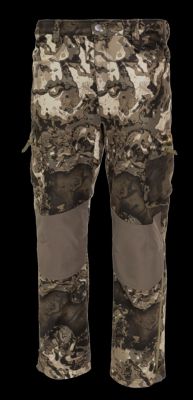
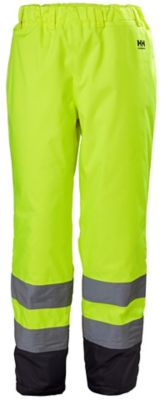
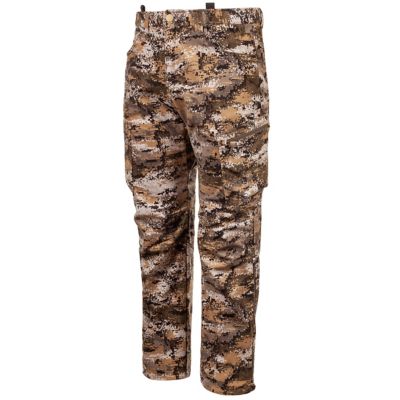
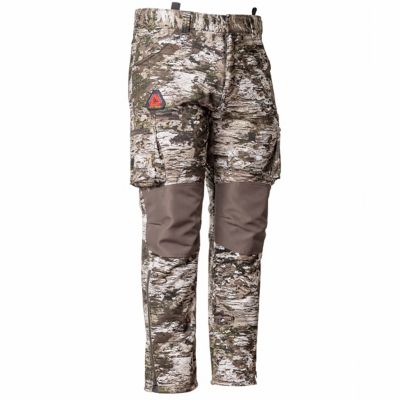
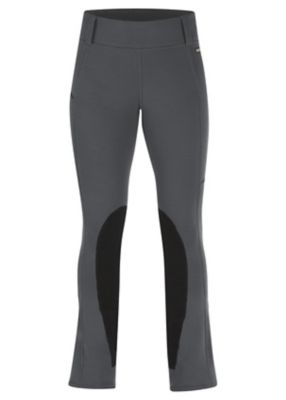
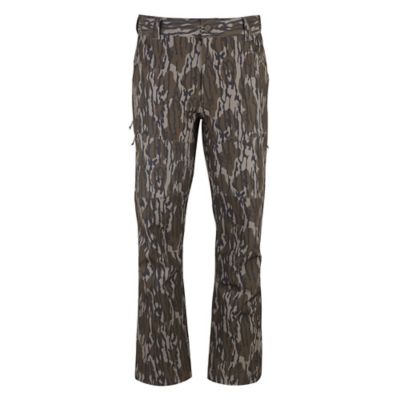
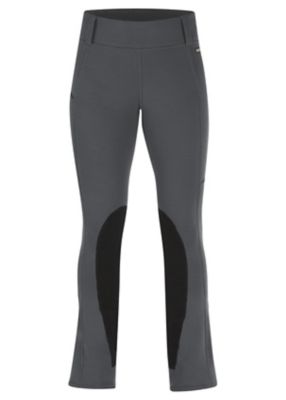
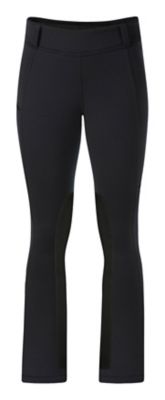
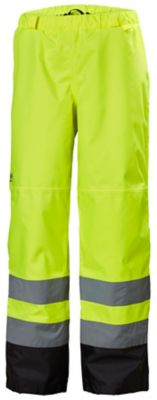
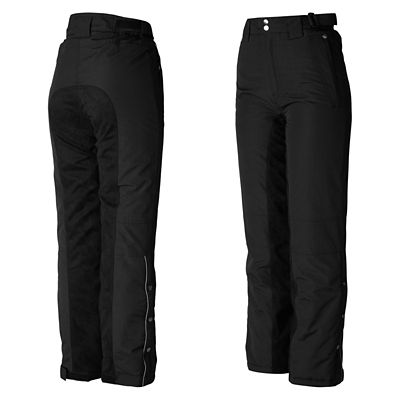
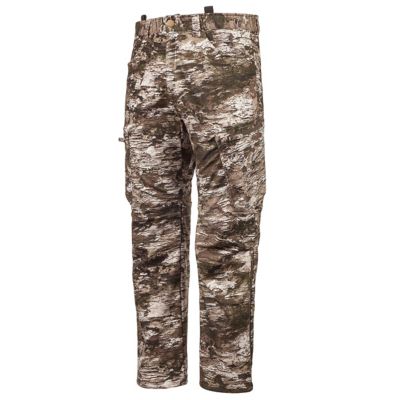
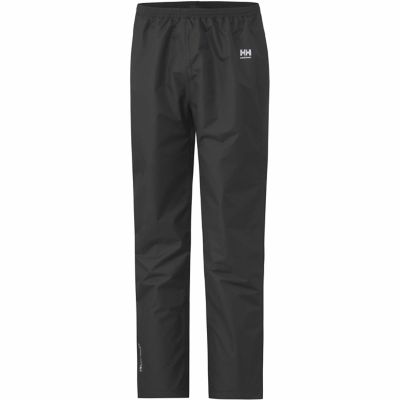
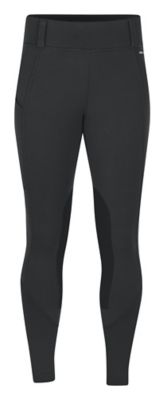
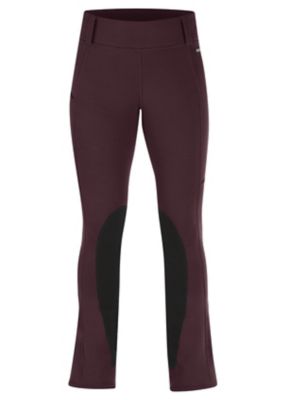
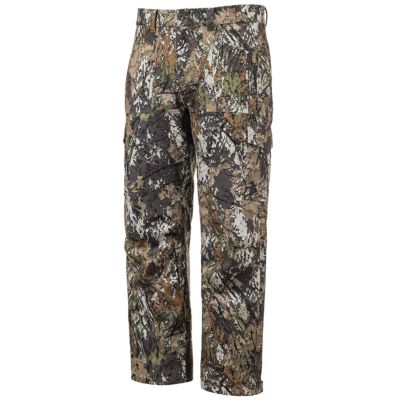
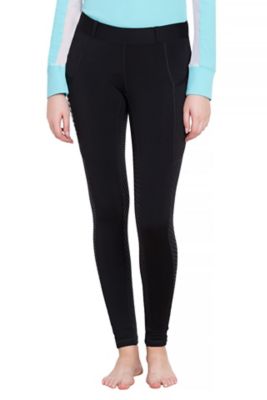
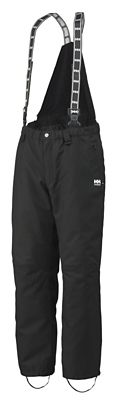
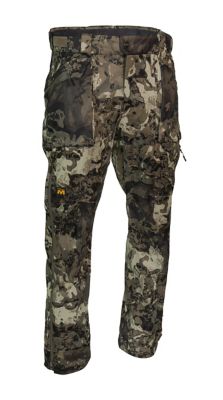
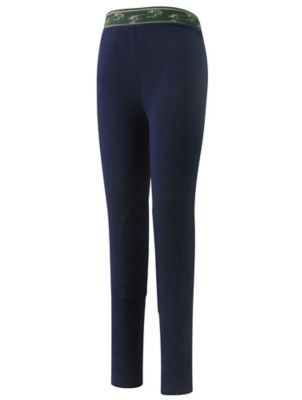
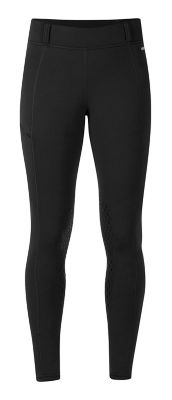
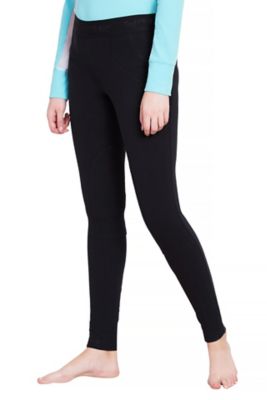
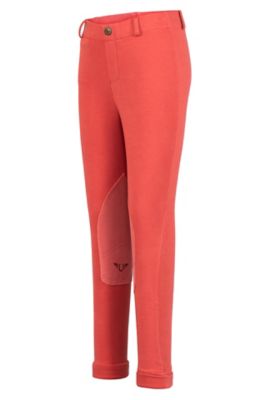
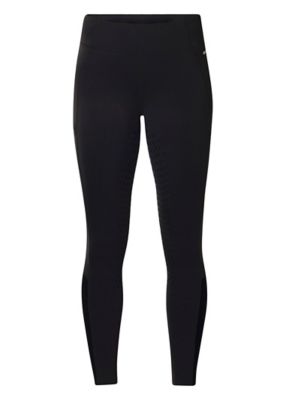
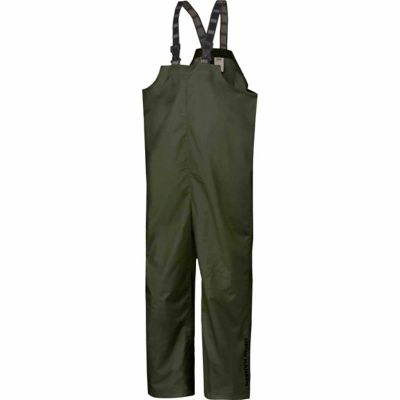
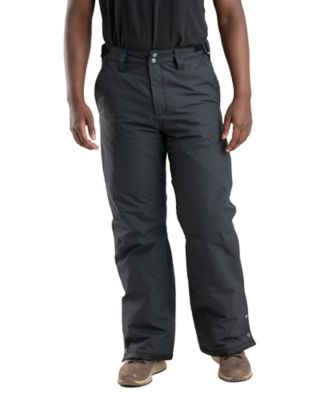
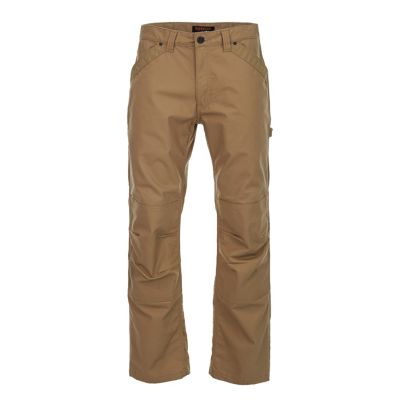
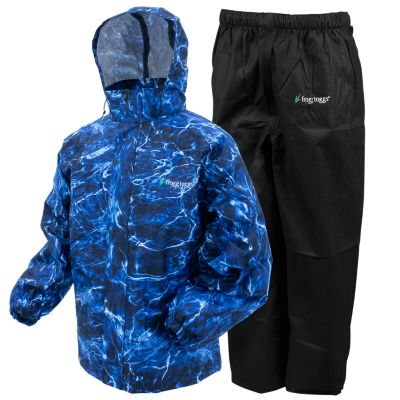
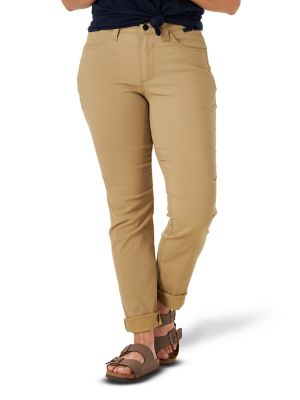
Wind resistant pants help slow the movement of air through fabric, cutting down on the chill that can creep in while crossing an open pasture, checking fence lines, or walking a trail above the tree cover. Their main job is to limit wind exposure; warmth, rain protection, and breathability depend on the materials and construction. Wind resistance is not the same as insulation, and it does not automatically mean a pair of pants is waterproof. Tightly woven nylon or polyester can provide a lightweight barrier against a breeze, while softshell fabrics often combine a close-woven outer face with stretch and a softer backing. Some constructions include a membrane that further limits airflow, though that can affect how readily heat and moisture escape. Stretch fibers can make a noticeable difference when stepping over a low fence or kneeling beside a feed trough, giving the fabric room to move without requiring an overly loose fit. Windproof pants are designed to block airflow more completely than wind resistant styles, but those terms do not establish the same level of protection across every garment. Fabric descriptions and stated performance features tell more than the name alone. For steady movement, such as walking a long fence line or hauling supplies between outbuildings, unlined pants can help balance wind protection with the need to release body heat. Fleece-lined or insulated constructions make more sense for lower-output stretches, such as watching a livestock show from outdoor seating or spending time on an exposed tractor seat. A soft lining adds comfort against the skin, but the amount of warmth still depends on its thickness, the outer fabric, and any layers underneath. The most practical choice matches the pace of the day: enough protection to take the edge off a stiff breeze without trapping more heat than the task calls for. A sheltered barn aisle and an open hilltop can feel very different, even during the same round of chores.
Fit matters just as much as fabric when wind resistant work pants have to keep up with a full day outside. A waistband should stay put while bending over a water bucket without digging in when seated in a truck or tractor. A little extra room through the seat and thighs can accommodate a thermal base layer, but excess fabric may bunch behind the knees or catch on equipment. Articulated knees and a gusseted crotch are construction details that can support a longer stride, a deep crouch, or the step up onto a running board. Stretch helps with those movements, though it does not replace the need for the right rise and inseam. Pants that feel fine standing still may pull across the thighs when climbing or leave a gap at the lower back when reaching down. Straight or relaxed legs can fit over work boots, while a narrower leg opening keeps excess material closer to the ankle. Adjustable cuffs and ankle zippers, when part of the design, can make it easier to manage the opening around footwear. Hems should clear the ground rather than drag through gravel, mud, or slush, and loose cuffs need to stay clear of moving machinery. Pocket placement also earns its keep during chores. A secure closure helps keep keys from slipping out while crouching, and pockets positioned away from the front of the thigh can feel less cramped when seated. Reinforced knees, seat panels, and sturdy seam construction are worth noting for jobs that involve kneeling, carrying rough materials, or brushing against fencing. Ripstop fabric can help limit the spread of a small tear, but it is not puncture-proof, and lightweight hiking pants are not interchangeable with heavier workwear around rough surfaces. Smooth-faced fabrics may slide more easily beneath rain gear, while heavier woven fabrics can feel more substantial for ground-level chores. These differences help separate pants suited to brisk walks and everyday errands from those meant for repeated contact with gates, tools, and barn floors.
Moisture protection deserves a separate look, especially when a windy day also brings drizzle, blowing snow, or wet grass. A water-repellent finish can help droplets bead and roll away, but that finish alone does not make pants waterproof. For steady rain or prolonged contact with wet snow,
Waterproof Pants are worth considering rather than expecting wind resistance to handle both jobs. Waterproof performance depends on the fabric system and garment construction, including how seams and openings are protected. Breathability remains important in either category because perspiration can leave clothing damp from the inside, even without rain. For active chores, an unlined wind resistant outer layer over a moisture-managing base layer offers flexibility without the extra thickness of a fixed lining. For slower activities, a brushed lining or insulation may provide welcome warmth, provided the fit leaves room to bend and sit comfortably. Care requirements are another practical difference between fabrics. The garment label should set the washing temperature, detergent choice, and drying method, particularly for pants with membranes, bonded layers, or water-repellent treatments. Fabric softener can interfere with some performance finishes, and excessive heat can affect stretch fibers or bonded components. Dirt and oily buildup can also change how an outer fabric handles moisture, so cleaning is part of maintaining performance, not just keeping pants presentable. Any treatment intended to refresh water repellency should be compatible with the garment and applied according to its directions. After a muddy trip through the back lot, empty pockets and check hems, seams, and closures before washing. Pants should be fully dry before going into storage, especially when a lining holds moisture longer than the outer face. For ranchers, dog walkers, hikers, and anyone whose day carries them between shelter and open ground, the useful details are straightforward: a fabric that cuts the breeze, a fit that moves without binding, and care needs that fit everyday life. Those details matter more over a long day than extra features that never leave the pocket.