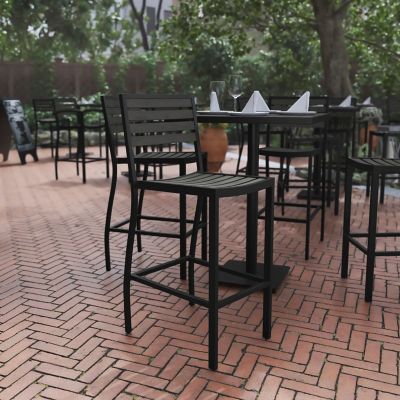
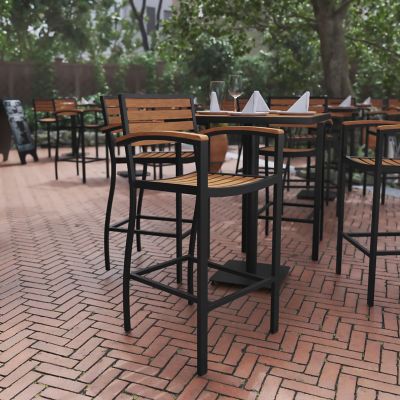
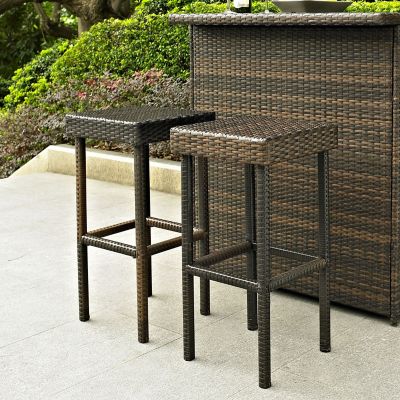
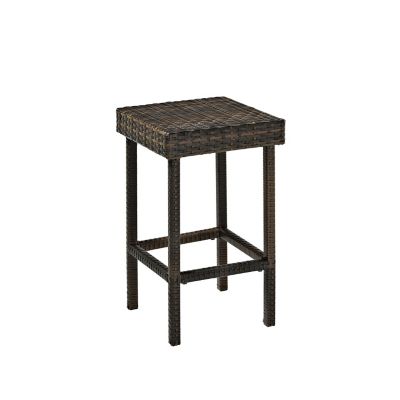
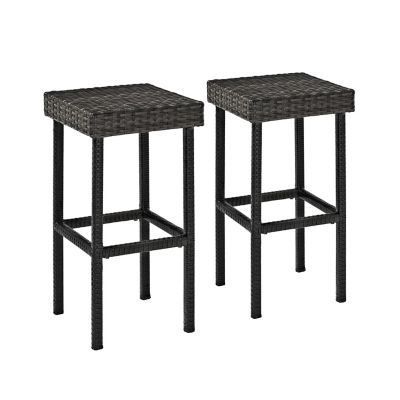
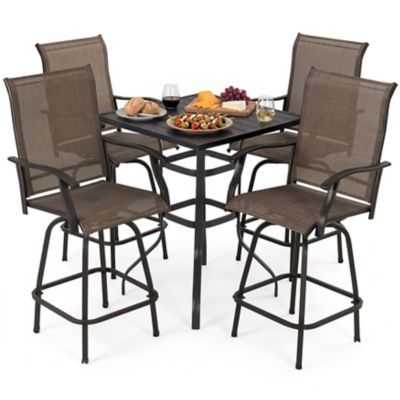
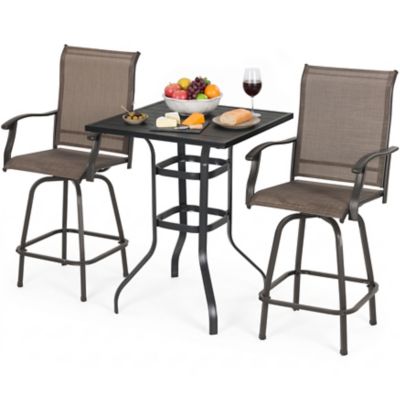
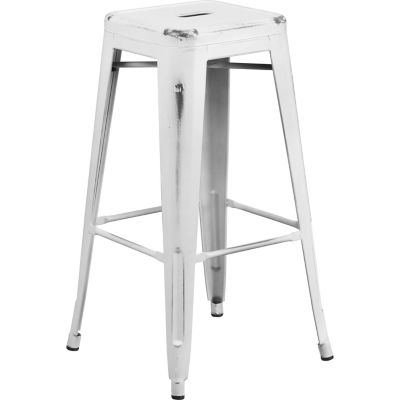
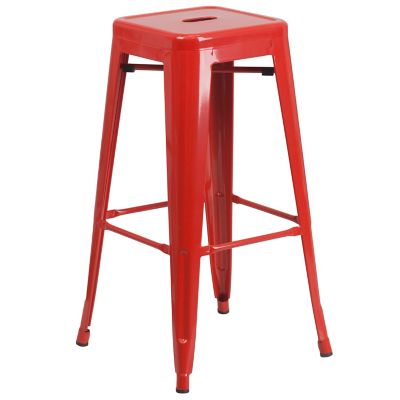
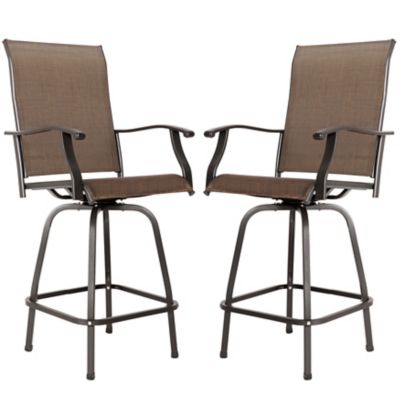
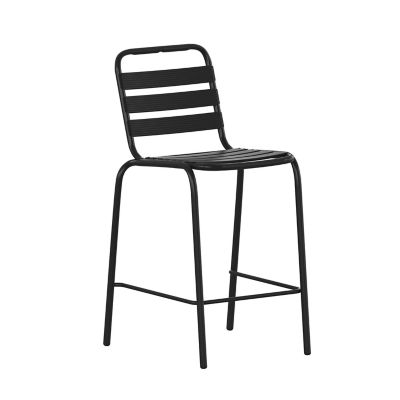
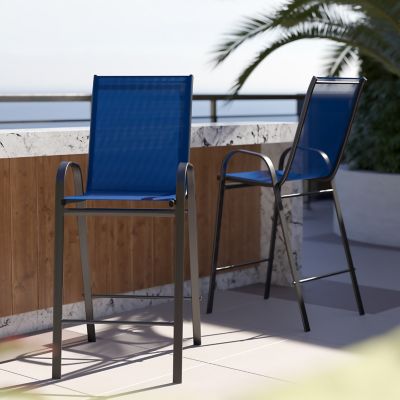
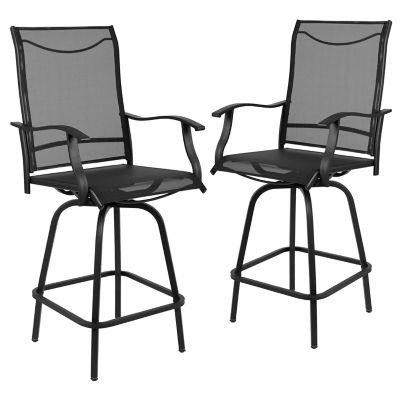
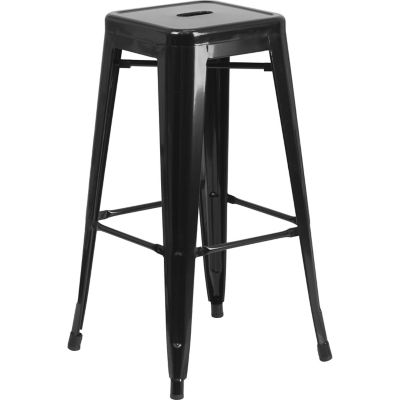
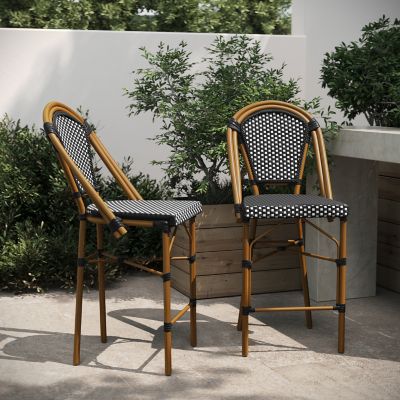
Resin outdoor bar stools bring raised seating to patio bars, porch counters and outdoor kitchens, with construction that can range from molded plastic to resin lumber or synthetic wicker over a supporting frame. That variety matters because “resin” describes a broad family of materials, not one single build. Molded designs often have smooth contours and fewer joints, while resin lumber can give a stool the substantial look of plank seating. Woven resin creates a textured surface and usually depends on a separate frame for support. Each construction has its own feel, weight and care needs. For a spot beside the grill or a counter overlooking the yard, a wipeable resin surface can make everyday cleanup straightforward after spilled lemonade, barbecue sauce or dusty work gloves. Resin itself does not rust, although metal frames, screws and other hardware still need attention. Resistance to fading, moisture and cracking depends on the material formulation and the way the stool is built, so manufacturer details matter more than the word resin alone. UV-stabilized materials are intended to help limit sun-related deterioration, but no outdoor finish is completely free from aging. Smooth surfaces tend to wipe down easily, while woven textures and deeply grained finishes have more places for crumbs and dust to settle. Open slats can let water pass through rather than collect on the seat, although the overall design determines drainage. Weight also changes the experience: a lighter stool is easier to move when sweeping the patio, while a heavier design may feel more settled in an exposed location. Neither weight nor appearance replaces a stated load capacity or a solid base. For households that gather around an outdoor counter after yard chores, the appeal is practical seating that looks at home beside wood, stone or metal without demanding the same care routine as every other material.
The right proportions make resin outdoor bar stools comfortable enough for a quick sandwich or a long conversation while supper finishes on the grill. Bar-height seats are commonly about 28 to 32 inches from the ground and generally pair with surfaces around 40 to 42 inches high. Counter-height seats are usually lower, often about 24 to 27 inches, for surfaces around 34 to 36 inches high. Those labels are useful starting points, but the actual seat measurement and the clearance beneath the counter tell the fuller story. Roughly 10 to 12 inches between the seat and the underside of the eating surface is a common comfort target, with allowance for thick cushions, support aprons and individual needs. A stool that looks right beside a counter can still leave knees cramped if a deep apron hangs below the top. Seat width, back shape and footrest placement matter just as much during a longer sit. A broad seat gives more room to settle in, while a supportive back can be welcome when the conversation carries on after the plates are cleared. Backless stools tuck away more neatly in tight spaces, provided the seat and base fit beneath the counter. Arms add a place to rest elbows but need enough clearance to slide under the surface. Swivel seats can make getting in and out easier without dragging the whole stool, though they need room to turn without hitting a wall, another seat or the counter edge. Spacing works best when each person has elbow room and a clear path behind the seating. Alongside other
Outdoor Bar Stools for Patios, resin styles can suit anything from a narrow porch counter to an outdoor kitchen with room for a whole crew. A level, firm surface helps keep that setup steady; gravel, soft ground and uneven pavers can leave stool legs sitting at different heights. For taller seating, an accessible footrest and a stable base are especially important, and the manufacturer’s weight limit applies to the complete stool rather than just its seat.
Care for resin outdoor bar stools usually centers on keeping surfaces clean, protecting the supporting parts and following the instructions for the particular material. Mild soap, water and a soft cloth or brush are often enough for routine dirt, but the maker’s care directions should settle which cleaners and tools are suitable. Abrasive pads can scratch smooth resin, and strong solvents may damage a finish or affect the material beneath it. A pressure washer can also force water into joints or harm woven sections, so it is not a universal shortcut. Food spills are easier to manage before they settle into seams, and a rinse after cleaning helps prevent soap residue from drying on the seat. Resin wicker needs a little attention between the strands, while slatted designs benefit from clear drainage gaps. Cushions add softness but bring their own upkeep: outdoor-rated fabric and filling may tolerate exposure better than indoor upholstery, yet they still need time to dry and care that matches their labels. Removable cushions also make it easier to clear the seating area or store soft goods separately. Covers can help limit dirt and exposure when the stools are not needed, provided they fit properly and allow moisture to escape. Stacking is another space-saving feature, but only for designs intended to nest together; forcing other stools into a stack can strain backs, arms or finishes. Periodic checks of fasteners, foot caps and swivel connections help catch looseness before it becomes a bigger problem. Metal components may need additional attention near pools or salt exposure, even when the visible seat is resin. Around a busy outdoor kitchen, wide feet or suitable floor protectors can help keep seating from marking the surface underneath. With proportions that fit the counter and care suited to the construction, resin bar stools offer a practical place to pull up, set down a glass of iced tea and stay awhile.