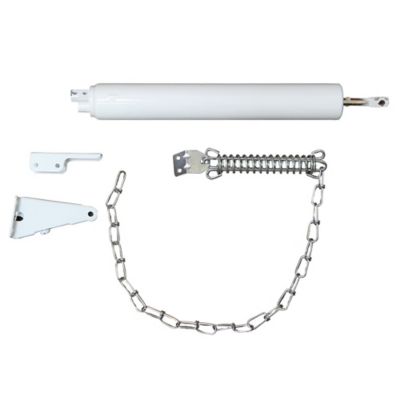
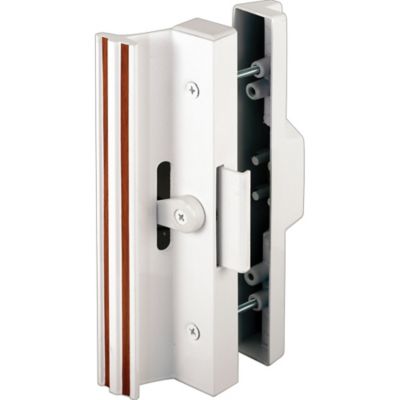
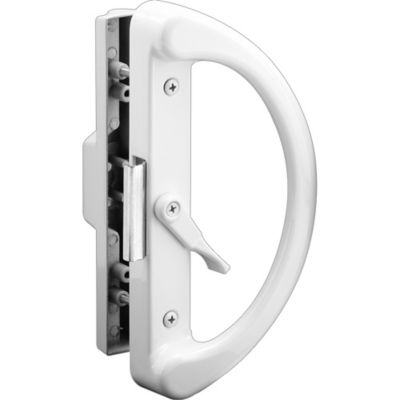
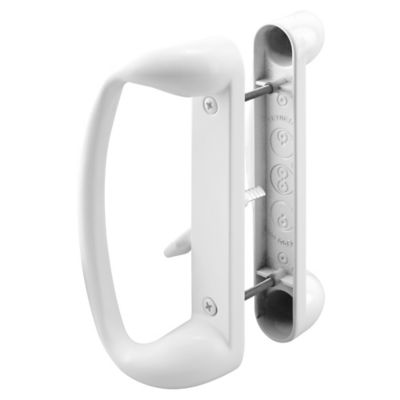
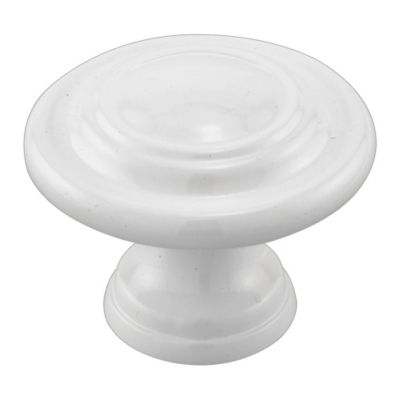
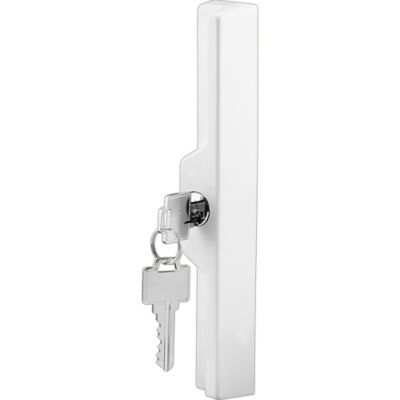
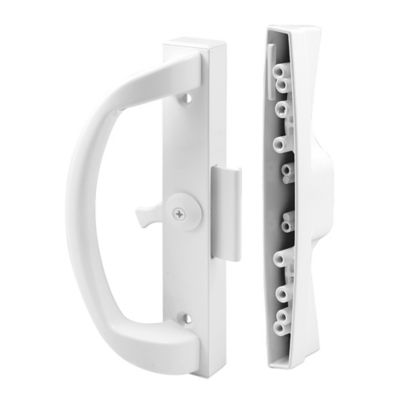
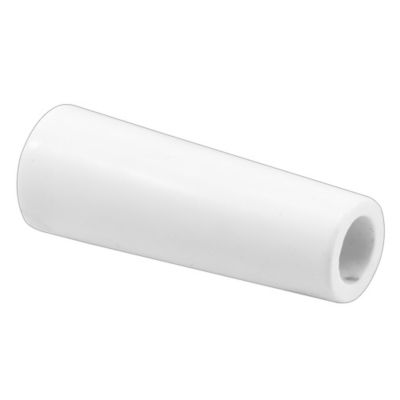
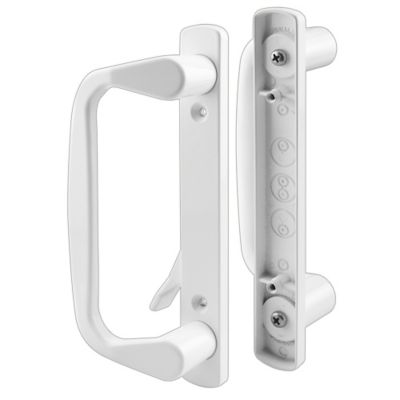
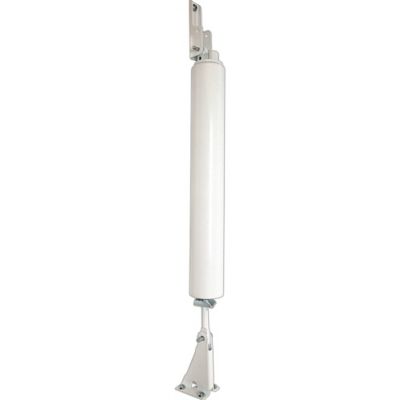
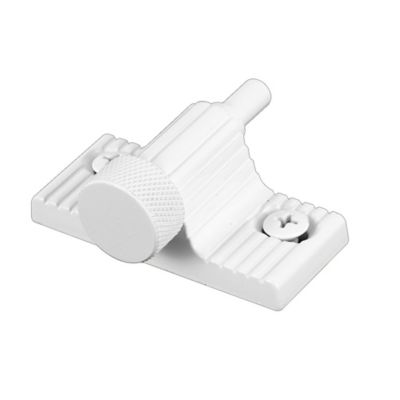
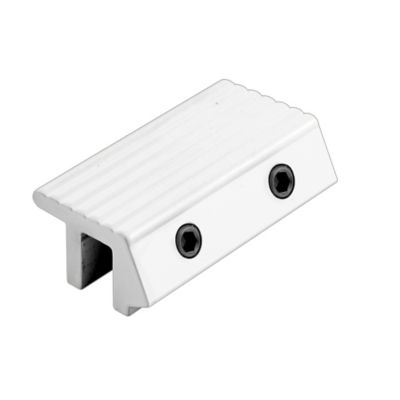
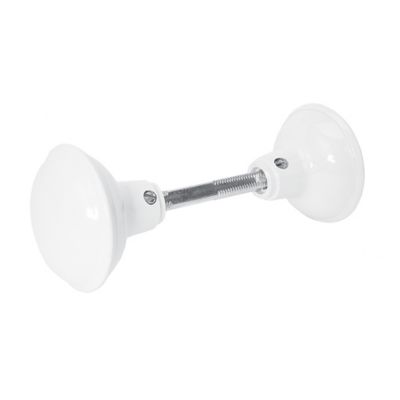
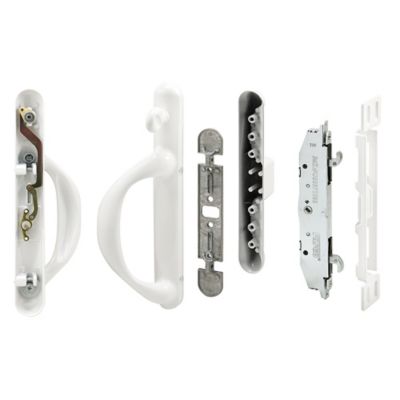
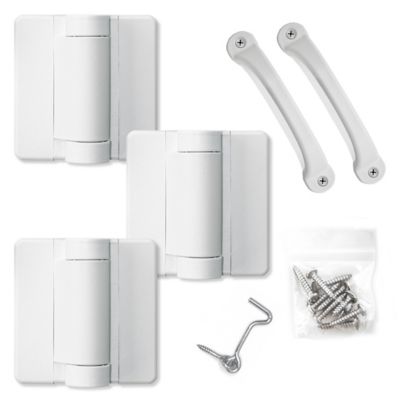
White door hardware includes knobs, levers, hinges, pulls, latches, and related fittings with a white finish or white components. It gives doors a clean, coordinated look without making the hardware the first thing that catches the eye. Against a white door, matching hardware can blend into the surface; against stained wood or a darker painted door, it creates a crisp contrast. That makes it a good fit for everything from a farmhouse hallway to a laundry room, bedroom, or small-town storefront. The color is only part of the choice, though. Each piece has a job to do, and the way a door operates matters just as much as how it looks. Passage hardware allows a door to latch without locking, making it suitable for closets and hallways. Privacy hardware adds a locking function for spaces such as bedrooms and bathrooms, while keyed entry hardware serves doors that need controlled access. Stationary knobs and pulls provide a handhold without operating a latch, which can suit certain closet doors with a separate catch. Levers offer a broad gripping surface and can be easier to operate than round knobs, especially when carrying a laundry basket or dealing with stiff hands. Accessibility depends on the complete hardware design and installation, not the handle shape alone. Materials also make a difference. Steel, brass, and zinc alloy appear throughout door hardware, with paint or powder coating providing the white surface on many metal pieces. Ceramic and porcelain knobs offer another way to bring white into the arrangement, often alongside metal stems, roses, or backplates. The finish, underlying material, and moving parts all contribute to how hardware holds up to frequent handling. For an exterior entry, the lock’s construction, security rating, fit, and exterior-use designation matter more than its color. White hardware intended only for an interior door should not be treated as interchangeable with entry hardware.
Fit is where a good-looking replacement becomes a door that shuts smoothly instead of needing a shoulder shove. Common residential door thicknesses include 1-3/8 inches and 1-3/4 inches, but hardware has its own supported range, so the actual door measurement matters. For bored locksets, the backset is the distance from the edge of the door to the center of the handle opening. Two common measurements are 2-3/8 inches and 2-3/4 inches. Some latches adjust between those dimensions; others do not. The diameter of the main bore, the edge opening, and the latch faceplate shape also need to match the installation requirements. A white lever set that looks just right can still be a poor fit if its rose does not cover the existing opening or its latch does not line up with the strike. Hinges call for the same attention. Common residential hinge heights include 3-1/2 inches and 4 inches, while rounded corners often have a 1/4-inch or 5/8-inch radius. Those measurements describe different parts of the hinge and are not substitutes for one another. Hinge width, leaf thickness, screw-hole placement, and the shape of the existing recess all affect replacement fit. A heavier solid-core door may also need a different hinge arrangement than a lighter hollow-core door. Some hinges have removable pins, but security needs and door construction may call for another design. Handing deserves a look with levers and certain locking arrangements, since not every handle reverses for either side of a doorway. In a busy mudroom or hallway, there also needs to be enough clearance for the handle to move without striking nearby trim or a cabinet. Matching the hardware to the door’s weight, preparation, swing, and daily traffic helps keep the latch aligned and the movement comfortable. That is especially useful in older homes, where doors and frames may have shifted or collected several layers of paint over the years.
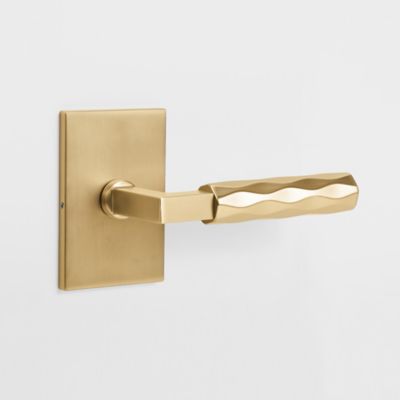
White finishes range from bright, cool shades to softer off-whites, and sheen can change the effect just as much as color. A glossy porcelain knob catches light differently than a matte painted lever, even when both look white at a glance. Keeping the main visible pieces close in tone gives a hallway a settled, consistent appearance, while small differences can be less noticeable on separate doors. Matching the handle, hinge, and strike plate creates a quieter look; pairing white knobs with exposed metal accents gives the doorway more definition. For a warmer contrast,
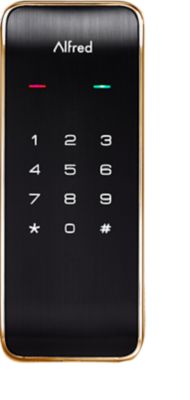
Gold Door Hardware offers another finish direction alongside white paint or natural wood. There is no need for every fitting in a house to be identical, but repeating a finish or handle shape can tie together a bedroom wing, pantry, and utility space. Care is straightforward when it follows the finish manufacturer’s directions. A soft cloth can lift fingerprints and everyday dust, while a lightly dampened cloth with a mild cleaner may be appropriate for some surfaces. Abrasive pads, harsh chemicals, and strong solvents can scratch or damage coatings, so the finish instructions should come before the cleaning cupboard. White surfaces can show dark scuffs around a grip or latch edge, making gentle, regular wiping more useful than occasional hard scrubbing. Porcelain and ceramic surfaces also need protection from sharp impacts, and their mounting hardware should be tightened without excessive force. Loose screws, a rubbing latch, or a sagging hinge deserve attention rather than repeated slamming. Paint buildup around hinge joints and strike openings can interfere with movement, too. Keeping moving joints free of paint and applying only a manufacturer-approved lubricant where recommended helps preserve smooth operation. Whether the setting is a family home, a rental property, or a farmhouse getting a room-by-room refresh, white door hardware works best when its quiet appearance is backed by the right fit and function. A comfortable grip, a clean-closing latch, and a finish suited to the space are the details that earn their keep every day.