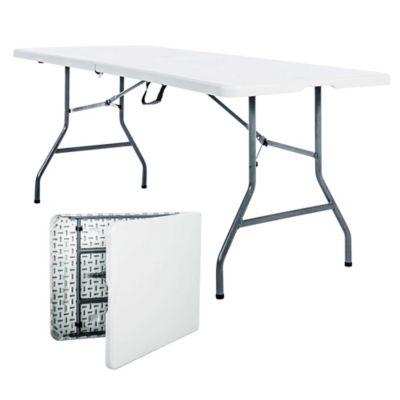
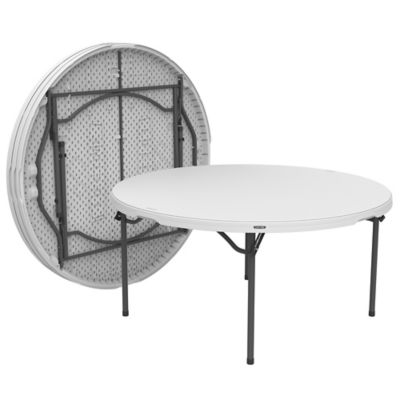
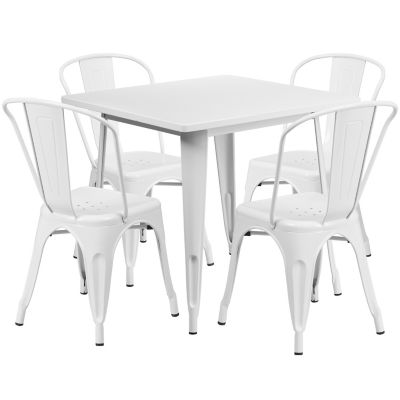
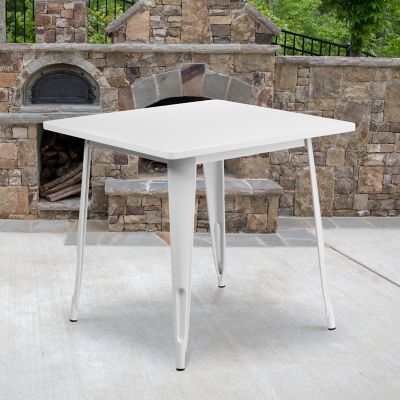
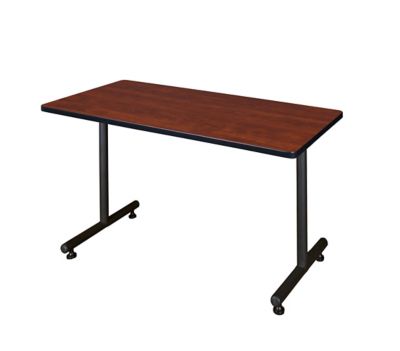
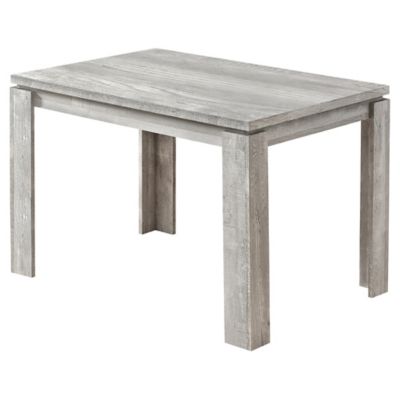
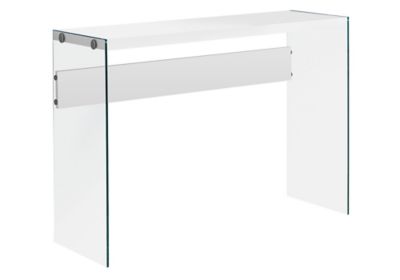
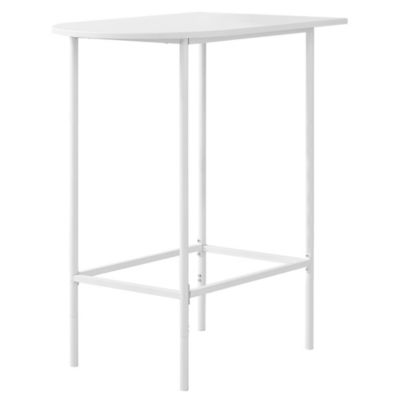
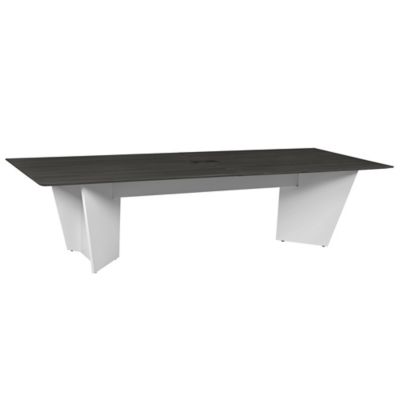
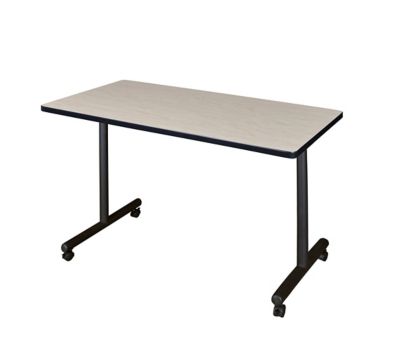
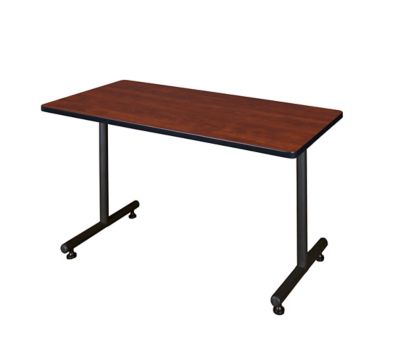
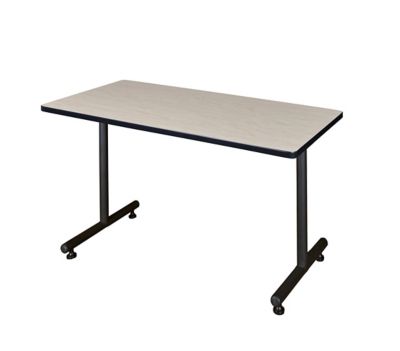
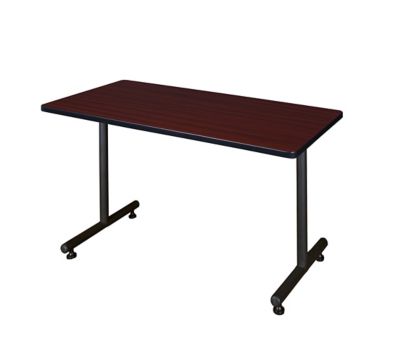
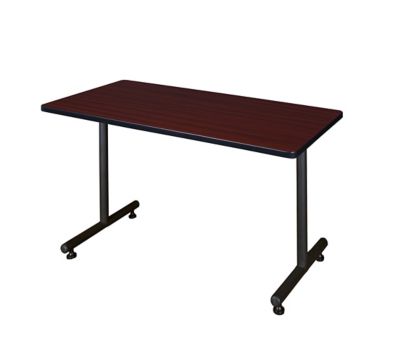
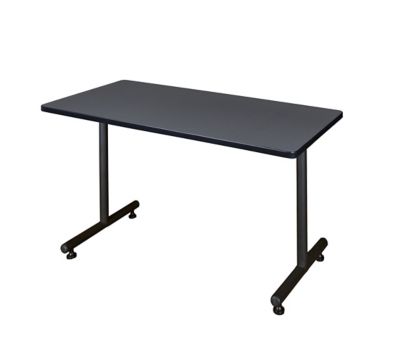
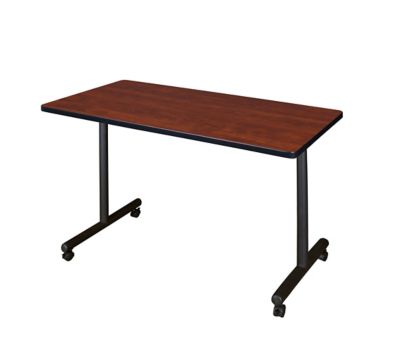
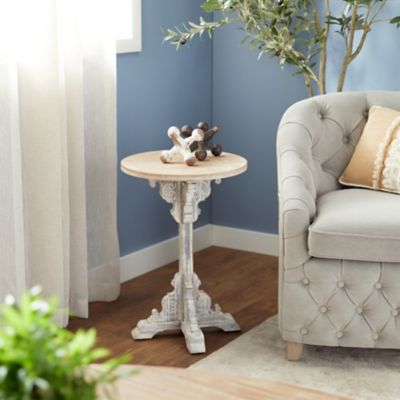
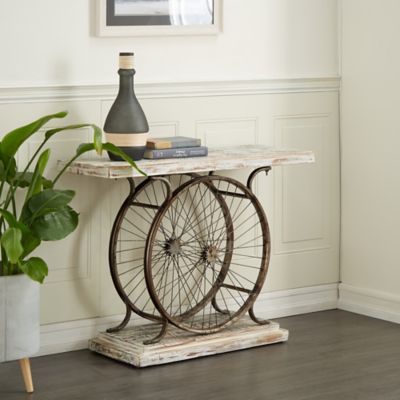
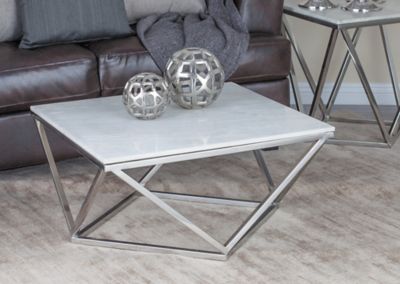
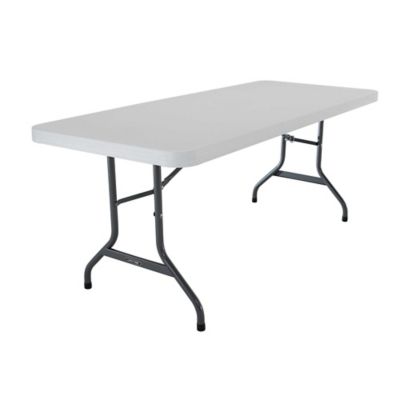
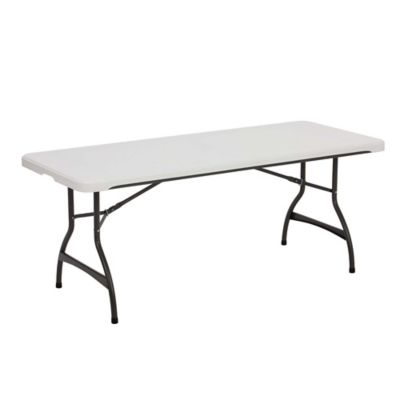
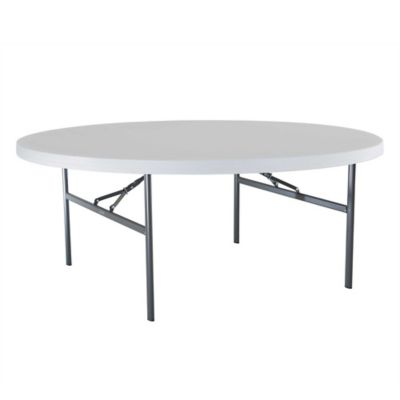
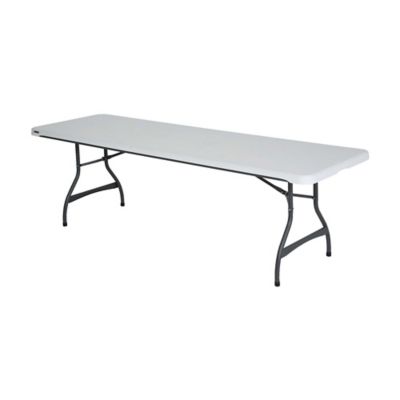
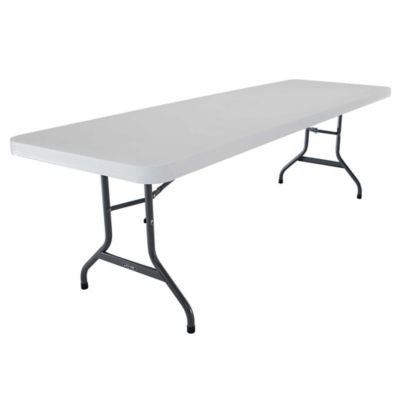
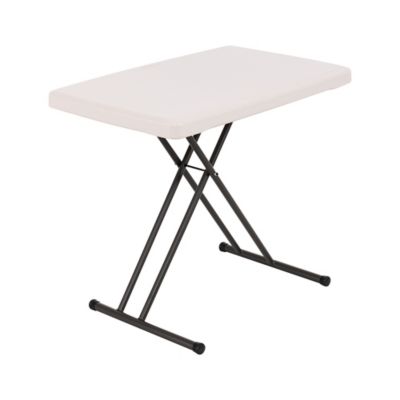
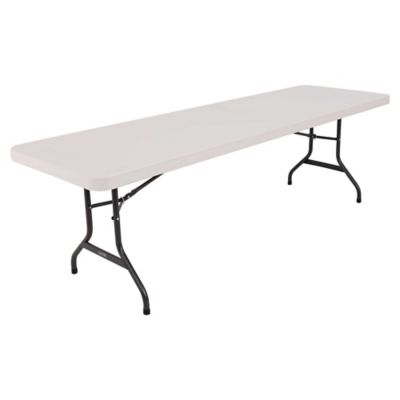
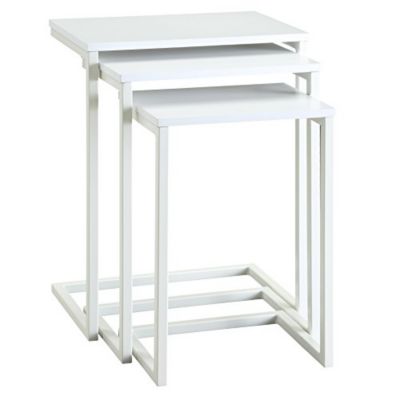
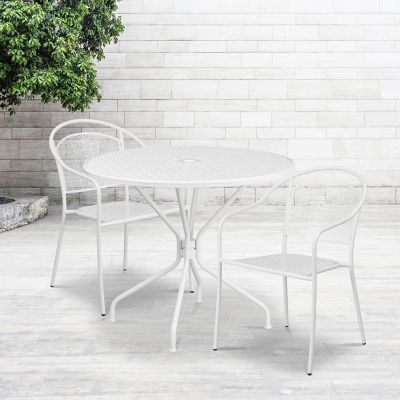
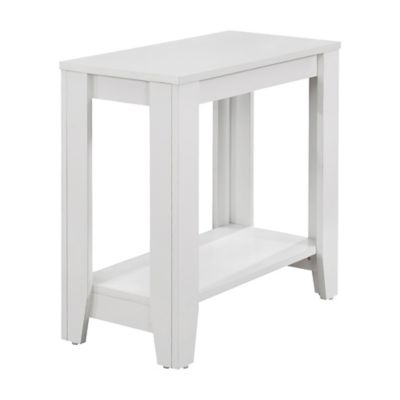
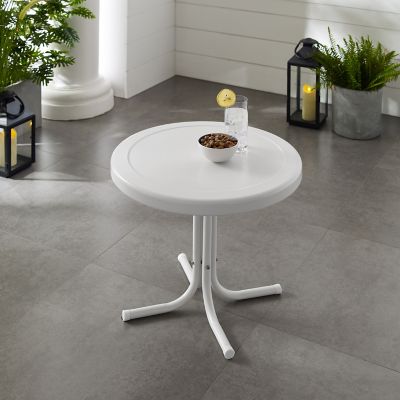
White and grey tables bring an easy, lived-in look to dining rooms, kitchens, breakfast nooks and other gathering spots. The color pairing works with a wide range of decorating styles, from modern farmhouse and cottage-inspired spaces to clean contemporary rooms. A white finish can help a smaller room feel brighter, while a grey tabletop or base adds a little depth without making the space feel heavy. Two-tone tables are especially handy when you want furniture that blends with both light and dark finishes already in the home. A grey table can sit comfortably near white cabinets, natural wood floors or black hardware, and white chairs can create a crisp contrast around a grey surface. For a softer arrangement, pair the table with upholstered seating in oatmeal, tan or light grey, then add a neutral rug underneath to define the dining area. These tables can serve as the everyday spot for family meals, homework, card games and coffee, while also giving you a dependable surface for larger gatherings during the cooler months. In a farmhouse kitchen, a sturdy rectangular table leaves room for serving dishes and extra elbows. A round table can make conversation easier in a compact breakfast area, and its lack of sharp corners can be useful in busy homes with young children. Square tables work well in smaller dining spaces or as a casual game table, especially when the room has a balanced layout. Before choosing a table, measure the open floor area carefully and leave enough room for chairs to slide out and for people to walk around them. A clearance of about 36 inches around the table is a helpful starting point, though tighter or more open arrangements may suit your room. Also consider doorways, stair turns and other narrow spots the table will need to pass through during delivery or setup.
Construction and finish matter just as much as color when you are choosing a white and grey table for daily use. Solid wood, including rubberwood and other durable hardwoods, is valued for its strength and natural feel, while manufactured wood and MDF can provide a smooth, even surface for painted finishes or marble-look designs. Veneer can add the appearance of real wood while helping keep the table lighter and more accessible, and melamine-style surfaces are often chosen for their easy cleanup. Metal legs or frames can give a table an industrial touch and add a solid foundation, while turned or tapered wood legs fit more naturally into a traditional farmhouse setting. Look closely at how the top is finished, since a dining table may need to handle spilled milk, muddy little hands, hot serving dishes and the occasional art project. A smooth, sealed surface is generally simpler to wipe down than a heavily textured top, but every finish has its own care instructions. Use coasters, placemats or a washable runner to help protect the surface, and wipe up moisture instead of letting it sit around edges or seams. White finishes may show crumbs and scuffs more readily, which can be helpful when you want to spot messes quickly, while grey tones tend to disguise everyday marks a bit better. Pay attention to the table height and the proportions of nearby seating, too. Standard dining tables are designed to work with standard-height dining chairs, but benches, counter-height stools and mixed seating may require a closer look at measurements. If you are replacing an older table, measure the height of your current chairs and compare the legroom underneath the new table. Families often appreciate tables with a comfortable overhang, rounded edges or a durable protective coating, while households that host often may prefer a wider top, an extension feature or a shape that lets people add one more chair without crowding the room. Assembly requirements are another practical detail; check the number of pieces, the type of hardware and whether a second person will be helpful for lifting and aligning the legs.
A white and grey table can be a thoughtful housewarming gift for someone settling into a new home, a couple furnishing their first dining space or a family creating a more useful kitchen gathering area. It is also a practical choice for a student apartment, a craft room or a shared living space where furniture needs to look neat without feeling too formal. When selecting one as a gift, focus on versatile dimensions and finishes that can move with the recipient rather than a style that only works in one room. Neutral colors make it easier to change wall paint, curtains, chairs and seasonal decorations over time. During early fall, a simple centerpiece of dried grasses, small gourds or a woven basket can warm up the white and grey palette. As the weather gets colder, switch to evergreen branches, soft candlelight or a textured runner for a cozy look without covering up the table’s finish. Keep decorations low enough that diners can see across the table, and use washable or heat-resistant pieces when meals are served family-style. The same neutral styling can carry into an entryway or covered porch with the right table size and construction, offering a place for keys, gloves, mail, planters or a tray of everyday essentials. If you are coordinating the table with the rest of a property, grey is easy to repeat in understated ways, from outdoor accents to
Gray Fences, while white can brighten trim, doors and surrounding furnishings. Whether you are furnishing a hardworking farmhouse kitchen, refreshing a dining room before guests arrive or adding a dependable surface to a smaller home, consider the people who will use the table, the room it needs to fit and the cleanup it will face. A well-sized table with a durable finish and a neutral white-and-grey design can settle into everyday life with ease, giving everyone a comfortable place to sit down, share a meal and linger awhile.