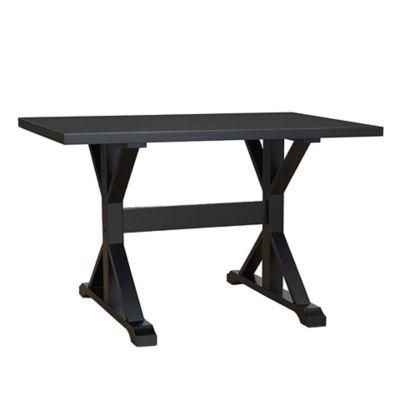
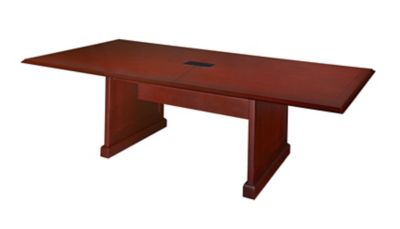
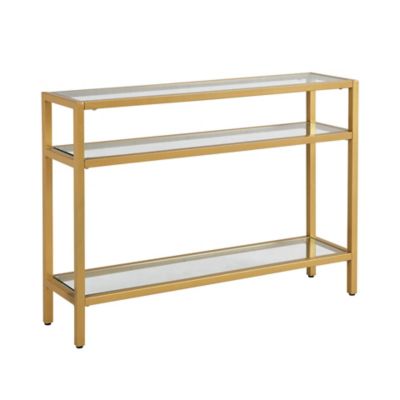
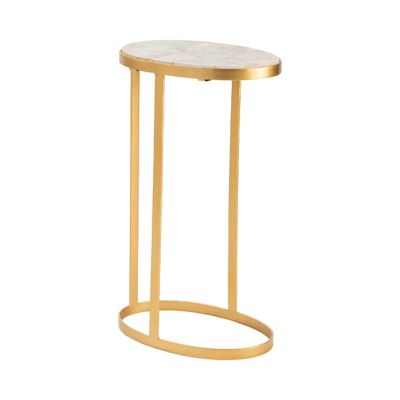
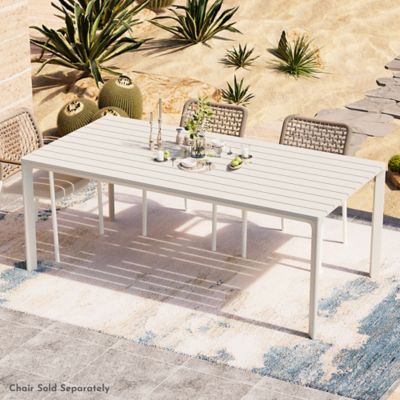
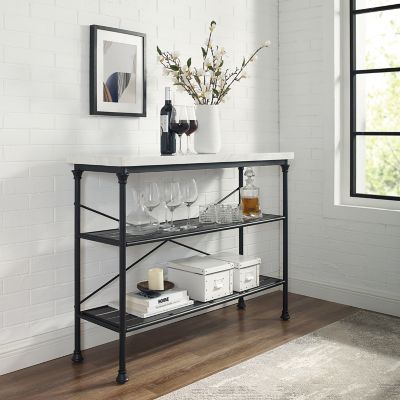
Elegant tables combine balanced proportions, appealing materials, and thoughtful details to give a room a polished look without making it feel off-limits. That can mean a broad wood dining table where the family gathers for supper, a slim entry table that makes the front hall feel pulled together, or a stone-topped accent table beside a favorite chair. Elegance comes as much from how a table fits its surroundings as from carved legs or a glossy finish. A straightforward design with a well-proportioned base can look just as refined as a more detailed style, especially in a farmhouse dining room where comfort still comes first. Rectangular tables suit longer rooms and give serving dishes a clear path down the middle, while round tables make conversation easy and soften rooms with lots of straight lines. Oval shapes offer some of that same softness with a longer surface for seating. The base matters, too: corner legs can define each seating position, while a pedestal may leave more flexibility around the edge, depending on its shape and footprint. Dining comfort depends on more than the tabletop dimensions. Chairs need enough space between their seats and the underside of the table, and armchairs need clearance beneath any apron. As a general planning allowance, about 24 inches of table edge per diner helps keep elbows from competing for space. Roughly 36 inches between the table and nearby walls or furniture allows room to pull out chairs, though a busy walkway may need more. Extension designs can make sense for a household that seats a few people most days and welcomes a bigger crowd for birthdays or family dinners. The everyday size, expanded length, support system, and storage needs of any separate leaves all play a part in how comfortably that table fits the home. There should also be room for everyday habits, whether that means passing a platter, helping with homework, or leaving a small centerpiece in place through dinner.
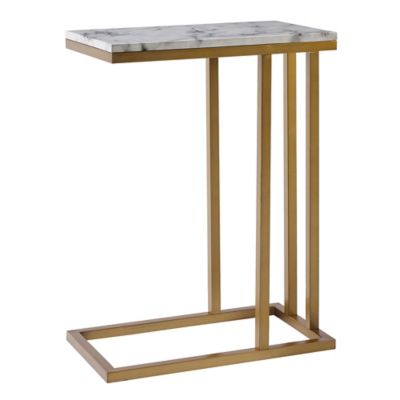
Materials give elegant tables much of their character, but they also shape the care and attention a surface needs. Solid wood brings visible grain and a substantial feel, with natural variations that lend warmth to both simple and more formal rooms. Wood veneer is a thin layer of real wood over a supporting core; it can create a consistent grain pattern or a carefully arranged surface, and it is not the same thing as a printed wood-look finish. With any wood construction, the finish affects how the table handles spills, cleaning, and everyday contact. Stone surfaces bring weight, veining, and a quieter sort of presence, whether paired with a slender metal base or a substantial pedestal. Natural stone varies, and some types can absorb spills or develop marks from acidic foods and drinks. Sealing requirements and approved cleaners depend on the material, so care directions matter more than appearance alone. Glass tops keep sightlines open and can make a smaller dining area feel less crowded, although fingerprints and smudges tend to show. Edge treatment, glass specifications, and secure attachment to the base deserve attention, especially in a busy household. Metal frames can introduce slim lines or more substantial shapes, with finishes ranging from softly brushed surfaces to painted coatings. Their joints, floor contact points, and protective feet affect stability and how kindly the table treats the flooring. For daily care, a soft cloth, prompt attention to spills, and cleaning products approved for the surface are a sound starting point. Coasters, placemats, and trivets help separate the tabletop from moisture, scratches, and hot serving dishes. Heavy tables also call for sensible handling: lifting rather than dragging protects joints and floors. On assembled furniture, snug connections and correctly engaged extension locks help keep the surface steady. A table that looks inviting should feel steady when someone leans in to pass the bread, not shift under a full place setting.
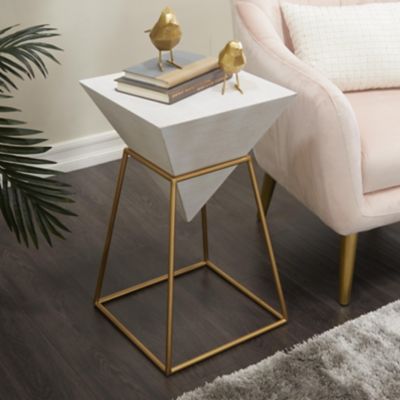
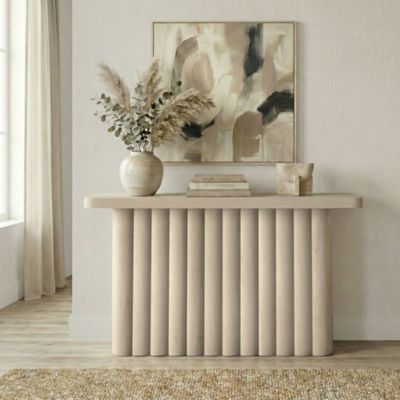
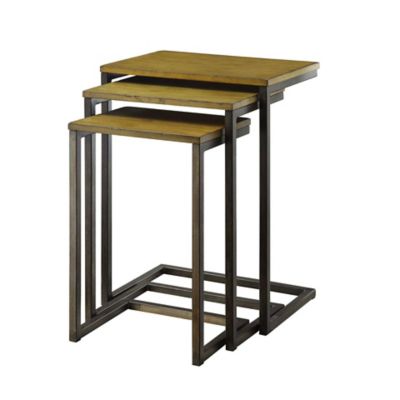
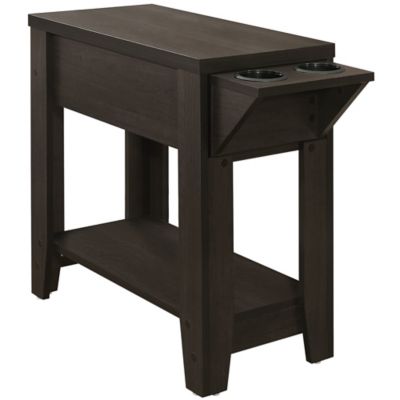
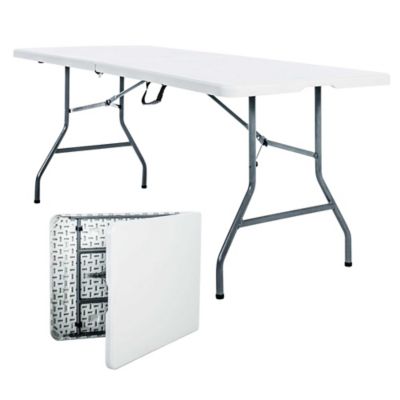
Style ties those practical details together. French-inspired tables often feature curved legs, shaped edges, or carved accents, while contemporary designs tend toward clean outlines, restrained detailing, and simple bases. Minimalist stone tables let the surface pattern and overall shape do most of the talking. In a country home, any of these directions can sit comfortably alongside familiar furniture when the scale and finishes work together. A pale tabletop can lighten the look of dark chairs, and a deeper wood tone can give a bright room a stronger focal point. Matching every finish is not necessary; repeating one element, such as a wood tone or metal color, can help different pieces feel connected. Chairs also influence the mood. Upholstered seating can make a dining space feel softer, while simpler wood seating keeps the arrangement easygoing. A rug beneath a dining table needs enough reach for chair legs to remain on it when seats pull back, rather than catching at the edge. Away from the dining room, narrow console tables can bring a finished look to an entry without crowding the route through the house. Side tables work best when their height makes a lamp, book, or drink easy to reach from the adjoining seat. Low living-room tables need space around them for feet and everyday traffic, not just a pleasing position in front of the sofa. For spaces where projects and household chores take priority,
Utility Tables provide a more task-focused direction. An elegant table can also be a thoughtful housewarming or wedding gift when the recipient’s room measurements and preferences are already known. Doorways, stair turns, assembly needs, and the weight of the table matter just as much as the final placement. The right fit leaves room for real life: a full supper, a quiet cup of coffee, and company that feels welcome to settle in.