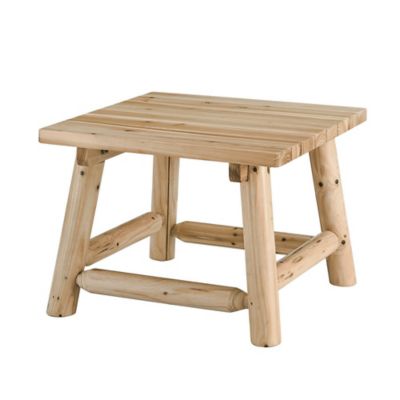
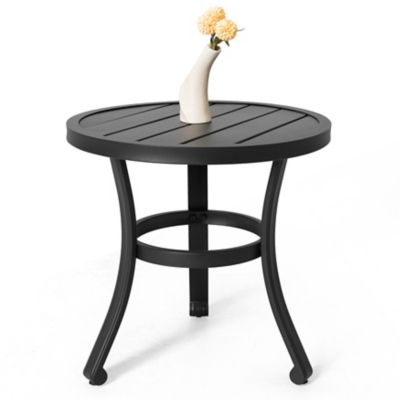
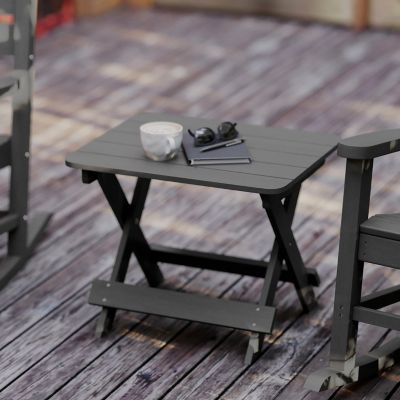
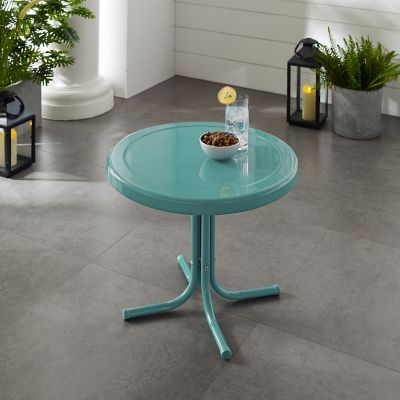
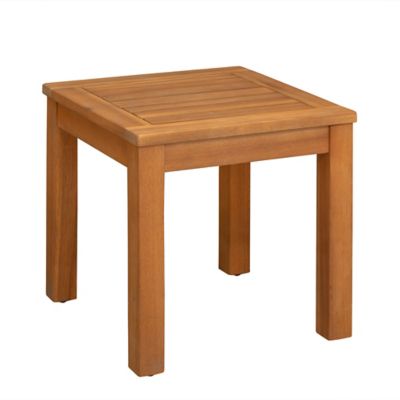
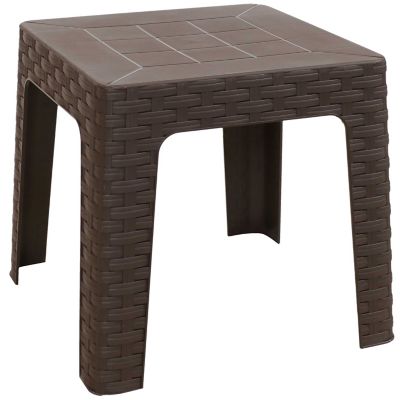
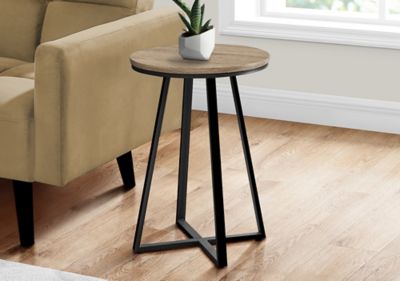
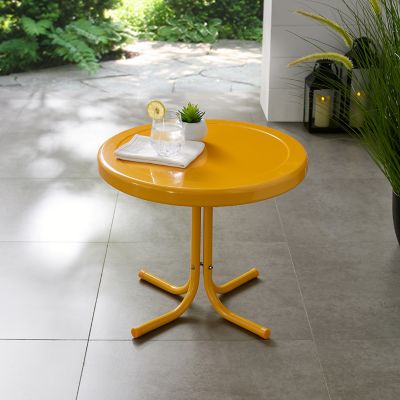
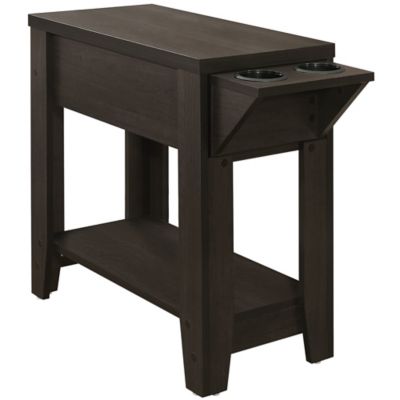
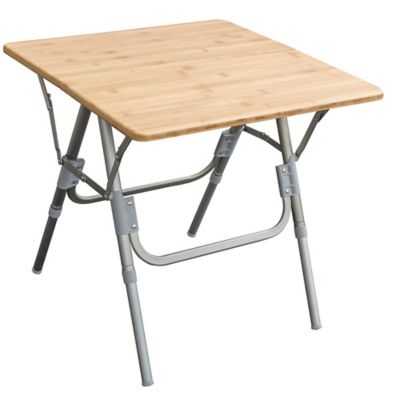
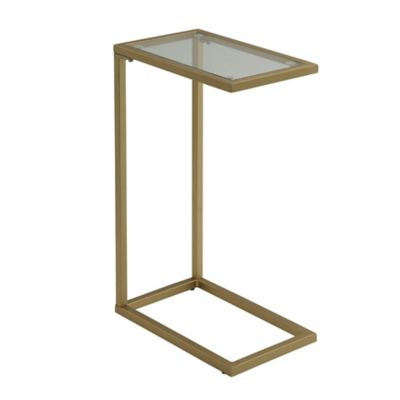
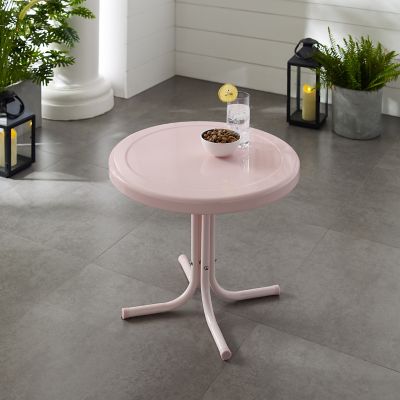
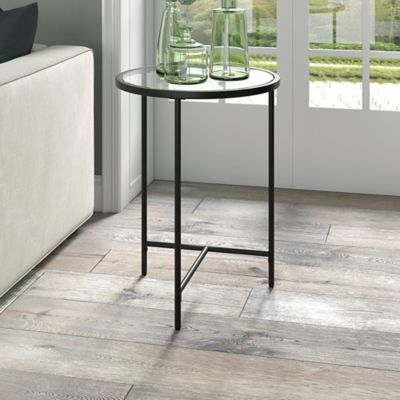
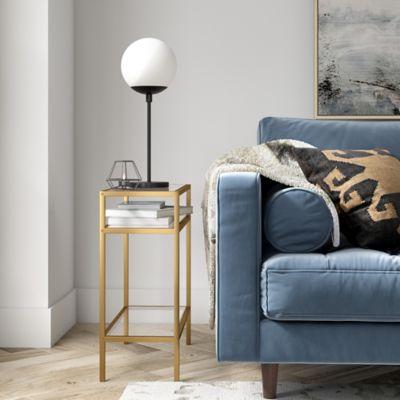
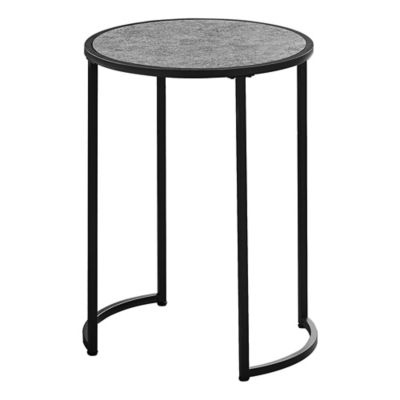
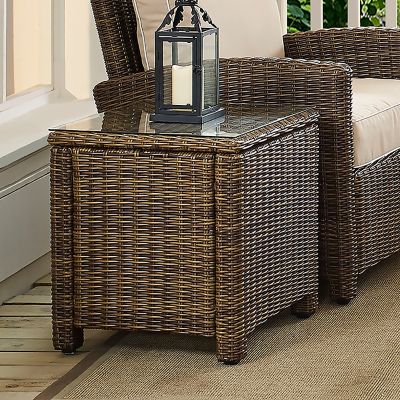
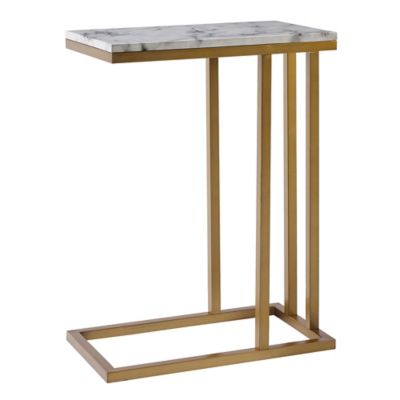
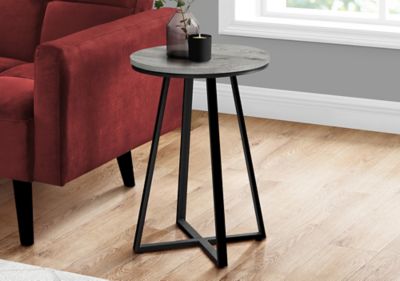
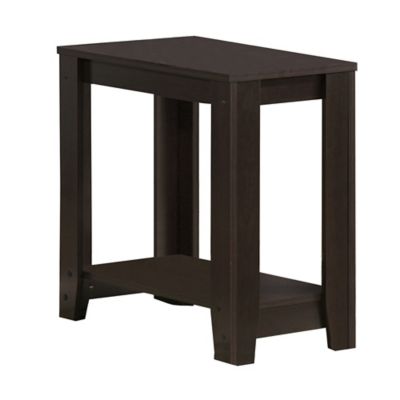
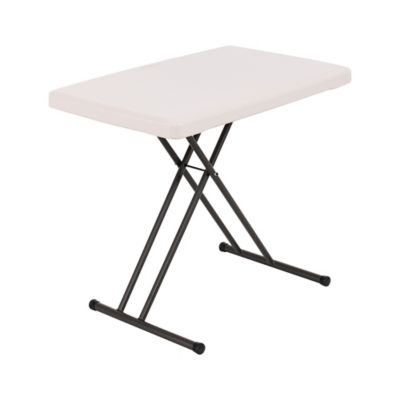
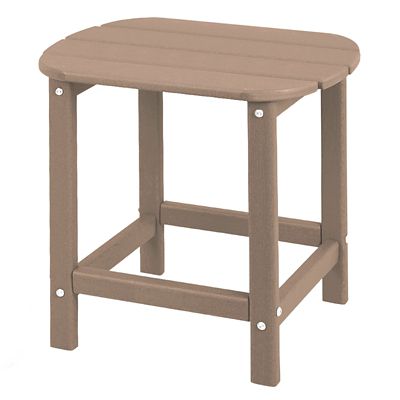
Side tables are compact tables that sit beside a sofa, armchair or bed, giving lamps, drinks, books and everyday essentials a spot within easy reach. Smaller than a coffee table, they bring a useful surface to places where a larger piece would crowd the room. A side table beside a favorite recliner can hold reading glasses and a mug, while one near the guest bed gives visitors a place for a phone and a glass of water. In a farmhouse living room, a simple wood table fits comfortably beside a worn leather chair; in a smaller apartment, a slim metal frame can keep the same corner feeling open. Shape makes a difference in how these pieces fit. Square and rectangular side tables tuck neatly alongside straight sofa arms and into corners, with surface space for a lamp base and a few essentials. Round and oval tables soften a room full of straight lines and leave fewer projecting corners along walking paths, though the base still needs enough clearance. C-shaped side tables have an offset frame that can reach over a seat cushion or bed edge when the lower section fits underneath. That makes them handy for a snack, a notebook or a tablet without putting a full-size table in front of the seat. Table height matters just as much as shape: a top close to the height of a sofa arm generally keeps a drink within a comfortable reach. Beside a bed, a surface near mattress height serves a similar purpose. Width and depth should leave room to pass, open nearby drawers and extend a recliner without bumping the furniture. A narrow gap may call for a small rectangular table, while a broad corner can take a round table with a larger top. The best fit leaves enough room for the things that land there every day without turning the space into an obstacle course.
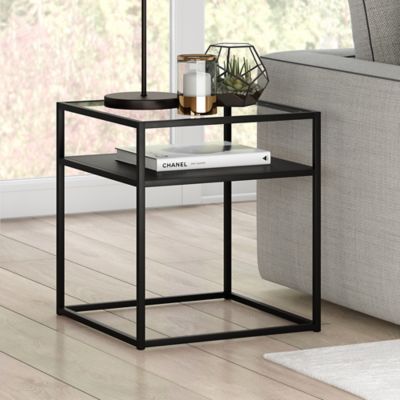
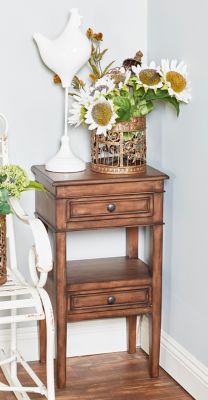
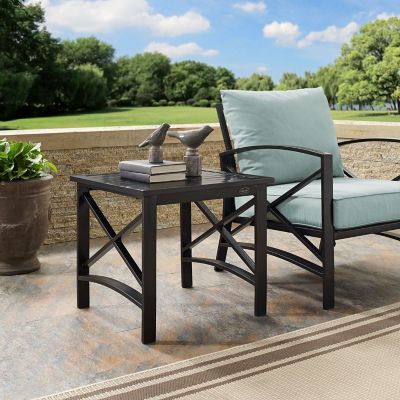
Materials influence a side table’s appearance, weight, upkeep and ability to handle everyday wear. Solid wood brings visible grain and a substantial feel, with finishes ranging from light natural tones to darker stains that sit comfortably among other wood furnishings. The finish helps determine how well the surface handles spills and marks, so care directions matter as much as the wood itself. Engineered wood and wood veneer offer other ways to get a wood-look surface, and their edges deserve attention when cleaning because standing moisture can affect some constructions. Metal side tables can bring a straightforward, practical look to a den, bedroom or enclosed porch. Their frames may feel light and open or more substantial, depending on the design, and protective feet help keep metal legs from marking the floor. Glass tops keep sightlines open and let a rug or table base show through, although fingerprints and smudges tend to stand out. Stone and stone-look tops add visual weight, but care varies by material; some natural stone surfaces need sealing and protection from acidic spills. Woven details add texture, especially on a shelf or basket-style lower section, while smooth tops provide a steady place for cups and lamps. Across these materials, sound joints, secure fasteners and level footing help a table stay steady through daily activity. A small table should still suit its intended load, particularly when it holds a substantial lamp or a stack of hardback books. Weight limits apply to shelves as well as tabletops, and a side table is not a substitute for a seat or step stool. Coasters, trays and felt pads beneath accessories can help protect the finish without making the surface fussy to live with. Most routine care starts with a soft cloth and prompt attention to spills, followed by the cleaning method recommended for that material. Abrasive scrubbers and strong cleaners can leave marks on certain finishes. For a porch or patio, an outdoor-rated table is the appropriate choice; an indoor table does not gain that rating simply because it sits under a roof.
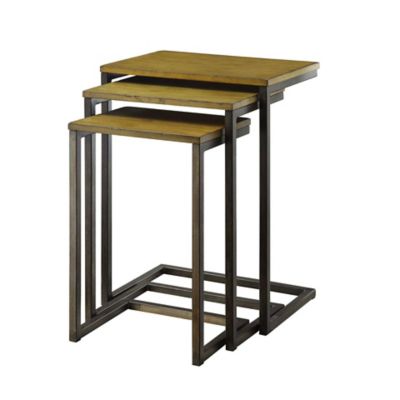
Storage and base design often determine whether a side table earns its place in a busy home. An open lower shelf keeps reading material easy to spot and leaves space for a basket of remotes or charging cords. A drawer keeps smaller belongings out of sight, which can be helpful beside a bed or in a living room where several people share the same seating area. Open frames leave more room for feet, while enclosed cabinets provide hidden storage but need clearance for doors. Nesting side tables offer separate surfaces that tuck together when fewer are needed, making them useful around a conversation area where family and friends gather. A removable tray top can help carry cups to a seat, provided the tray and its handles are intended for that purpose. Built-in charging features can reduce the reach to an outlet, but cord length, outlet location and a clear path for the cable still matter. Lamp placement deserves the same attention: the base needs a steady landing spot, the shade should not crowd the person sitting nearby, and the cord should stay out of the walkway. Matching side tables can give both ends of a sofa a balanced look, but different shapes can work together when a finish, material or proportion ties them together. A room might pair a narrow table beside a chair with a wider one at the end of a sofa, each suited to the space it serves. For a wall behind seating or an entryway that needs a longer, shallower surface,
console tables fill a different role without taking the place of a convenient seat-side table. Side tables can also make a practical housewarming gift when the recipient’s room measurements and style are known. Whether the setting is a first home, a family den or a quiet reading corner, a well-proportioned table puts everyday belongings close at hand and helps the room work a little better.