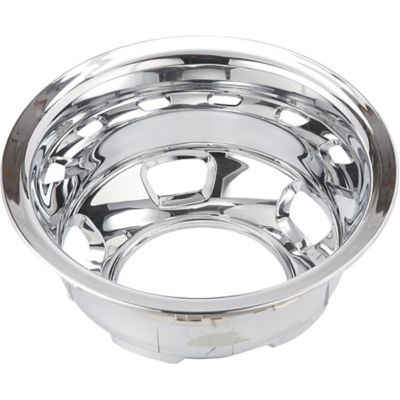
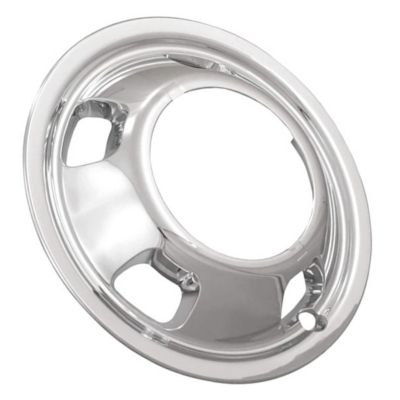
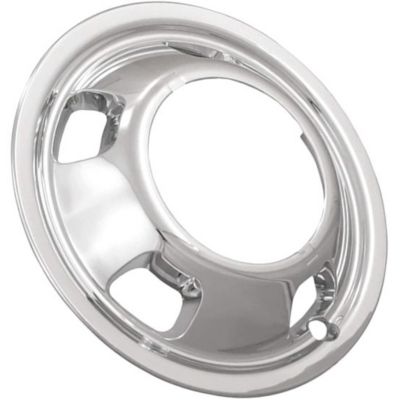
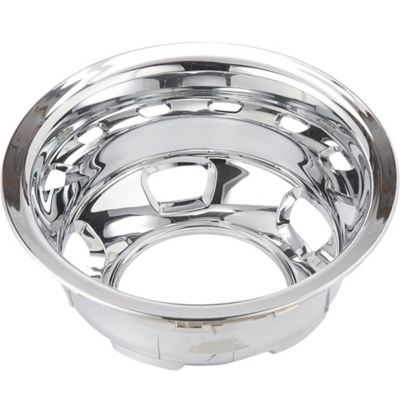
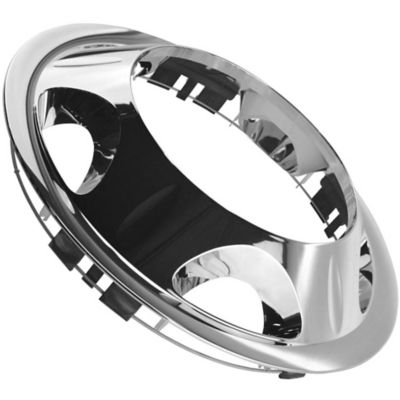
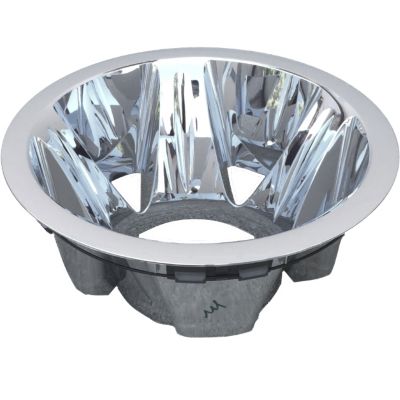
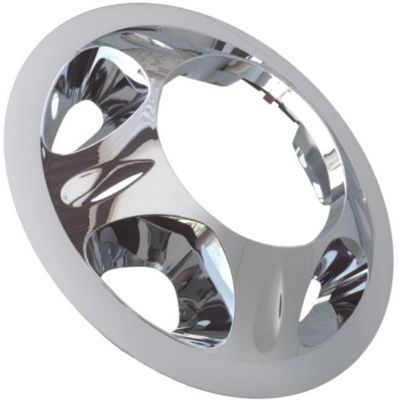
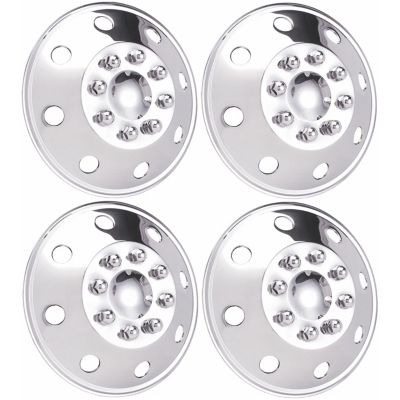
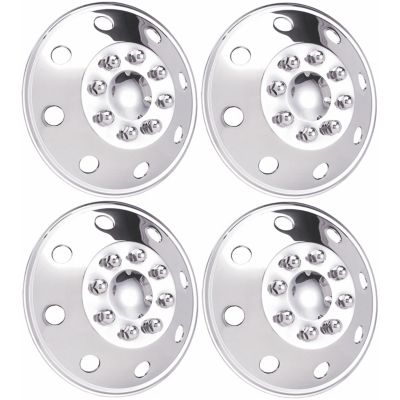
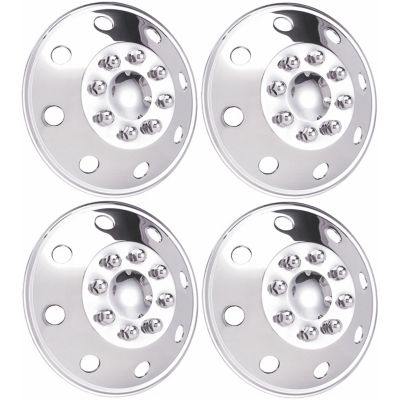
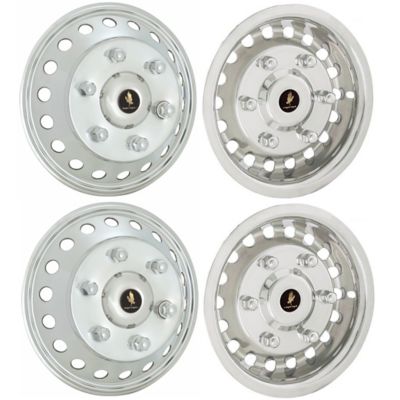
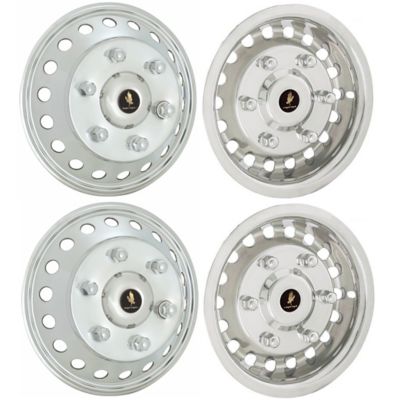
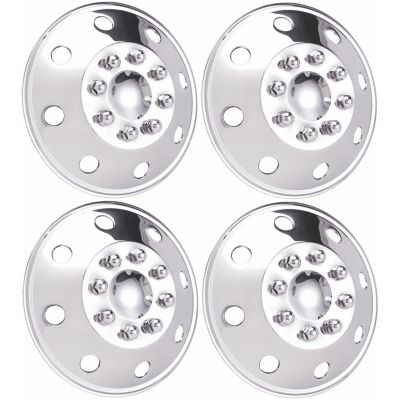
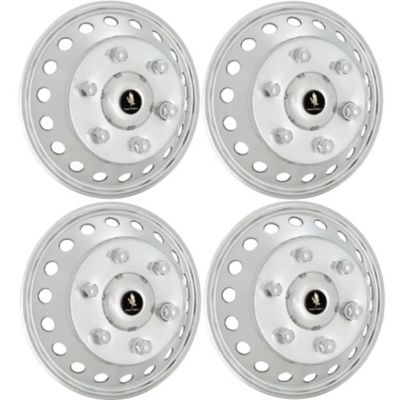
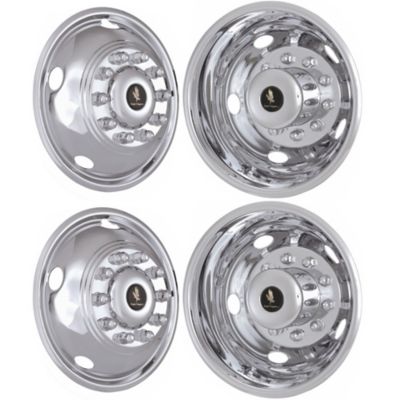
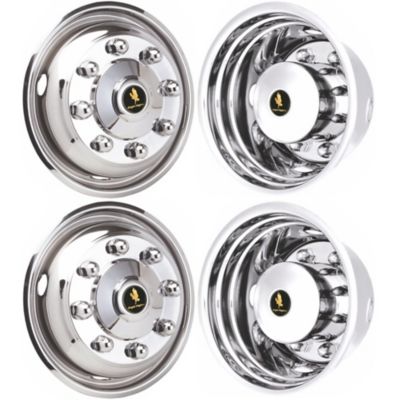
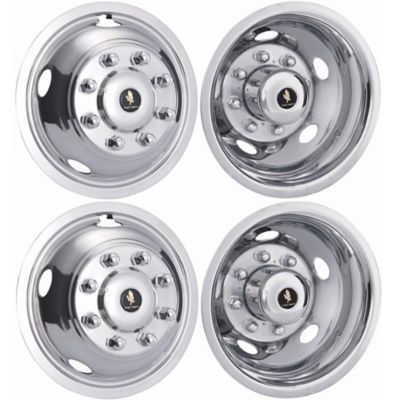
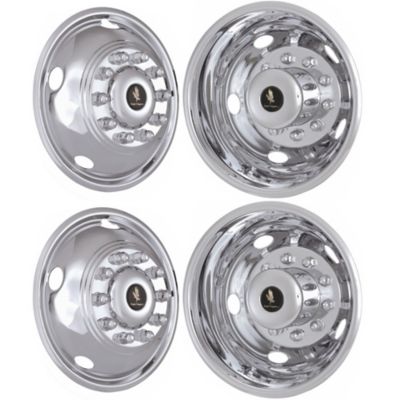
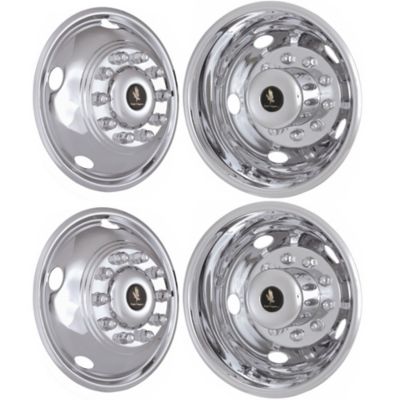
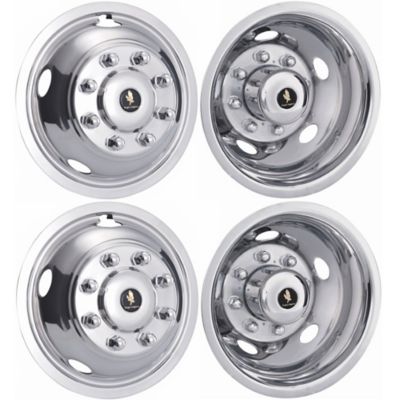
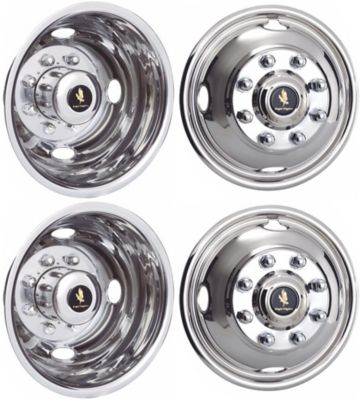
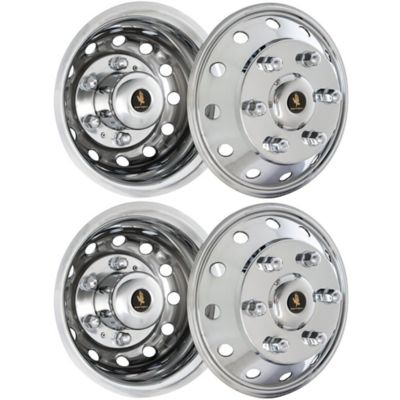
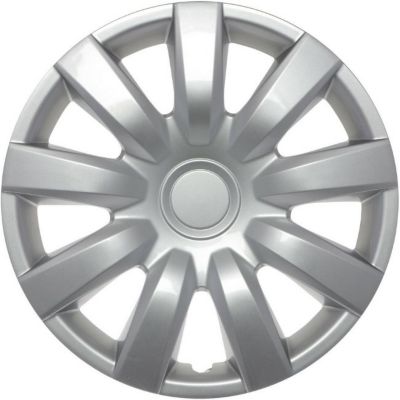
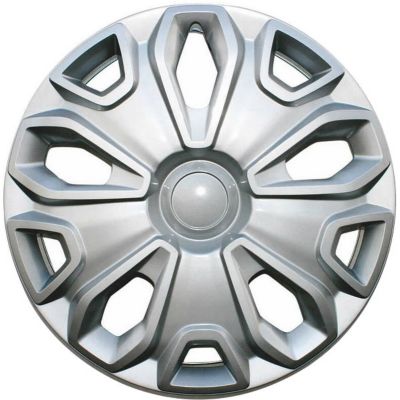
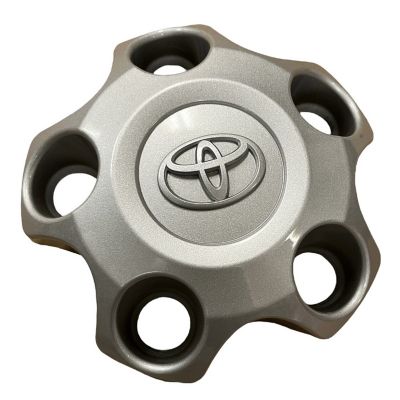
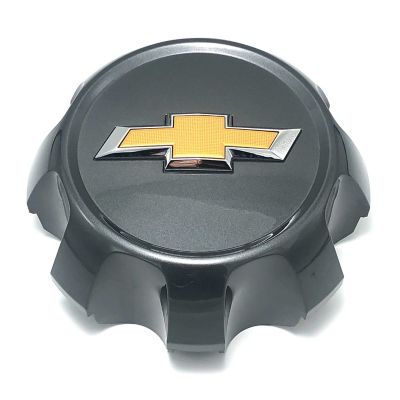
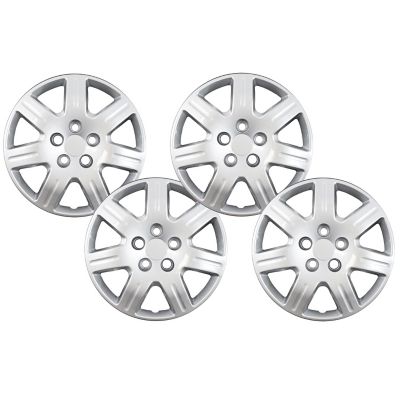
Wheel simulators can mean a few different things, so it helps to start with the job you need to get done. For truck and dually owners, a wheel simulator is commonly a decorative cover or liner that fits over a plain steel wheel and gives the truck a bright, finished look without replacing the entire wheel. These pieces are often made from stainless steel or another durable metal, with a polished surface that catches the light and helps dress up work trucks, service vans, trailers and pickups. Some are designed to snap into place, while others use lug nuts, clips or another hardware system for a tighter fit. Before choosing one, check the wheel diameter, bolt pattern, number of hand holes, front or rear position and whether the wheel is designed for a single-wheel or dual-wheel setup. Dually applications deserve extra attention because the inner and outer wheels may use different covers, and clearance around valve stems, lug nuts and tire sidewalls matters. A good fit should sit evenly against the wheel, stay secure over rough roads and leave room for routine tire checks. Measure carefully rather than relying only on a picture, especially when working with older trucks, aftermarket wheels or equipment that has seen plenty of gravel-road miles. A clean, properly fitted simulator can make a dependable work rig look sharp at the feed store, on the jobsite or parked beside the barn, while still keeping the practical steel wheel underneath ready for hauling, towing and everyday use. If your project calls for lightweight nonmetal wheel components, browse
Plastic Wheels for another type of wheel solution.
Another use for a wheel simulator is checking fitment before spending money on custom wheels and tires. Physical fitment tools attach to the vehicle hub or wheel mounting area and help you see how a proposed wheel position will sit in relation to the fender, suspension, brake parts and steering components. They can be useful when comparing backspacing, offset, wheel width and tire clearance, particularly on lifted trucks, restored vehicles, four-wheel-drive rigs and work vehicles that carry heavy loads. A simulator gives you a way to test the layout before mounting a full tire-and-wheel combination, which can help reveal rubbing or clearance problems while changes are still manageable. Fitment work should be done on a level surface with the vehicle safely supported, and measurements should be taken at normal ride height as well as through the steering range when appropriate. Keep an eye on brake caliper clearance, suspension travel, inner fender space and the distance between the tire and nearby wiring or hoses. It is also wise to compare the simulator’s readings with the vehicle manufacturer’s specifications and the recommendations of a qualified tire or wheel professional. Digital wheel visualizers serve a different purpose. They let drivers preview wheel sizes, finishes and styles on a vehicle image or selected make and model, making it easier to picture a truck or SUV with a new look before ordering. These online tools are handy for narrowing down appearance, but they do not replace real measurements for load rating, offset, backspacing or physical clearance. A polished preview can show how a wheel looks in the driveway; a proper fitment check helps make sure it works safely on the road.
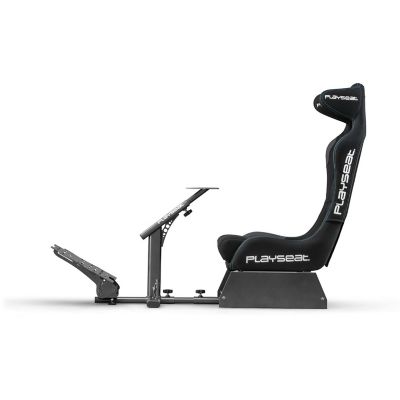
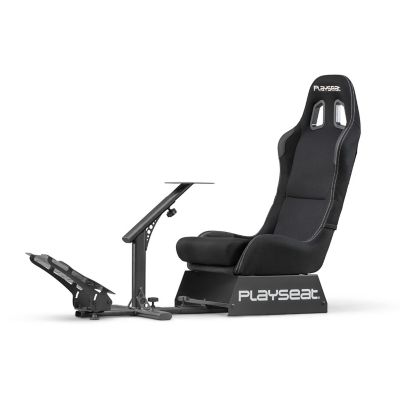
In some settings, wheel simulator may also refer to a steering wheel and pedal setup used with racing or driving simulation software. These systems are built for home gaming spaces, training rooms and enthusiasts who want more control than a standard game controller can provide. Depending on the setup, features may include a clamp-on wheel base, responsive steering, adjustable pedals, paddle shifters, vibration or force feedback and compatibility with a computer or gaming console. A beginner-friendly setup may suit occasional weekend racing, while a more advanced arrangement can be useful for someone building a dedicated cockpit with a seat, monitor stand and mounting brackets. Check platform compatibility, available desk or floor space, connection type and the software you plan to use before buying. Force feedback can make a driving game feel more natural, but it also requires a solid mounting surface and enough room for the wheel to move without hitting nearby equipment. Wheel simulators can make thoughtful gifts for a truck enthusiast, a young driver interested in automotive skills or a racing fan who enjoys spending cooler months indoors, while decorative wheel covers can be a practical gift for someone who takes pride in keeping a work truck in good shape. Whether the goal is a cleaner exterior, more confident wheel fitment or a more immersive driving experience, focus on accurate sizing, sturdy construction, simple installation and the way the item will be used day after day. During changing weather, inspect wheel covers and mounting hardware for looseness, wash away road grime before it builds up and keep measurement tools stored dry so they are ready for the next tire, trailer or truck project.