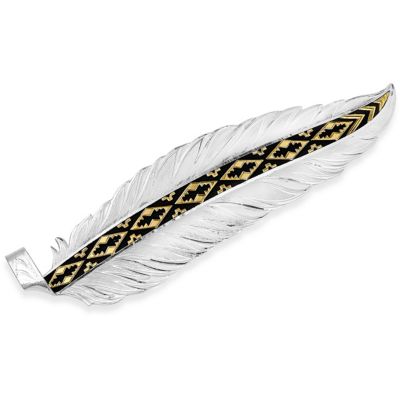
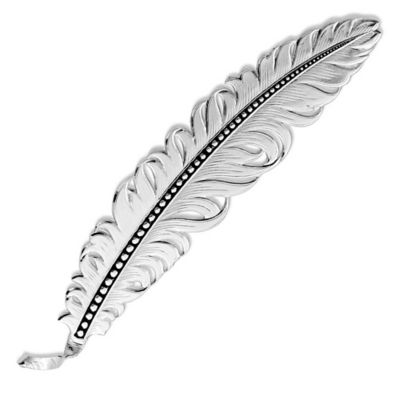
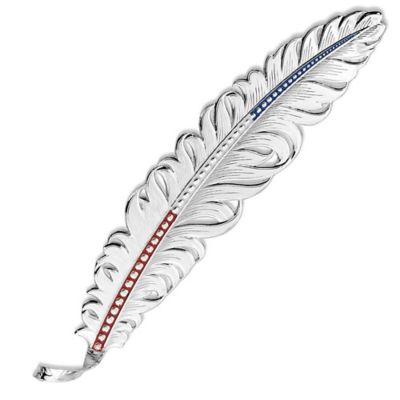
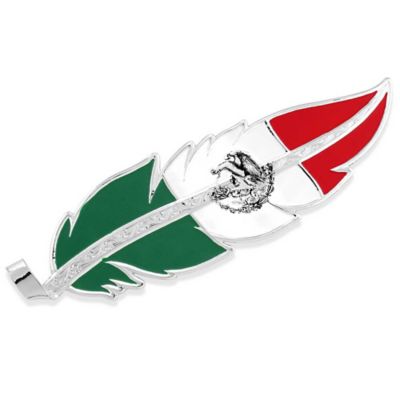
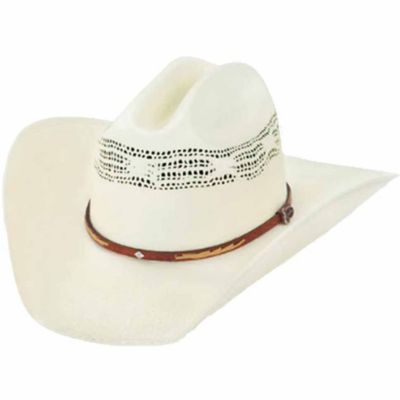
Western hat feathers add a small but noticeable finishing touch to a cowboy hat, bringing color, texture, and a little movement to the band without changing the hat’s whole character. A narrow feather tucked close to the crown can look understated, while a longer plume with distinct markings makes more of a statement. The right choice depends on the hat itself and how you like to wear it. A broad brim and a substantial leather band can visually balance a fuller feather, while a slim band often pairs well with a lighter, simpler accent. Earth tones settle naturally against brown, tan, and black hats, and brighter colors can pick up a detail in a shirt, belt buckle, or bandana. Matching every piece isn’t necessary; sometimes one contrasting accent gives an otherwise plain hat just enough character. For folks who wear a cowboy hat around town, to a rodeo, or out dancing, feathers offer a way to change the look while keeping a familiar hat in rotation. They also work with felt and straw hats, though the band construction matters more than the hat material when it comes to attachment. A feather should look like it belongs with the hat rather than overpowering the crease, brim shape, or existing band details. When putting together
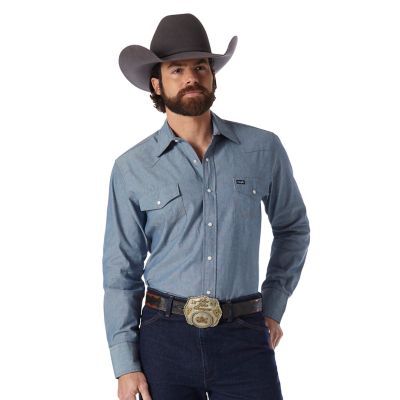
Western Rodeo Outfits, consider how the feather reads alongside patterned shirts, denim, leather belts, and boots. A busy outfit may call for a quieter hat accent, while a simple shirt leaves room for stronger color or a more pronounced shape. There’s no need to turn a favorite everyday hat into a showpiece unless that suits the occasion. For a dance, a wedding with Western attire, or an evening at the arena, a well-proportioned feather can provide the finishing detail without competing with everything else you’re wearing.
Material and construction make a difference in how western hat feathers sit, feel, and hold their shape through regular handling. Natural feathers have a central shaft with fine barbs branching along each side, and their markings, width, and fullness can vary. Some have a narrow, pointed profile; others have a softer, broader outline that gives the hatband more texture. Feather-style accents made with synthetic materials may have a more consistent shape or color, so check the material description rather than judging by appearance alone. Also look at the lower shaft and the way the base is finished. That section needs to fit the attachment method without leaving a sharp end against the hat or the wearer. Length matters beyond appearance: a feather that rises well above the crown may brush against a truck headliner, catch when the hat comes off, or bend inside a storage box. A shorter profile is often easier to manage when a hat moves between the seat of a pickup, a hat rack, and daily wear. Before attaching anything, check whether the band has an opening intended for an accent. Where the construction allows, tuck the lower shaft between the band and crown gently, keeping it flat and secure without forcing the band outward. Don’t puncture the crown or push a quill toward the sweatband just to make it stay put. If the feather requires a separate holder, follow the holder’s attachment directions and check that it suits the hat’s construction. The hat should fit just as comfortably afterward, with no new pressure point at the temple or behind the ear. Placement can follow the band’s existing details, leaving room around a buckle, knot, or concho rather than crowding them. Set the hat on your head and check it from the front and side; an accent that looks balanced on a table may sit differently once the brim is level and the hat is worn normally.
Feathers need a gentler touch than leather hatbands or metal accents, especially along the fine edges where repeated rubbing can leave gaps or fraying. Handle the base or lower shaft when adjusting the placement, and avoid pinching the soft upper portion each time you take the hat off. If the feather catches on clothing or a seat, stop and free it carefully instead of pulling the hat away. Keep it clear of hairspray, fragrance, leather treatments, and hat-cleaning products, since residues may affect its appearance or transfer to the band. When the hat needs a thorough cleaning, remove the feather first if the attachment allows, and follow the care directions for each material separately. For light dust, a gentle pass with a clean, soft brush may be enough; avoid scrubbing, soaking, or applying heat to reshape the feather. A crushed shaft or badly split edge may not return to its original form, so storage does a lot of the work in keeping the accent looking neat. Give the feather enough clearance in a hatbox or on a rack so it isn’t pressed against a shelf, wall, or another hat. If it comes off between occasions, keep it flat in a protective container where nothing heavy can settle on top. For gifting, start with the recipient’s hat rather than guessing from shirt size or general taste. Notice the band width, hat color, and whether they favor a plain look or a bolder finish. Someone who wears the same felt hat to every dance may appreciate an accent that echoes a favorite shirt, while a person who prefers understated gear may lean toward subtle markings and a lower profile. Attachment is worth considering, too: a feather that works with the existing band is easier to enjoy without altering a favorite hat. With a little care and a sensible fit, western hat feathers can add character while letting the hat remain the centerpiece.