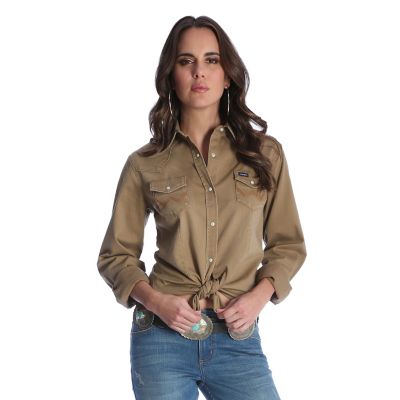
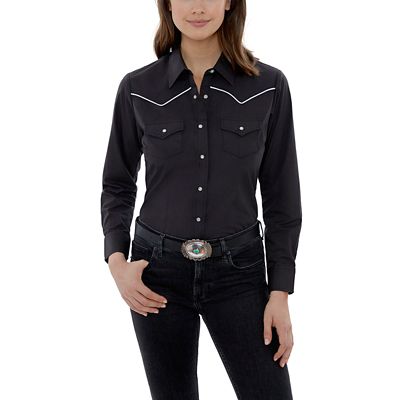
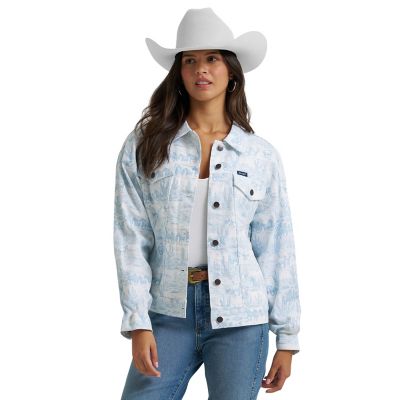
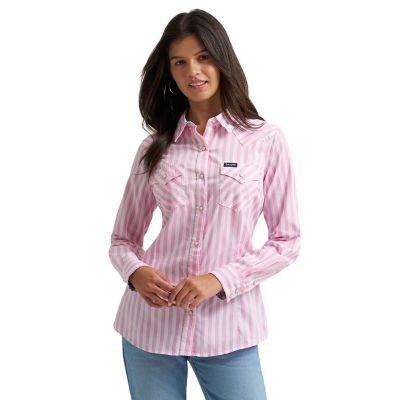
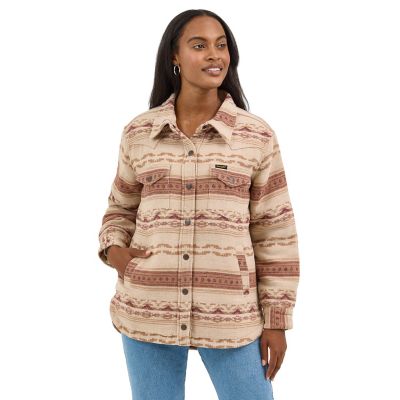
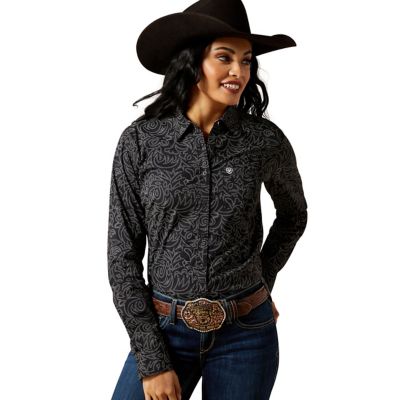
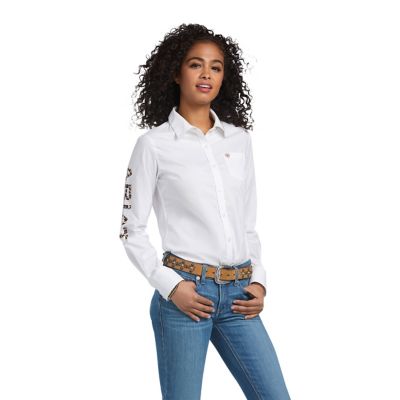
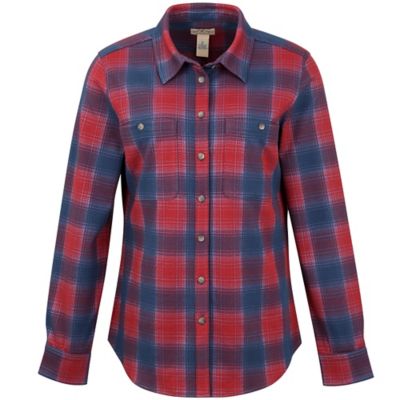
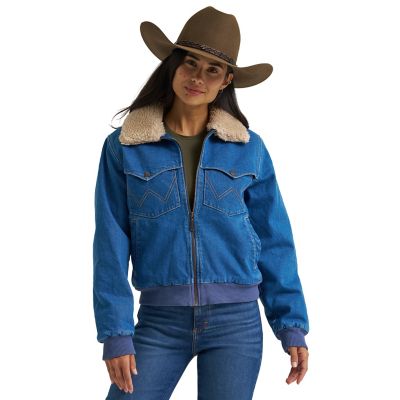
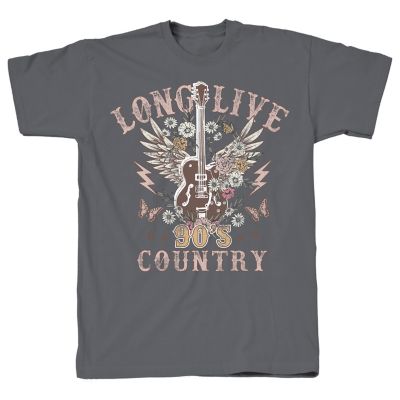
Women’s western fashion brings together denim, snap-front shirts, cowboy boots, and ranch-inspired accessories in clothing that feels at home at the fairgrounds, around town, or out for a night of dancing. Its roots are practical: shirts that allow room to move, jeans that sit comfortably over boots, and leather accessories that stand up to regular wear. Pointed yokes, pearl-look snaps, contrast stitching, fringe, and embroidery give western clothing its familiar character without requiring every part of an outfit to make a statement. A checked shirt with straight-leg denim can feel just as western as an embroidered blouse with a skirt and tall boots. The difference often comes down to the fabric, cut, and finishing touches. Cotton denim and woven cotton shirts offer a substantial feel, while cotton blends with a little stretch can make bending, reaching, and sitting more comfortable. Drapier fabrics bring a softer shape to blouses and dresses, especially for concerts, date nights, and gatherings where work clothes would feel out of place. Among
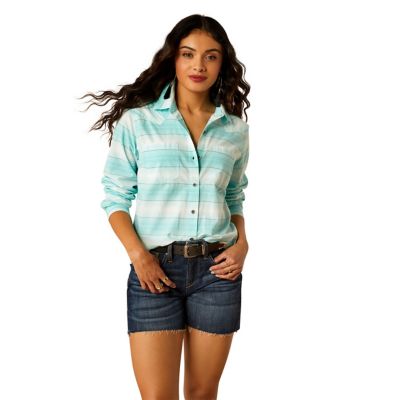
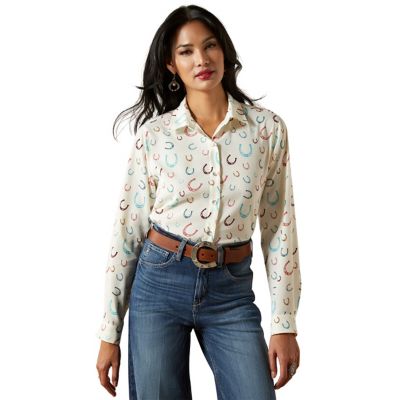
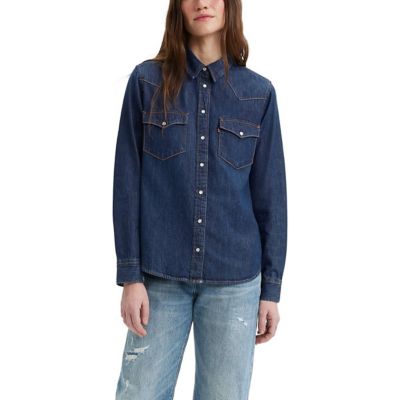
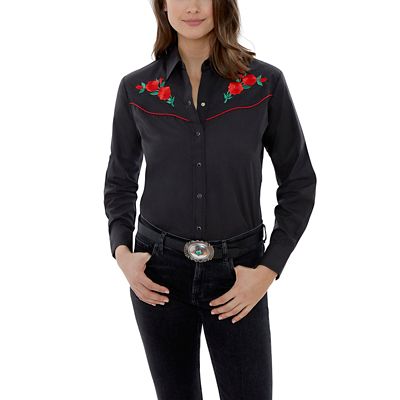
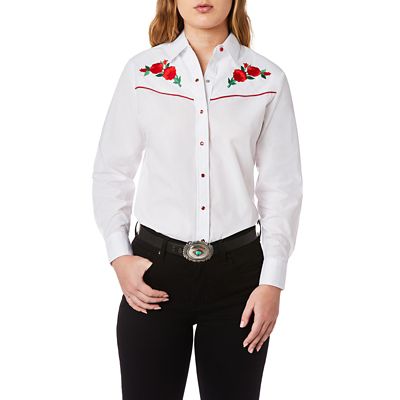
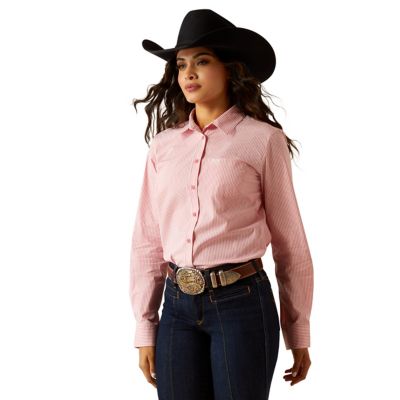
women’s country western shirts, details such as sleeve length, shoulder seams, cuff shape, and hem length influence how a shirt fits into an everyday wardrobe. A longer shirttail helps a tucked-in shirt stay put when reaching across a fence or leaning into a saddle, while a shorter, shaped hem can sit neatly over jeans. Enough room through the shoulders and upper arms matters more than a close fit that pulls across the back. Snap fronts are a recognizable western detail, but smooth seams, comfortable collars, and fabric that feels good against the skin matter just as much over a full day. For women who split their time between chores and errands, straightforward cuts offer plenty of flexibility; for those dressing for a dance or a county fair outing, stitched patterns and bolder colors can carry more of the look. Western style leaves room for both, without needing a head-to-toe outfit built around one pattern or color.
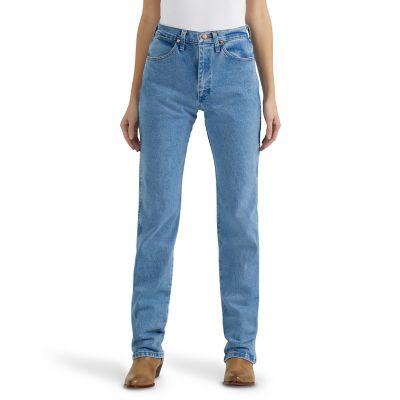
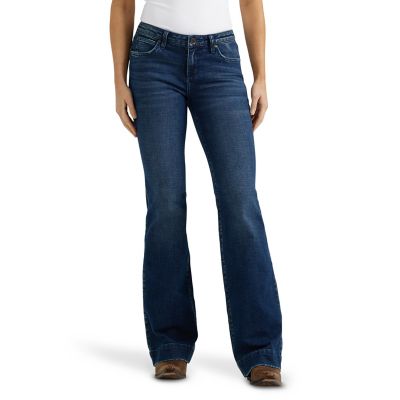
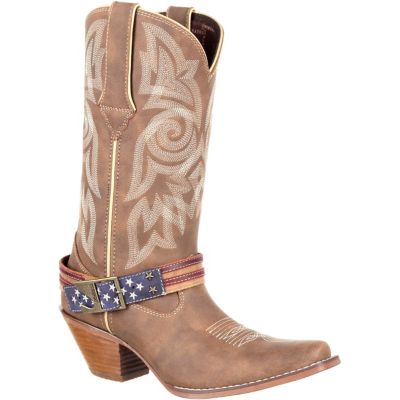
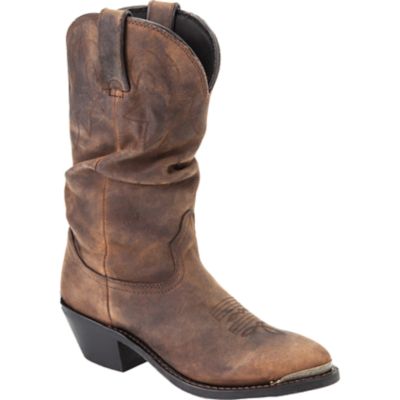
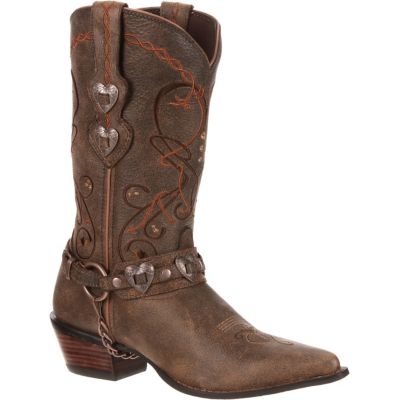
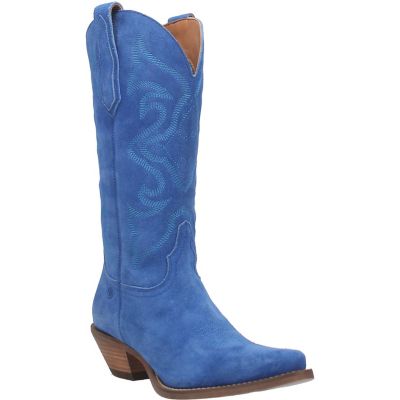
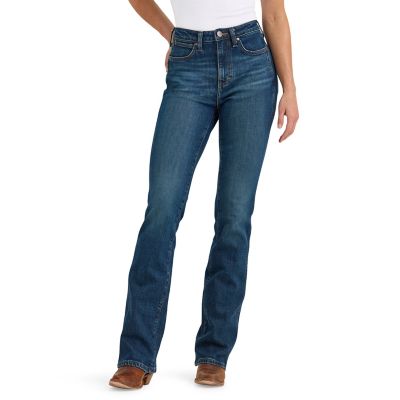
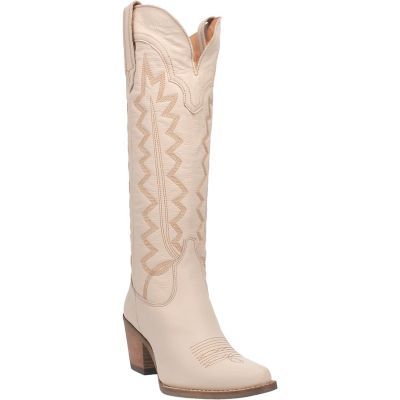
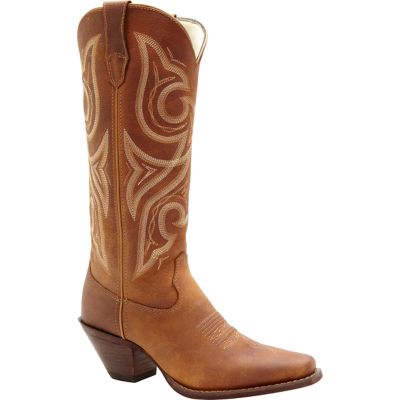
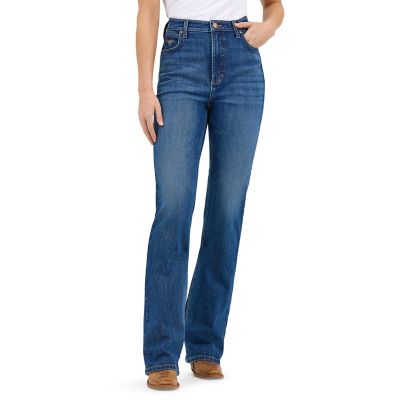
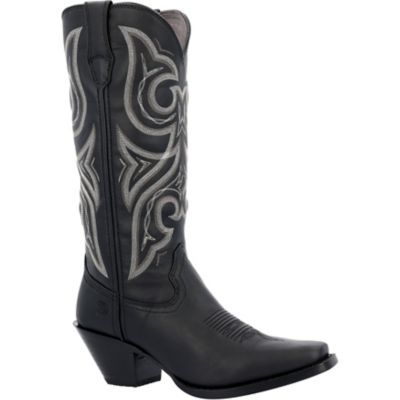
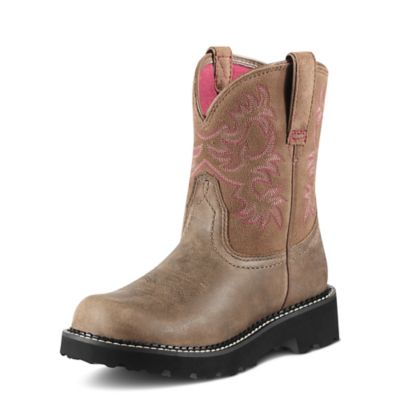
Jeans and boots do much of the everyday work in a western wardrobe, and their proportions affect both comfort and appearance. Bootcut jeans have room at the lower leg to fall over a boot shaft, while straight cuts offer a cleaner line that works with several footwear shapes. Wider legs create a different silhouette and need enough length to hang well without dragging under the heel. Rise is another practical consideration: a higher waist can provide more coverage when bending or sitting, while a mid-rise fit may feel less restrictive through the middle. Denim with little or no stretch tends to feel firmer at first and soften with wear; stretch denim offers more give, though the waistband and seat should still fit without sagging or pulling. Strong seams, reinforced stress points, and neatly finished hems help clothing handle repeated wear. Fit through the hips and thighs deserves attention, particularly for time in the saddle or a day that involves getting in and out of a truck. Cowboy boots bring their own fit considerations, from the shape of the toe box to the width of the shaft. Feet need room without sliding forward, and a boot should feel secure across the instep without painful pressure. Some movement at the heel can occur in a new pull-on boot, but pinching toes or numbness are not signs of a good fit. The socks worn with the boots also affect how they feel, especially through a long stretch of walking or standing. Leather uppers can develop character with regular wear, while suede has a softer surface that calls for a different cleaning approach. Sole construction and heel shape should suit the activity, whether that means walking around an event, dancing, or handling chores. A fashion boot is not automatically suited to riding or work that requires protective footwear. The right pairing starts with what the day involves, then brings the look together through compatible jean lengths, boot heights, and comfortable layers.
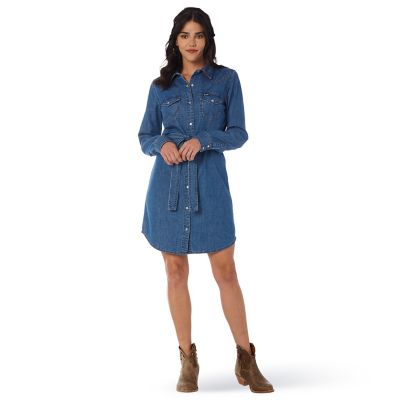
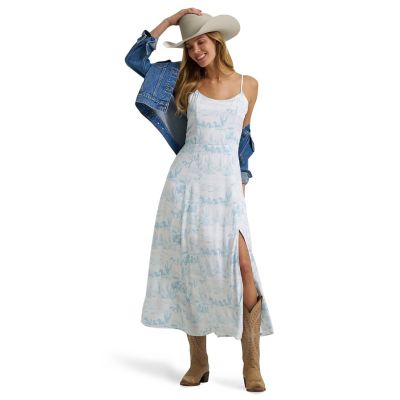
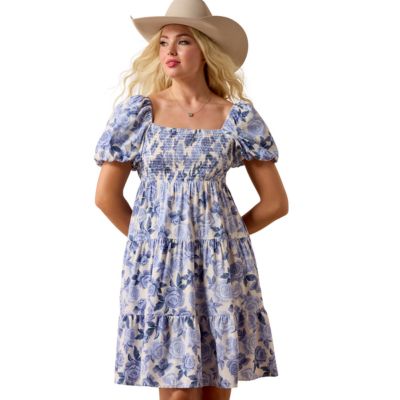
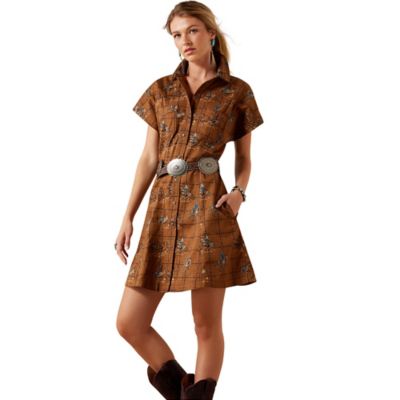
Western dresses, skirts, belts, hats, and jewelry offer other ways to bring that same character into an outfit without leaning entirely on denim. A dress with a defined waist and an easy skirt can pair naturally with cowboy boots for a dance, a family celebration, or an evening at a live music venue. A denim skirt and a simple blouse keep the feel more laid-back, while a belt can give shape to a looser shirt or dress. Belt width matters when it needs to pass through jean loops, and buckle size affects how comfortably it sits when seated. Leather straps, woven textures, and tooled patterns each add a different touch; a bold buckle often looks best when the rest of the outfit has room to stay simple. Hats also balance appearance with fit. The crown should sit comfortably without squeezing, and the brim should feel manageable for the setting rather than getting in the way. For jewelry, smooth edges, secure closures, and a comfortable weight can matter as much as the finish, especially with earrings worn for several hours. These smaller pieces can make thoughtful gifts for a woman whose western style is already part of her daily routine, while clothing and boots benefit from knowing her measurements and fit preferences. Caring for the materials helps keep favorite pieces looking good beyond a handful of outings. Garment labels are the best starting point for washing, drying, and ironing; denim, embroidered fabric, fringe, and leather trim do not always belong in the same wash routine. Turning washable denim inside out can help limit surface wear, and fastening closures before laundering can reduce snagging. Leather boots and belts generally benefit from removing surface dirt and applying a conditioner suited to the material, while suede needs its own brush and care products. A little attention to fit, construction, and upkeep leaves more room to enjoy the clothing, whether the day ends at the feed store, the fairgrounds, or the dance floor.