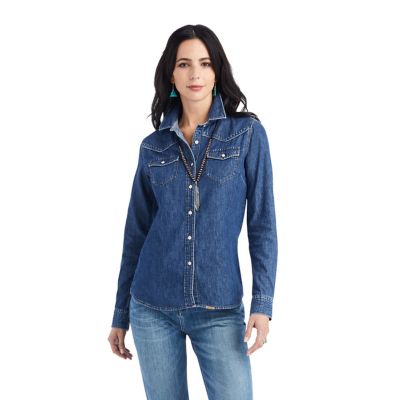
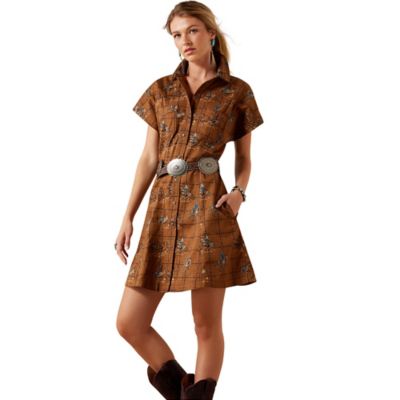
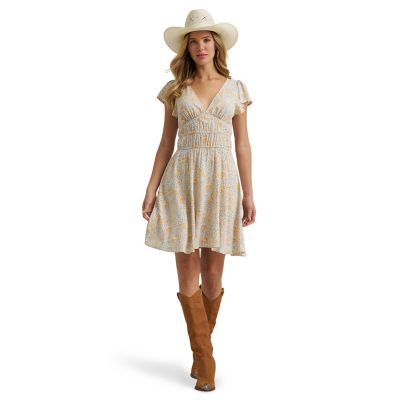
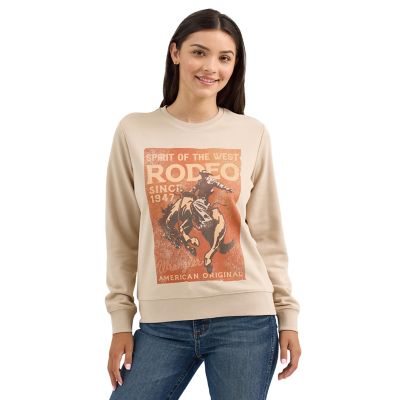
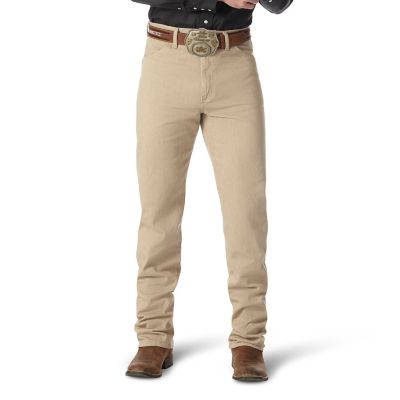
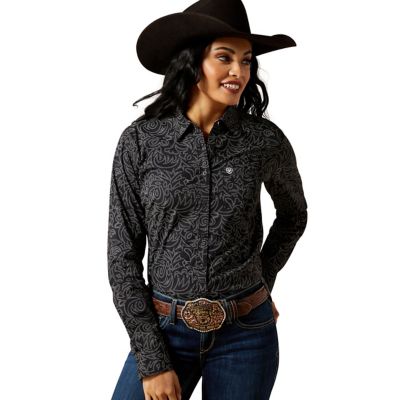
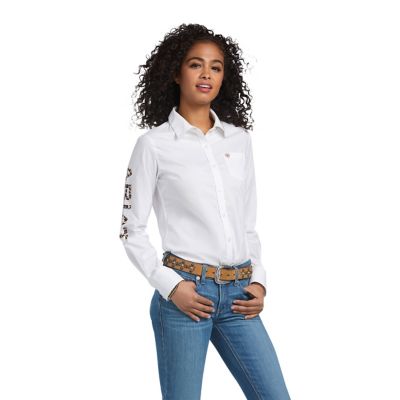
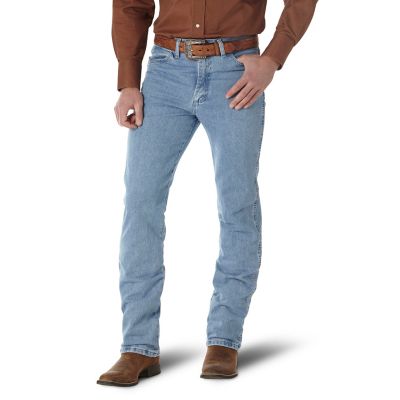
Western rodeo outfits bring together ranch-ready clothing and bold Western style, usually built around denim, a Western shirt, boots, a belt and a cowboy hat. Their character comes from details with a purpose: shaped shirt yokes, secure closures, boot shafts that sit beneath a jean leg and hat brims that give a look its familiar silhouette. Embroidery, fringe, tooled leather and a standout buckle can add personality without taking away that down-to-earth foundation. The right combination depends on whether the day means watching bull riding from the stands, helping behind the scenes, competing in an event or heading to a dance after the final ride. Spectators have room to lean into statement details, while anyone working around livestock needs clothing suited to the task and free of loose pieces that could catch. A pair of dark jeans and a neatly tucked shirt can feel dressed up without looking out of place beside the arena. Faded denim and a simple snap-front shirt offer a more laid-back feel, while a patterned top or an embroidered yoke brings another layer of Western character. Men, women and kids can all wear the same basic elements in different proportions, from a restrained everyday outfit to a coordinated family look for a rodeo outing. Matching every piece is not necessary; a shared color or a similar leather tone can tie things together without making the whole group look alike. Western rodeo clothing also reaches beyond the grandstands, fitting naturally into county fair visits, country concerts and gatherings where boots and jeans feel right at home. The appeal is in that balance of useful clothing and personal style. A shirt should still feel comfortable when reaching for a rail, and jeans should allow an easy step onto the bleachers. Even the dressier combinations feel more natural when they leave room to move, sit and enjoy the event rather than needing constant straightening.
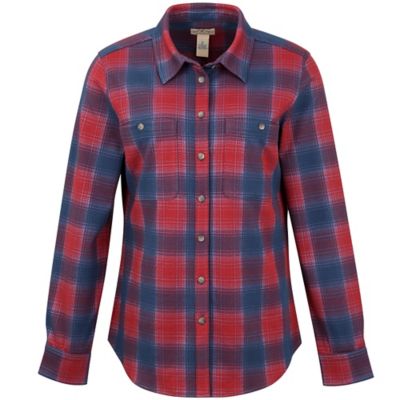
Fabric, construction and fit make a real difference in how Western clothing feels through a full day. Cotton denim has a familiar substantial feel, while denim with a little stretch offers more give through the seat, hips and knees. Heavier fabrics can suit demanding wear, though fabric weight alone does not tell the whole story; secure seams, reinforced stress points and well-attached hardware matter, too. Straight-leg and bootcut jeans make room for many boot shafts, but the opening needs enough clearance to fall smoothly instead of bunching above the ankle. Length matters just as much. A hem that looks fine while standing may ride up when seated, while extra fabric dragging beneath a heel can fray and become a tripping concern. Through the waist and seat, a comfortable fit allows sitting and bending without pinching or leaving the waistband loose enough to shift. Western shirts bring their own practical details, including chest pockets, snap or button closures and cuts that range from relaxed to more fitted. Cotton feels familiar against the skin, woven blends can help reduce wrinkling, and stretch fabrics offer flexibility through the shoulders and elbows. A tucked shirt needs enough body length to stay put when reaching overhead, while an untucked style sits best when its hem works with the rise of the jeans. Boots deserve the same attention beyond their appearance. Leather can develop character with regular wear, but a new pair should not depend on painful pressure points disappearing later. Toe shape, instep room, heel movement and the height of the shaft all affect comfort. For arena work or riding, footwear needs to suit the activity and equipment, not simply resemble a Western boot. Competition rules may also call for particular clothing or protective equipment. An outfit intended for watching the action is not a substitute for riding gear, and fashion details should never interfere with safe movement around horses or livestock.
Finishing touches can give Western rodeo outfits a clear sense of personality without piling on more than the occasion calls for. A broad buckle draws the eye toward the waist, so a simpler shirt can let its shape or engraving stand out. Tooled leather belts pair naturally with denim, and a belt that sits comfortably through the loops helps keep a tucked outfit looking settled. Matching leather colors exactly is optional; brown tones often work together when the overall look feels intentional. Cowboy hats come in different crown shapes, brim widths and materials, including felt and straw, with fit making as much difference as appearance. A hat should sit securely without creating an uncomfortable band of pressure, and its proportions can balance the rest of the outfit. Fringe, embroidery and jewelry can add movement or shine, though one or two focal points often carry a look better than several competing details. For combinations ranging from straightforward denim pairings to more dressed-up arena looks, explore
Rodeo Outfits for Women. Keeping Western clothing looking its best starts with the care label rather than a single routine for everything. Denim, embellished shirts, leather and felt each need different handling. Turning washable garments inside out can help protect their surfaces, and checking instructions before applying heat matters for stretch fibers and stitched details. Leather care should follow the maker’s recommendations, with dust brushed away before an appropriate cleaner or conditioner is applied. Hats benefit from storage that supports their shape instead of crushing the crown or brim. Those habits help preserve the details that make an outfit feel personal. Western clothing can also make a thoughtful birthday or graduation gift for a rodeo fan, a horse enthusiast or someone who enjoys country style. Familiar sizes, preferred jean rises, hat measurements and boot fit are more helpful than guessing from appearance alone. A gift that fits the wearer’s routine is more likely to become part of the regular lineup, whether that means a favorite shirt for the stands or a belt worn well beyond rodeo day.