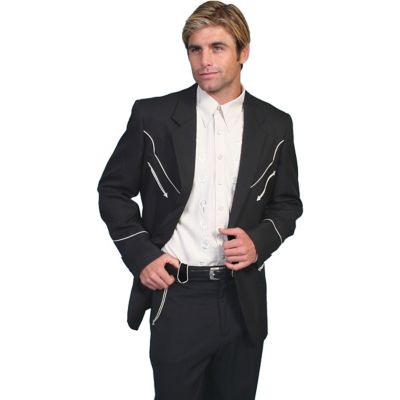
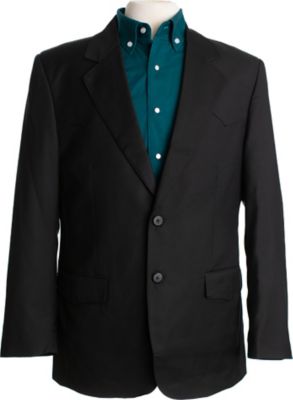
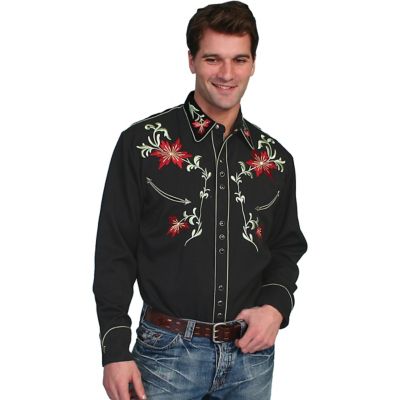
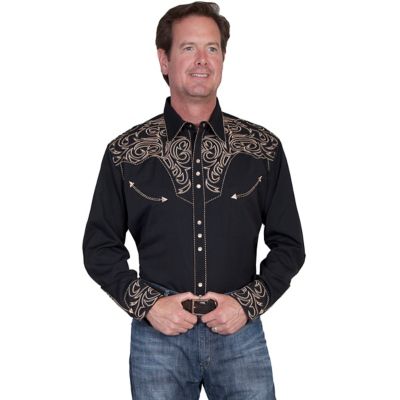
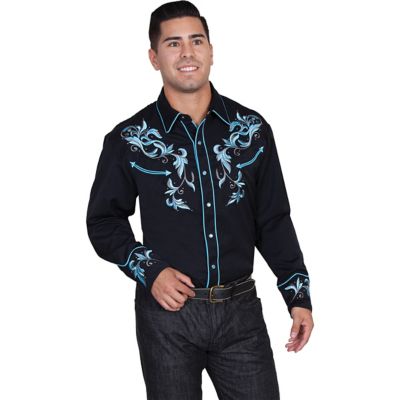
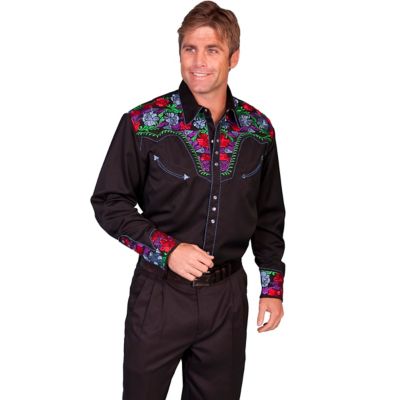
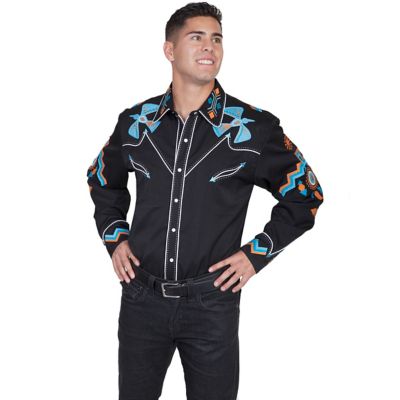
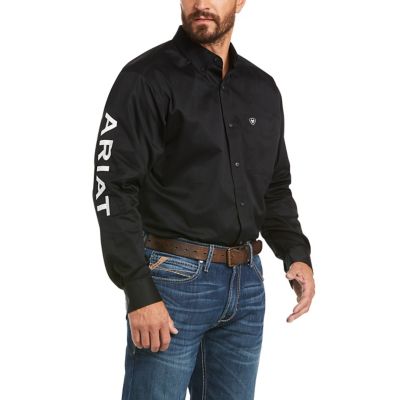
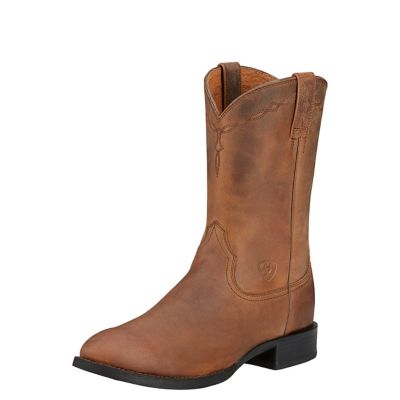
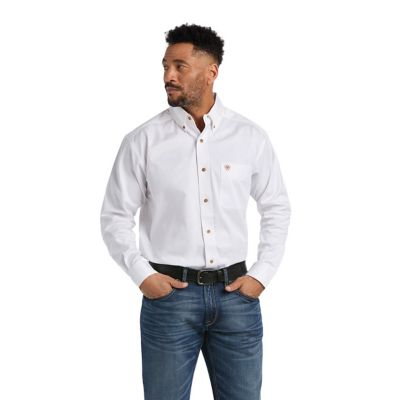
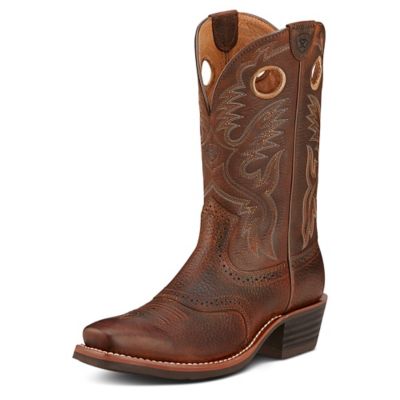
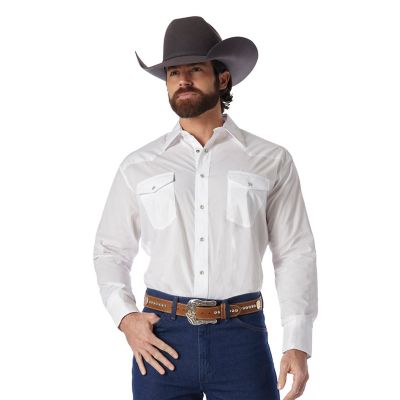
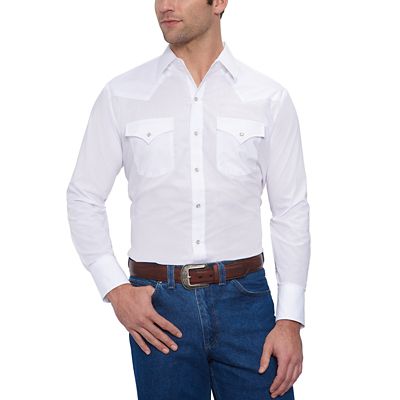
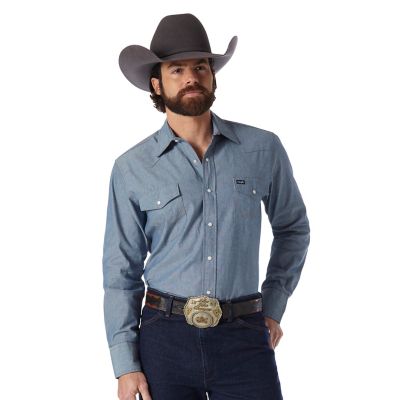
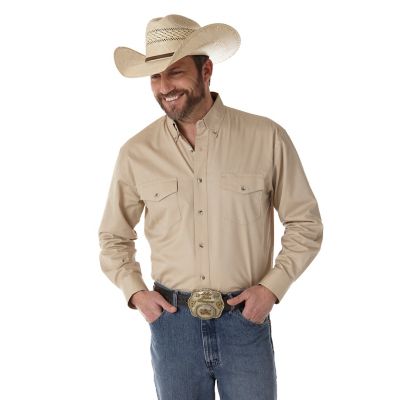
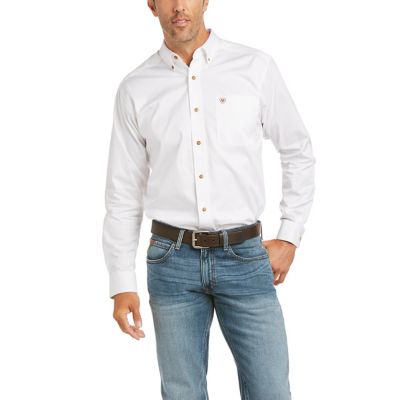
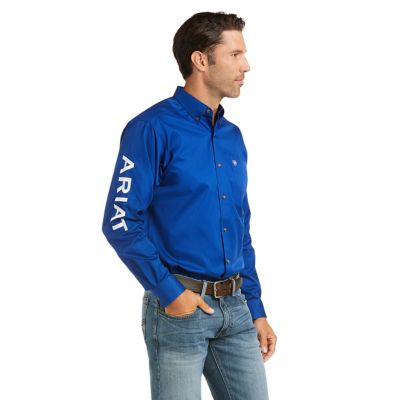
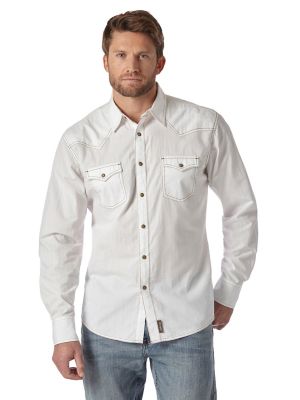
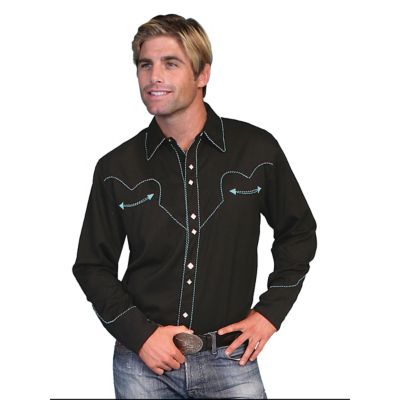
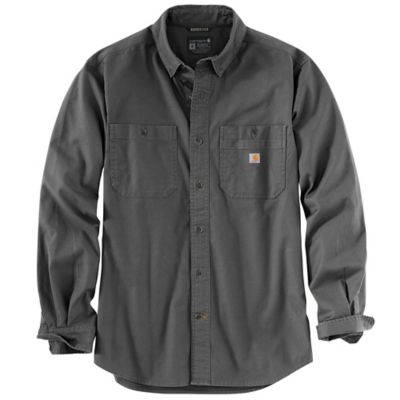
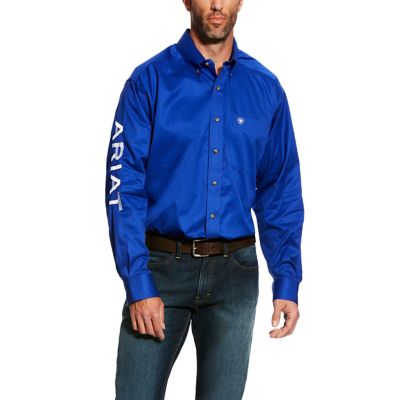
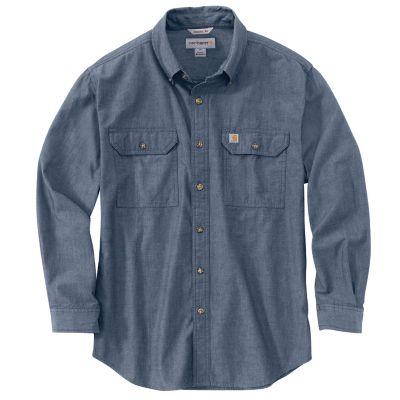
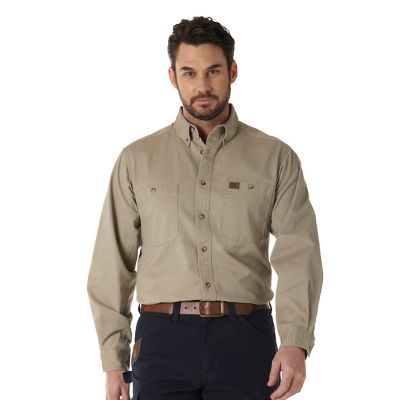
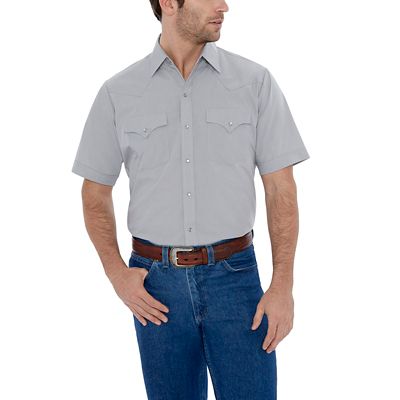
Western formal wear for men brings dress tailoring together with familiar cowboy details, including pointed shirt yokes, pearl-style snaps, leather boots, and Western belt buckles. The result can be a full suit for a country wedding, a sport coat and trousers for an awards banquet, or a vest and dress shirt for a celebration at the local dance hall. What sets the look apart is the balance: clean lines and a neat fit give it a dressed-up feel, while stitching, leather, and well-chosen accessories keep its country roots in sight. Black, charcoal, navy, brown, and tan make useful starting points, with a white or light-colored shirt providing contrast beneath a darker jacket. Subtle embroidery or contrasting piping can add character without taking over the outfit, especially when the rest of the clothing stays simple. For a wedding party or another occasion with a stated dress code, the host’s expectations should lead the way. Dark denim may suit a relaxed reception, but dress trousers or a matching suit are generally a better fit for a formal invitation; black-tie events call for their own level of evening attire. A Western sport coat usually has a shaped shoulder and enough structure to sit neatly over a tucked shirt, while a vest adds another layer without the weight of a jacket. Matching fabrics give a suit a coordinated appearance, whereas separates allow a little more freedom with color and texture. Men who spend most days in work clothes can keep the boots-and-belt look that feels familiar while choosing cleaner silhouettes for special occasions. These clothes also suit grooms, fathers of the wedding couple, graduates, and guests who want to look put together without leaving their everyday style at the door. A crisp shirt, trousers that hang cleanly, and leather that has been brushed and cared for often do more for the finished look than a stack of eye-catching accessories.
Fabric and fit make a real difference when an occasion stretches from an outdoor ceremony to dinner and a few turns around the dance floor. Wool and wool-blend tailoring can provide warmth and a smooth drape during the cooler months, though fabric weight matters as much as fiber content. Cotton shirts offer a familiar feel, while cotton blends may help limit wrinkling; the care label gives the best direction for each garment. A little stretch can make sitting, reaching, and dancing easier, but it should not replace a proper fit through the shoulders, chest, seat, and thighs. A jacket should lie smoothly across the upper back, with shoulder seams close to the natural shoulder edge and no strong pulling around the fastening. Shirt collars need enough room to sit comfortably when closed, and sleeves should reach the wrist without bunching heavily beneath a coat. For a tucked Western dress shirt, enough length through the body helps the hem stay in place when reaching across a table or lifting an arm to greet somebody. Trousers should sit comfortably at the intended waistline, with pockets lying flat rather than flaring open. Straight or gently flared leg openings can settle over cowboy boots without catching on the shafts. Trying the outfit with the boots intended for the event helps establish the right trouser length: a modest break over the foot looks neat, while fabric dragging beneath the heel can fray and collect dirt. A vest should cover the trouser waistband and lie close without straining across the front. There should also be enough room beneath a jacket for the planned layers, especially when the evening includes time outside. Smooth linings, tidy seams, secure buttons or snaps, and reinforced areas of strain are useful construction details to consider for clothing expected to see more than one celebration. Sitting down and taking a few full steps during a try-on can reveal tight spots that are easy to miss while standing in front of a mirror.
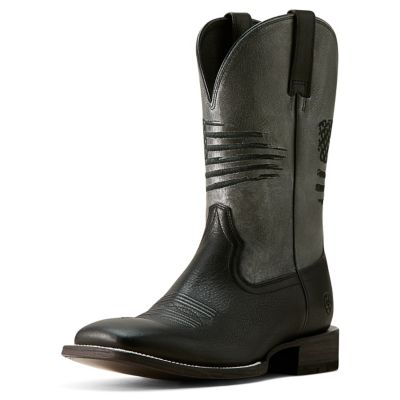
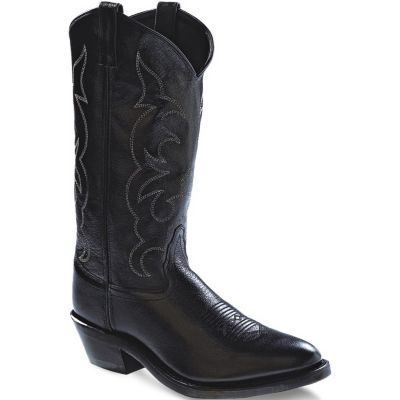
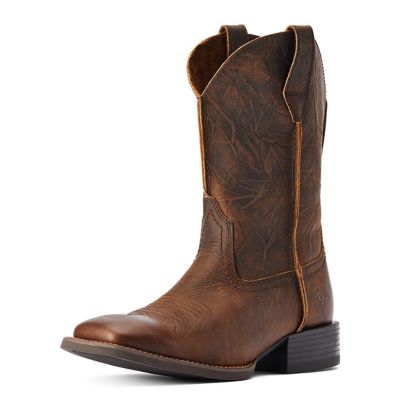
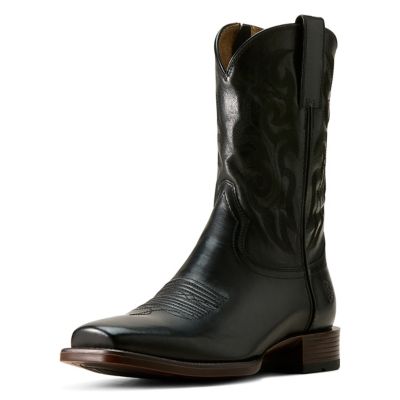
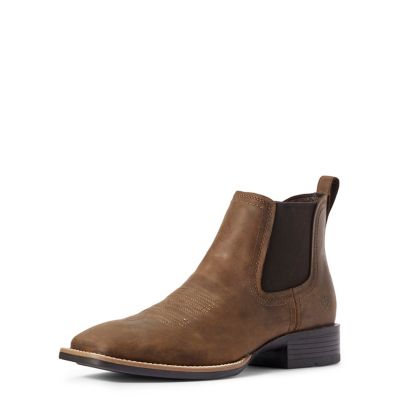
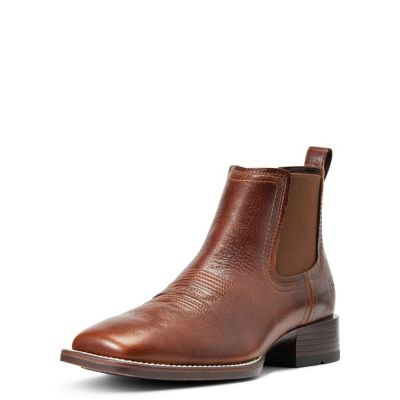
Boots and accessories bring the outfit together, but they work best when chosen with the occasion and the rest of the clothing in mind. Leather cowboy boots with a clean finish and restrained stitching pair naturally with dress trousers, and toe shape is largely a matter of comfort and personal preference. A broad toe needs enough room beneath the trouser hem, while a narrower profile can create a slimmer line. Boots should hold the foot securely without pinching, with some heel movement possible depending on the fit and construction. Wearing them around the house before a long event can help reveal pressure points before there is a receiving line or an evening of dancing ahead. Smooth leather, suede, and other finishes need different care, so cleaning and conditioning products should match the material and the maker’s directions. Let damp boots dry away from direct heat, brush away grit, and give the leather time to air out between outings. A belt in a similar color family helps connect the boots to the rest of the outfit; an exact shade match is less important than a combination that looks intentional.
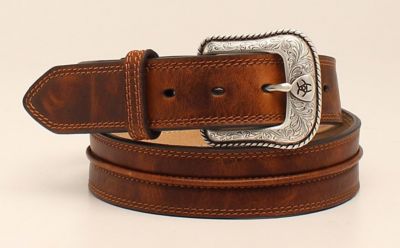
Western Style Belts can finish that connection with stitched leather, tooled patterns, or a buckle that adds a little shine. Belt width should suit the trouser loops, and a larger buckle needs room to sit without pressing into a vest. A bolo tie adds a distinctly Western touch where the dress code allows it, while a conventional tie offers another option for a more reserved setting. A felt cowboy hat can complete the look outdoors, with indoor hat etiquette guided by the setting and host. Between occasions, follow garment labels, hang jackets on shaped hangers, and address spills promptly using the recommended method. Shirts, belts, and ties can also make thoughtful gifts for men who enjoy dressing Western, provided sizing and personal taste are taken into account. Keeping those details in order makes it easier to pull together an outfit for the next wedding, banquet, or family celebration.